
How to ACTUALLY Make a Difference
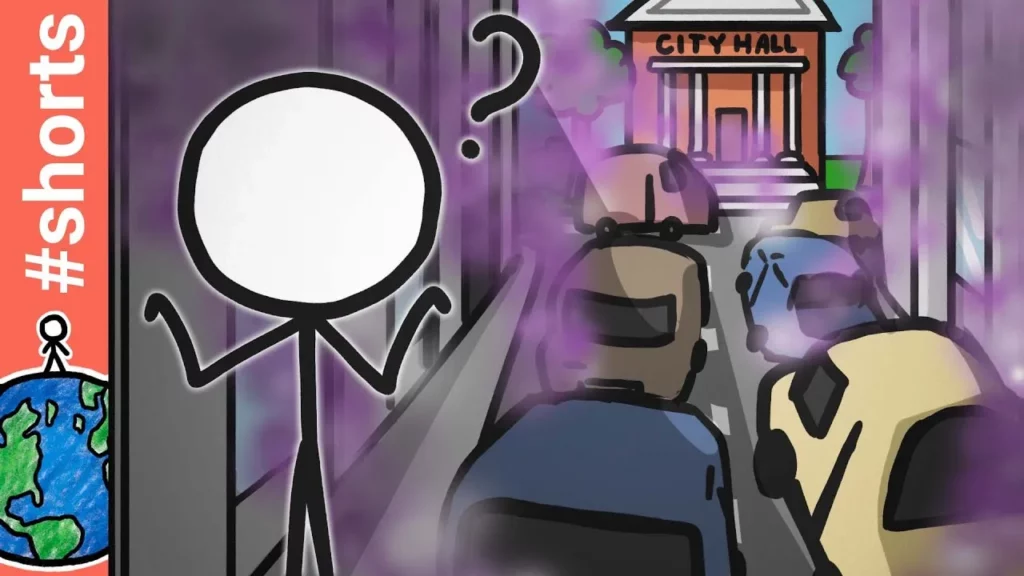
The lesson emphasizes the importance of local government action in addressing significant issues like climate change, particularly through initiatives that reduce carbon emissions and promote sustainable practices. By creating pedestrian-friendly environments, improving public transportation, and transitioning to renewable energy sources, cities can make a substantial impact. Additionally, participating in local elections is crucial, as it allows citizens to elect leaders who prioritize sustainability and can implement effective policies for their communities.
Our BIG Secret…
In this lesson, Kate from MinuteEarth introduces exciting new additions to the MinuteUniverse, including MinuteFood, a channel dedicated to exploring the science behind delicious food, and MinuteMinis, which features short, engaging videos on various scientific topics. Additionally, she announces the release of the “MinuteEarth Explains” book, filled with captivating science stories and illustrations. These new offerings aim to enhance learning and exploration in the world of science.
Where Will The Next Pandemic Come From?
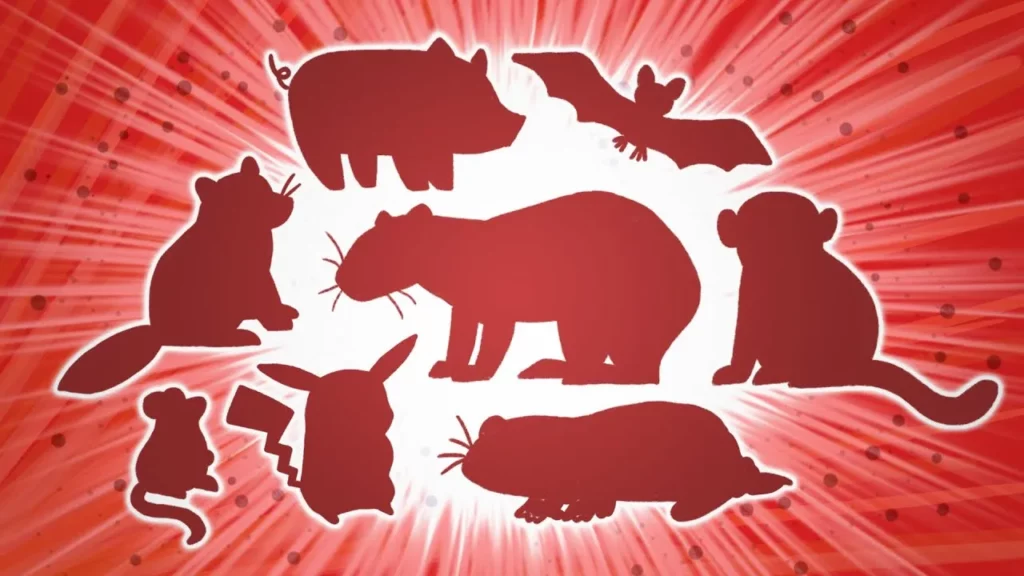
The lesson discusses the origins of potential pandemics, emphasizing that many new diseases emerge from animals, particularly those with short lifespans and simpler immune systems, such as rodents and small carnivores. These animals can carry and transmit diseases to humans due to their rapid reproduction and close proximity to human habitats. To prevent future pandemics, it is essential to monitor these species and understand their role in disease transmission, as highlighted in Bill Gates’s book on pandemic prevention.
They all do the same, but we still need them
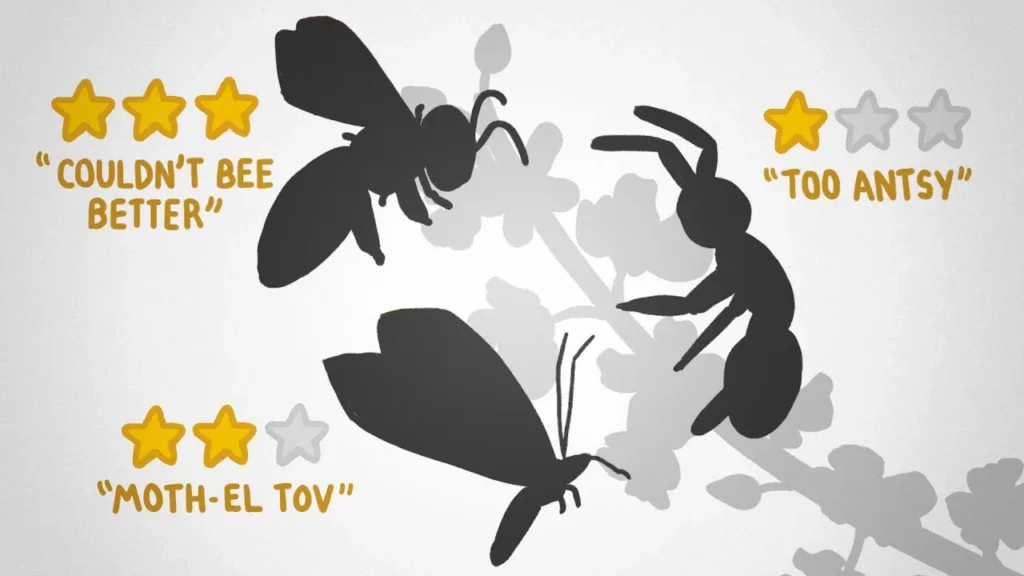
The lesson emphasizes the importance of having backup systems, both in technology and nature, highlighting the concept of ecological redundancy. Just as trains have multiple braking systems to ensure safety, ecosystems benefit from various species that can perform similar roles, allowing them to function even if some species go extinct. However, while redundancy provides resilience, it can also lead to complacency regarding biodiversity, underscoring the need to recognize and protect all species to maintain ecological balance.
The Super Secrets of Sewage
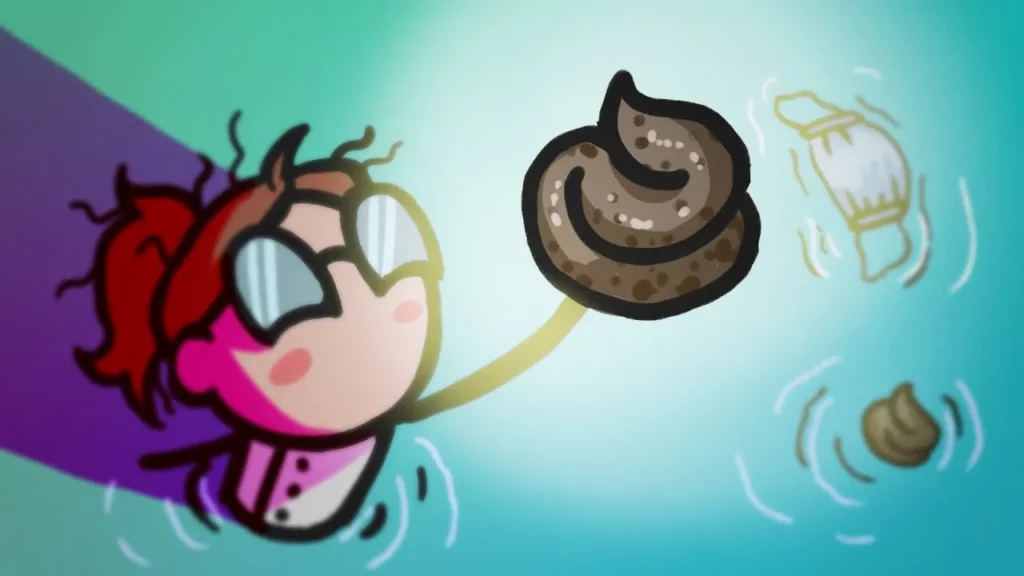
The lesson explores the concept of wastewater surveillance, highlighting its role in early virus detection and public health monitoring. By analyzing sewage, scientists can identify viral particles, providing an anonymous and sensitive method for tracking disease outbreaks before symptoms appear. Additionally, wastewater can reveal valuable information about community health trends, though careful handling is necessary to avoid reinforcing stigmas.
Truth Decay

The lesson on “Understanding Truth Decay” highlights the growing skepticism towards information in the digital age, where trust in news sources is declining despite the abundance of online content. It emphasizes the shift from traditional news presentation to a more emotionally-driven style, which can lead to misinformation and political polarization. The lesson underscores the importance of critically evaluating information, distinguishing between facts and opinions, and engaging with diverse sources to maintain the integrity of public discourse.
Why Is There So Much Land In The North?

The lesson explores the uneven distribution of land on Earth, particularly the concentration of land in the northern hemisphere, which comprises over two-thirds of the planet’s landmass. It discusses various theories about this phenomenon, ultimately attributing it to the movement of tectonic plates driven by geological processes, which have shifted continents over millions of years. The lesson concludes by highlighting that this arrangement is temporary, as scientists predict the continents will eventually converge again to form a new supercontinent in the future.
The Actual Reason Men Die First
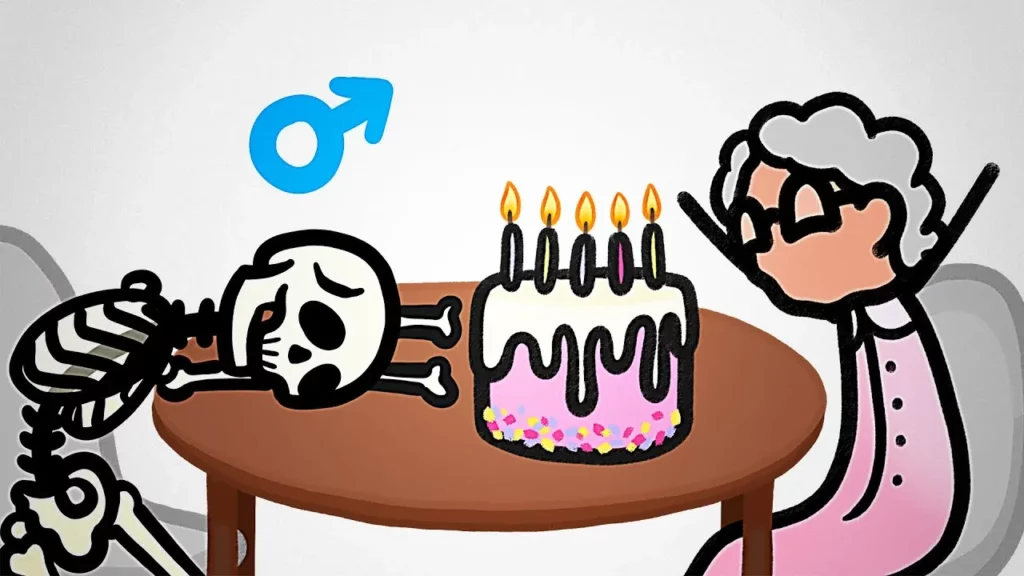
The lesson explores the reasons behind the shorter lifespans of males compared to females, highlighting the role of sex chromosomes in this phenomenon. Males possess one large and one small chromosome, which may contribute to higher mortality rates due to both genetic vulnerabilities and riskier behaviors. The lesson suggests that having more large chromosomes could provide protective benefits, while smaller chromosomes may be more susceptible to harmful mutations, prompting ongoing research into these complex interactions.
Do Other Diseases Have “Long” Versions?
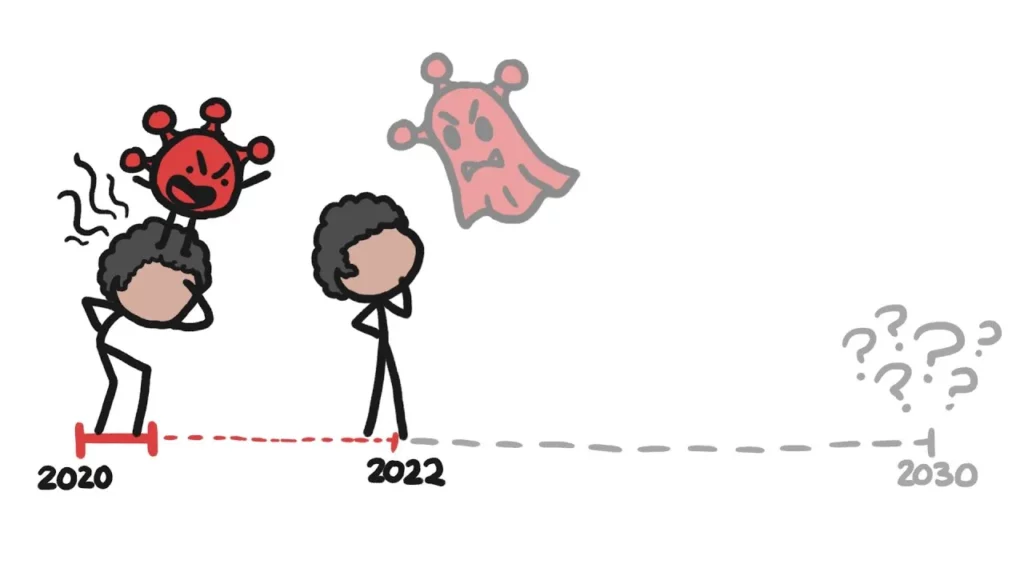
The lesson discusses the phenomenon of “long” versions of diseases, particularly focusing on long COVID, which affects about one in five individuals who recover from COVID-19. It highlights that similar long-term effects can occur with other respiratory illnesses, such as RSV and the flu, due to lingering proteins, immune system adjustments, and tissue scarring. The lesson emphasizes the importance of understanding these processes to develop effective treatments for long COVID, drawing on insights gained from other long-term diseases.
Vampire Life is Hard
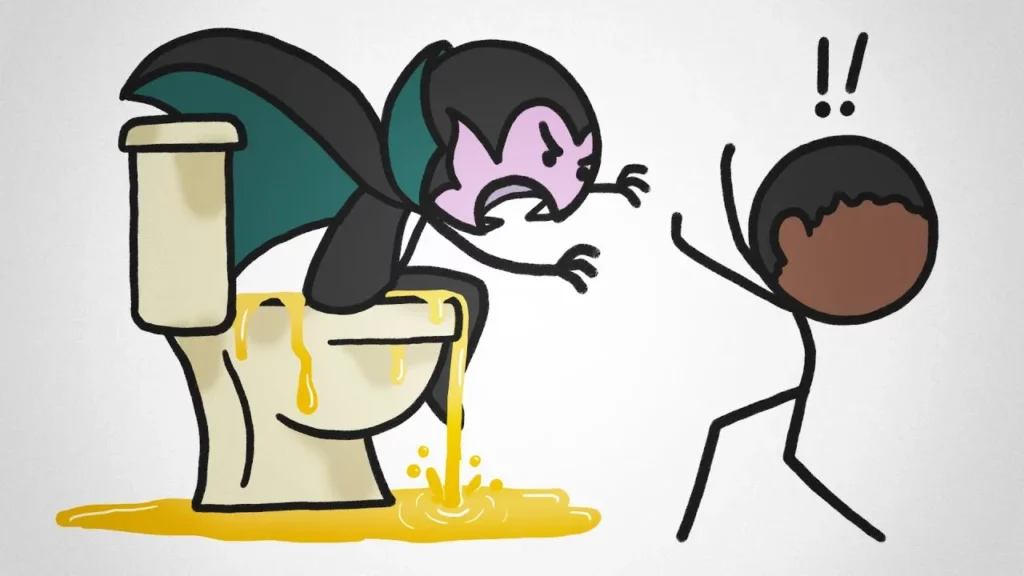
The lesson “Vampire Life is Hard” explores the various challenges that fictional vampires face, highlighting the difficulties of their lifestyle, particularly regarding their diet of blood. It discusses issues such as blood clotting, immune system responses, health risks from blood consumption, and the sheer volume of blood needed for sustenance. By comparing fictional vampires to real-life blood-feeders like mosquitoes and vampire bats, the lesson suggests that vampires could benefit from adapting strategies used by these creatures to navigate their tough existence.