
Our Lungs Have A Fatal Flaw
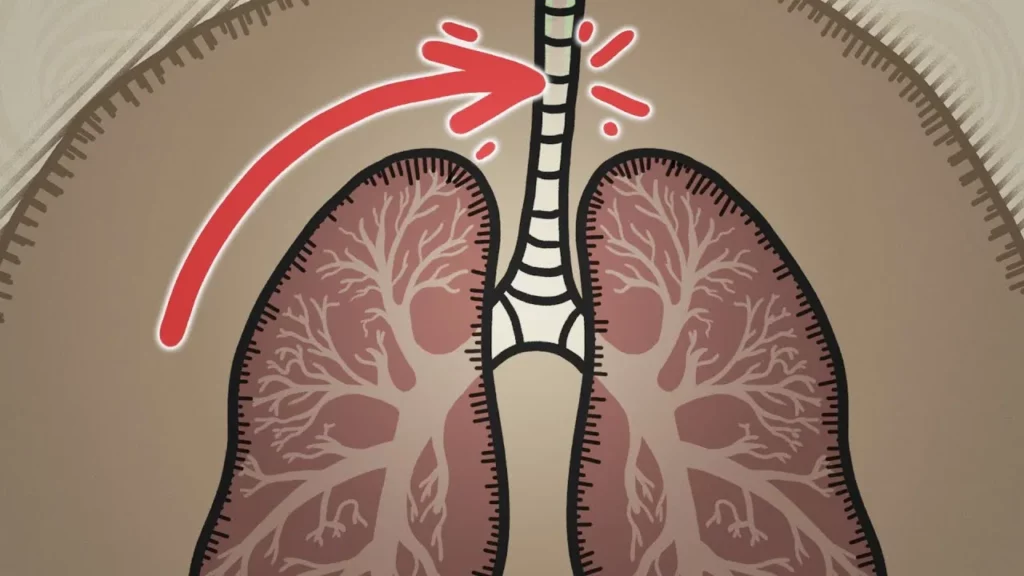
The lesson discusses the inherent flaws in our lungs’ filtering system, which is designed to protect us from harmful airborne particles. It outlines three main barriers—the nose hairs, the nasopharynx, and the bronchial tunnels—that help trap particles, but highlights that modern pollution has introduced smaller particles that can bypass these defenses, leading to serious health risks. To combat these challenges, the lesson emphasizes the importance of monitoring air quality and taking proactive measures to reduce exposure to harmful particles.
Why Continents Are High
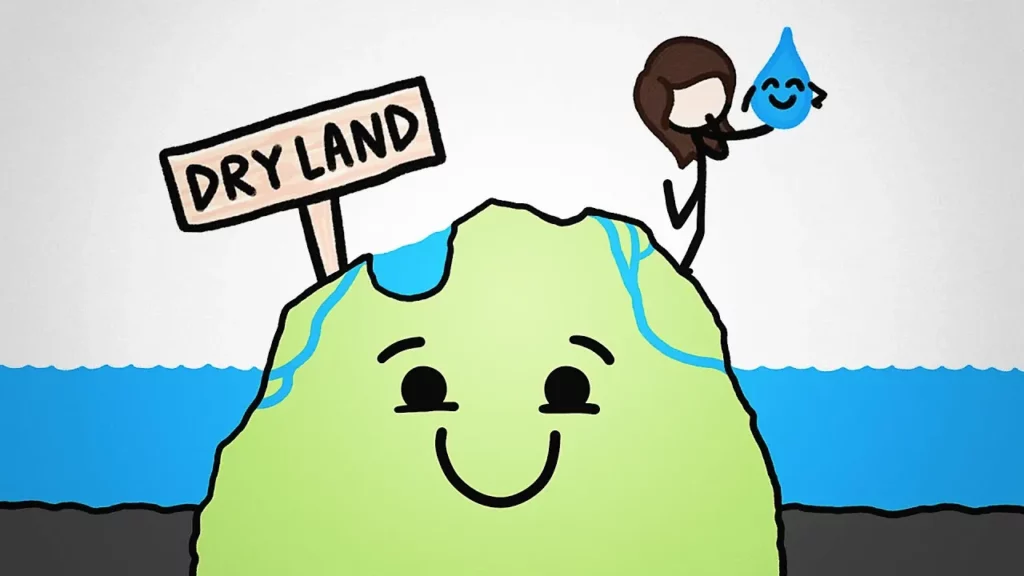
The lesson explains that continents exist primarily due to the presence of granite, a lightweight igneous rock formed from cooled magma, which allows land to rise above sea level without sinking. This granite is created through a process involving ocean water and tectonic plate interactions, where water lowers the melting temperature of surrounding rocks, leading to the formation of buoyant magma that eventually contributes to continental crust. Over millions of years, as tectonic plates shift, lighter granite is added to existing landmasses, illustrating the intricate relationship between oceans and the formation of continents.
How Do Abortion Pills Work?

The lesson explains how abortion pills, primarily misoprostol and mifepristone, work to terminate pregnancies, with pill-based methods now accounting for over half of all abortions in the U.S. Misoprostol induces contractions to expel uterine contents, while mifepristone disrupts the pregnancy hormone that maintains the uterine lining. When used together within the first ten weeks of pregnancy, these medications are over 95% effective, and while they can cause pain and bleeding similar to a miscarriage, they are generally safe when used as directed.
MinuteEarth Explains: Birds
In this lesson, students from a small Alaskan village collaborated with bird scientists to create educational videos about local birds, highlighting their unique adaptations for flight, migration patterns, and the challenges they face. The lesson emphasizes the importance of birds’ physical features, such as wings and feathers, as well as their specialized breathing systems that enable flight and migration. Additionally, it showcases the historical evolution of our understanding of bird migration and the role of citizen science in tracking and studying these remarkable creatures.
What Happens When A Volcano Meets a Glacier?
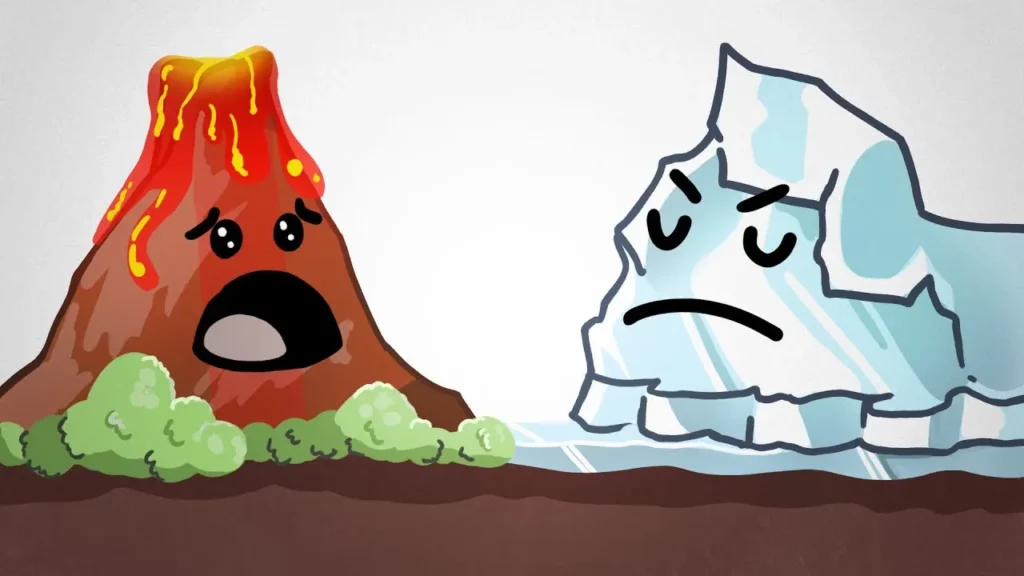
This lesson explores the intriguing interaction between volcanoes and glaciers, highlighting how glaciers can suppress volcanic activity by exerting pressure on the Earth’s mantle, preventing magma from rising. During the last Ice Age, this dynamic led to a significant reduction in eruptions, but as glaciers melted, the release of pressure resulted in a dramatic increase in volcanic activity, particularly noted in regions like Iceland. The lesson emphasizes the ongoing relationship between these natural forces and their impact on Earth’s geological processes.
Why Weather Forecasts Suck
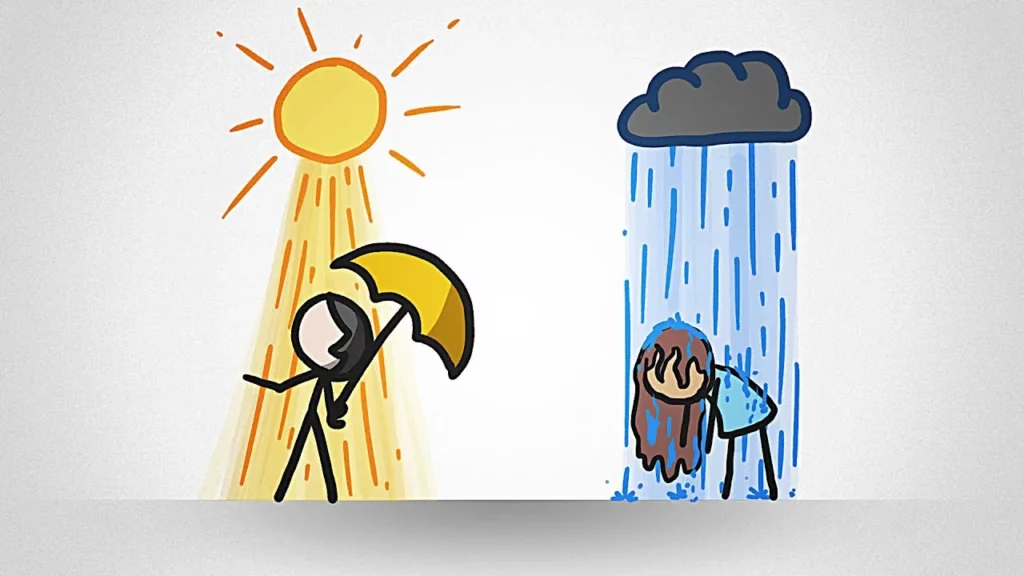
The lesson explains the complexities of weather forecasting, particularly the challenges in predicting rain, which can arise from two main processes: frontal rain and convective rain. While meteorologists can accurately forecast frontal rain due to its large-scale nature, convective rain, which is more localized and influenced by ground heating, poses significant difficulties. To enhance prediction accuracy, researchers like those at DeepMind are leveraging artificial intelligence to analyze radar data and improve short-term weather forecasts.
When 90dB is LOUDER than 120dB
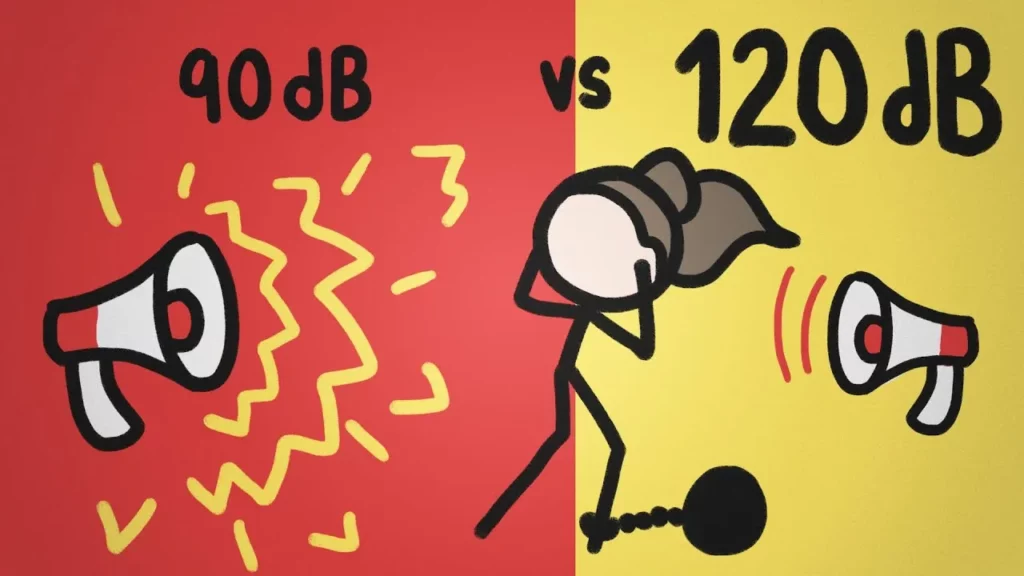
The lesson explains that while decibels measure sound intensity, they do not accurately reflect how loud a sound feels to us, as our perception of loudness is influenced by the frequency of the sound. For instance, a baby’s cry at 90 decibels may feel louder and more distressing than a 120-decibel sound, like a whale’s song, due to our ears’ sensitivity to certain frequencies. Ultimately, decibels provide a useful, though incomplete, understanding of sound loudness in everyday contexts.
We Have No Idea Why
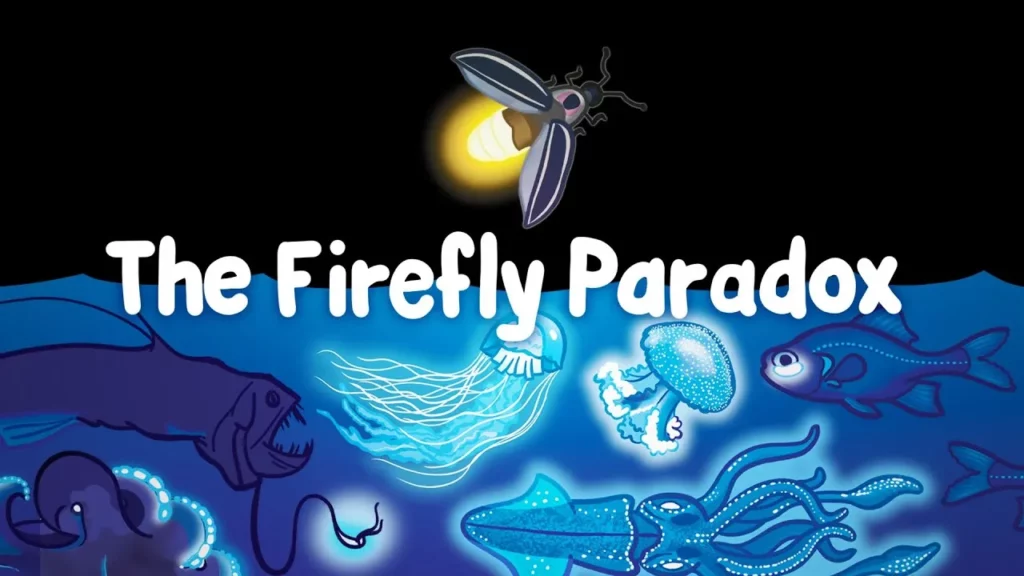
The lesson explores the phenomenon of bioluminescence, highlighting that while many animals can glow, most are found in the ocean, with fireflies being a notable exception on land. It discusses potential reasons for this disparity, including evolutionary timelines, environmental challenges, and the role of salt in seawater, ultimately emphasizing that the reasons behind the prevalence of glowing animals in the ocean remain a mystery.
The Plant You Don’t Have To Water
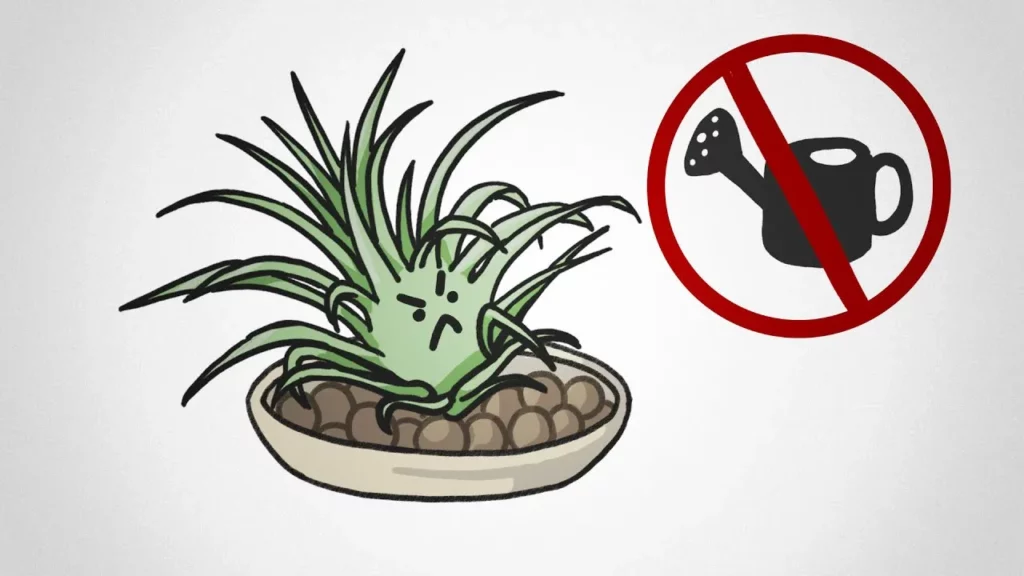
The lesson introduces the concept of epiphytes, particularly a houseplant that thrives without frequent watering by absorbing moisture from the air. These plants, which grow on other plants in their natural habitat, play a vital role in forest ecosystems by capturing rainfall and reducing evaporation, thereby supporting overall forest health and biodiversity. Research from various institutions highlights the importance of understanding plant interactions with their environment to enhance resource conservation and address climate challenges.
The Couch Candy Protocol
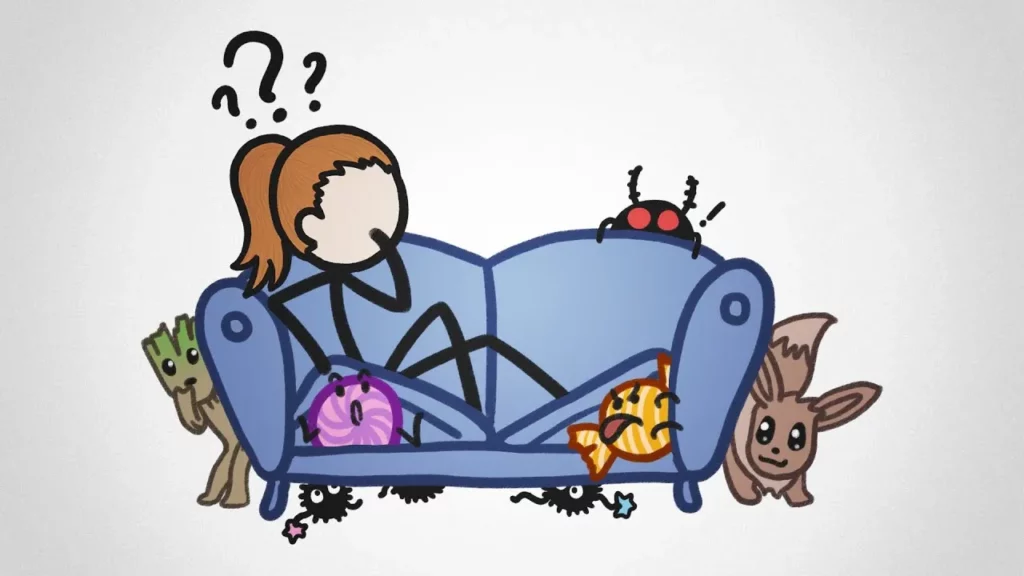
The Couch Candy Protocol illustrates how we can estimate the number of unknown items, such as candies in a couch or undiscovered species on Earth, by analyzing the frequency of types encountered during a search. By observing how many types are found once versus multiple times, we can make educated guesses about what remains hidden. This method has real-world applications, as demonstrated by researchers estimating that around 9,200 tree species may still be undiscovered, highlighting the vast biodiversity yet to be explored.