
Mushroom Wars
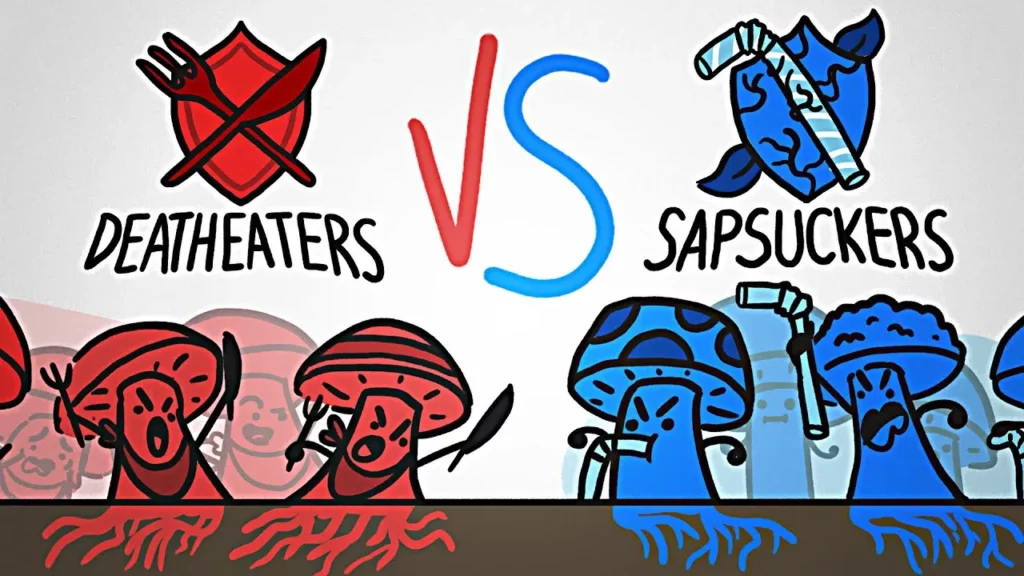
The lesson “Mushroom Wars” explores the competition between decomposer mushrooms and symbiotic mushrooms in forest ecosystems. While decomposers break down dead organic material to obtain nitrogen, symbiotic mushrooms form partnerships with trees to access nutrients, leading to a battle for nitrogen resources. Despite symbiotic mushrooms currently dominating many forests and benefiting tree growth and carbon absorption, human activities may be giving decomposers an advantage, leaving the outcome of this ecological rivalry uncertain.
There’s No Such Thing As “Warm-” Or “Cold-” Blooded
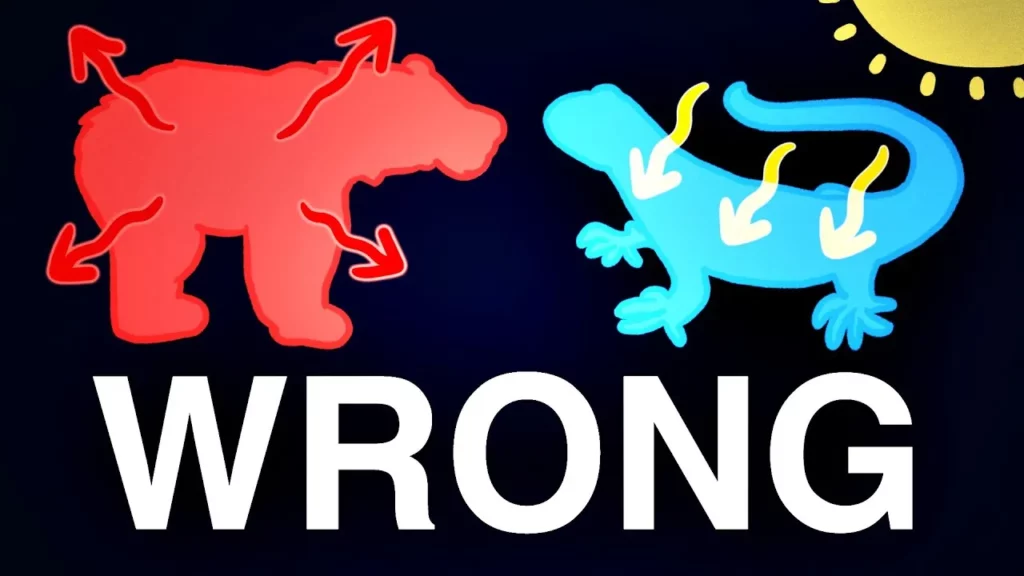
The lesson emphasizes that categorizing animals as simply warm-blooded or cold-blooded is an oversimplification of their temperature regulation mechanisms. It highlights the existence of a spectrum of heat generation, where some animals exhibit traits of both categories, and discusses how factors like environment and behavior influence body temperature stability. Ultimately, understanding animal temperature regulation requires a more nuanced approach that recognizes the diverse adaptations across species.
How We Learned That Water Isn’t An Element
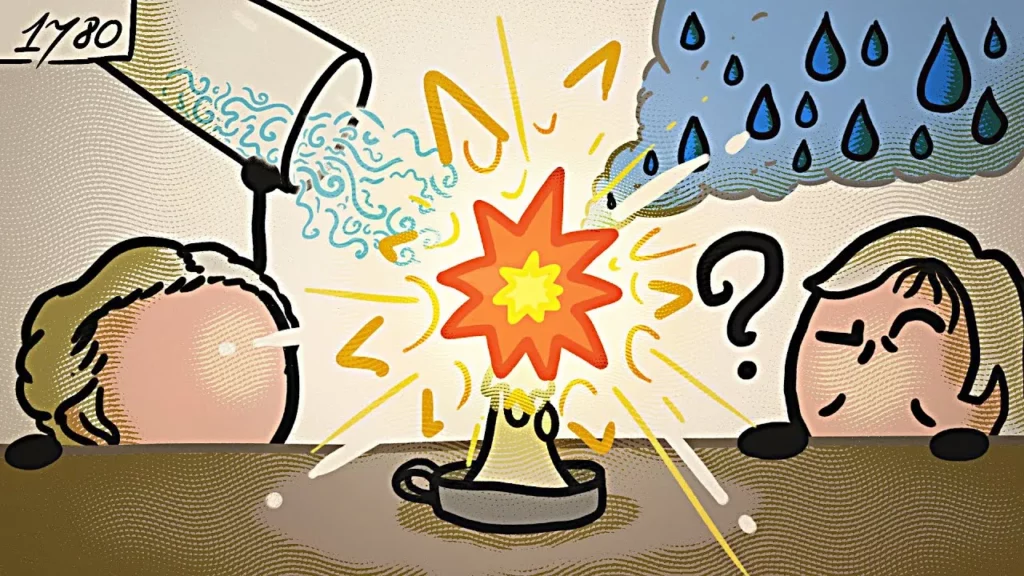
The lesson explains the historical evolution of our understanding of water, which was once thought to be an element but is now known to be composed of hydrogen and oxygen. Through experiments in the late 18th century, chemists demonstrated that water could be produced from simpler substances and later identified its molecular structure as H2O, consisting of two hydrogen atoms and one oxygen atom. This journey highlights the collaborative efforts in early chemistry that led to significant breakthroughs in our understanding of matter.
What if We Replaced Nuclear With Potatoes
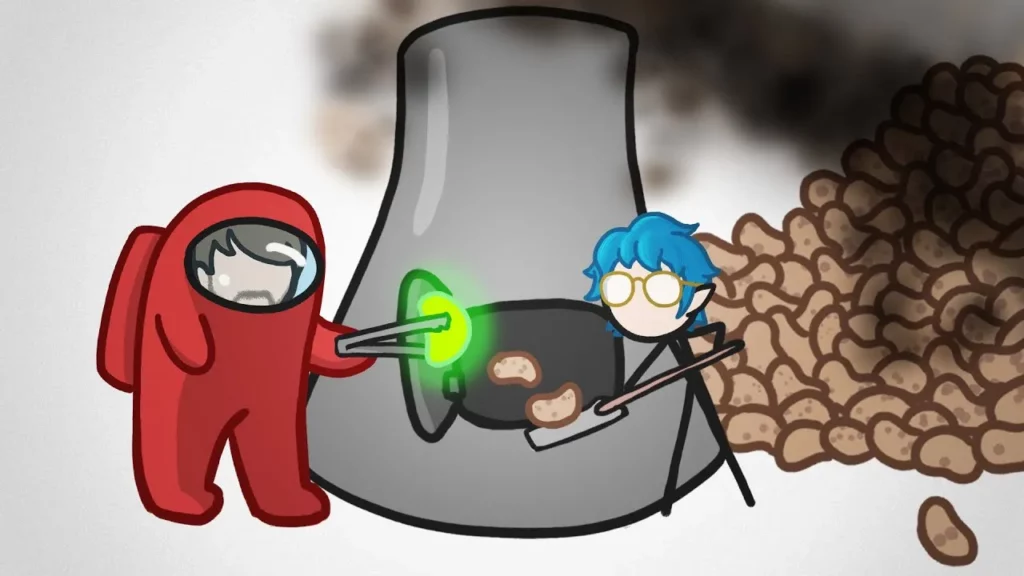
In this lesson, Cameron from MinuteEarth uses the analogy of potatoes to simplify the complex concept of energy consumption. By comparing various energy sources and their efficiency, he illustrates that while fossil fuels dominate global energy use, nuclear energy offers a remarkably high energy yield from a small amount of fuel, highlighting the importance of understanding energy efficiency in our daily lives. The lesson emphasizes the vast scale of energy consumption, using relatable comparisons to make the topic more accessible.
Which Is Worse: Underpopulation Or Overpopulation?
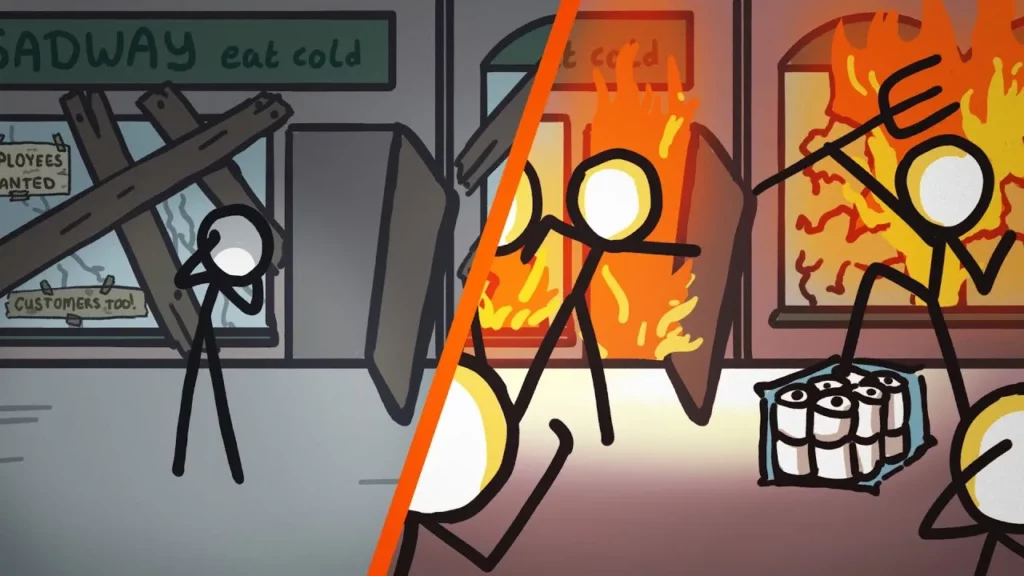
The lesson discusses the historical concerns surrounding overpopulation, highlighting how predictions of a population crisis have not materialized due to improved economic conditions and increased education for women, leading to families having fewer children. While global population growth is slowing, some regions are experiencing underpopulation, raising concerns about potential economic impacts. Ultimately, the lesson emphasizes that we are not facing an imminent population explosion, which is a consensus among many experts.
When Tree Planting Goes Wrong
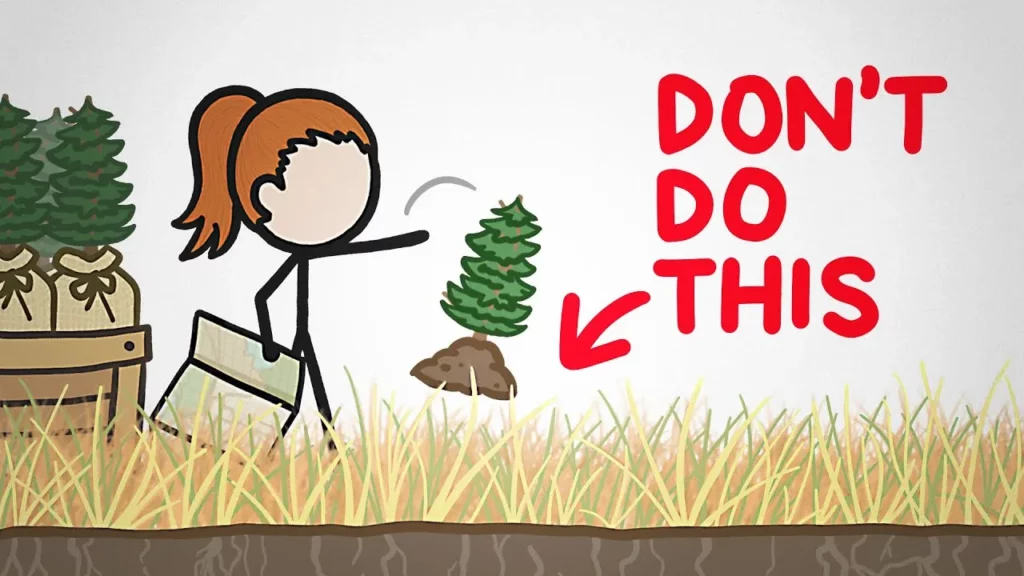
The lesson emphasizes the importance of careful tree planting to effectively combat climate change, highlighting that indiscriminate planting can disrupt existing ecosystems and release stored carbon instead of sequestering it. It advocates for planting diverse forests in previously deforested areas rather than simply filling spaces with fast-growing, non-native trees, as this approach enhances carbon storage and supports overall ecosystem health. Ultimately, the lesson underscores the need to prioritize ecological functionality and biodiversity in tree-planting efforts to achieve sustainable environmental benefits.
Why It’s Impossible To Win a Nuclear War
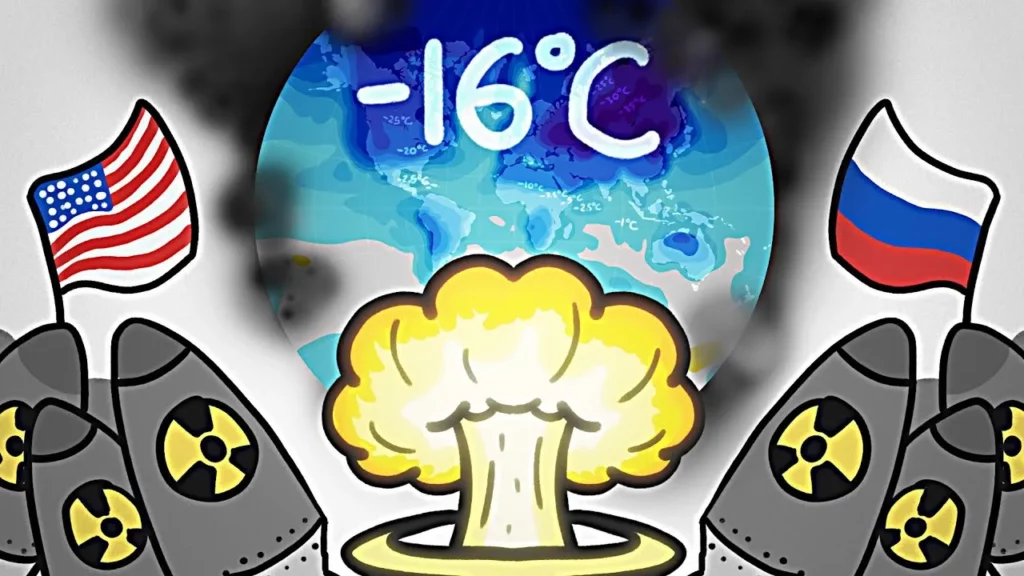
The lesson explains that winning a nuclear war is impossible due to the catastrophic and far-reaching consequences that extend beyond immediate destruction. In addition to the immediate obliteration and radiation effects, the release of black carbon from burning cities could lead to significant climate changes, potentially triggering a mini ice age that threatens global food production and could result in billions of people facing starvation. Ultimately, the devastating aftermath of nuclear conflict underscores the futility of such warfare.
The 3 Reasons This Tree Has Lived 5000 Years
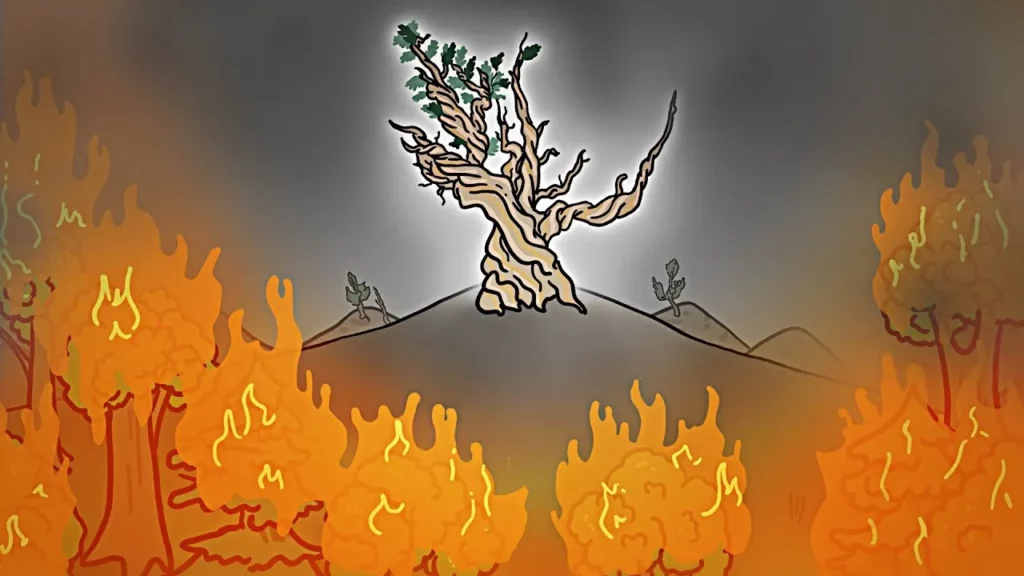
The lesson explores the remarkable longevity of Methuselah, a 5,000-year-old bristlecone pine tree, highlighting three key reasons for its survival: its slow growth leads to dense, strong wood that resists damage; its unique structure allows it to endure harsh environmental conditions; and it faces minimal competition for resources due to the challenging soil in its habitat. Additionally, the lesson draws parallels with other long-lived extremophiles, suggesting that thriving in extreme environments may contribute to longevity.
When Was The Worst Time In History To Die?
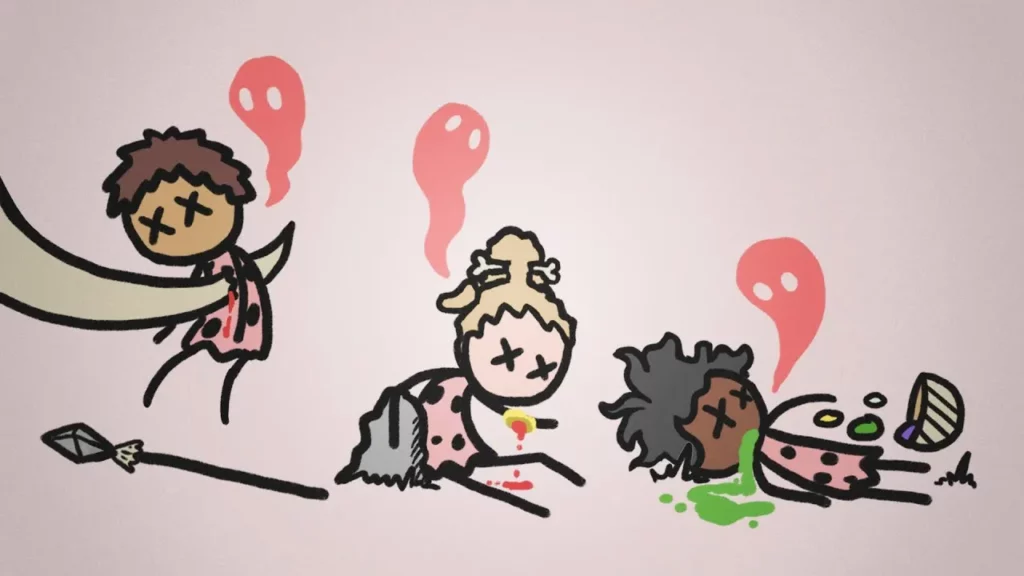
The lesson explores the historical context of mortality, highlighting how the causes of death have evolved from prehistoric times to the modern era. It emphasizes that while early humans faced dangers from injuries, infections, and parasites, significant threats like violence, childbirth complications, and malaria have persisted throughout history, claiming billions of lives. Today, advancements in medicine have shifted common causes of death to chronic diseases, yet the impact of these enduring threats remains significant.
What Is The Best Shape For A Farm?
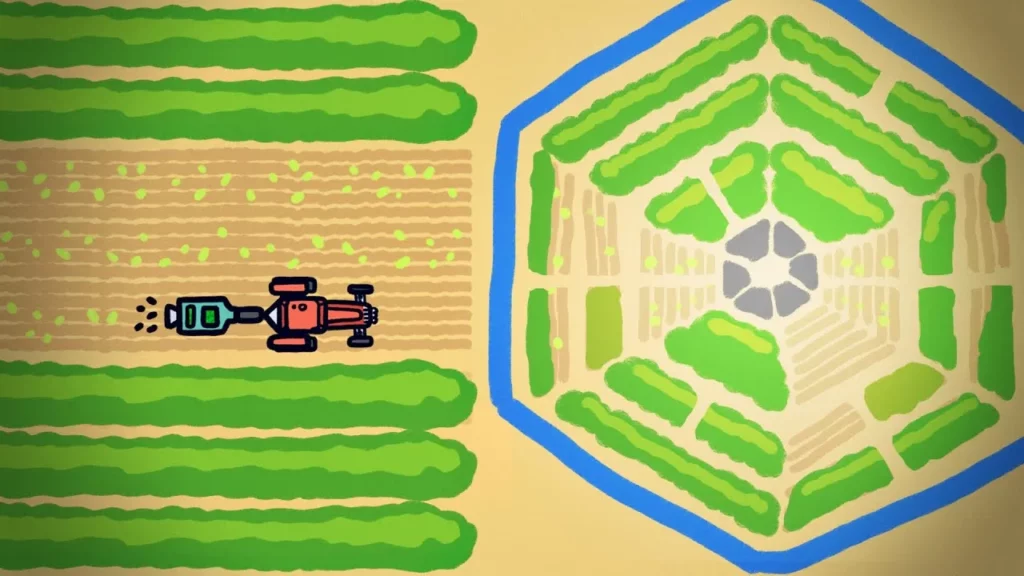
In this lesson, we explored the various shapes of farms around the world and the factors that influence their designs, such as history, geography, water availability, and farming practices. From neat squares in Japan to irregular jigsaw pieces in the UK, each farm shape reflects its unique environmental and cultural context. Observing these shapes can provide insights into the agricultural methods and community structures of different regions.