
Why Do Heart Attacks Cause *Arm* Pain?
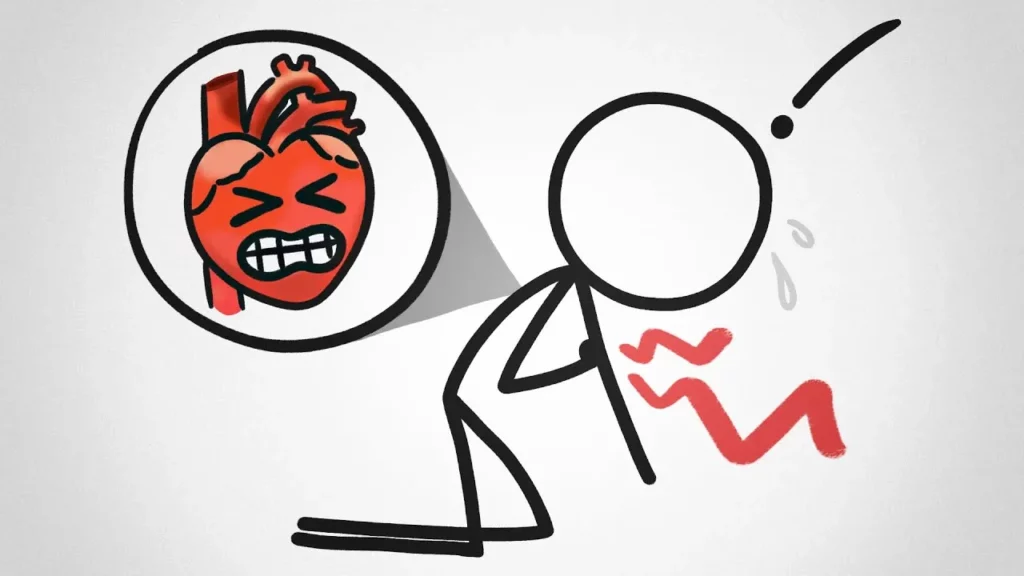
The lesson explains why heart attacks can cause pain in the left arm, a phenomenon known as referred pain. It describes how pain signals from the heart can mix with signals from other body parts, leading the brain to misinterpret the source of the pain. This confusion occurs because the sensory cortex has limited space for internal organ pain, resulting in the brain perceiving heart-related discomfort as coming from the arm.
The Disease You Will Never Survive
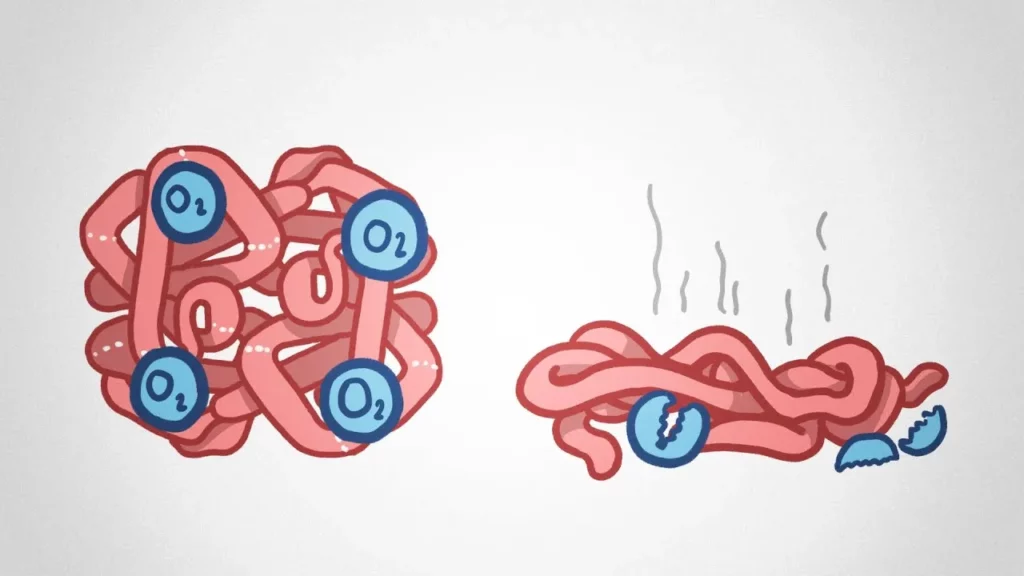
The lesson explores the complexities of prion diseases, which are caused by misfolded proteins that disrupt brain function and have no known cure. It highlights the challenges in detecting these diseases, such as Creutzfeldt-Jakob disease, due to the molecular similarities between prions and normal proteins, and discusses advancements in protein research facilitated by AI technologies like DeepMind’s AlphaFold. While prion diseases are rare, the lesson emphasizes the importance of understanding protein misfolding and its implications for health and science.
You Can’t Actually Die Of Old Age
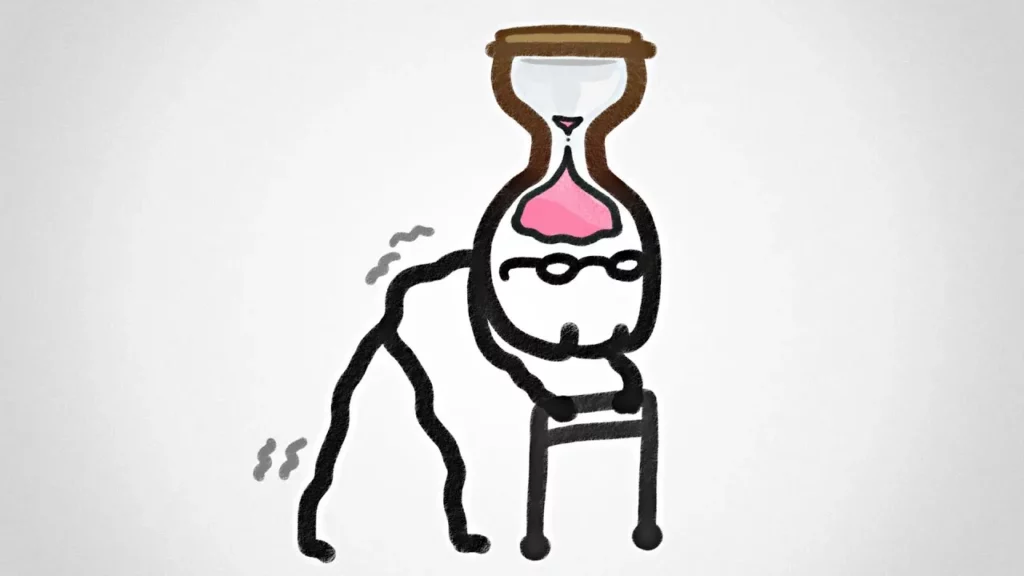
The lesson explains that the phrase “died of old age” is a misnomer, as death is always attributed to specific health conditions rather than aging itself. As people age, their bodies undergo various changes that increase vulnerability to health issues, making it crucial to identify and address these conditions for better health outcomes. Embracing aging as a natural stage of life can lead to improved treatments and a more fulfilling experience for the elderly.
Is Pregnancy A Disease?

The lesson explores the complexities of defining “disease,” highlighting that this classification is not straightforward and can significantly impact treatment, societal perceptions, and funding for research. It outlines the criteria used to classify diseases and discusses the evolving nature of these definitions, using examples like autism, obesity, and pregnancy to illustrate how perspectives can change over time. Ultimately, the lesson emphasizes that “disease” is a human-made concept, making it challenging to categorize various conditions consistently.
How Caffeine Accidentally Took Over The World
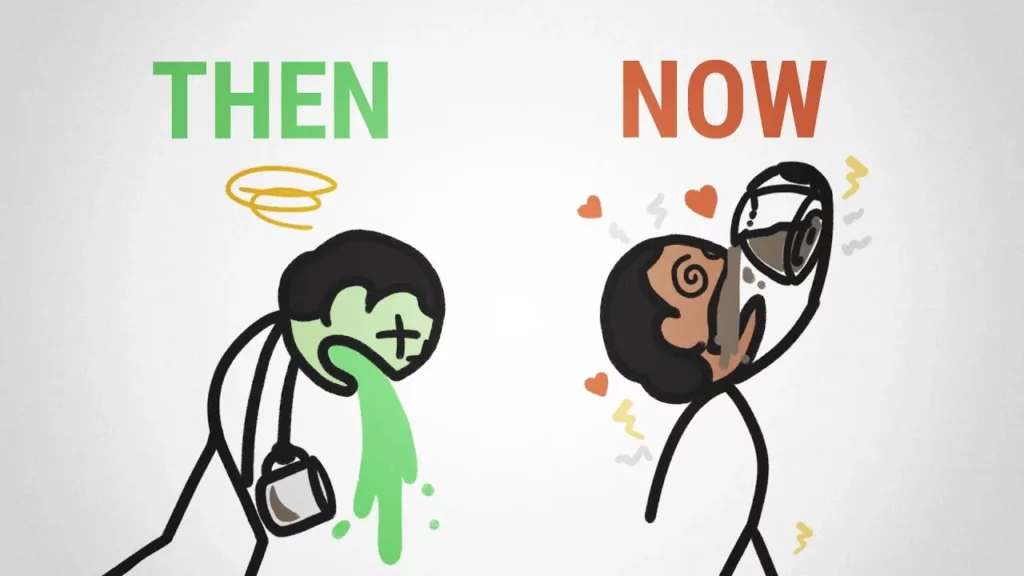
The lesson explores the fascinating journey of caffeine, highlighting its origins from the plant molecule xanthosine and its evolution into a bitter compound that provides various advantages to plants, such as deterring pests and aiding pollination. Caffeine not only acts as a natural pesticide but also enhances the memory of pollinators like bees, ensuring they return to caffeinated flowers, which in turn benefits plant reproduction. Additionally, the lesson discusses caffeine’s significant role in human culture, with billions of people consuming it daily, showcasing its impact on both nature and society.
This Is Not A Bug
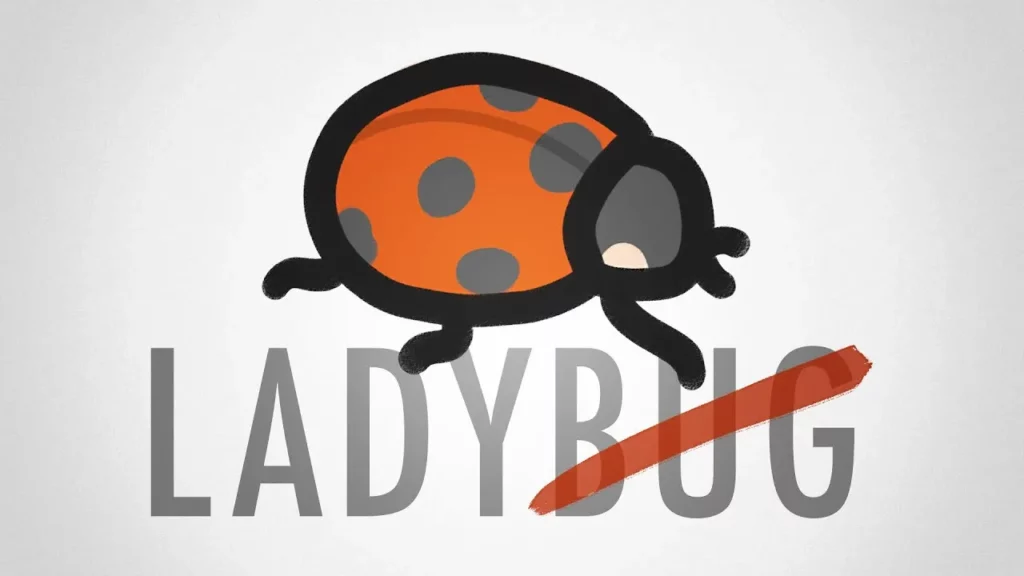
The lesson explains the distinction between the common use of the term “bug” and its scientific definition. While many people refer to various small creatures as bugs, true bugs belong specifically to the Hemiptera group, characterized by their unique straw-shaped mouths. The confusion stems from historical usage and the evolution of the term, leading to a broader application that includes insects like ladybugs, which are actually beetles, and pill bugs, which are not insects at all.
Why We Haven’t Learned More In 101 Years Of Trying
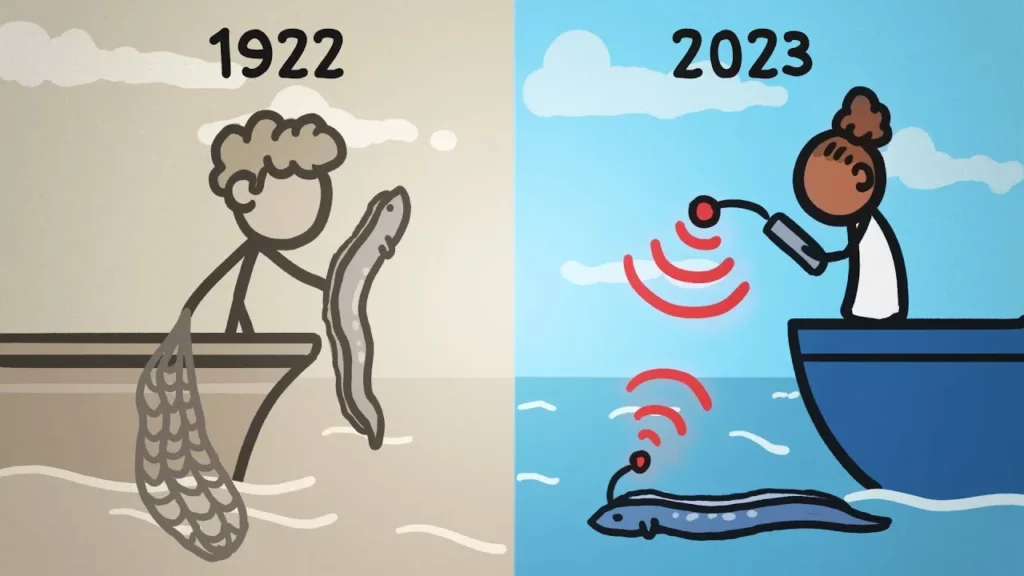
The lesson explores the long-standing mystery of eel reproduction, highlighting the significant contributions of Danish scientist Johannes Schmidt in the early 1900s, who proposed a life cycle involving migration from European rivers to the Sargasso Sea for mating. Despite advancements in research and technology, scientists have yet to find direct evidence of eel eggs, illustrating that scientific understanding often evolves through persistence and creative inquiry rather than immediate proof. This case underscores the importance of curiosity and ongoing investigation in unraveling complex natural phenomena.
Ancient Humans Made Millions Of These – We Don’t Know Why
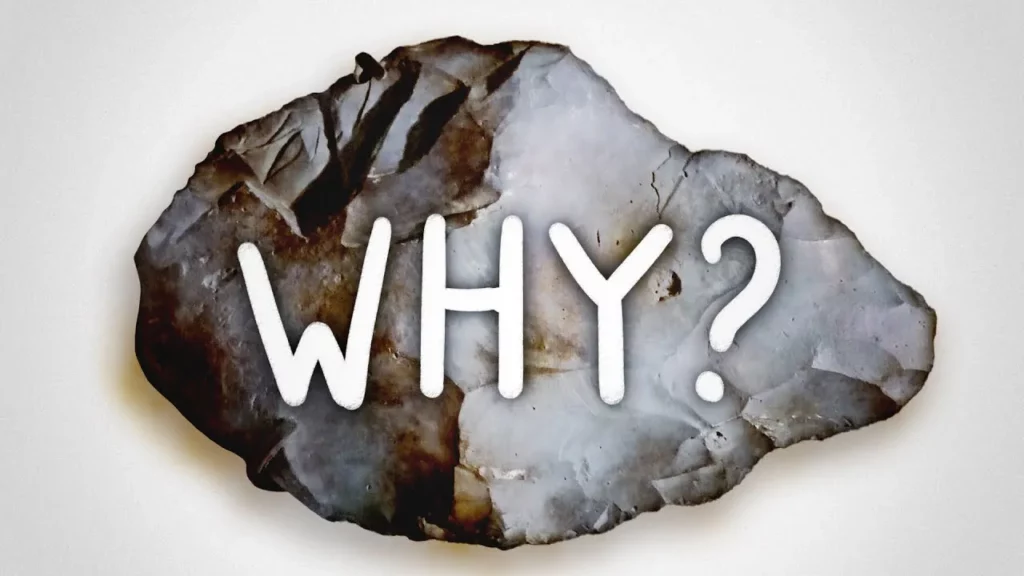
The lesson explores the mystery surrounding a specific ancient tool that was produced by humans for over a million and a half years, yet its exact purpose remains unknown. Archaeologists employ various methods, such as analyzing the tool’s shape, microscopic examination, and recreating potential uses, but findings suggest it may have served multiple functions or even been created for non-utilitarian reasons. Despite extensive research and numerous discoveries, the true significance of this long-utilized tool continues to elude definitive explanation.
Why Most Fossils Are Incomplete
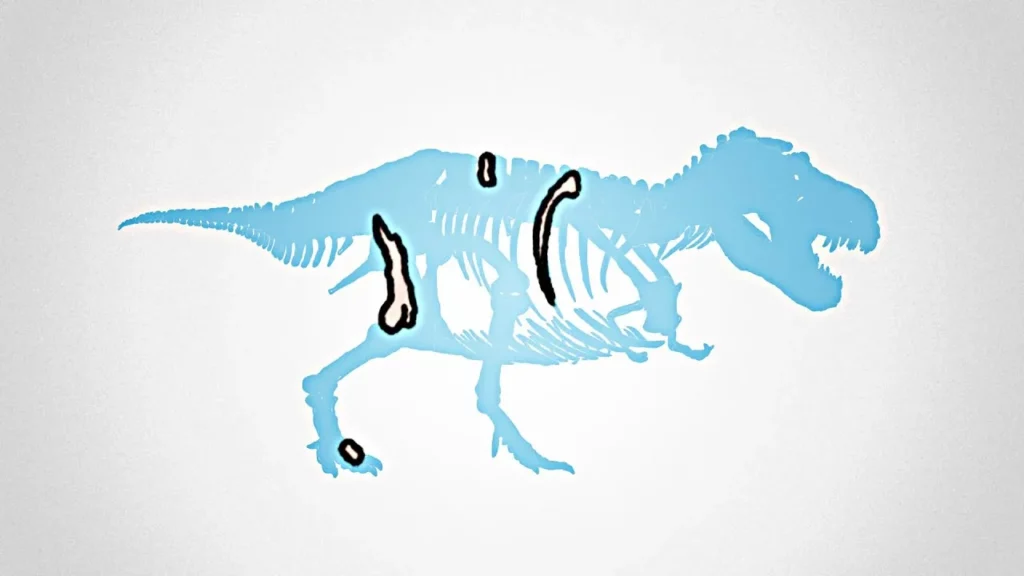
The lesson explains why most dinosaur fossils are incomplete, highlighting the rarity of finding well-preserved skeletons like SUE, a T. rex discovered in South Dakota. Fossilization is a complex process that often results in bones being damaged or scattered before they can become fossils, and even those that do survive face numerous geological challenges over millions of years. While SUE’s discovery is exceptional, it serves as a reminder that studying less complete fossils is essential for understanding the broader context of dinosaur life and death.
How Fish Get Away With Being Colorful
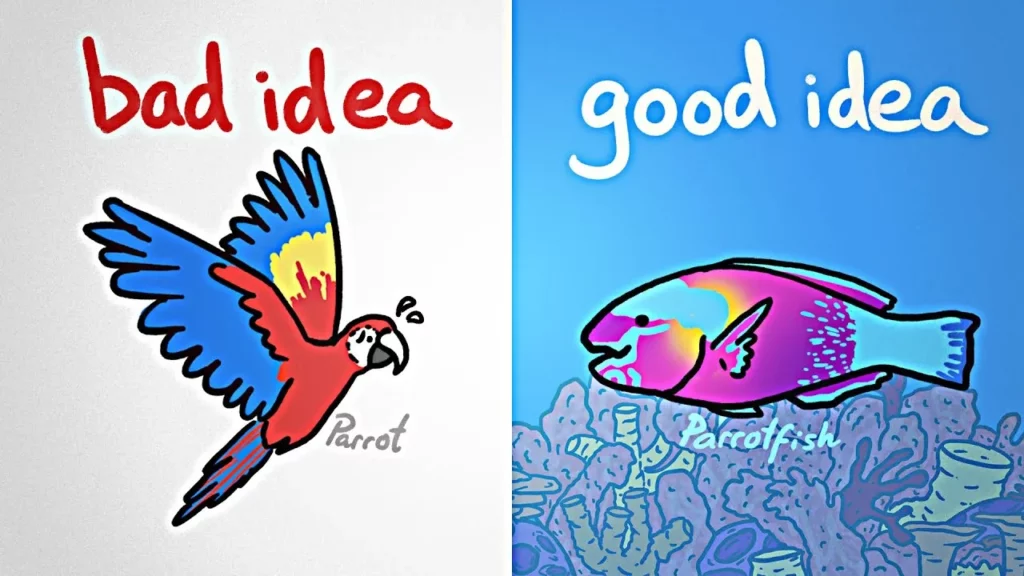
The lesson explains how colorful fish in coral reefs thrive despite the dangers of being brightly colored, as the unique underwater environment allows them to communicate effectively while remaining hidden from predators. Unlike land animals, which must quickly hide their colors to avoid detection, reef fish benefit from the scattering of light in water, enabling their vibrant hues to stand out to each other without attracting predators. However, the decline of coral reefs poses a threat to this delicate balance, as changes in the environment could diminish the effectiveness of their colors and communication.