
These Countries Are Cheating
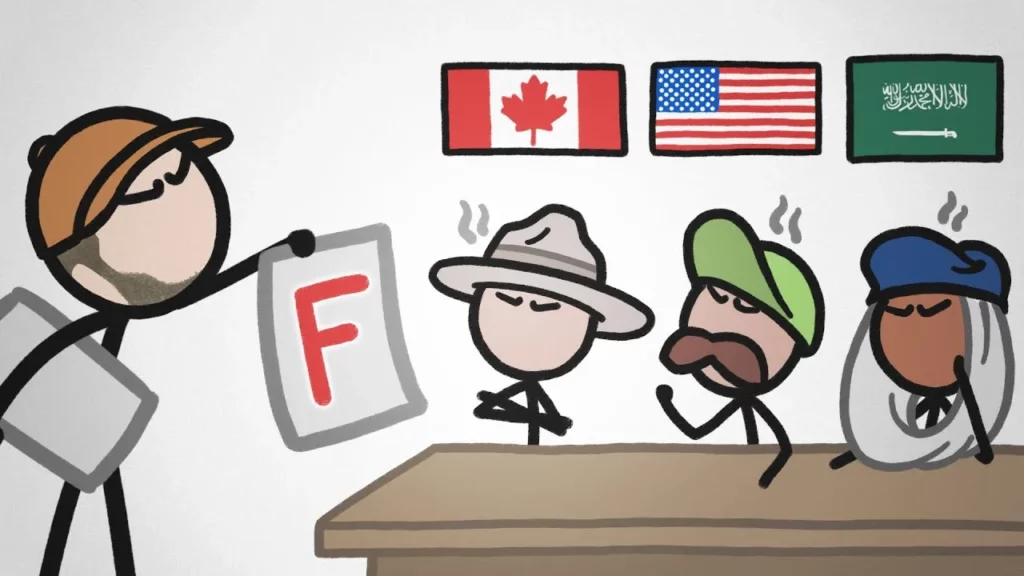
The lesson explores how countries, including Canada, the United States, and Saudi Arabia, are addressing their climate change commitments and the discrepancies in their reported carbon emissions. Despite global agreements to reduce emissions, many nations manipulate data, leading to potentially misleading reports about their progress. The lesson emphasizes the need for transparency and accountability in carbon reporting to accurately assess and achieve climate goals.
Should More Species Be Extinct?
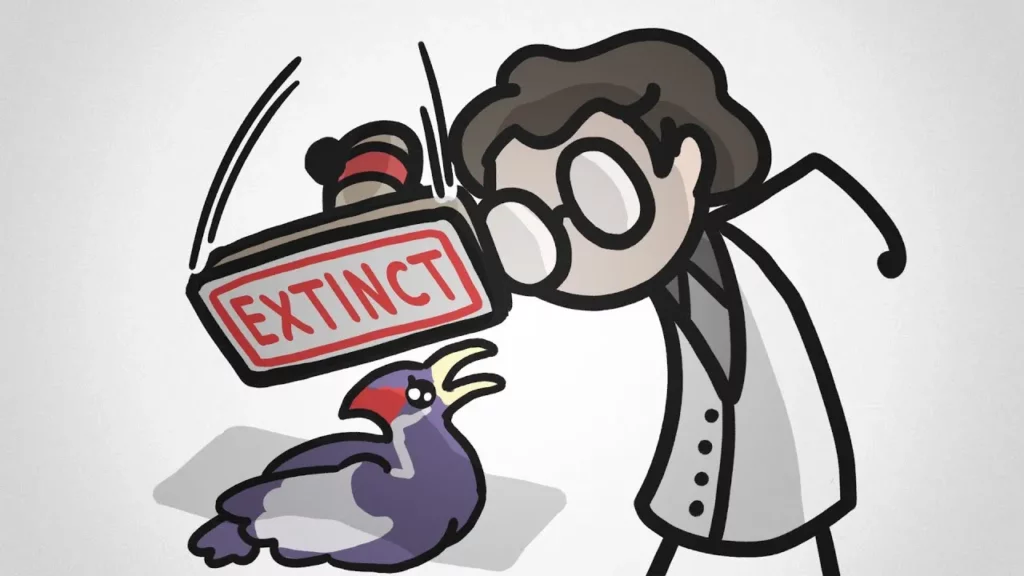
The lesson discusses the complexities surrounding species extinction, highlighting that while only 902 species have been officially declared extinct since 1500, many more may have disappeared without recognition due to the limitations of monitoring efforts. The International Union for Conservation of Nature (IUCN) is cautious in declaring extinction, as many species remain unobserved for decades, and premature labeling could jeopardize conservation efforts. The lesson emphasizes the importance of continued awareness and protection for these potentially extinct or missing species.
Why Are They All In Antarctica?
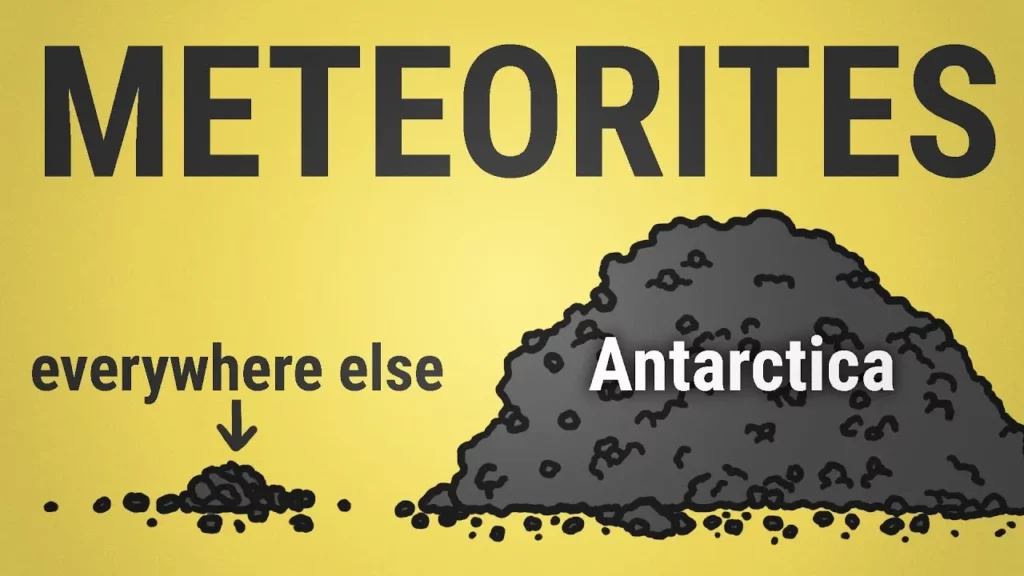
The lesson explores why Antarctica is a prime location for finding meteorites, with two-thirds of all discovered meteorites originating from this icy continent. The unique conditions in Antarctica, such as its status as the largest desert, the movement of glaciers, and the visibility of meteorites against the ice, make it an ideal place for preservation and discovery. Additionally, the lesson highlights the scientific insights gained from these meteorites, which contribute to our understanding of the solar system and the origins of life on Earth.
Why Do People Hate Koalas? (ft. @tibees )

The lesson explores common misconceptions about koalas, addressing myths regarding their intelligence, dietary habits, and unique adaptations. It clarifies that koalas have average-sized brains for marsupials, are selective eaters of eucalyptus leaves, and possess specialized gut bacteria to detoxify these leaves. Ultimately, the lesson highlights the remarkable traits of koalas, encouraging a more positive perspective on these fascinating creatures.
In The Future, Death Will Be Different
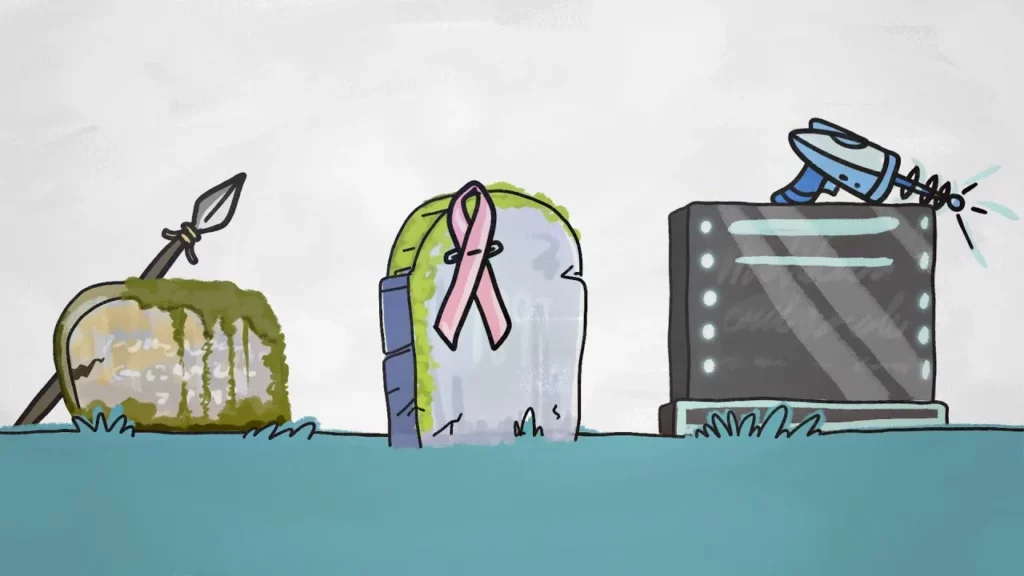
The lesson discusses how the experience of death is evolving due to advancements in medicine and public health, leading to a decline in deaths from infectious diseases and malnutrition. However, new challenges have emerged, such as chronic diseases, environmental threats, and potential global crises, which could alter the causes of death in the future. Despite these challenges, the lesson emphasizes the importance of scientific progress and public health initiatives in finding solutions to emerging threats, suggesting that while the nature of death may change, it will always present new challenges to humanity.
The WEIRD Way Monkeys Got to America
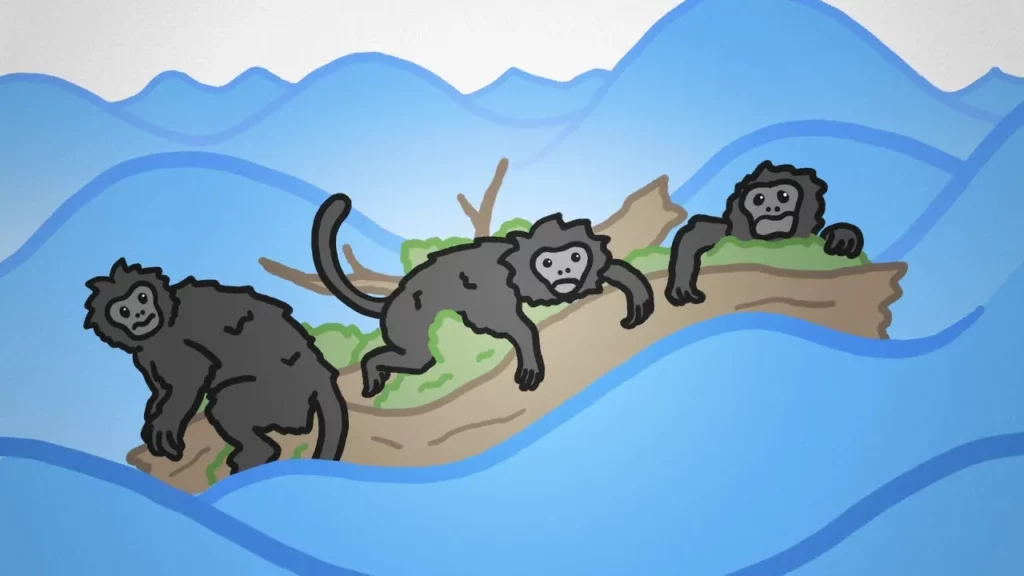
The lesson explains how monkeys in South America are genetically related to those in Africa, and explores the intriguing theory that they arrived in South America by floating on natural rafts made of driftwood and vegetation. Despite the improbable nature of this journey, scientists believe it could have occurred due to favorable ocean currents and environmental conditions over millions of years, allowing for the survival of a small group of monkeys. The concept of natural rafting is further supported by examples of other animals that have made similar journeys across oceans.
Is Bigger Better?
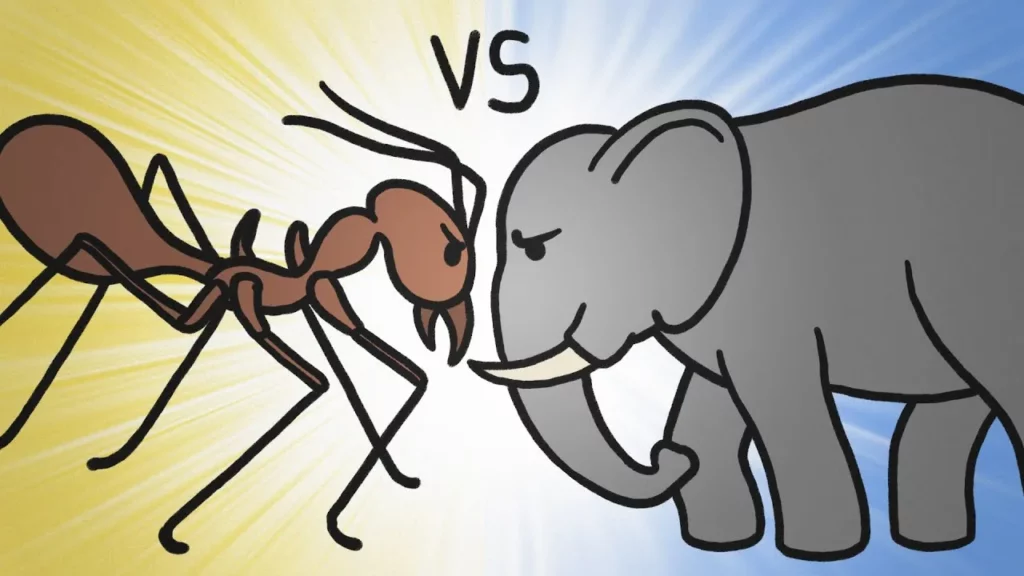
The lesson “Is Bigger Better?” explores the remarkable strength of small creatures, particularly insects like ants, compared to larger animals such as elephants. It explains the concept of scaling, highlighting how smaller size allows for greater strength relative to body weight, primarily due to the advantages of exoskeletons that provide efficient muscle attachment and direct oxygen delivery to muscles. Additionally, it discusses why larger animals cannot have exoskeletons, as their size would hinder effective oxygen absorption and pose risks during molting.
This Chemical Does Nothing, But It’s Still Bad For You
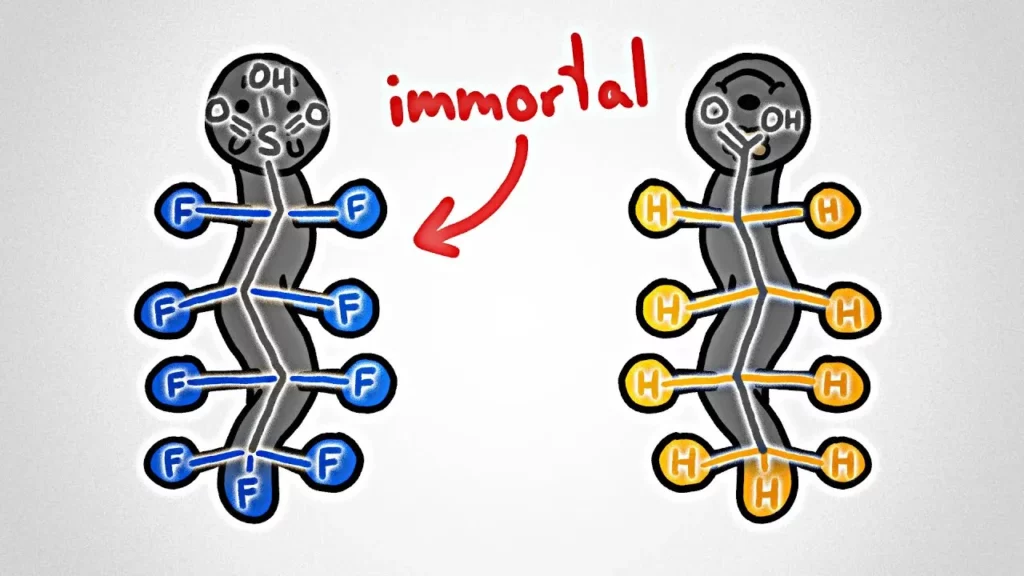
The lesson discusses PFAS (per- and polyfluoroalkyl substances), a group of stable chemicals commonly used in nonstick coatings and stain-resistant products, which have been linked to serious health issues like diabetes and cancer despite their non-reactive nature. The lesson highlights the potential danger of PFAS as they can mimic fatty acids in the body, potentially disrupting essential functions and leading to harmful health effects. It encourages individuals to stay informed about PFAS in household items and consider safer alternatives.
Why Do Weeping Willows Weep?
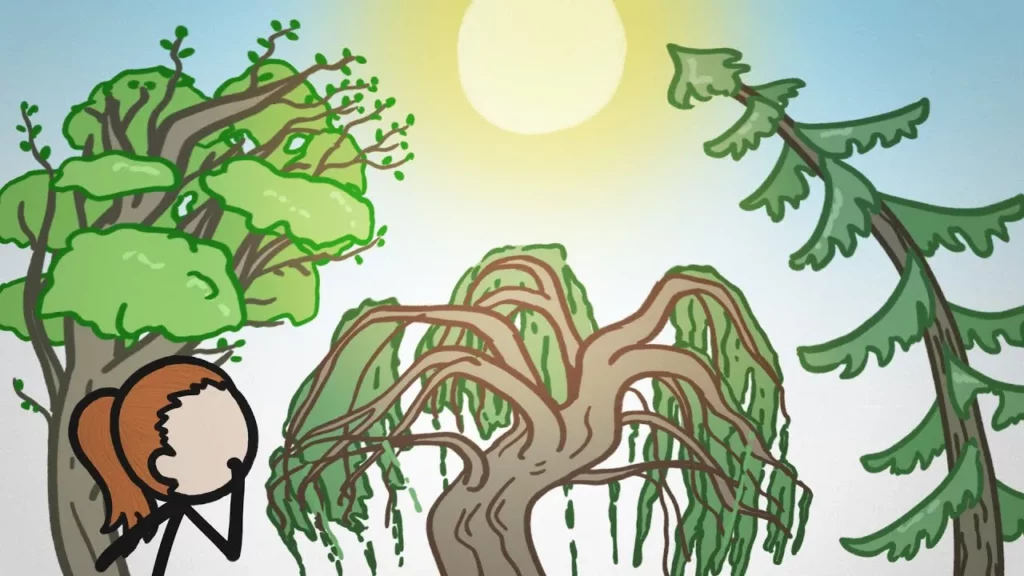
The lesson explores the unique drooping appearance of weeping willows, which is a result of genetic mutations and hormonal influences that affect branch growth. While not all willow species exhibit this trait, weeping trees have gained popularity due to their aesthetic appeal and cultural symbolism, leading to their propagation by humans. Ultimately, the weeping willow’s distinctive look serves as a reminder of resilience and emotion, resonating with people across various cultures.
How eclipses proved that the Earth is slowing down
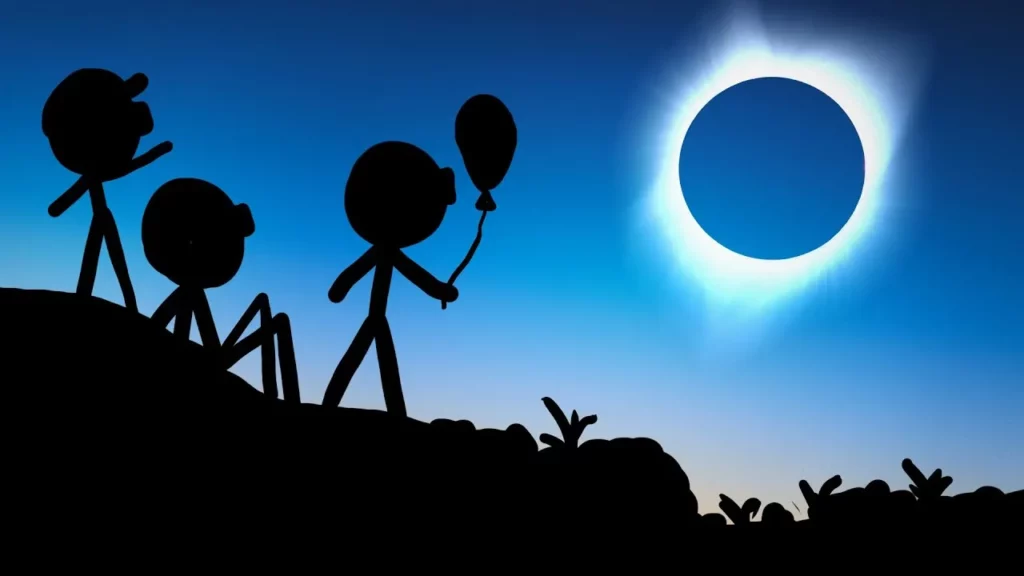
The lesson highlights how solar eclipses have contributed to scientific advancements, particularly in understanding the Earth’s rotation and the effects of the Moon’s gravitational pull, which causes the Earth to slow down over time. Historical records of eclipses have revealed discrepancies that led to this discovery, while eclipses have also confirmed theories like Einstein’s General Relativity and facilitated the discovery of helium. Upcoming eclipses in North America provide opportunities for further exploration and education about these celestial events and their significance in science.