
Apparently tree FINGERPRINTS are a thing

The lesson explains that trees, like humans, have unique “spectral fingerprints” created by the way they reflect light at various wavelengths. These fingerprints, which vary among species due to differences in chemical makeup and structure, enable scientists to identify tree species and assess their health using remote sensing technologies. Understanding these patterns is crucial for conservation efforts, as they allow for efficient monitoring of biodiversity and environmental changes.
Eclipses Used To Be Terrifying

The lesson discusses how eclipses, once a source of fear and mystery for ancient civilizations due to their unpredictable nature, have become well-understood astronomical events today. Early records from Chinese and Babylonian astronomers reveal attempts to explain and predict these phenomena, leading to the discovery of patterns like the saros cycle. Now, with advanced calculations, we can accurately predict eclipses far into the future, fostering excitement and educational opportunities around these celestial events.
Why Did It Take Us So Long?
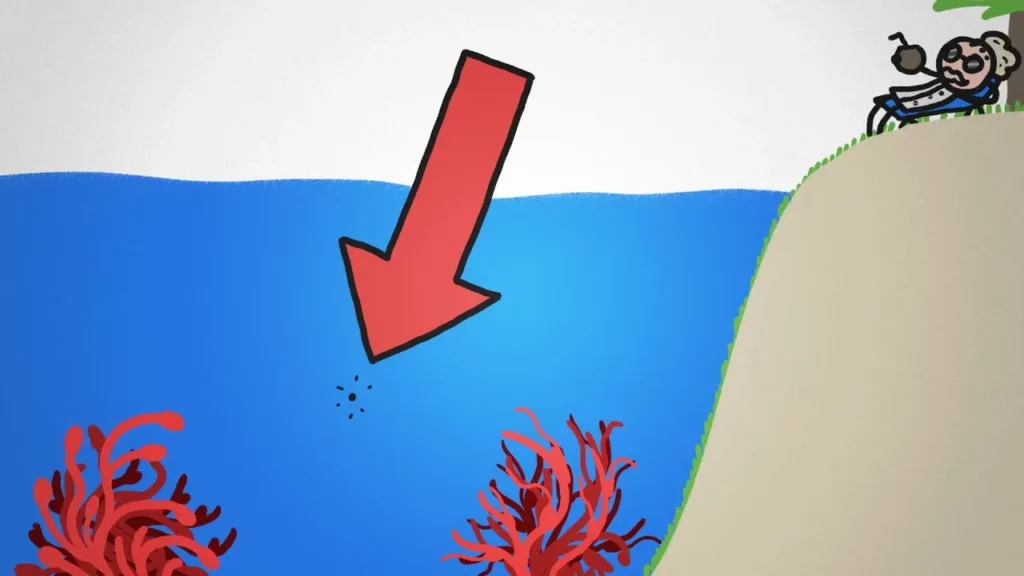
The lesson discusses the surprising discovery of animal pollination occurring underwater, which challenges long-held beliefs about plant reproduction. Researchers found that small aquatic creatures, such as crustaceans and worms, can transport pollen between seagrasses and seaweeds, a phenomenon previously thought to be limited to land. This revelation highlights the importance of remaining open-minded in scientific inquiry, as nature often defies our assumptions.
The Antarctic Ocean is WEIRD
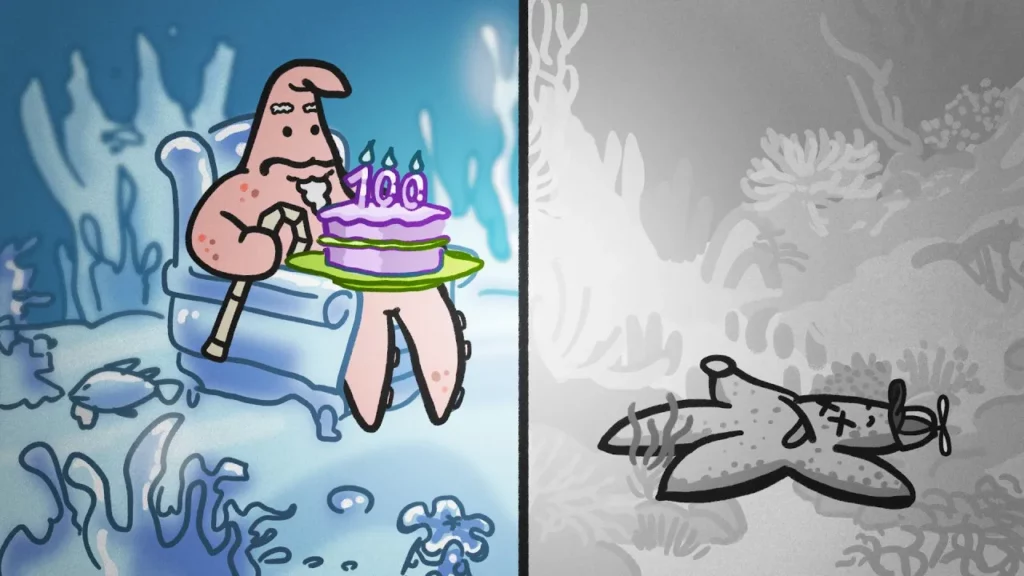
The Southern Ocean is home to a variety of unique and bizarre creatures, such as the Antarctic icefish, which has clear blood and can absorb oxygen through its skin. This ocean’s isolation, due to the Antarctic Circumpolar Current, has led to the evolution of some of the longest-living and largest animals on Earth, including the Antarctic blue whale and ancient sponges. Scientists are studying this extraordinary ecosystem to understand how life thrives in extreme conditions and to gain insights into potential adaptations to climate change.
Why Hurricane Paths Are WEIRD
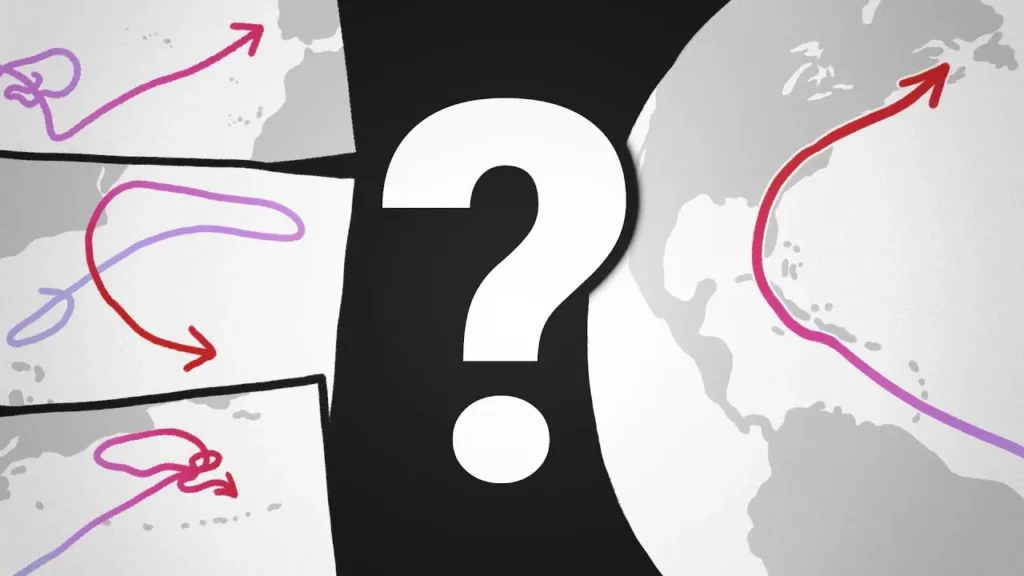
The lesson explores the unpredictable paths of cyclones, using Typhoon Parma’s unusual behavior as a case study. It explains that while cyclones typically move westward and then toward the poles, various factors such as storm strength, interactions with upper-level winds, and the influence of other storms can lead to erratic movements. Ultimately, the complexity of these interactions makes predicting cyclone paths a challenging endeavor, highlighting their “predictably unpredictable” nature.
Why Flushing Isn’t For Everyone
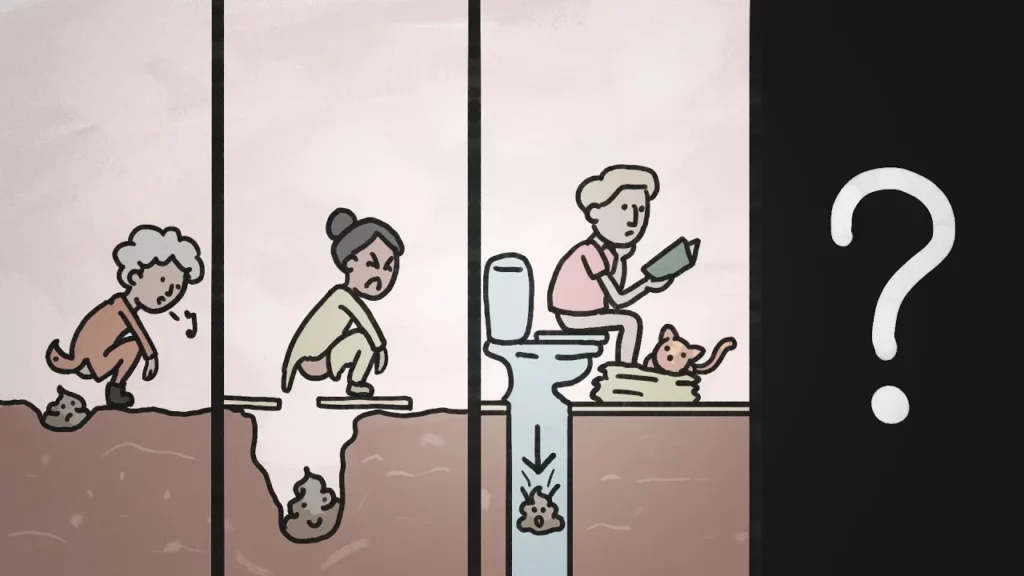
The lesson discusses the complexities of sewer systems, highlighting their benefits in waste management and public health, while also addressing the challenges they pose, such as high costs, water requirements, and vulnerability to extreme weather. It suggests that traditional sewer systems may not be feasible for many regions, particularly those lacking resources or facing environmental constraints, and explores innovative waste management alternatives, like solar and vacuum toilets, that could provide effective solutions without the need for extensive infrastructure. Ultimately, the lesson emphasizes the importance of developing affordable and efficient waste management methods to improve sanitation globally.
The time I was a human incubator

In the lesson “The Time I Was a Human Incubator,” David shares his personal experience with kangaroo care, a practice where premature babies are placed on a parent’s bare chest to promote warmth and bonding. He highlights the numerous benefits of this method, including improved temperature regulation, enhanced immune system development, and emotional connections for both the baby and parent, ultimately leading to higher survival rates for premature infants. David emphasizes the importance of kangaroo care alongside other medical interventions and encourages support for organizations that promote such life-saving practices.
Why Don’t Electric Eels Shock Themselves?
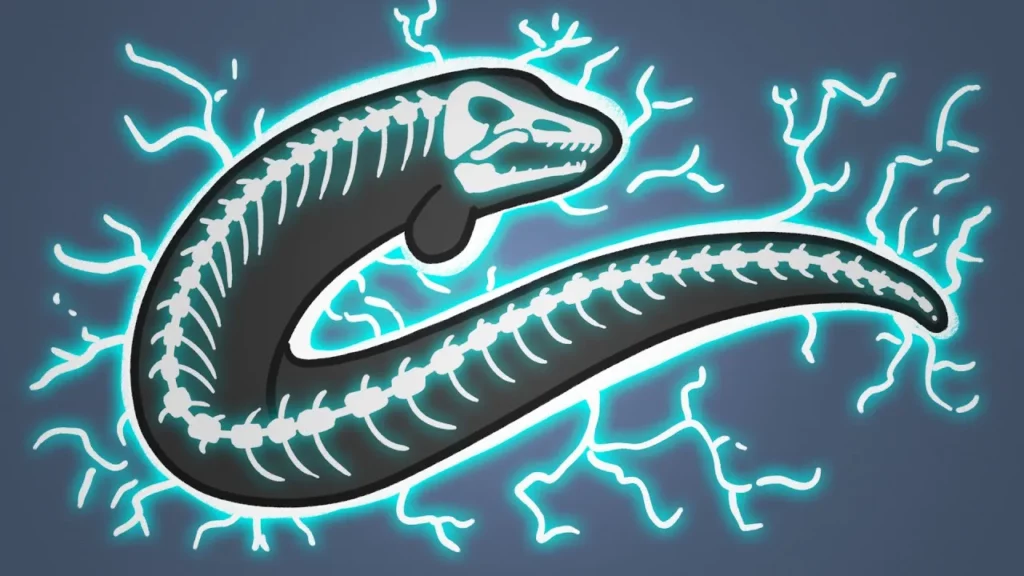
In this lesson, Leo explains the remarkable abilities of electric eels, which can generate shocks of up to 860 volts using specialized cells called electrocytes. He clarifies that electric eels do not shock themselves primarily because their bodies have higher electrical resistance than water, directing most of the current away from them, and their vital organs are protected by insulation. The lesson highlights the fascinating adaptations of electric eels and promotes science communication through Leo’s work in translating educational content.
The Never Ending Lightning Storm
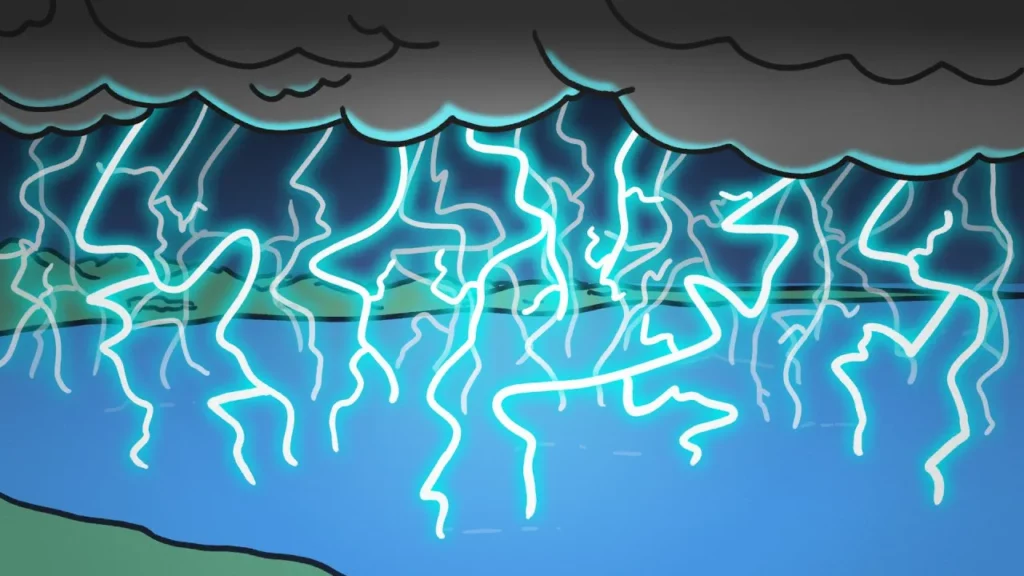
The lesson explores the phenomenon of lightning storms, particularly focusing on the legendary Catatumbo lightning in Venezuela, which has been occurring for over 500 years. It explains the geographical and climatic conditions that contribute to lightning hotspots around the world, highlighting factors such as tropical climates, proximity to water, and the influence of mountains in creating ideal storm conditions. The lesson emphasizes that while many places experience frequent lightning, Lake Maracaibo stands out as the world’s lightning capital, with an astonishing number of strikes per square kilometer each year.
The Crabs Are Coming
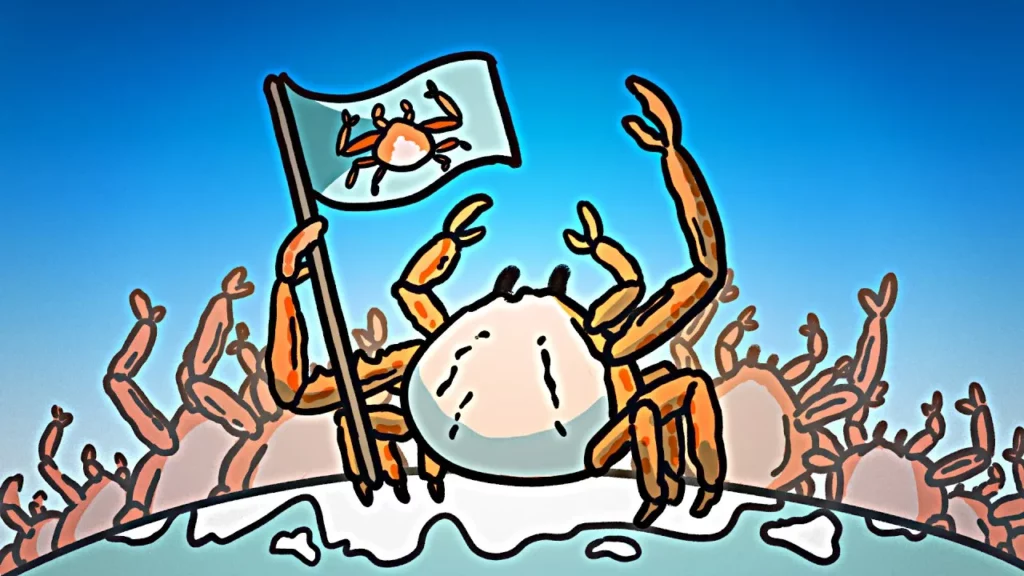
In this lesson, Cameron from MinuteEarth discusses the potential invasion of crabs into the Southern Ocean, a unique ecosystem that has remained crab-free for 16 million years. As rising water temperatures allow crabs, particularly large species like king crabs, to migrate into these waters, the delicate balance of the local marine life may be threatened, despite current conditions keeping them in deeper waters. The lesson highlights the relationship between crabs and magnesium, which has historically limited their presence in colder waters, and emphasizes the importance of monitoring ecological changes in response to climate change.