
Inside The Sunny Center of a Hurricane
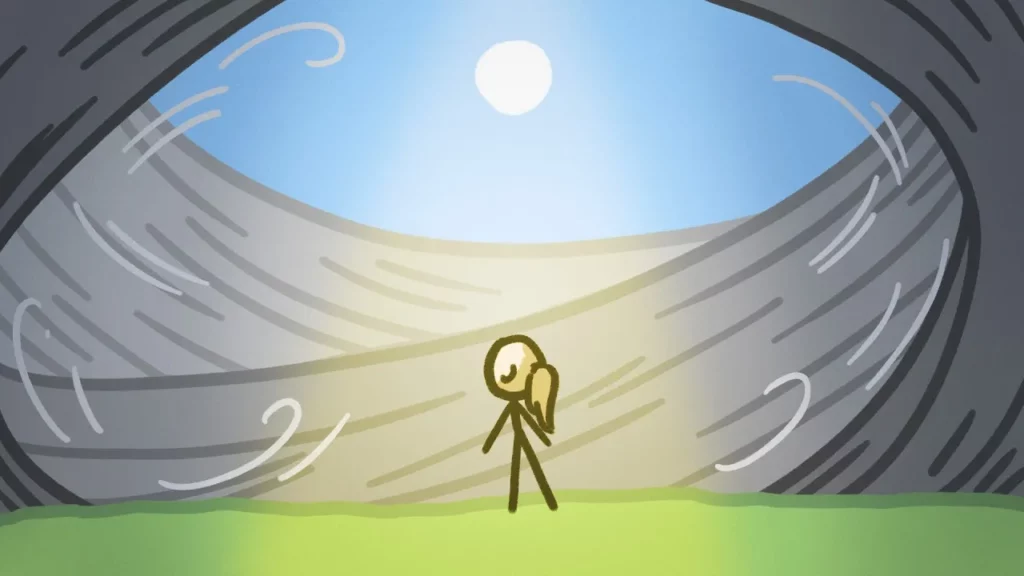
The lesson explains the phenomenon of the “eye” of a hurricane, a calm and sunny area that forms at the center of the storm due to the upward spiraling of air and the subsequent sinking of warm air. While this calm can be visually deceptive, as it may lead people to believe the storm has passed, it is crucial for meteorologists to monitor the eye’s clarity to predict the hurricane’s intensity and potential impact. Additionally, the lesson highlights the innovative research being conducted at Florida International University to better understand hurricanes and improve safety measures.
How Much Gold is in Our Poop?
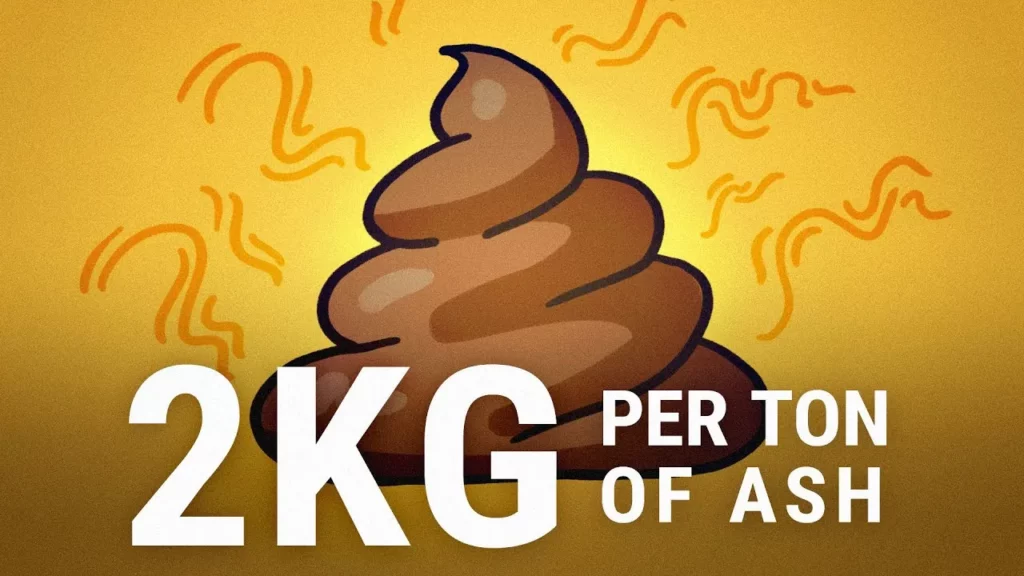
The lesson explores the surprising components of human waste, highlighting that while it contains harmful germs, it also includes valuable resources like bacteria, undigested plant matter, proteins, and fats. By safely managing waste, we can harness these components for beneficial uses, such as generating energy, creating fertilizers, and even extracting valuable metals. This shift in perspective encourages us to view waste not just as something to dispose of, but as a potential resource for various applications.
Perfumers LOVE whale poop!
This lesson highlights the intriguing connection between whales and the perfume industry through the substance known as ambergris, which is formed in the digestive system of sperm whales. Valued for its unique scent and ability to enhance fragrance longevity, ambergris is a rare treasure that can fetch high prices and has been utilized in perfumery for centuries. The lesson emphasizes the fascinating journey of ambergris from the ocean to becoming a key ingredient in luxurious perfumes.
Weird Things Animals Do During Eclipses
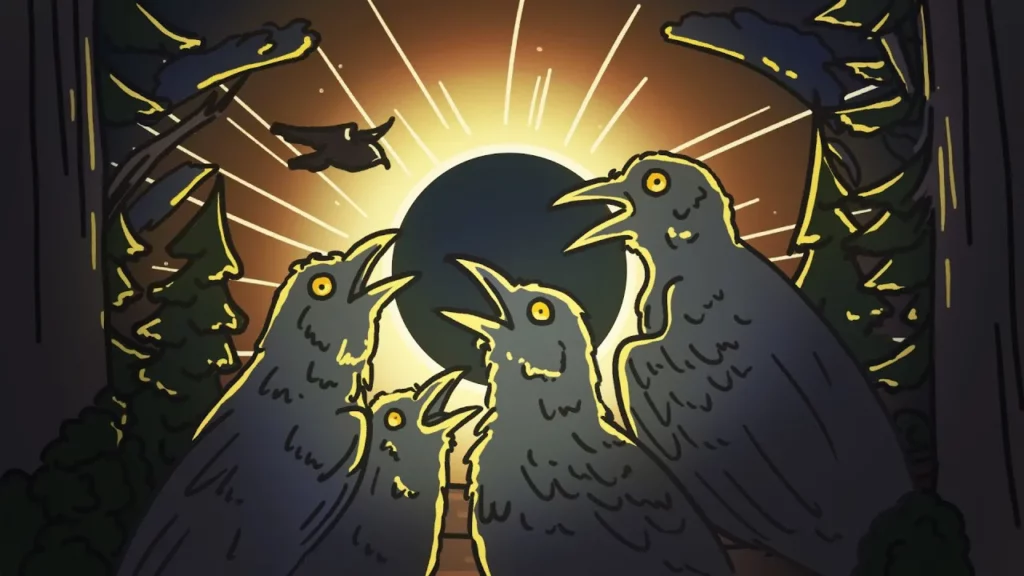
The lesson explores the intriguing behaviors of animals during solar eclipses, highlighting various reactions such as anxiety, nocturnal behaviors, and unexpected actions, as observed during the 2017 eclipse. It discusses the challenges of studying these behaviors due to the rarity of eclipses and the difficulty in interpreting animal responses without controlled experiments. Additionally, the lesson emphasizes that these phenomena may reveal more about human emotions and perceptions during eclipses, while inviting participation in ongoing research to further understand animal reactions.
Why Does Cement Spew So Much CO2?
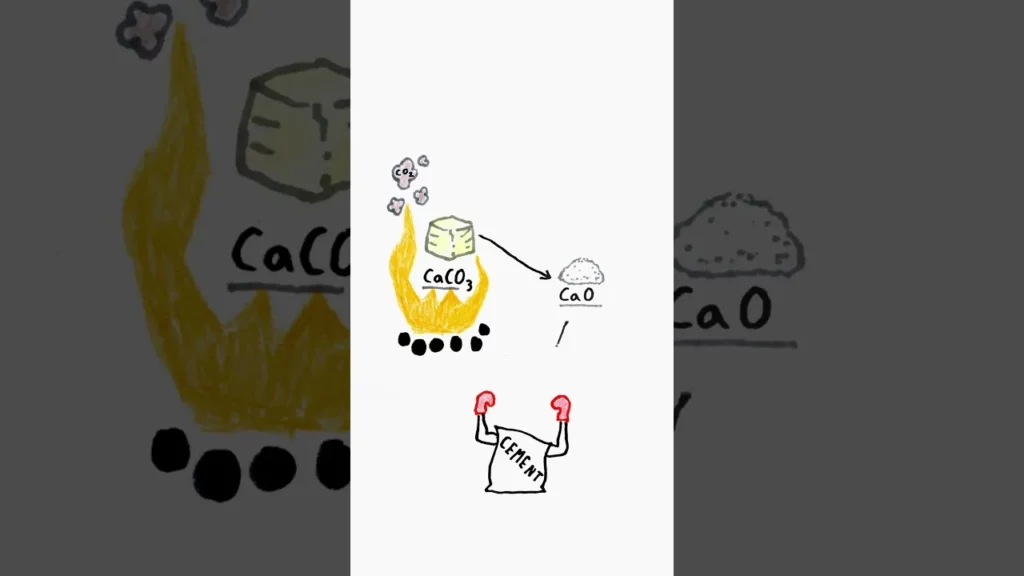
Cement production is responsible for approximately 8% of global CO2 emissions, primarily due to the heating of limestone, which not only requires fossil fuels but also releases CO2 as a byproduct. Efforts are underway to explore alternative materials and technologies that can reduce these emissions, such as using less energy-intensive materials or capturing CO2 before it enters the atmosphere. Individuals can contribute to mitigating cement’s environmental impact by supporting recycled materials in construction and advocating for greener technologies.
Who’s Eating All The Spiders?
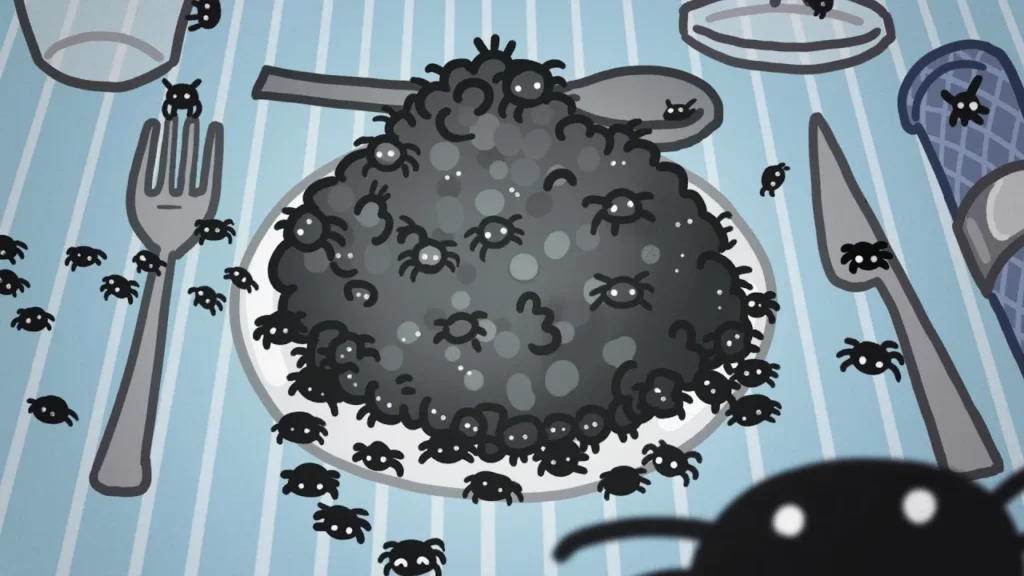
The lesson “Who’s Eating All The Spiders?” explores the concept of averages and how they can be misleading. It uses the myth that people swallow three spiders a year to illustrate how the mean can be skewed by outliers, like the fictional character Spiders Georg, while emphasizing that the median and mode provide a more accurate representation of typical behavior, as most people actually consume zero spiders. The lesson encourages critical thinking about data interpretation and highlights the importance of understanding different statistical measures.
Why Do All YouTube Videos Look Alike?

The lesson explores the concept of convergent evolution, drawing parallels between the physical adaptations of crustaceans and the similarities in YouTube videos. Just as different species independently develop similar traits to survive environmental challenges, YouTubers often adopt similar strategies—such as catchy titles, thumbnails, and optimal video lengths—to attract viewers and appease the platform’s algorithm. Despite these trends, the lesson emphasizes that there are diverse paths to success on YouTube, encouraging creators to focus on unique storytelling rather than merely following popular formats.
Why does the north get more total eclipses?
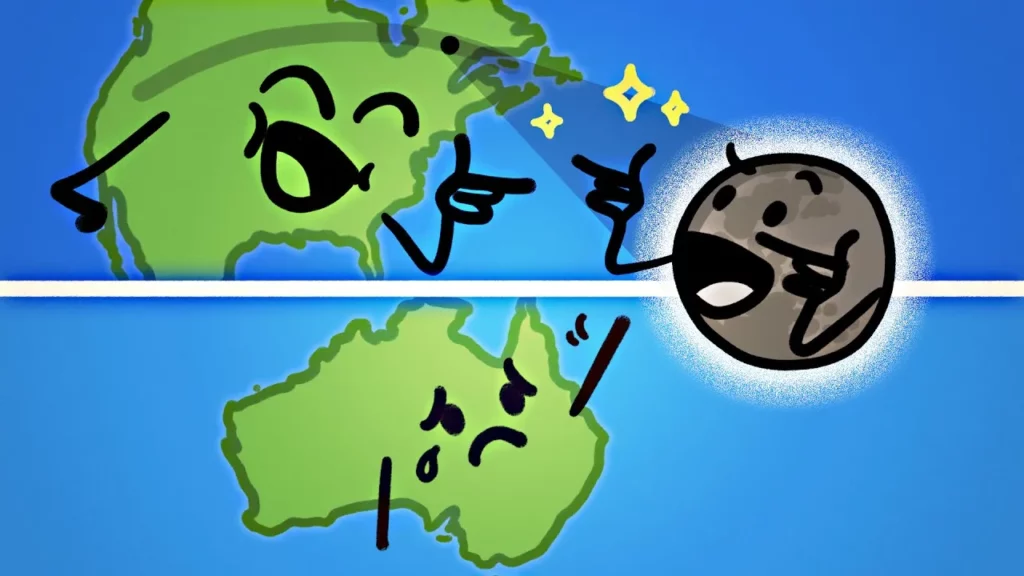
The lesson explains why the Northern Hemisphere experiences more total solar eclipses than the Southern Hemisphere, primarily due to the Earth’s elliptical orbit and the timing of summer in each hemisphere. It highlights that total eclipses are more frequent at higher latitudes in the north, where the Moon’s shadow covers a wider area, and emphasizes the role of luck in witnessing these events. Additionally, it mentions an upcoming total solar eclipse on April 8th, 2024, which will be visible across parts of North America.
It’s A Great Time To Be A Black Bear!
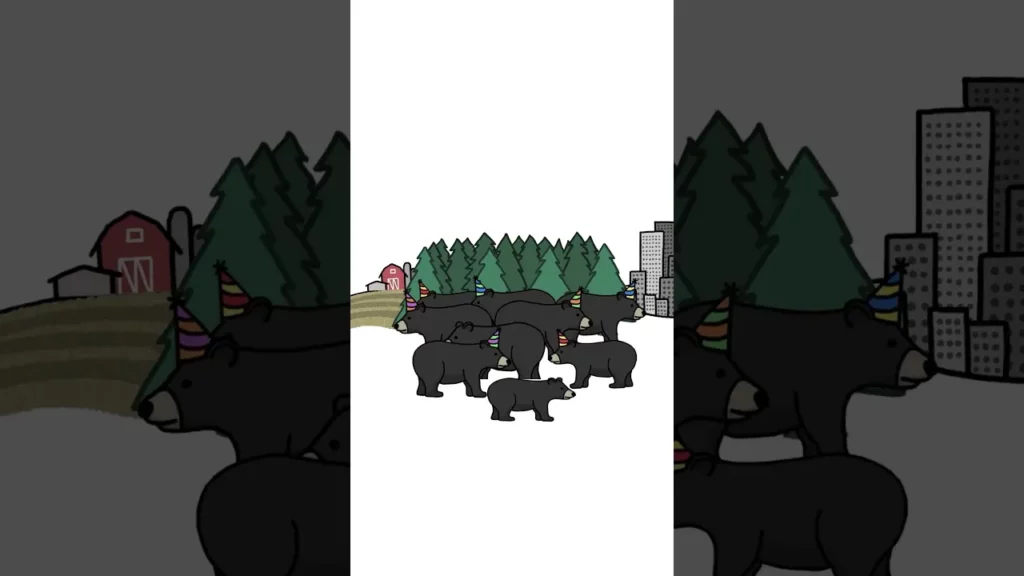
The lesson highlights the positive situation for black bears in North America, attributed to decreased hunting and the regrowth of forests due to urban migration. As a result, the black bear population has significantly increased, thriving in the newly available habitats. The lesson also emphasizes the importance of public perception and environmental changes in the survival of various animal species.
MinuteEarth Explains: Solar Eclipses
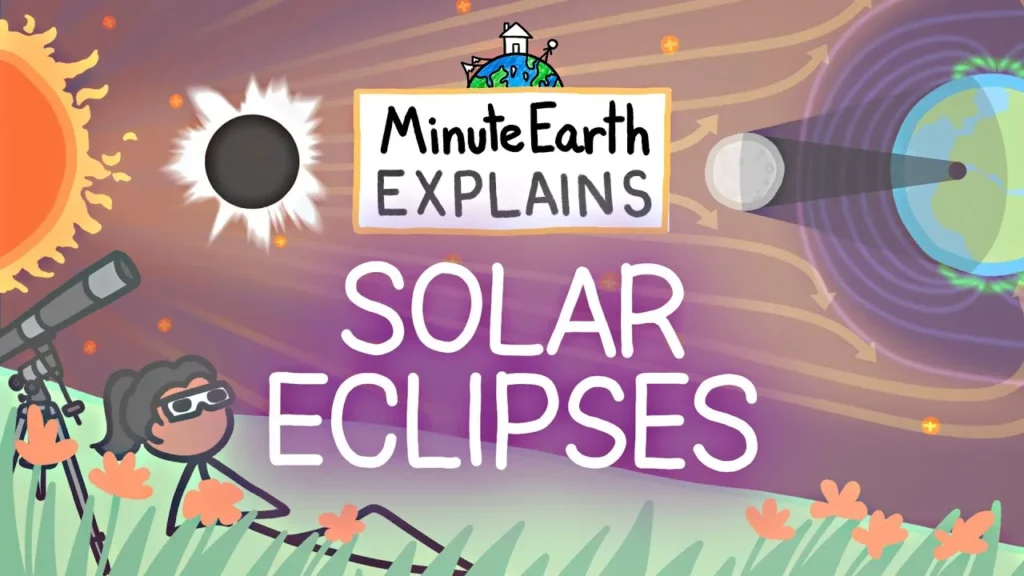
In this lesson from MinuteEarth, Cameron explores the captivating phenomenon of solar eclipses, sharing his personal experience of witnessing a total eclipse and the historical significance of these events across various cultures. He explains the science behind why eclipses don’t occur every month, their impact on scientific discoveries, and the unusual behaviors observed in animals during eclipses. The lesson concludes by highlighting the future of solar eclipses, as the moon’s gradual distancing from Earth will make total eclipses increasingly rare.