
Eclipse pun battle ????????

The lesson on eclipses combines fascinating facts about these celestial events with humor, making learning enjoyable. It explains the mechanics of solar eclipses, highlights their special nature due to the alignment of the sun, moon, and Earth, and encourages creativity through eclipse-themed puns. Emphasizing safety, the lesson also reminds participants to use special glasses while enjoying the spectacle.
Would you eat this Poop-Brownie?
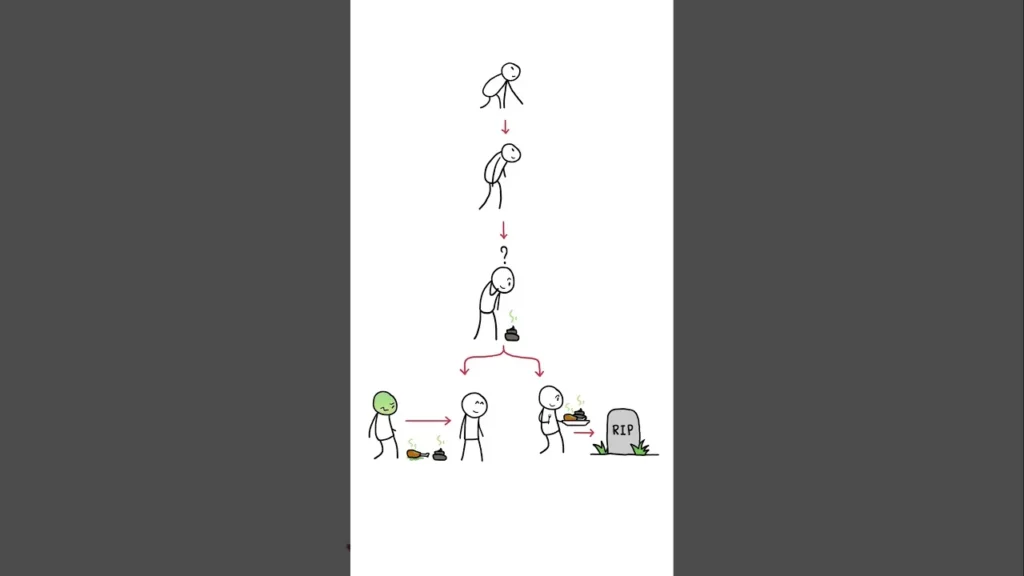
The lesson explores the concept of disgust and its evolutionary role in keeping us safe from harmful substances, using the example of a brownie designed to look unappetizing. It highlights how our brains still react strongly to unpleasant appearances, even when food is safe, and encourages overcoming these feelings by learning about the science behind food. By understanding what we eat, we can challenge our instincts and potentially enjoy new and interesting culinary experiences.
Why Don’t We Eat Carnivores?
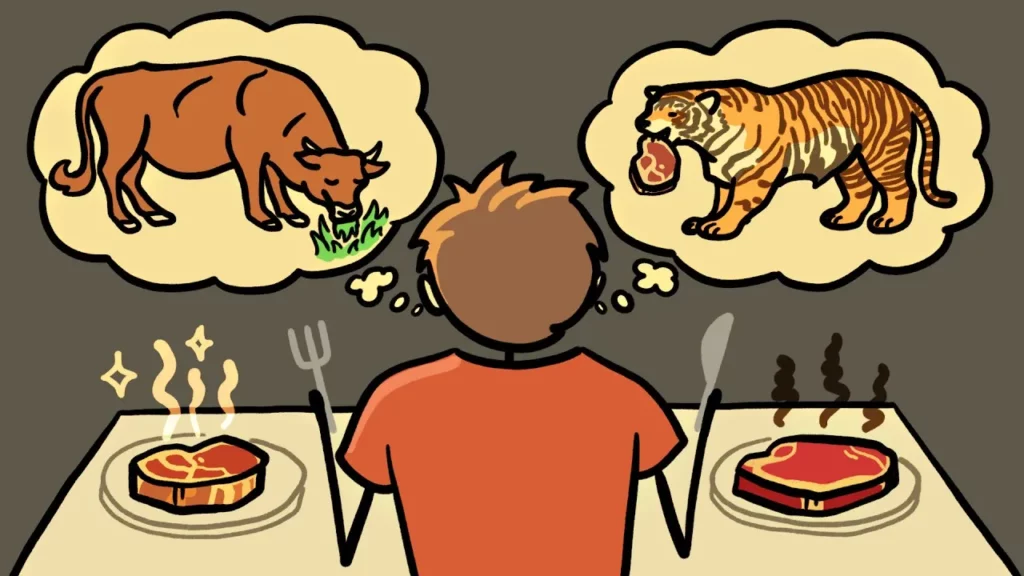
The lesson explores the reasons why carnivorous animals are not commonly consumed in human diets, highlighting factors such as safety concerns related to harmful substances, taste and texture differences, and the efficiency of food production. Additionally, cultural and religious practices play a significant role in dietary choices, with some religions prohibiting the consumption of predators. Overall, the lesson emphasizes the complexity behind our food preferences and the various influences that shape them.
Why is the number of languages “increasing”?
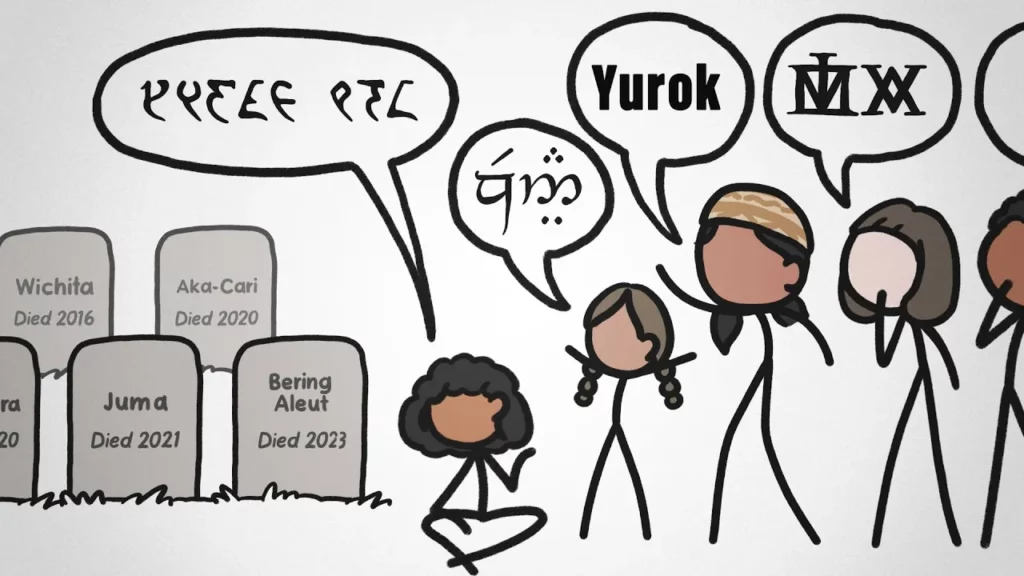
The lesson discusses the paradox of increasing language counts despite the extinction of many languages, such as Yurok. This rise is primarily due to better documentation and the recognition of distinct languages previously classified as a single language, similar to how species classification has evolved. While the loss of languages and species is concerning, there are instances of revival, highlighting the resilience of cultural and biological diversity.
Honeybees have a secret weapon!
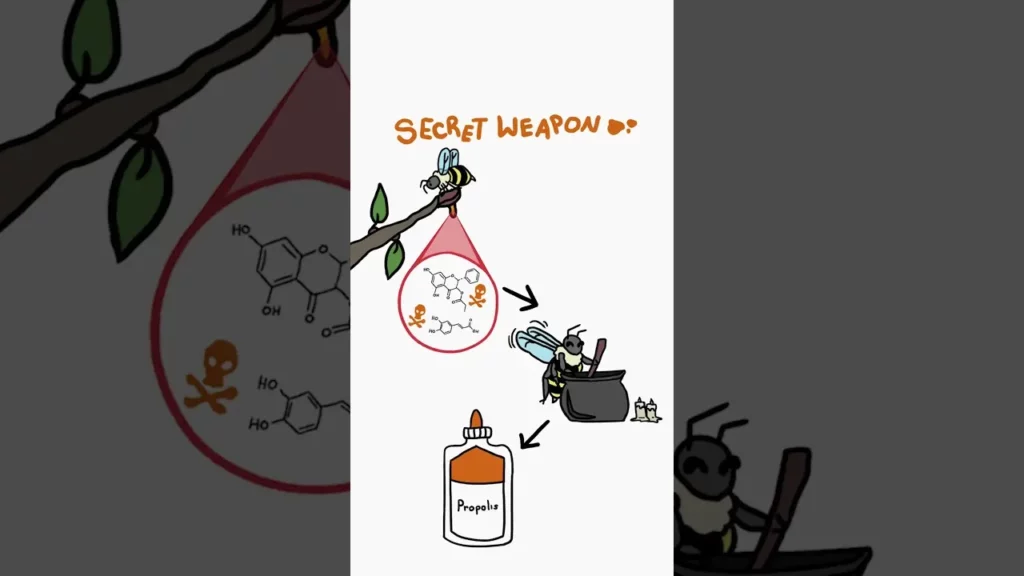
The lesson highlights the importance of propolis, a natural defense mechanism used by honeybees to protect their colonies from diseases and parasites. By encouraging the use of propolis in commercial hives through rough surfaces or specific hive modifications, beekeepers can enhance bee health, which in turn supports pollination and honey production, benefiting both agriculture and the environment.
How Does Birth Control Work?

The lesson explains how various birth control methods work to prevent pregnancy by interrupting different stages of the reproductive process. These methods include stopping egg production through hormonal interventions, blocking sperm from reaching the egg, preventing the egg’s path through surgical procedures, and altering the uterine environment to hinder implantation. Overall, there are multiple effective strategies available for those looking to avoid pregnancy, each with its own mechanisms and considerations.
memes go viral cuz they’re so sick

The lesson explores the similarities between the spread of memes and infectious diseases, highlighting how both follow a viral pattern characterized by a rapid increase in sharing followed by a decline. It explains the concept of the “basic reproduction number,” which quantifies how contagious something is, using examples like the Grumpy Cat meme and the 2009 flu outbreak to illustrate varying levels of virality. Additionally, the lesson emphasizes the importance of understanding these dynamics to inform strategies for preventing future pandemics.
The Truth About Petri Dishes ????
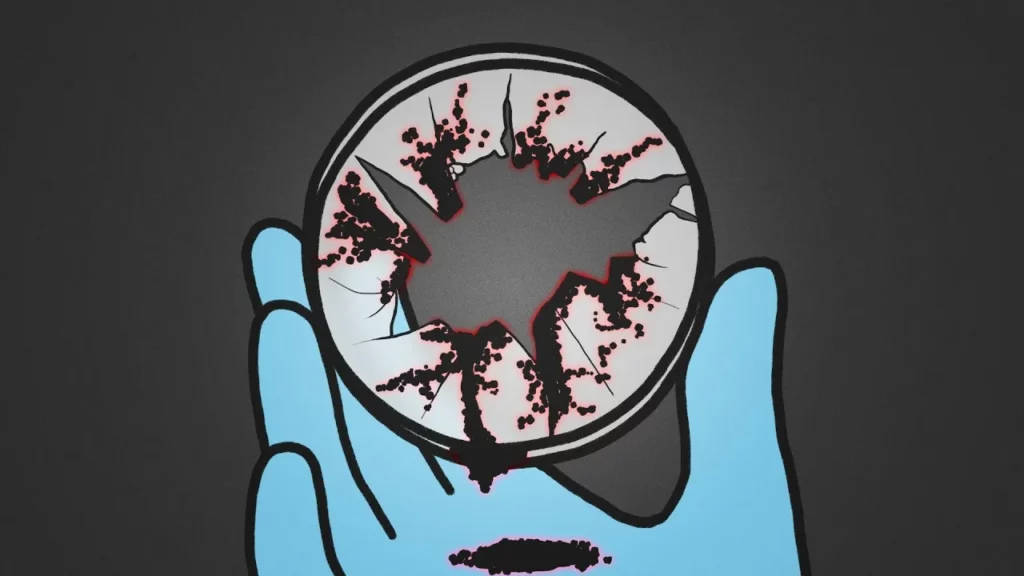
The lesson explores the role of petri dishes in microbiology, highlighting their effectiveness for cultivating certain bacteria like *E. coli*, while also acknowledging that about 98% of bacterial species cannot thrive in this environment due to their diverse and specific habitat requirements. It emphasizes the challenges of studying bacteria that require unique conditions, such as symbiotic relationships or extreme environments, and discusses the future of microbial research, which may involve innovative techniques beyond traditional petri dishes. Ultimately, the lesson underscores the importance of understanding microbial diversity and the potential for discovering new species as research methods evolve.
Why Monkeys Can Only Count To Four
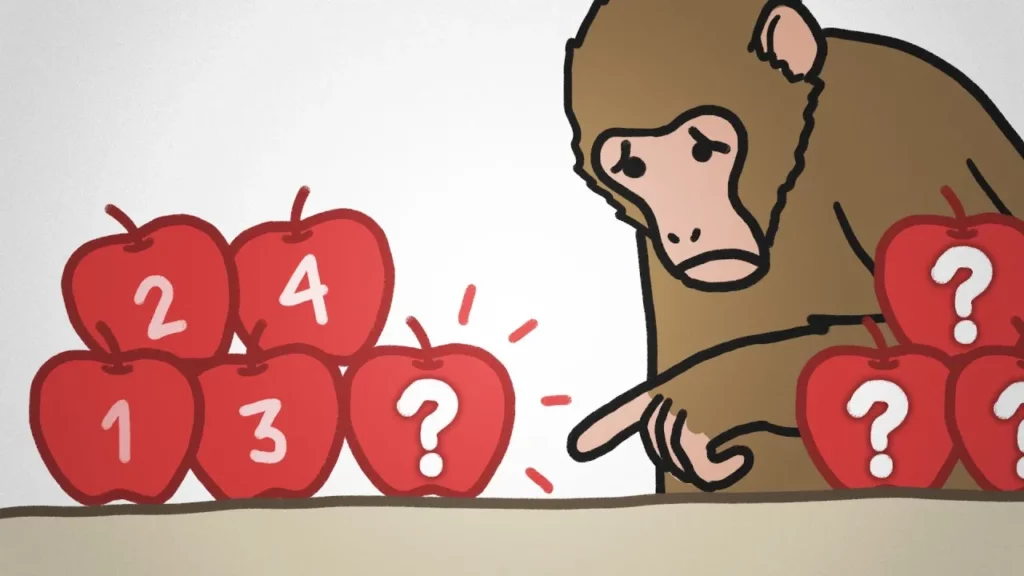
In the lesson “Why Monkeys Can Only Count To Four,” David from MinuteEarth shares insights from a study where he performed magic tricks for monkeys to explore their counting abilities. The findings reveal that while monkeys can recognize differences in small quantities (up to four), they struggle with larger numbers, relying instead on relative comparisons rather than exact counting. This behavior is similar in other animals and highlights the unique role of language in human counting capabilities, which allows for more complex numerical understanding.
ALL Plants Have Color Vision?!
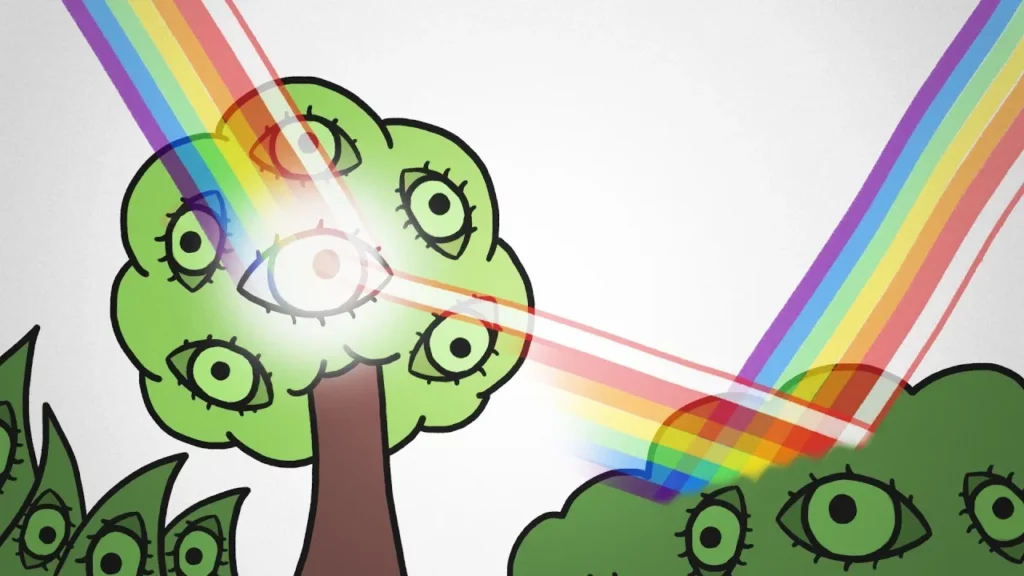
In the lesson “ALL Plants Have Color Vision?!”, it is explained that plants possess a unique ability to “see” their environment through photoreceptors that detect different colors of light, particularly far-red light. This capability allows them to sense nearby competitors and respond by adjusting their growth strategies, such as growing faster or altering leaf distribution to optimize sunlight capture. Understanding these interactions not only sheds light on plant behavior but also aids scientists in studying ecosystem dynamics and the impacts of plant diversity on the environment.