
For some animals, poop is a regular part of the menu!
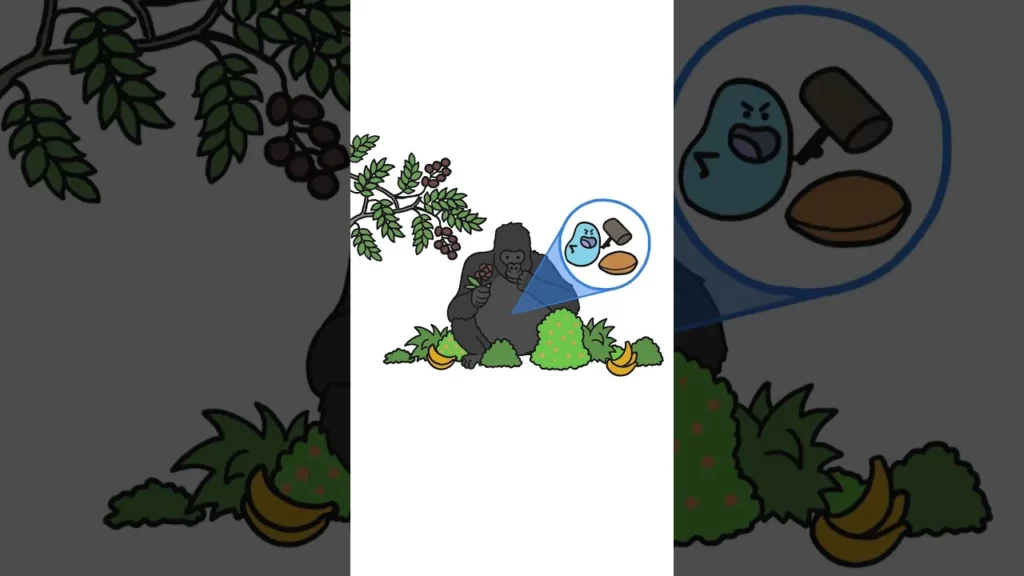
The lesson highlights how some animals, such as gorillas and southern cassowaries, incorporate poop into their diets to reclaim leftover nutrients that their bodies didn’t fully absorb during digestion. This behavior exemplifies nature’s clever adaptations, showcasing how these animals ensure nothing goes to waste and survive in their environments. Ultimately, it emphasizes the fascinating ways animals find to meet their nutritional needs.
The Deadliest Thing At The Beach
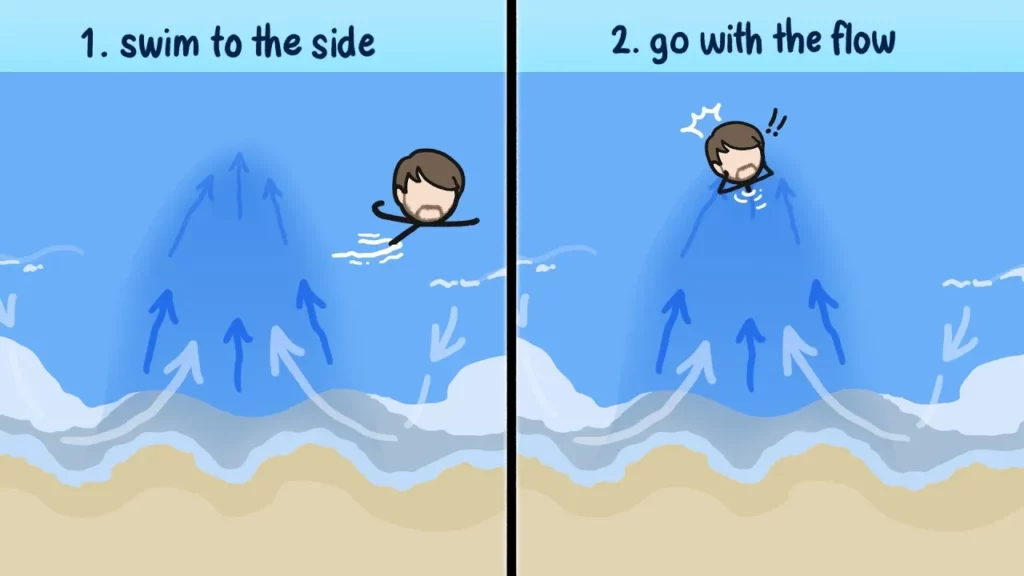
The lesson highlights the dangers of rip currents at the beach, which are the leading cause of drowning incidents, surpassing threats like shark attacks. It explains how rip currents form due to the dynamics of waves and sandbars, and provides safety tips for swimmers caught in these currents, emphasizing the importance of swimming parallel to the shore or floating to safety.
Can Dogs Affect Our Health? ????
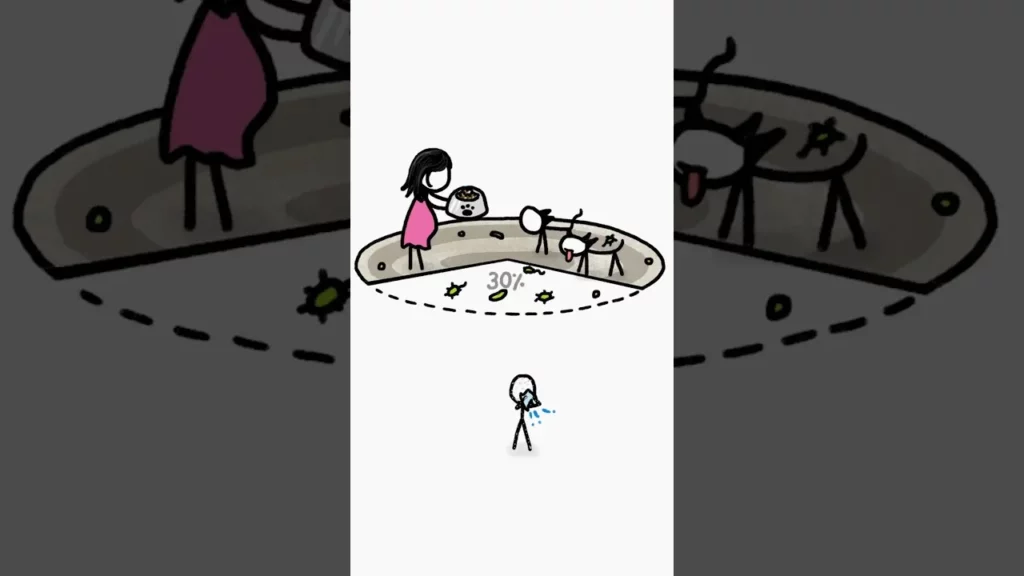
The lesson explores the positive impact dogs can have on our health, particularly for unborn babies, by altering the microbial environment in homes. It introduces the “hygiene hypothesis,” which suggests that exposure to germs from pets can strengthen immune systems and reduce the likelihood of allergies and asthma. Ultimately, having a dog may not only provide companionship but also contribute to better health outcomes for children.
Why There Are No King Bees
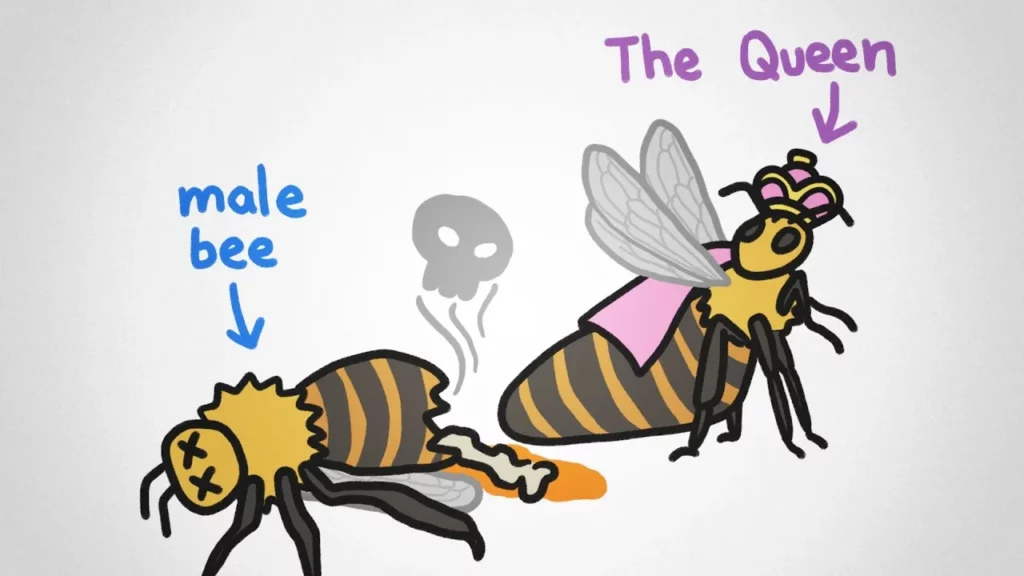
The lesson explains why there are no king bees in a beehive, highlighting the unique reproductive and genetic structure of honey bees. Male drones can only contribute genes to their daughters, not sons, due to the way fertilization works, which prevents them from becoming kings alongside the queen. The queen’s role as the sole egg-laying figure ensures genetic diversity, making the concept of a king bee incompatible with the hive’s structure.
The Species That Broke Evolution?
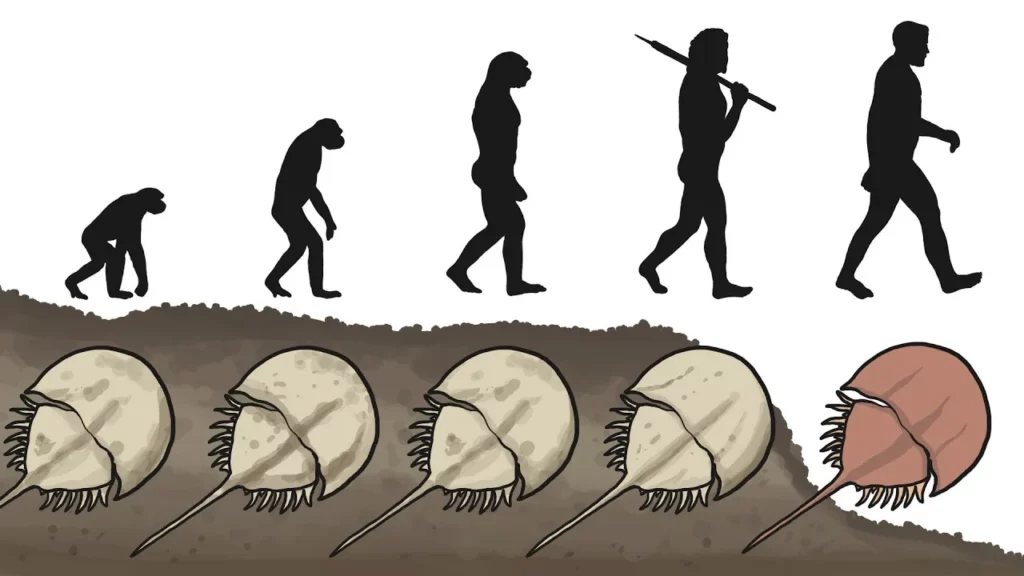
The lesson explores the concept of evolution, highlighting why some species appear unchanged over millions of years while still undergoing subtle changes. It emphasizes that terms like “living fossils” can be misleading, as all species are continuously evolving, adapting to their environments in ways that may not be immediately visible. The lesson concludes by encouraging the idea of adaptation and learning, drawing a parallel between species evolution and personal growth through skill development.
Why don’t we eat Carnivores?
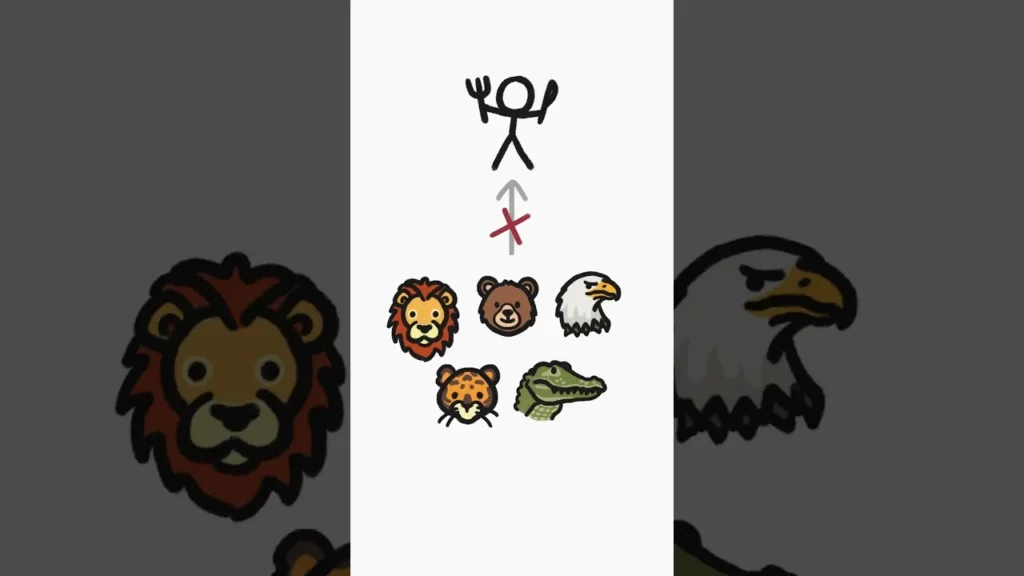
The lesson explains why we generally avoid eating carnivorous animals, highlighting factors such as taste, food chain efficiency, health risks, and ecological conservation. Carnivores often have tougher meat with stronger flavors, require more resources to farm, pose potential health hazards due to disease transmission and toxin accumulation, and play crucial roles in maintaining balanced ecosystems. By opting for herbivores and omnivores, we make choices that are more sustainable and beneficial for both our health and the environment.
How To Take A Dinosaur’s Temperature
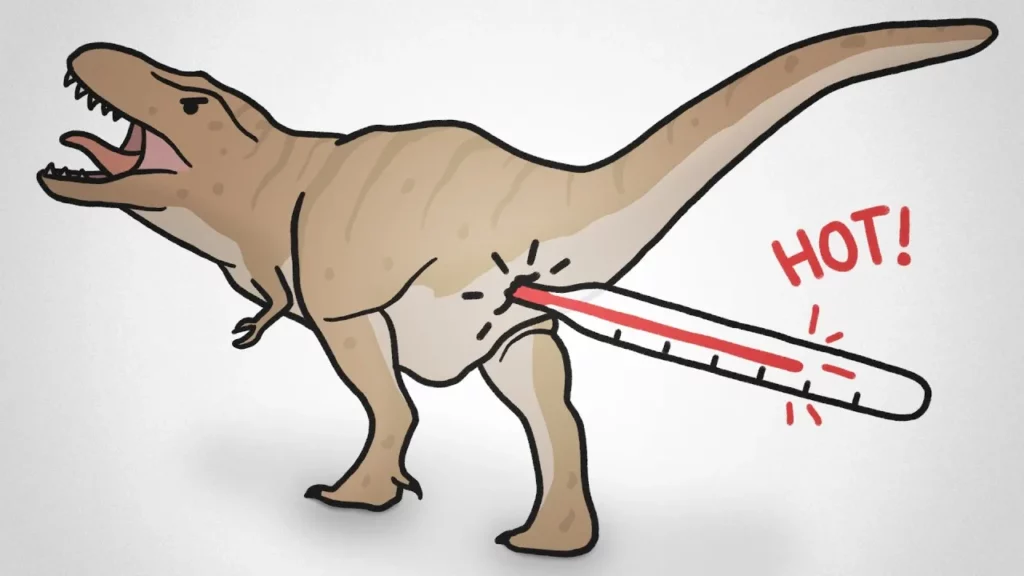
The lesson explores how scientists measure the body temperatures of dinosaurs, revealing that most had temperatures between 36 and 38 degrees Celsius, making them warmer than crocodiles but cooler than modern birds. By analyzing the mineral bioapatite in dinosaur bones, researchers can estimate these temperatures and understand whether dinosaurs were warm-blooded or cold-blooded. This knowledge not only sheds light on dinosaur biology and adaptation but also contributes to our understanding of temperature regulation in contemporary animals.
Why Do Butterflies Bother Being Caterpillars?
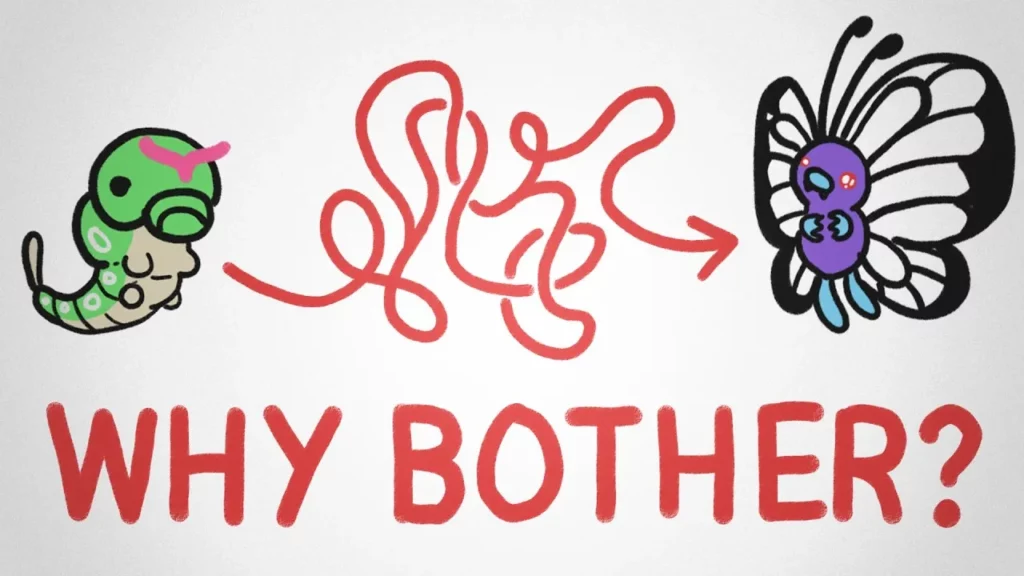
The lesson explores the concept of metamorphosis, highlighting how many animals undergo significant physical changes at different life stages to adapt to their environments and reproductive needs. It explains that this process allows young and adult animals to occupy different ecological niches, reducing competition for resources. While metamorphosis is energy-intensive and risky, it has evolved in only a few species, with humans being one of the exceptions due to our unique developmental and cognitive traits.
Global Warming
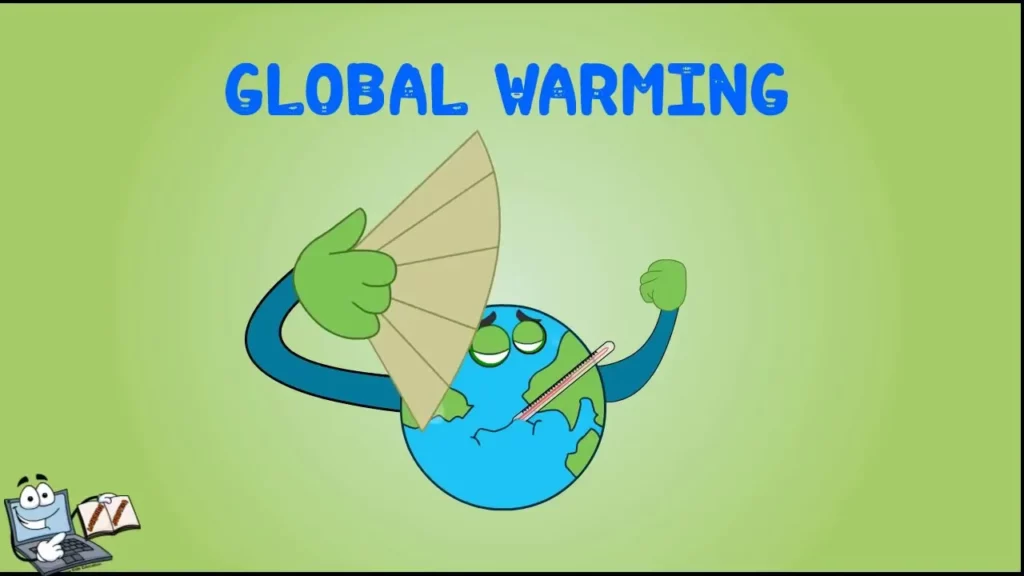
The lesson on global warming explains that the Earth’s surface temperature is rising primarily due to increased carbon dioxide (CO2) emissions from human activities, such as burning fossil fuels and deforestation. This rise in CO2 contributes to the greenhouse effect, which traps heat in the atmosphere and disrupts the climate, leading to severe environmental issues. To combat global warming, individuals can take actions like reducing deforestation, conserving electricity, and minimizing unnecessary burning, thereby helping to protect the planet for future generations.
Genes and Mendel’s Laws – Genetics – Biology Video
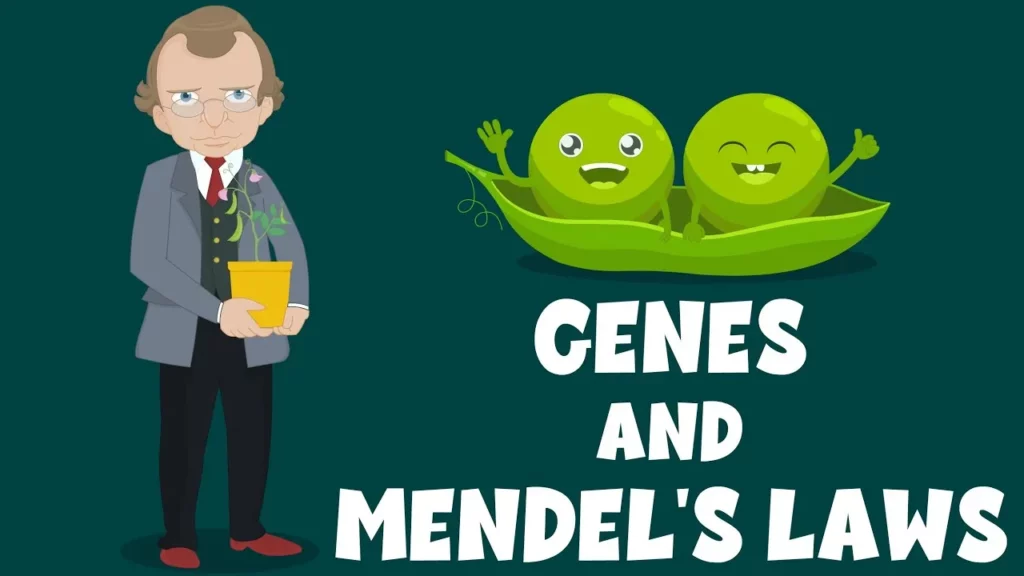
In this lesson, we explored the fundamental concepts of genetics, focusing on genes and Mendel’s laws of heredity. Genes, which are made of DNA, serve as instruction manuals for our bodies, determining traits inherited from our parents. Mendel’s laws—Law of Dominance, Law of Segregation, and Law of Independent Assortment—explain how traits are passed down through generations, providing a framework for understanding inheritance and its applications in breeding and genetics.