
Why Do We Fall Ill? – Classification, Types and Causes of Diseases
In this lesson, we explored the reasons behind falling ill, highlighting the importance of understanding diseases. We learned about the two main types of diseases—acute and chronic—as well as the distinction between infectious and non-infectious diseases. Additionally, we discussed various factors that contribute to illness, such as environmental conditions, personal hygiene, and lifestyle choices, emphasizing the significance of maintaining a healthy lifestyle to prevent diseases.
Solar Eclipse #shortvideo #ytshorts #eclipse #solar #sun
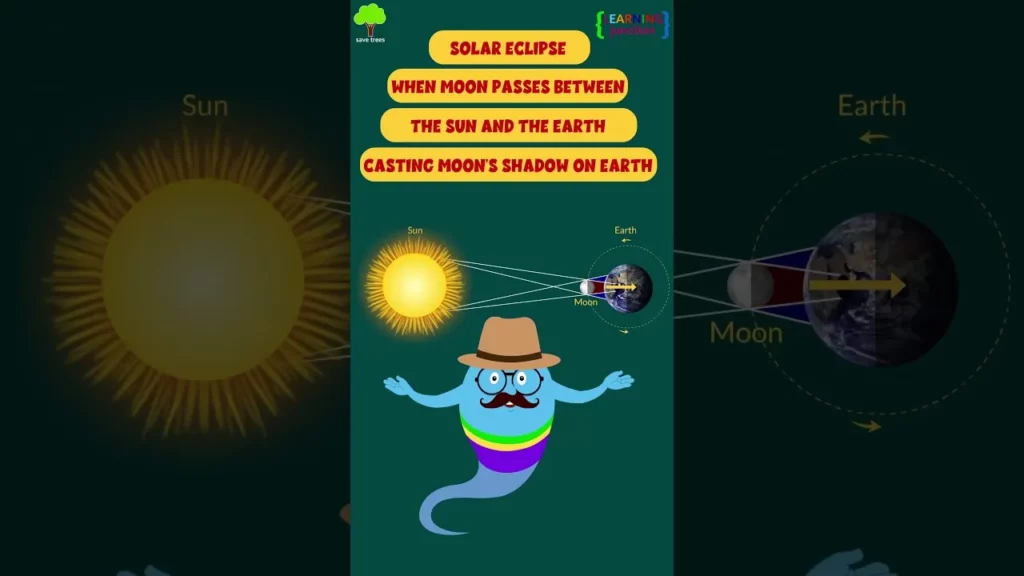
This lesson explains the phenomenon of solar eclipses, which occur when the Moon aligns between the Sun and Earth, casting its shadow and blocking sunlight. It highlights the different types of solar eclipses—total, partial, and annular—and emphasizes their significance for scientific research, particularly in studying the Sun’s corona. Additionally, the lesson provides safety tips for viewing solar eclipses and underscores the importance of proper eye protection.
What If Earth Was the Only Planet in the Solar System?
In this lesson, we explored the hypothetical scenario of Earth being the only planet in the solar system and learned about the vital roles that other planets play in maintaining Earth’s stability and safety. The lesson emphasized that planets like Jupiter and Saturn act as protective shields against asteroids, while Earth’s position in the “habitable zone” is crucial for sustaining life. Additionally, the Moon’s gravitational influence is essential for creating tides, highlighting the interconnectedness of celestial bodies in supporting life on Earth.
What If You Were the Last Person on Earth?
In this lesson, we explored the hypothetical scenario of being the last person on Earth, considering various aspects of survival such as food, transportation, shelter, and the emotional challenges of isolation. While one could technically survive by scavenging and adapting to the environment, the lesson emphasizes the importance of human connection and the difficulties of living without community and support. Ultimately, it highlights that while survival is possible, the joy of life is deeply rooted in relationships and shared experiences.
Liver Disease: Types, Causes, Symptoms and Treatment
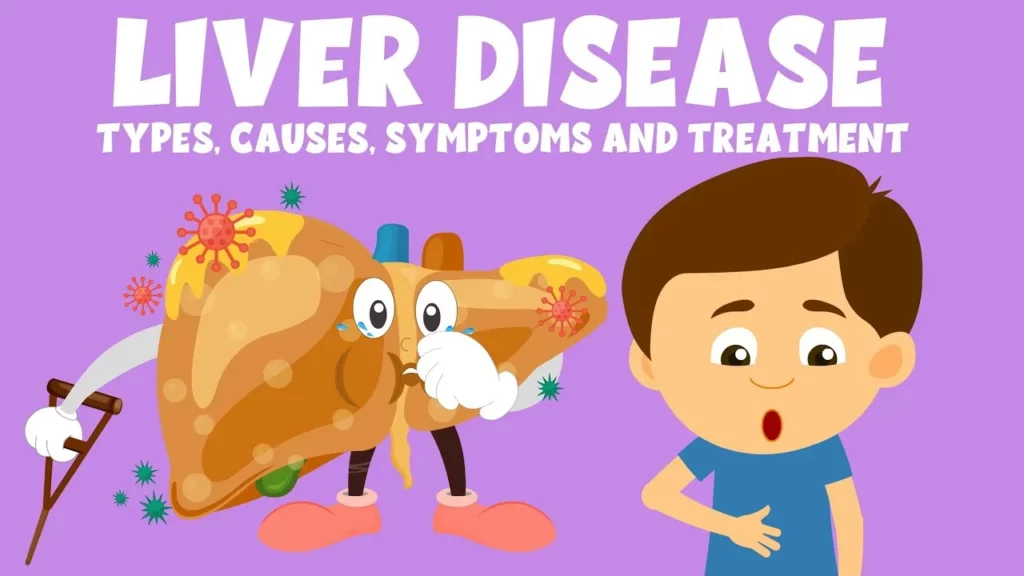
In this lesson on liver disease, we learned about the liver’s crucial role in the body, common types of liver diseases, their causes, symptoms, and treatment options. Key symptoms include jaundice, abdominal pain, and fatigue, while causes range from autoimmune issues to excessive alcohol consumption. Diagnosis may involve blood tests and imaging, and treatment can include medications, lifestyle changes, or even a liver transplant, emphasizing the importance of maintaining a healthy lifestyle to support liver function.
What If You Fall Into Quicksand? – Learning Junction
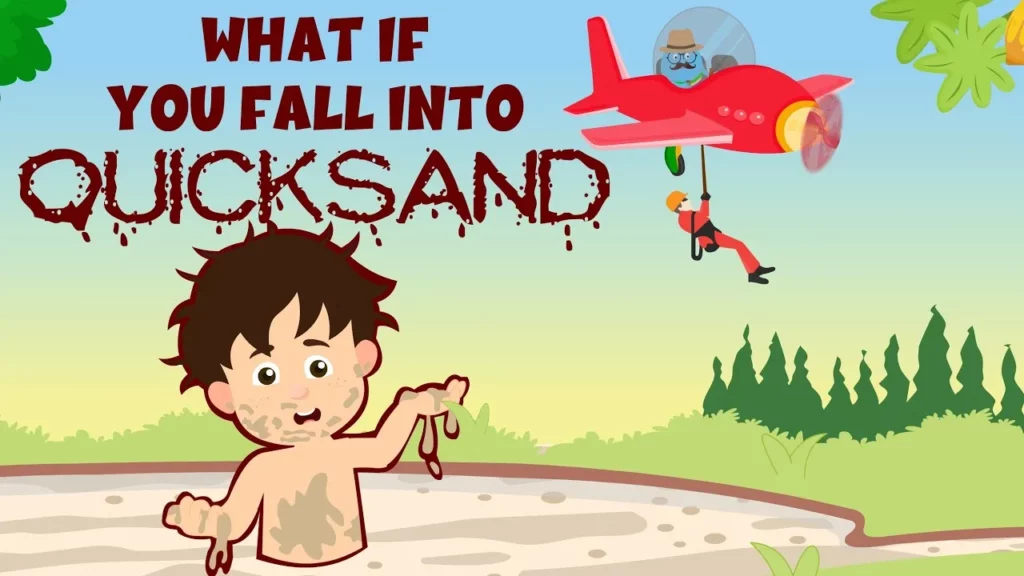
In this lesson, students learn about quicksand, a mixture of sand and water that appears solid but can become unstable when pressure is applied. They discover where quicksand can be found, how it works, and important safety tips for escaping if they get stuck, such as dropping heavy items, moving sideways, and floating on their backs. The lesson emphasizes that while quicksand can be dangerous, individuals cannot sink completely due to its density.
What If We Killed All Mosquitoes?
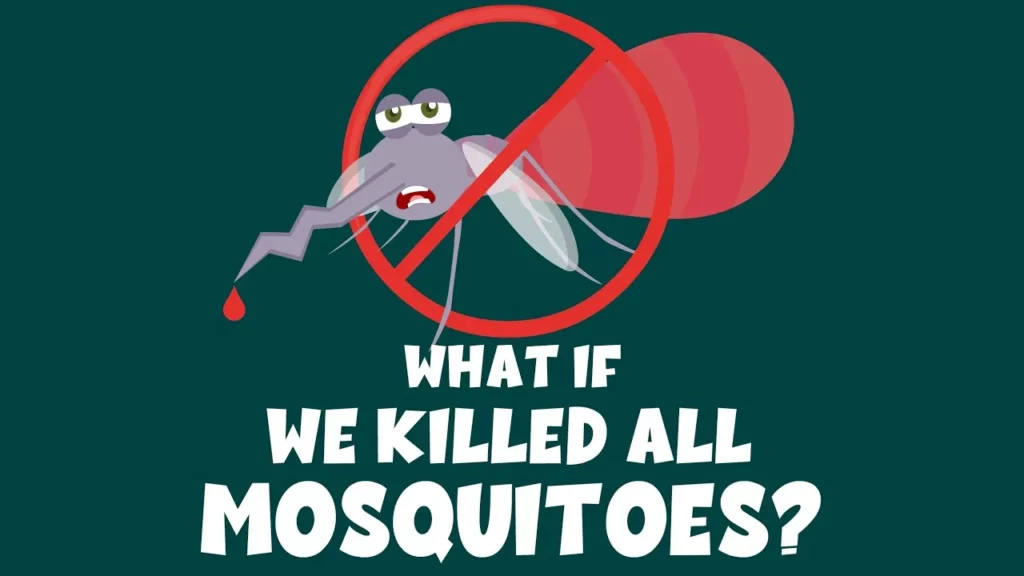
The lesson explores the implications of eradicating mosquitoes, which are notorious for spreading diseases like malaria and dengue fever, affecting millions of people annually. While eliminating mosquitoes could reduce disease transmission and enhance outdoor enjoyment, it could also disrupt the food chain and ecological balance, as they serve as a food source for various animals and play a minor role in pollination. Ultimately, the lesson emphasizes the importance of considering the potential consequences of altering natural ecosystems.
Human Evolution Video – Stages of Evolution of Human Beings
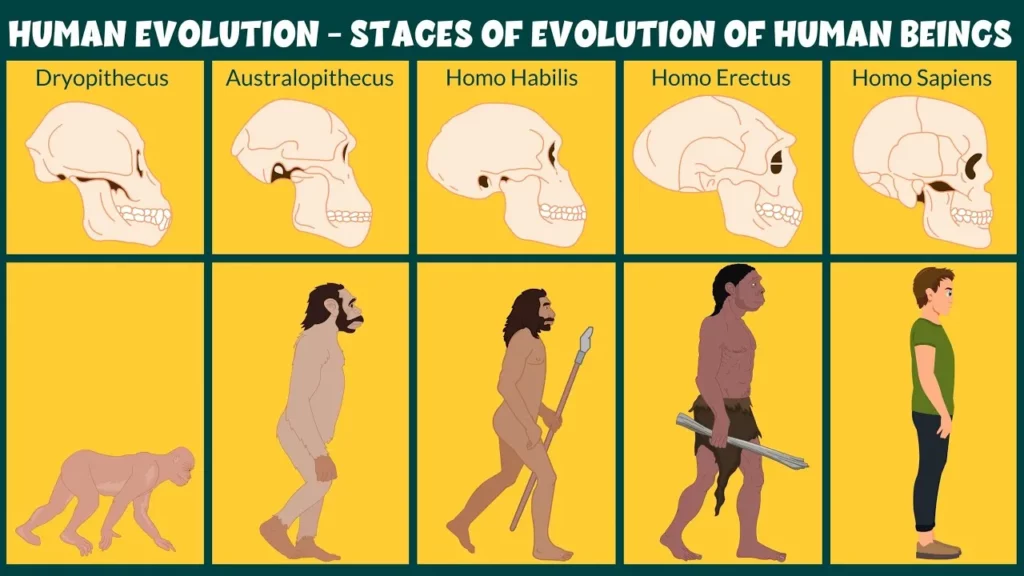
In this lesson, we explored the fascinating journey of human evolution, tracing our development from ancient primates to modern humans, known scientifically as *Homo sapiens*. We examined key stages in this evolutionary process, including Proconsul, Australopithecus, Homo habilis, and Homo erectus, each contributing unique traits and advancements that shaped our species. Ultimately, this journey highlights the remarkable changes that have occurred over millions of years, leading to the complex beings we are today.
What If You Swallow A Fruit Seed? – Are Fruit Seeds Harmful?
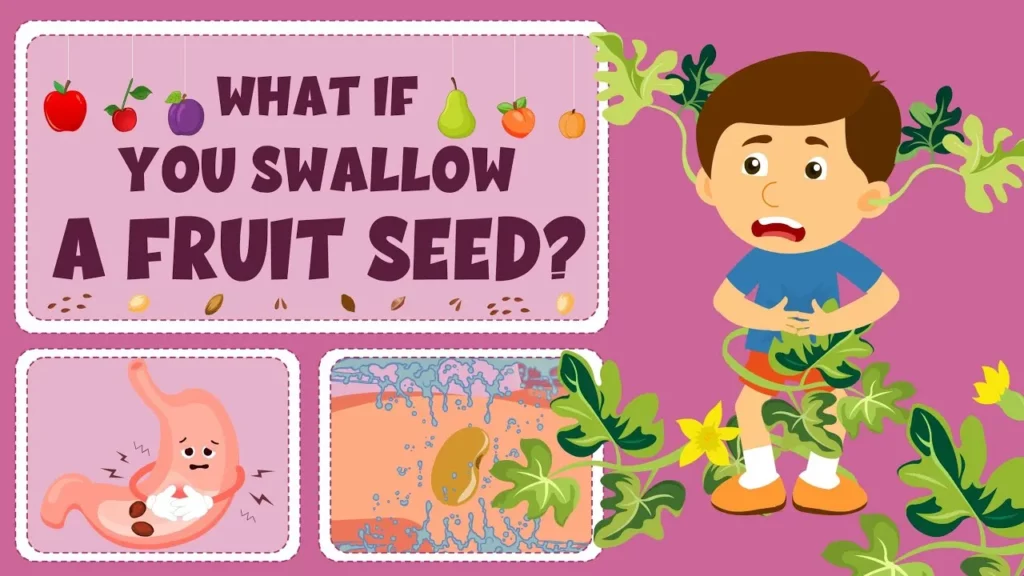
In this lesson, we explored the implications of swallowing fruit seeds, emphasizing that while seeds from fruits like apples and cherries can be healthy, caution is advised as consuming too many can be harmful. We learned that seeds cannot grow inside the stomach due to the presence of hydrochloric acid, which breaks them down, and that while some seeds may cause discomfort if swallowed, it is highly unlikely for them to sprout within the body. Overall, it’s best to avoid swallowing seeds, but the risk of harm is minimal.
Food Poisoning: Symptoms, Causes and Treatment
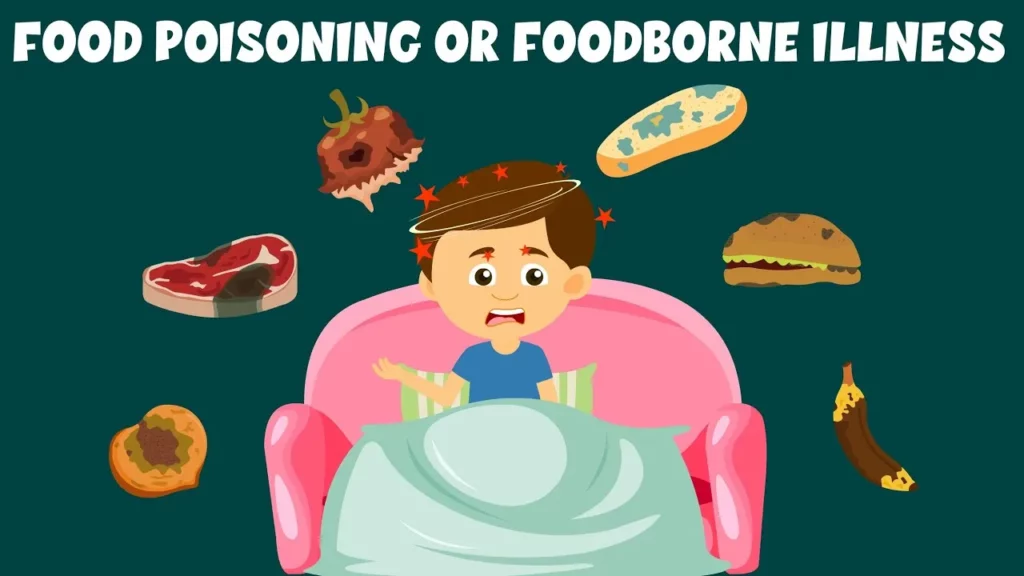
In this lesson, we explored food poisoning, a foodborne illness caused by harmful germs such as bacteria, fungi, parasites, or viruses. We learned about the common symptoms, including diarrhea and stomach cramps, as well as effective treatment methods and preventive measures to avoid contamination, such as proper handwashing and cooking food thoroughly. By following these guidelines, we can help ensure our food is safe to eat and reduce the risk of illness.