
What if Earth Had Rings Like Saturn? – Earth’s Hypothetical Rings

In this lesson, we explored the hypothetical scenario of Earth having rings similar to Saturn’s, discussing how such rings could have formed and their potential impact on life and the environment. We learned that while rings might create stunning visuals, they could disrupt animal navigation, alter climate patterns, and interfere with technology, leading to significant changes in our daily lives. Ultimately, the lesson encourages curiosity about our universe and the fascinating possibilities it holds.
What if plastic was never invented?

In this lesson, we explored the significant role plastic plays in our daily lives, from food storage and clothing to electronics and medical devices. While plastic has many practical uses, its environmental impact is concerning, as it contributes to waste and pollution, particularly in oceans. The lesson emphasizes the importance of reducing plastic use and finding sustainable alternatives to protect our planet and health.
What if You Quit Sugar for 30 Days (6 Healthy Alternatives)
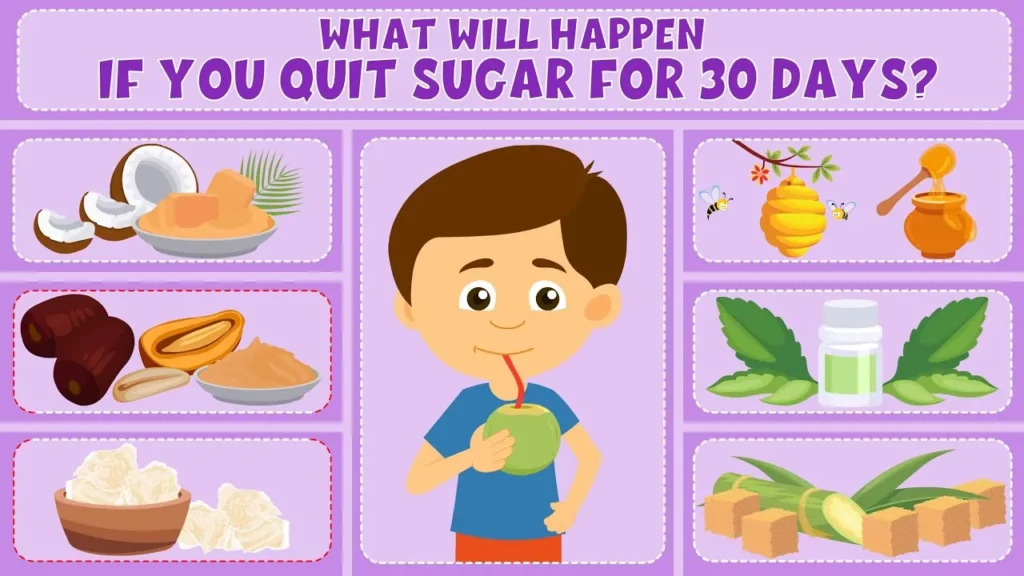
In this lesson, we explored the benefits of quitting added sugars for 30 days and the potential health risks associated with excessive sugar consumption, such as weight gain and diabetes. We also discussed six healthy alternatives to refined sugar, including coconut sugar, date sugar, honey, and stevia, which can satisfy sweet cravings while providing nutritional benefits. By making these substitutions, individuals may experience improvements in body composition, skin health, energy levels, and overall well-being.
Invention of Pizza – Who Invented Pizza? – History of pizza Video
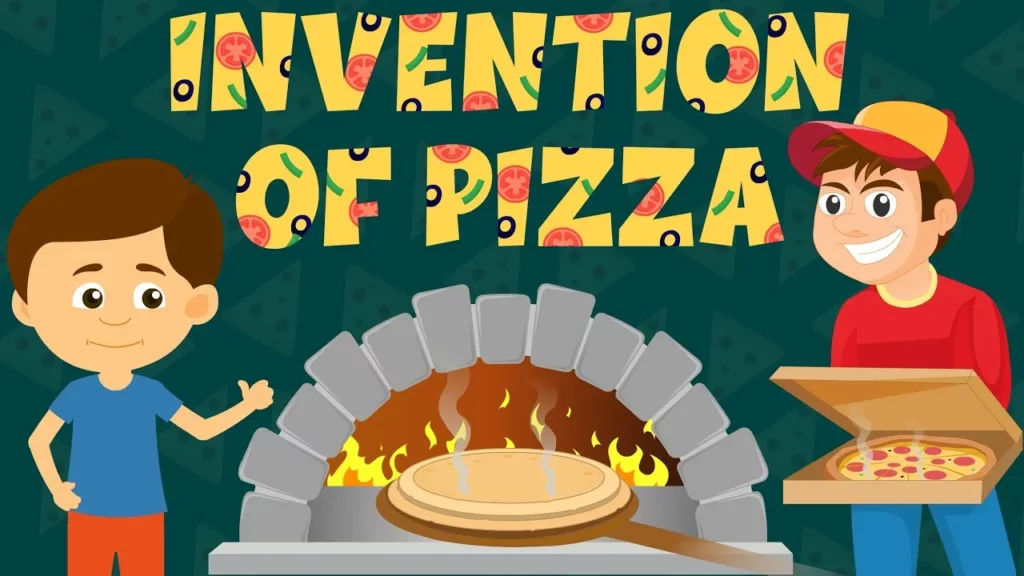
In this lesson, we explored the fascinating history of pizza, tracing its origins from ancient flatbreads topped with various ingredients to the creation of Margherita pizza in 1889 by Chef Raffaele Esposito for Queen Margherita of Italy. We learned how pizza evolved from a common food in Italy to a global favorite, especially in the United States, where it became widely popular after Italian immigrants introduced it in the late 19th century. Additionally, we discussed how pizza can be made healthier with the right ingredients, encouraging a balance between enjoyment and nutrition.
What Happens If You Hold Your Urine In For Too Long?
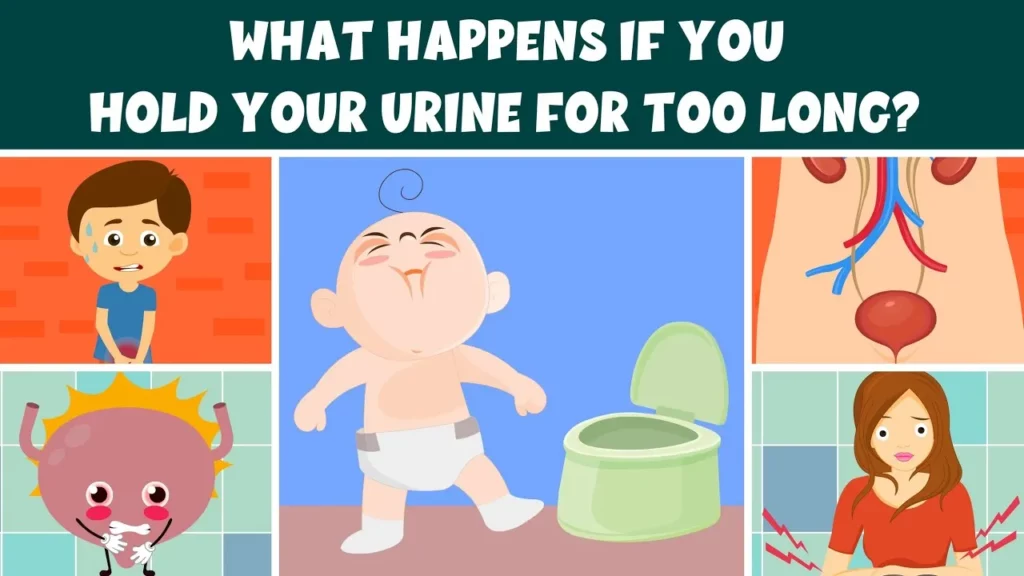
In this lesson, we learned about the importance of listening to our body’s signals regarding the need to urinate and the potential health risks associated with holding urine for too long. Holding urine can lead to discomfort, urinary tract infections, kidney stones, and even damage to the bladder and pelvic floor muscles. It’s essential to prioritize bladder health by responding to urges to urinate and consulting a doctor if experiencing unusual urinary patterns.
Why Do We Dream? – Sleep and Dreams: How do they work?
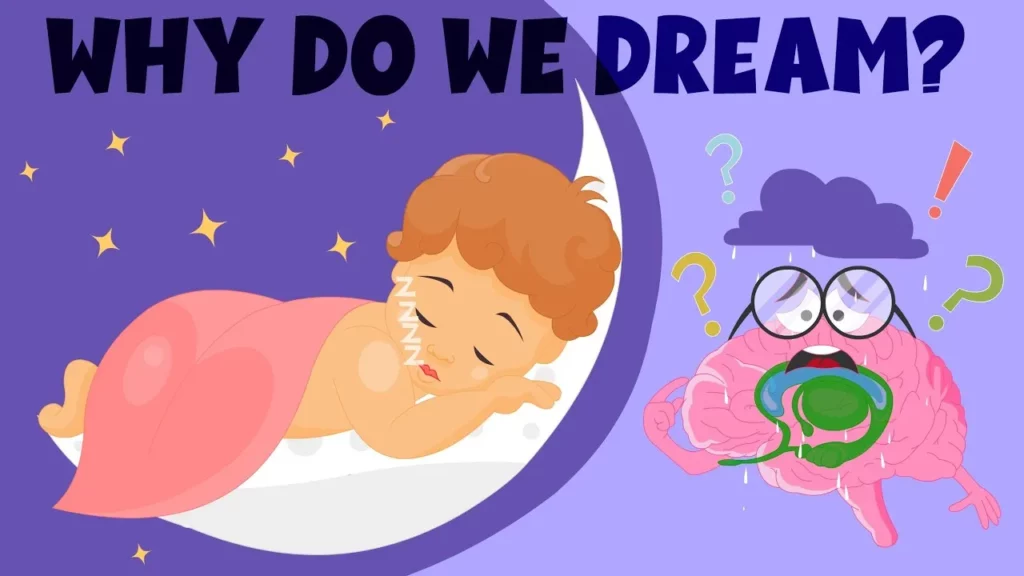
In this lesson, we explored the intriguing nature of dreams, including their connection to our emotions and mental health. We learned about the different stages of sleep, particularly the REM stage where vivid dreaming occurs, and discussed various theories on the purpose of dreams, such as problem-solving and emotional processing. Additionally, we uncovered some fun facts about dreams, highlighting their complexity and the unique experiences they offer each night.
Invention of Pasta – History of Pasta
The lesson explores the rich history of pasta, tracing its origins back over 3,500 years across various cultures, including ancient China, Greece, and Africa. It highlights how pasta was introduced to Italy by Arab traders in the 5th century and later popularized in America by Thomas Jefferson, who helped spread its appeal. Ultimately, while Italy did not invent pasta, it significantly shaped its cultural significance and culinary diversity, making it a beloved dish worldwide.
What if you spend too much time on phone – Cell Phone Addiction
This lesson discusses the consequences of excessive phone use, highlighting issues such as mental health problems, poor eating habits, physical health concerns, sleep deprivation, eyesight issues, academic challenges, and social isolation. It emphasizes the importance of balancing phone usage with healthy habits and offers practical tips for reducing smartphone addiction, such as setting usage limits and engaging in alternative activities. Ultimately, the lesson encourages mindful phone use to promote overall well-being.
Invention of Robots – History of Robots
In this lesson, we explored the history of robots, beginning with the origin of the word “robot,” which comes from the Czech term for forced labor. We learned about the creation of the first programmable robot, Unimate, by George Devol in 1954, and how it led to the establishment of the robotics industry. The lesson also highlighted advancements in robotics, including the development of autonomous robots like Shakey and modern innovations such as Sophia, showcasing the evolving role of robots in assisting humans with various tasks.
Flora & Fauna: Definition, Importance, Types & Examples
In this lesson, we explored the concepts of flora and fauna, defining flora as the plant life in a given area and fauna as the animal life. We discussed various types of flora, including native, ornamental, agricultural, and weed plants, as well as different categories of fauna, such as microfauna, macrofauna, aquatic fauna, and more. Understanding the diversity of plants and animals is crucial for maintaining ecological balance and health in our environments.