
Wildebeest Migration
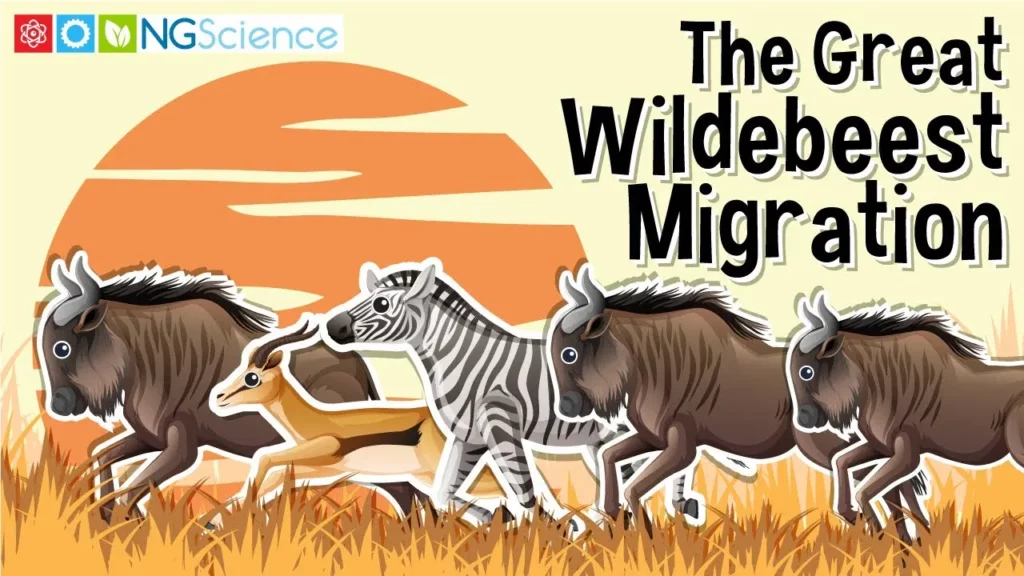
The lesson on wildebeest migration highlights the importance of group living among animals for survival, particularly during migration events like the great wildebeest migration, where over 2 million animals travel together in search of food. This journey, which spans over 800 kilometers from the Serengeti to Kenya, involves navigating dangers such as predators and rivers, emphasizing that staying in groups increases their chances of survival. Overall, the lesson illustrates the fascinating ways animals cooperate and adapt to their environments.
Earth’s Rotation – Day and Night
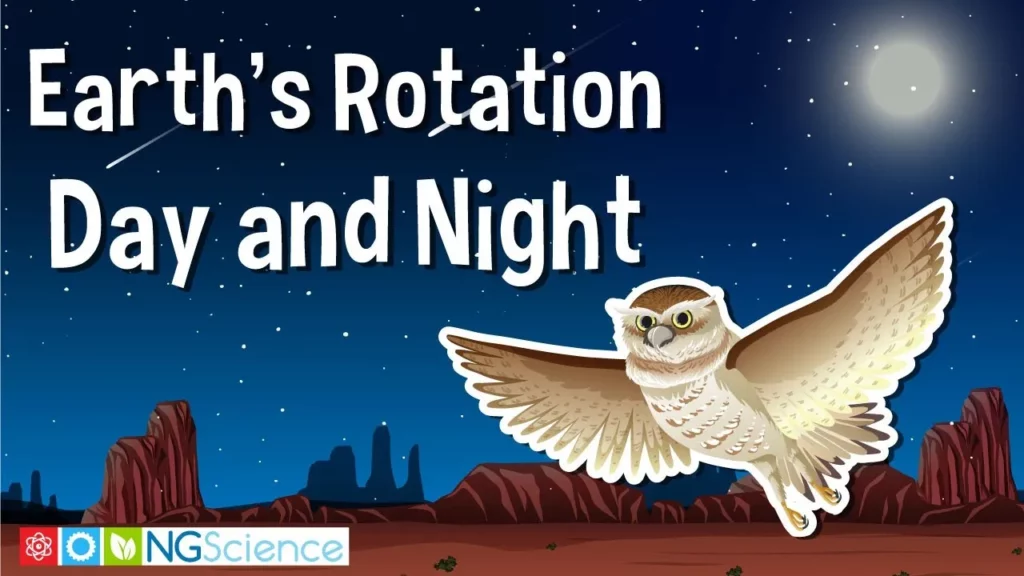
The lesson explains that day and night occur due to Earth’s rotation on its axis, which is tilted at an angle of 23.5 degrees. As Earth spins, different areas face the Sun, resulting in daytime for those regions and nighttime when they turn away. This rotation takes 24 hours to complete, creating a daily cycle of light and darkness.
Man on the Moon – The Story of Neil Armstrong
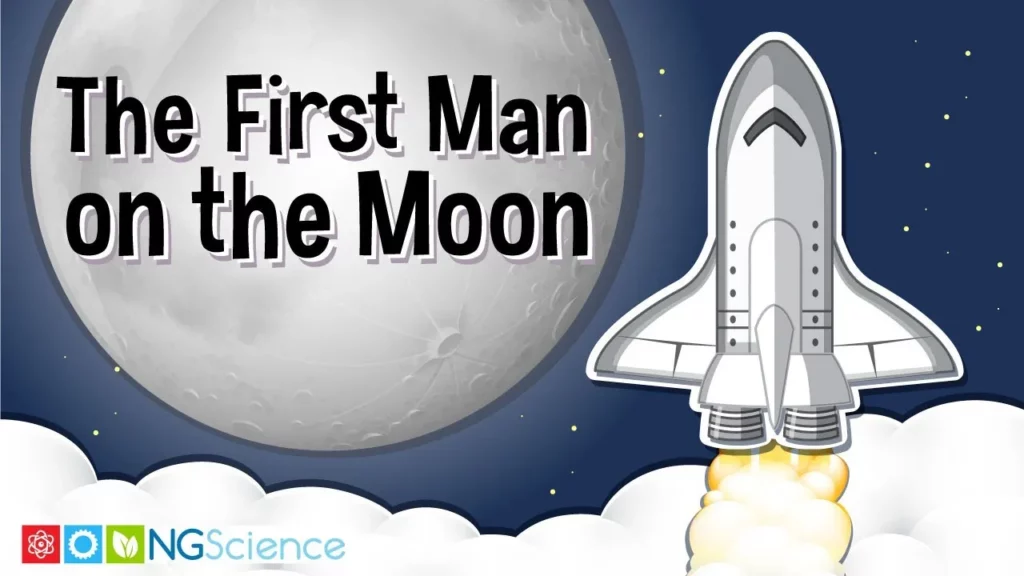
The lesson “Man on the Moon – The Story of Neil Armstrong” recounts the historic Apollo 11 mission, during which astronauts Neil Armstrong, Michael Collins, and Edwin “Buzz” Aldrin Jr. traveled to the Moon, culminating in Armstrong becoming the first human to set foot on its surface on July 21, 1969. His famous words, “That’s one small step for man, one giant leap for mankind,” highlighted the significance of this achievement for humanity. The lesson emphasizes the importance of space exploration, inspiring scientific curiosity and expanding our understanding of both the Moon and Earth.
International Space Station (ISS)
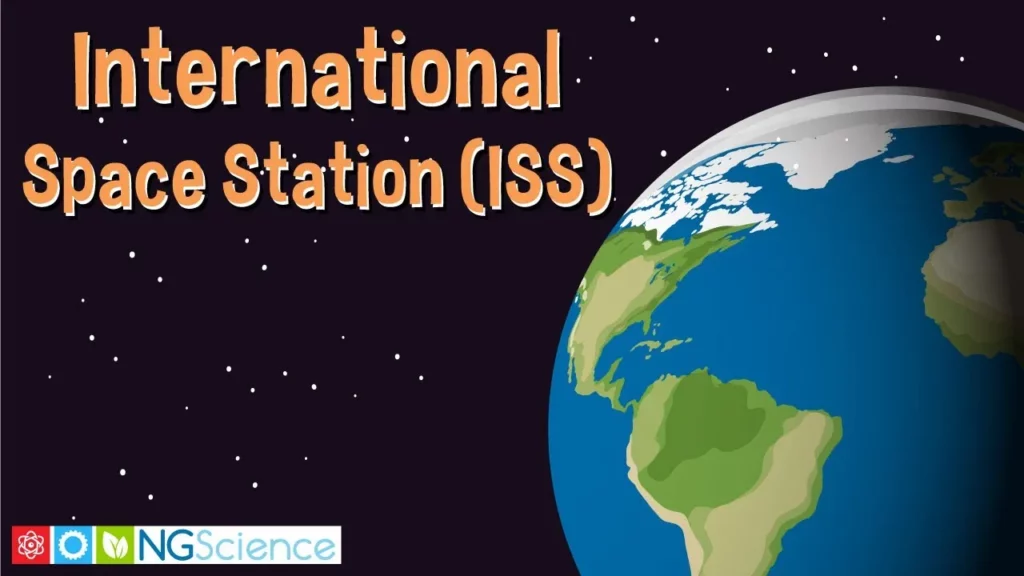
The lesson explores the International Space Station (ISS), a massive satellite that orbits Earth and serves as a unique living and working environment for astronauts and cosmonauts. Since 2000, these space travelers conduct vital scientific experiments to understand the effects of long-term space living and contribute to global knowledge through international collaboration. The ISS not only showcases human ingenuity but also paves the way for future space exploration endeavors.
Day and Night – The Rotation of the Earth
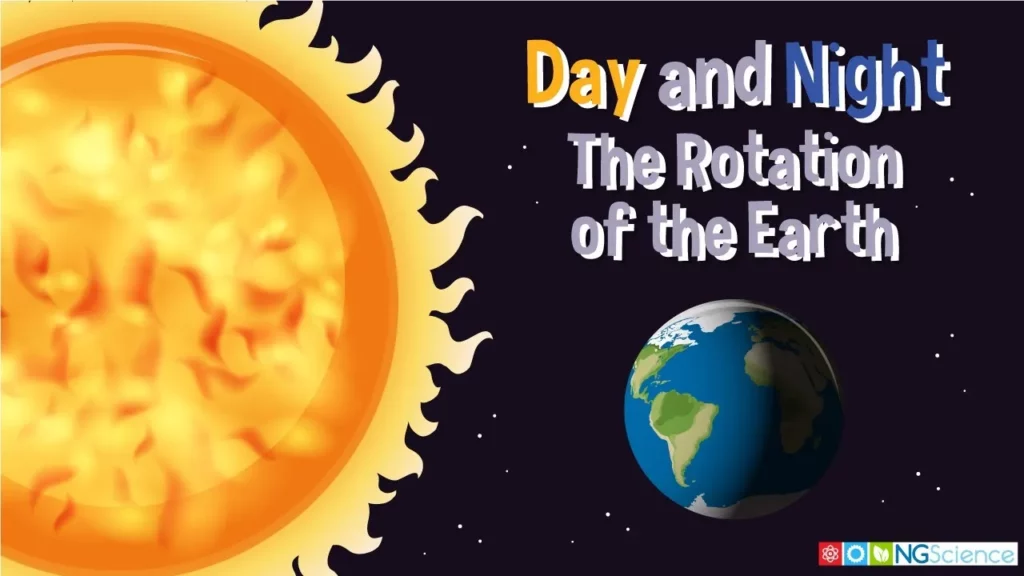
The lesson explains that day and night occur due to the Earth’s rotation on its axis, with one side facing the Sun experiencing daylight while the other side is in darkness. This rotation takes 24 hours, creating a regular cycle of day and night. Additionally, the lesson highlights that other planets have different rotation speeds, resulting in varying lengths of a day across the solar system.
Water (Hydrological) Cycle
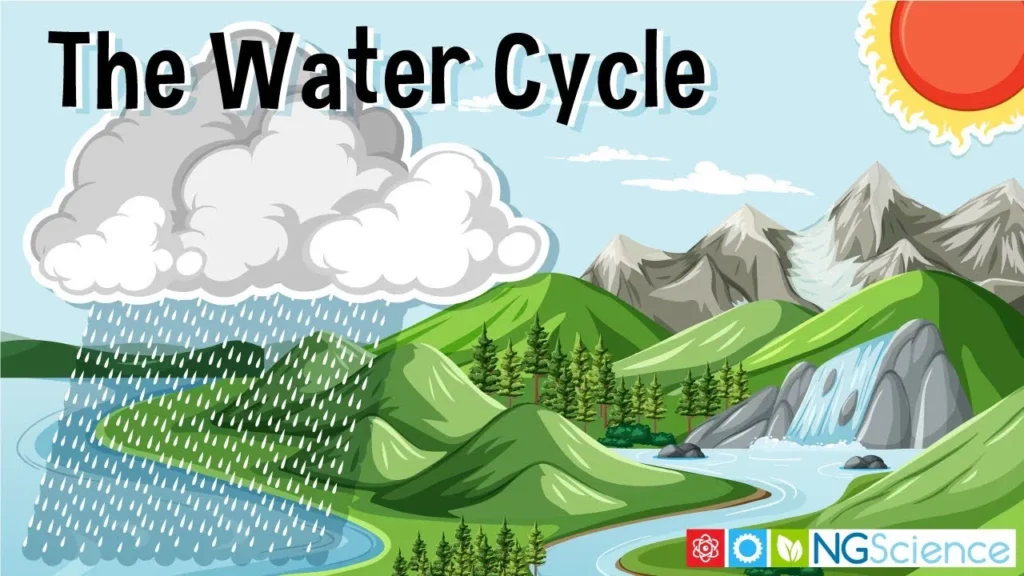
The “Water Cycle Adventure” lesson explains the continuous journey of water on Earth, highlighting key processes such as evaporation, condensation, and precipitation. It emphasizes how water transforms from liquid to vapor and back again, ultimately returning to bodies of water to restart the cycle. The lesson concludes with a fun fact about the ancient history of water, reminding us of its ever-present and dynamic nature.
Climate
The lesson “Understanding Weather and Climate” explains the difference between weather, which refers to daily atmospheric conditions, and climate, which describes the long-term patterns of weather in a specific area. It highlights the factors that influence climate, such as precipitation, altitude, proximity to oceans, and distance from the equator, while also showcasing various global climates, including the hot and dry Egyptian desert, the cold Arctic, the wet Amazon River Basin, and the frigid Antarctic region. The lesson encourages students to reflect on their local climate and its seasonal variations.
Can you name the stages of the life cycle?
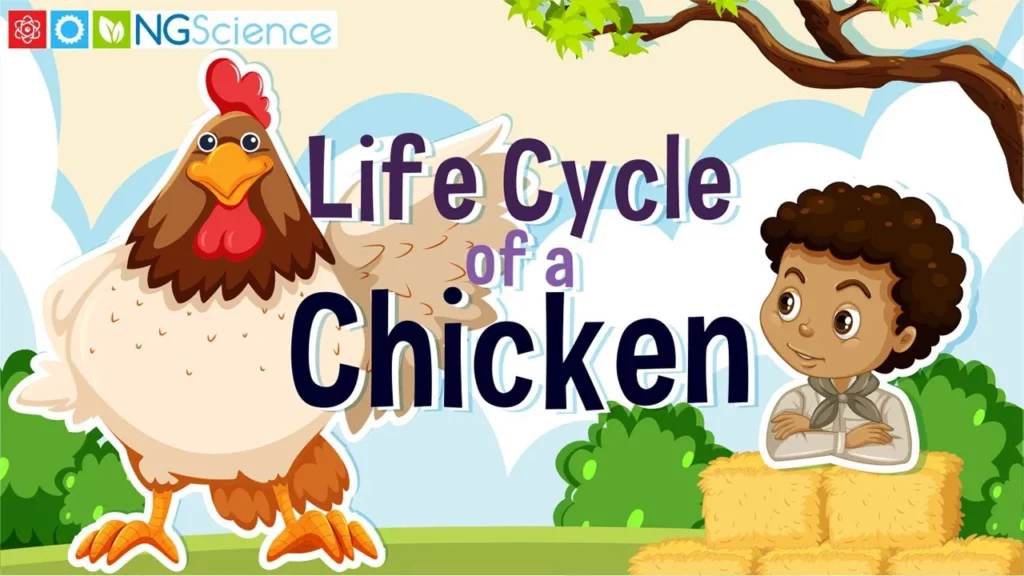
The lesson explores the life cycle of a chicken, which begins with the egg stage where a hen lays and incubates eggs. After approximately 21 days, the chicks hatch and grow, developing feathers and independence over four months, eventually reaching adulthood at six months when hens can lay eggs, restarting the cycle. Additionally, the lesson highlights a fun fact about chickens’ impressive memory capabilities.
Polar Climates
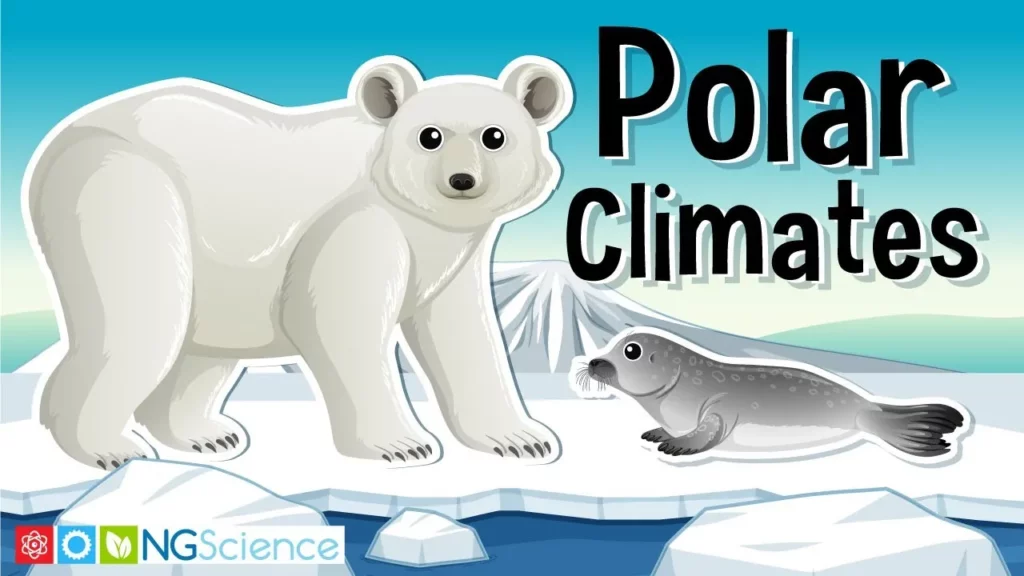
Polar climates are the coldest regions on Earth, located far from the equator, where they receive minimal direct sunlight, resulting in chilly temperatures year-round. These areas experience cool summers with long daylight hours and extremely cold winters with very short days, supporting only hardy plants like mosses and lichens. Despite the harsh conditions, unique animals such as polar bears, seals, and penguins thrive here, equipped with special adaptations to survive the extreme cold.
All About Toucans
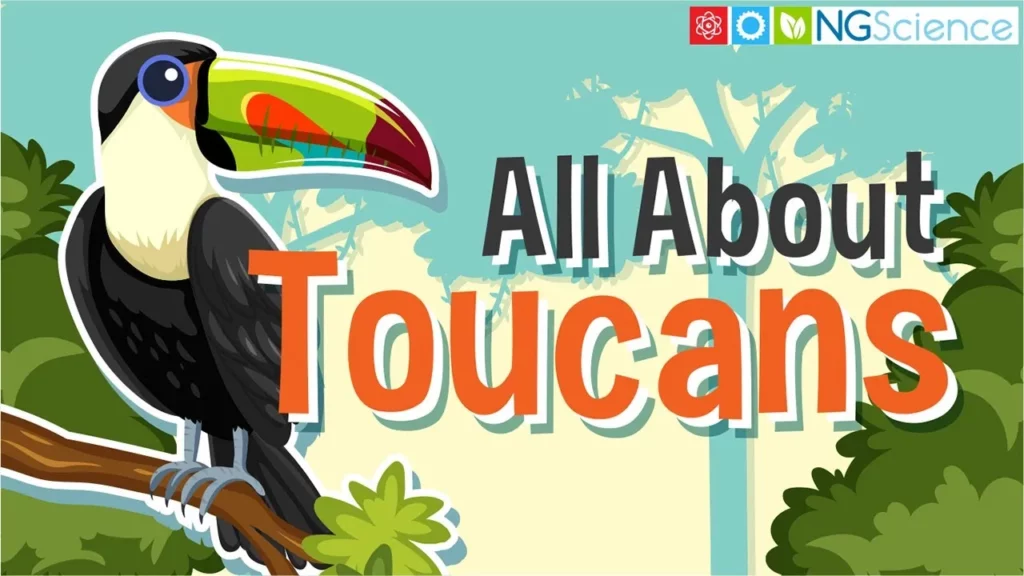
This lesson explores the unique characteristics and behaviors of toucans, remarkable birds found in rainforests. Key highlights include their lightweight, colorful bills used for eating fruit and their ability to hop between trees rather than fly. With around 40 different species, toucans are not only visually striking but also play an important role in their ecosystem.