
Guess the Secret Sounds!
In the “Guess the Secret Sounds!” lesson, participants engage in a fun auditory game where they listen to various sounds and guess their origins, such as a roaring lion, bowling, and a car engine starting. The lesson encourages active listening and interaction, culminating in a creative activity where participants can create their own secret sounds for others to guess.
Hummingbirds – A Closer Look
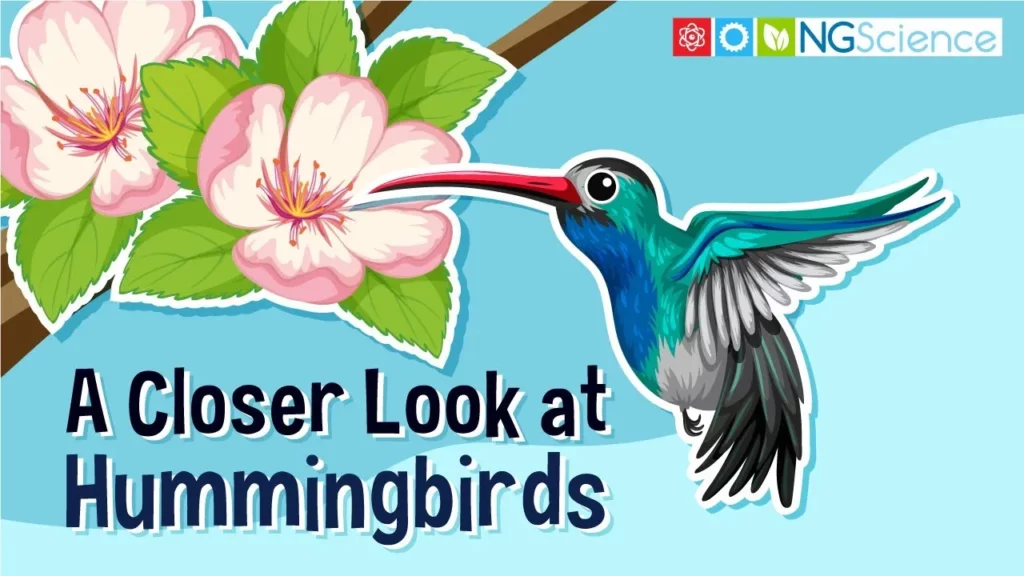
In this lesson, we explored the fascinating world of hummingbirds, the smallest birds on Earth, with the bee hummingbird measuring only about 5 centimeters. We learned about their unique anatomy, including their specialized beak for drinking nectar, and their incredible flying abilities, such as hovering and flying backwards. Additionally, we discovered the important ecological role they play in pollination, helping to sustain plant life and maintain the beauty of our environment.
Wildfires
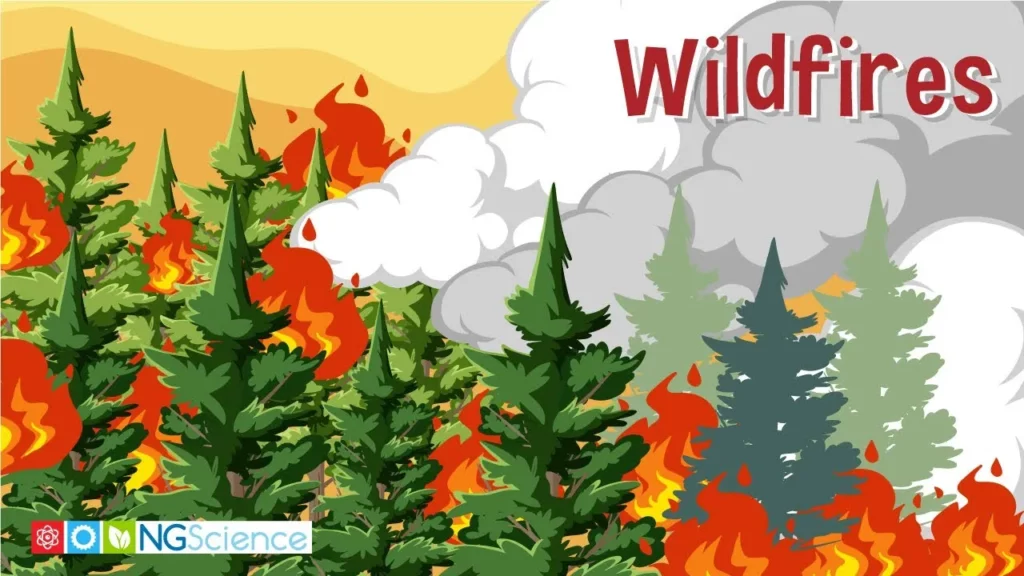
The lesson on understanding wildfires explains how prolonged hot and dry weather can lead to the ignition of wildfires, often sparked by lightning or human activities. It highlights the dangers posed by wildfires, including their rapid spread and potential to cause significant damage to homes, wildlife, and the environment. Emphasizing the importance of safety, the lesson encourages families to create a fire safety plan and stay informed to protect themselves during wildfire events.
Temperate Climates
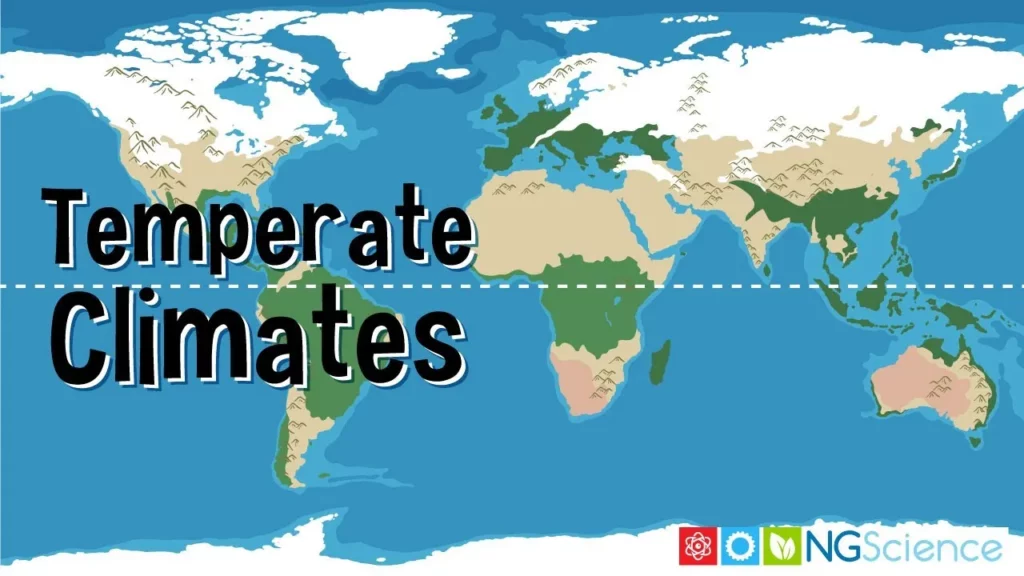
In this lesson, we explored temperate climates, which are located between tropical and polar regions, characterized by distinct seasonal changes throughout the year. Each of the four seasons—summer, fall, winter, and spring—brings unique weather patterns and activities, from warm summer picnics to winter snow sports. We also learned that while temperate climates experience rainfall, it is generally less than in tropical areas, with winter sometimes bringing snow.
Using Electricity
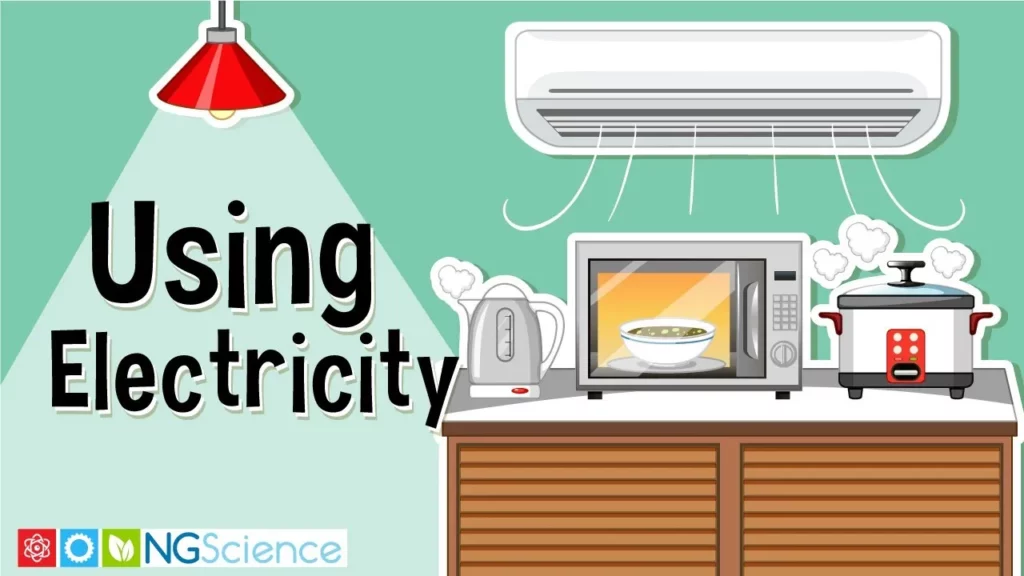
The lesson highlights the importance of electricity in our daily lives, explaining how it powers essential activities like lighting, washing clothes, and heating water. It discusses the sources of electricity, including power stations and batteries, and introduces the concept of electric cars, which utilize numerous batteries for long-distance travel. Overall, the lesson emphasizes the pervasive role of electricity in enhancing our everyday experiences.
Sources of Light
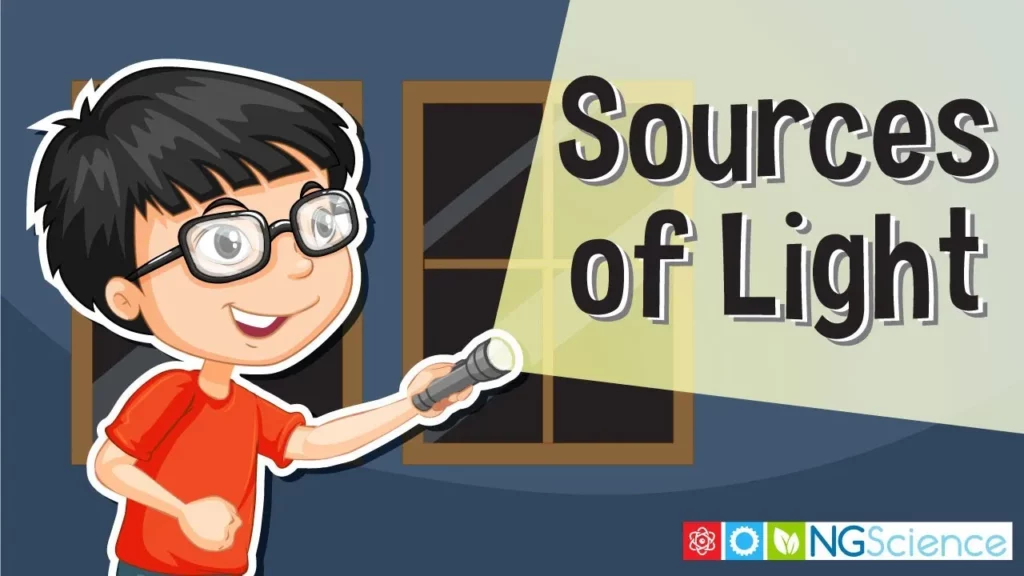
In this lesson, we explored the concept of sources of light, which are objects that produce their own light, such as the sun, light bulbs, and fire. We also learned about natural light sources like lightning and stars, while noting that the moon does not generate its own light but reflects sunlight. The lesson encourages observation of various light sources in our environment.
Plant Parts – Flowers
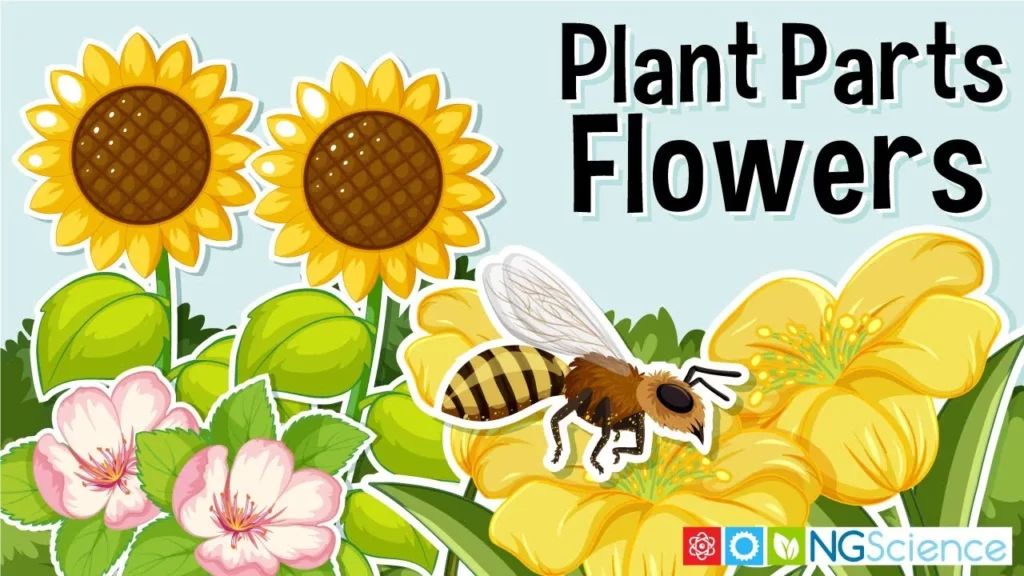
In this lesson, we explored the significance of flowers in plants, highlighting their role in seed production. Flowers not only come in various shapes, sizes, and colors, but they also attract insects and animals through nectar, which helps in the pollination process necessary for creating new plants. Understanding the importance of flowers enhances our appreciation for their beauty and vital functions in nature.
Sources of Heat
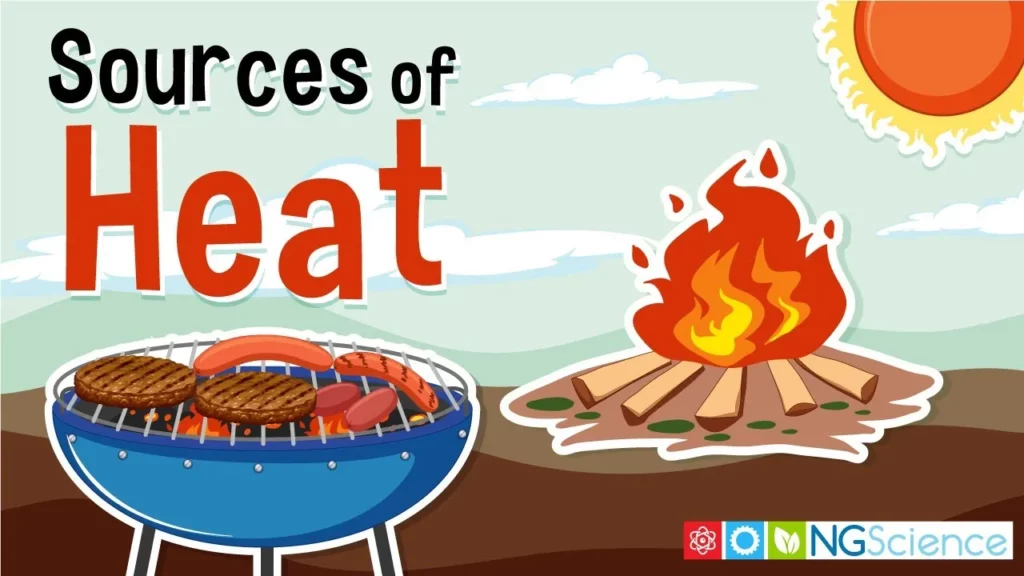
The lesson on “Sources of Heat” explains that heat is a form of energy that makes us feel warm, with the sun being the primary source of heat for our planet. It also highlights other sources of heat, such as burning materials like wood and gas, as well as common household appliances like ovens and hair dryers that generate heat for various everyday tasks. Understanding these sources helps us appreciate the role of heat in our daily lives.
Planets in the Solar System – Saturn
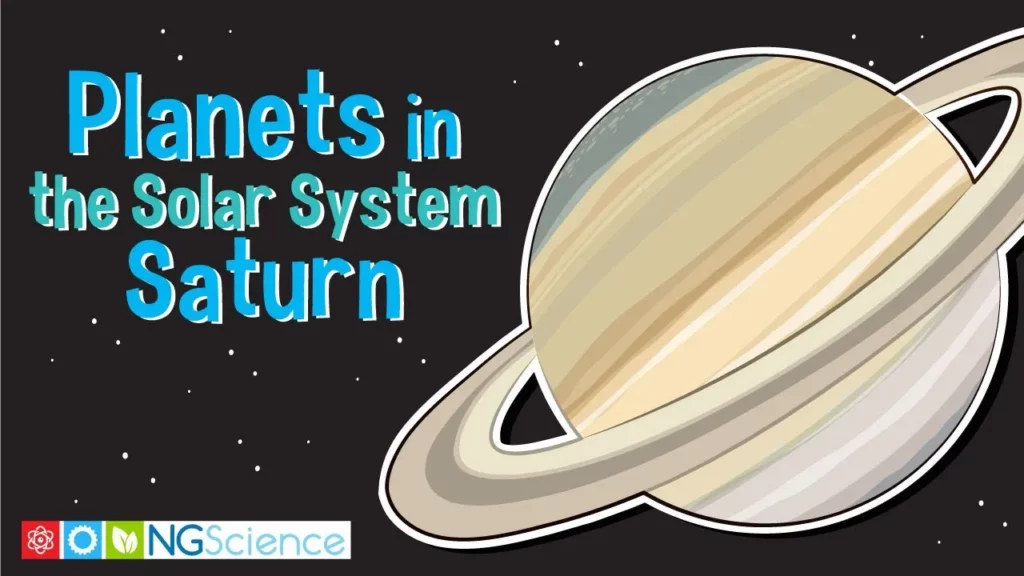
Saturn, the sixth planet from the Sun and the second largest in the solar system, is a gas giant known for its impressive rings made of ice and rock. It has 82 moons and takes about 29 Earth years to orbit the Sun, while rotating rapidly every 10.5 hours. With the strongest winds in the solar system, reaching speeds of up to 1,800 kilometers per hour, Saturn is a captivating planet, although it lacks a solid surface for landing.
African Savannah – Virtual Field Trip
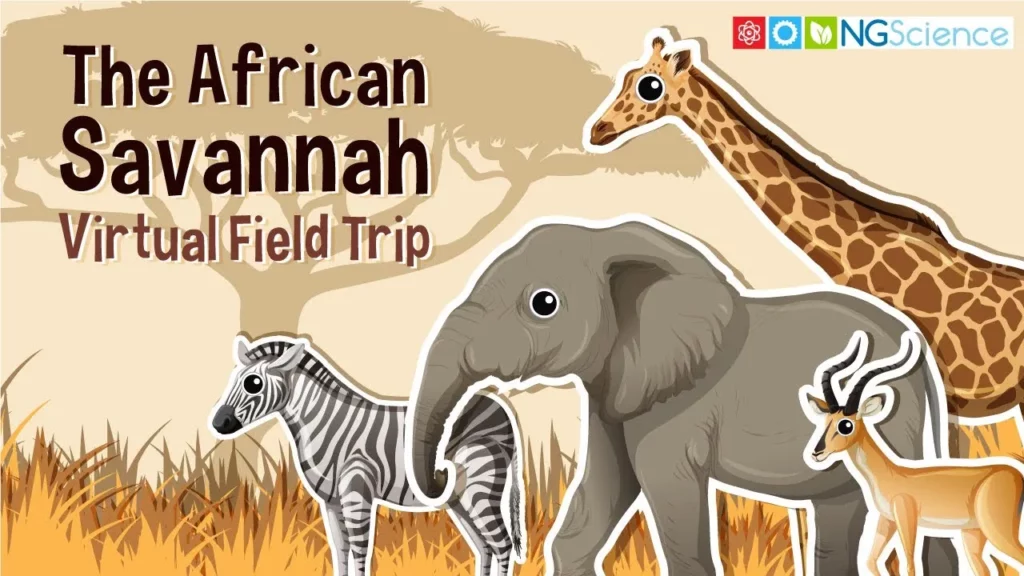
In this lesson, students embark on a virtual field trip to the African savannah, a vast tropical grassland known for its warm climate and seasonal rainfall. They explore the diverse ecosystem, learning about the various plants and animals that inhabit the savannah, including herbivores like giraffes and elephants, and predators such as lions and cheetahs, all of which are interconnected in the “circle of life.” The lesson emphasizes the unique adaptations of both flora and fauna that enable them to thrive in this dynamic environment.