
Organisms of the Past – Wooly Mammoths
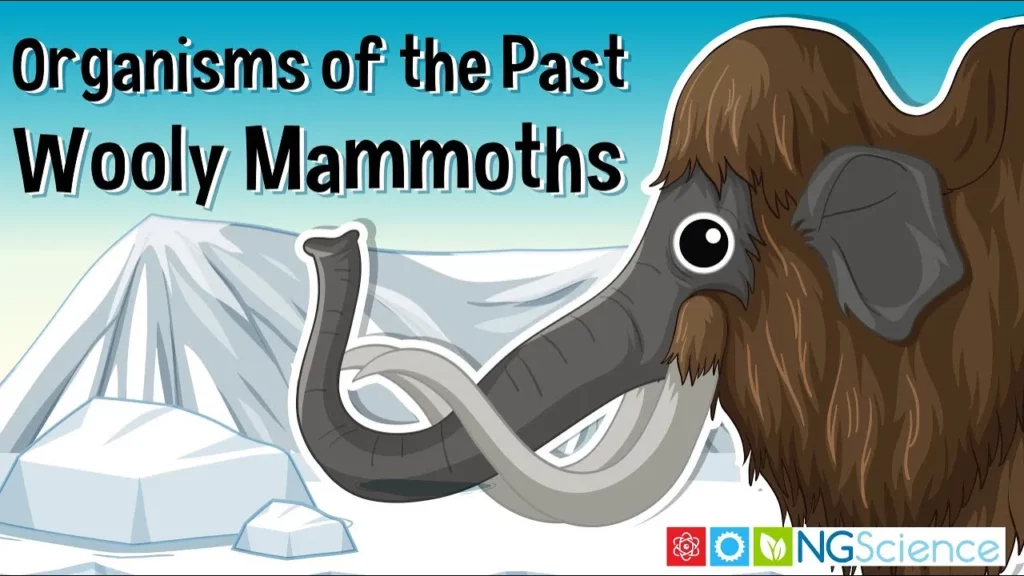
The lesson on woolly mammoths explores these fascinating Ice Age creatures, highlighting their size, habitat, and adaptations for survival in cold climates. It explains how they lived in regions like Europe, Russia, and North America, primarily feeding on grasses, and discusses their extinction around 10,000 years ago due to climate change and human hunting. The lesson encourages reflection on other extinct animals and the historical context of these magnificent beings.
Alpine Climates

Alpine climates, found at elevations of 3,000 meters or more, are characterized by consistently cold temperatures, rarely exceeding 10 degrees Celsius, and harsh conditions that limit vegetation to specific plants and animals. These unique environments, located just below mountain snowlines, play a crucial role in understanding weather patterns and provide opportunities for outdoor activities like hiking and skiing. Their distinct characteristics and ecological significance make alpine climates an important area of study and appreciation.
Measuring Speed

In this lesson, we explored the concept of speed, understanding that different objects move at varying rates and can be measured using distance and time. By applying the formula for speed—distance divided by time—we learned how to calculate speed in different units, such as kilometers per hour and meters per second. This knowledge empowers us to quantify movement, just like scientists do!
Planets in Our Solar System
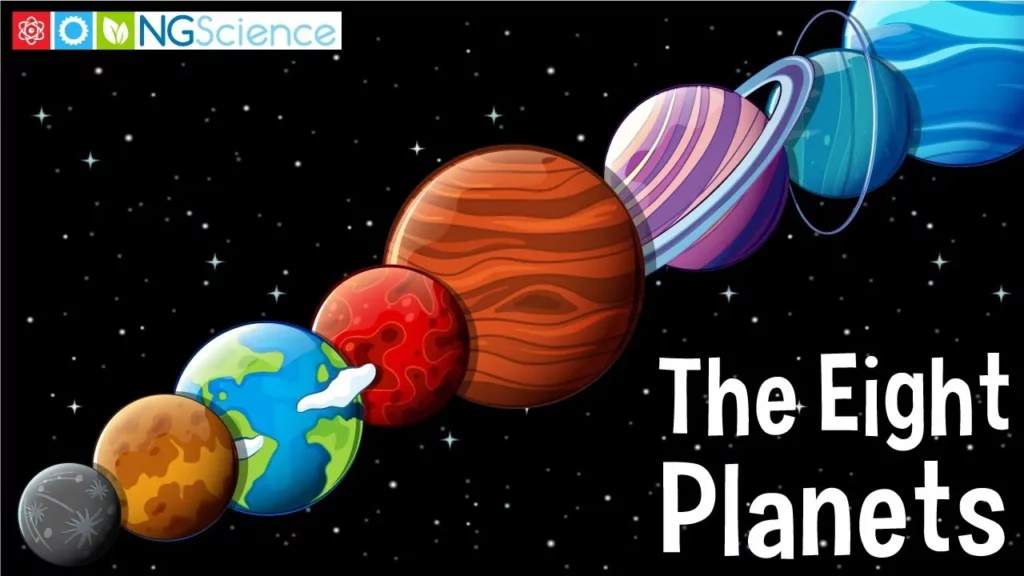
In today’s lesson, we explored the eight planets of our solar system, dividing them into two categories: the inner rocky planets (Mercury, Venus, Earth, and Mars) and the outer gas giants (Jupiter, Saturn, Uranus, and Neptune). Each planet has unique characteristics, such as Mercury being the smallest and closest to the sun, while Jupiter is the largest and Saturn is known for its stunning rings. This journey through space highlights the diversity and wonder of our celestial neighbors.
Australia’s Top 5 Mammals
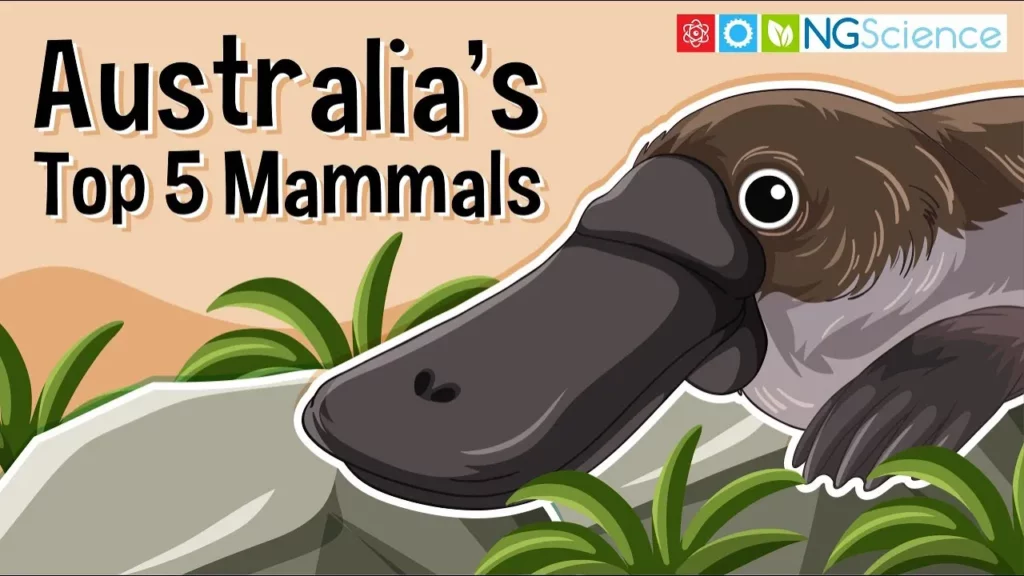
This lesson introduces students to five remarkable mammals native to Australia, highlighting their unique characteristics and adaptations. The kangaroo, koala, wombat, echidna, and platypus each showcase fascinating traits, such as the kangaroo’s impressive jumping ability and the platypus’s distinctive features, including its egg-laying and venomous male. Overall, the lesson emphasizes the diversity of Australian wildlife and encourages curiosity about other unique animals from the region.
Animals on the Move
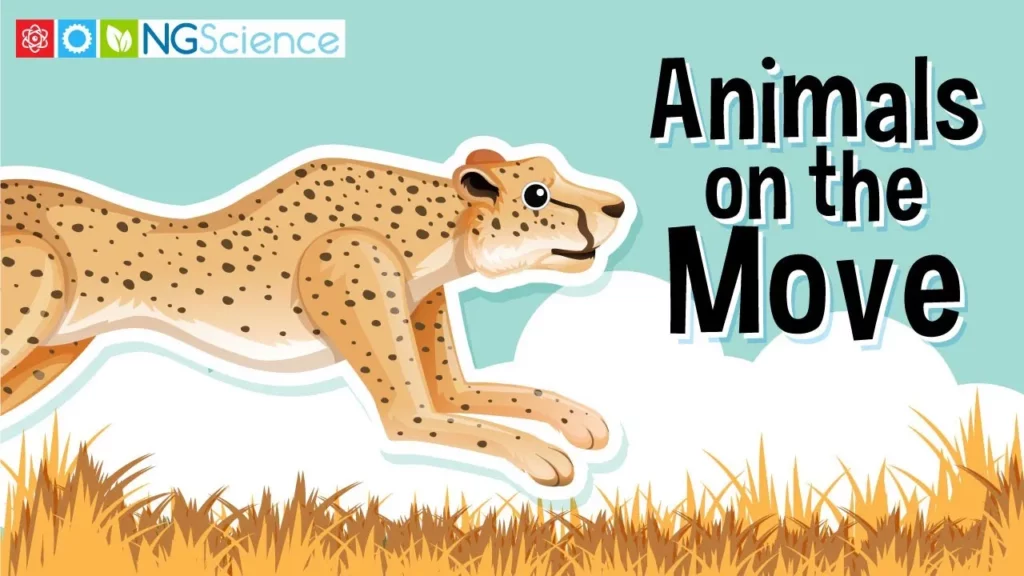
In this lesson, students explore the various ways animals move, including walking, running, crawling, slithering, jumping, flying, and swimming. Through engaging examples like dogs, turtles, frogs, and birds, learners discover the unique adaptations that allow different animals to navigate their environments. The lesson encourages curiosity about animal movement and invites students to think of additional ways animals can move, fostering a sense of wonder about the animal kingdom.
Forces in Nature
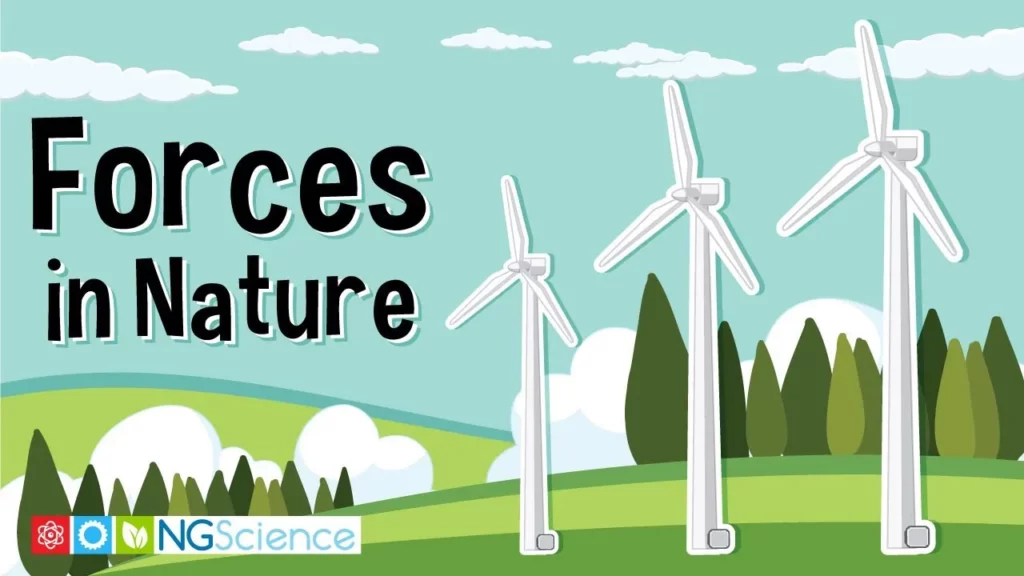
The lesson “Forces in Nature” explores how natural forces, such as wind and water, create movement in the environment. It highlights the impact of wind on activities like sailing and kite flying, as well as the role of flowing water in kayaking and surfing. The lesson encourages students to think about other natural forces that contribute to movement in nature.
Intelligent Creatures
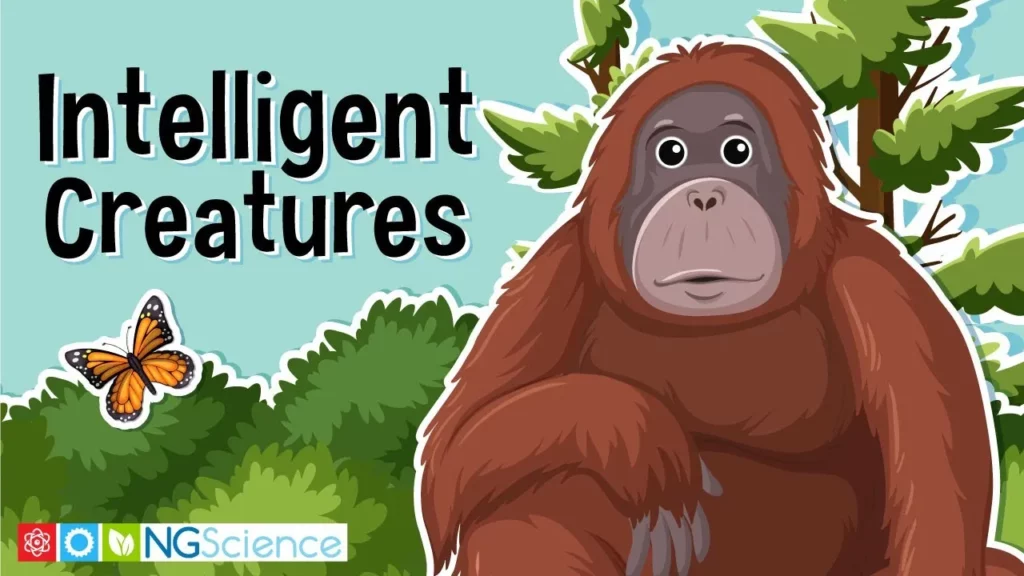
The lesson “Intelligent Creatures” highlights the remarkable cognitive abilities of various animals, showcasing the top five smartest species: crows, elephants, orangutans, dolphins, and chimpanzees. Each animal demonstrates unique intelligence through social interactions, communication, memory, and problem-solving skills, emphasizing the complexity and richness of animal behavior. The lesson encourages exploration and appreciation of the diverse capabilities found within the animal kingdom.
Exoskeletons – The Armor of the Arthropods
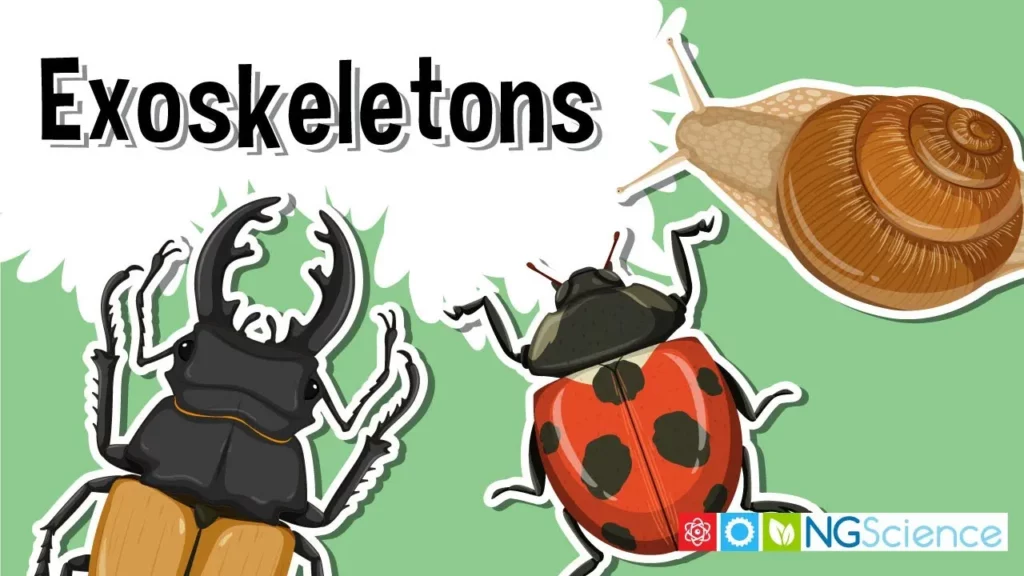
This lesson introduces the concept of exoskeletons, which serve as protective armor for invertebrates like insects, lobsters, and spiders, distinguishing them from vertebrates that have internal skeletons. Exoskeletons, made of chitin, provide shape, mobility, and protection while also helping these animals retain moisture. The lesson also explains the process of molting, where invertebrates shed their old exoskeleton to grow a new one, highlighting the unique adaptations of these fascinating creatures.
Australian Outback – Virtual Fieldtrip

In this virtual field trip to the Australian Outback, students explore the unique wildlife and ecosystems of this vast, arid region. They learn about iconic marsupials like kangaroos and koalas, as well as fascinating reptiles and birds, including the venomous inland taipan and the wedge-tailed eagle. The lesson highlights the diversity of life in the Outback, emphasizing both its adorable and more dangerous inhabitants.