
Surprisingly Dangerous Animals
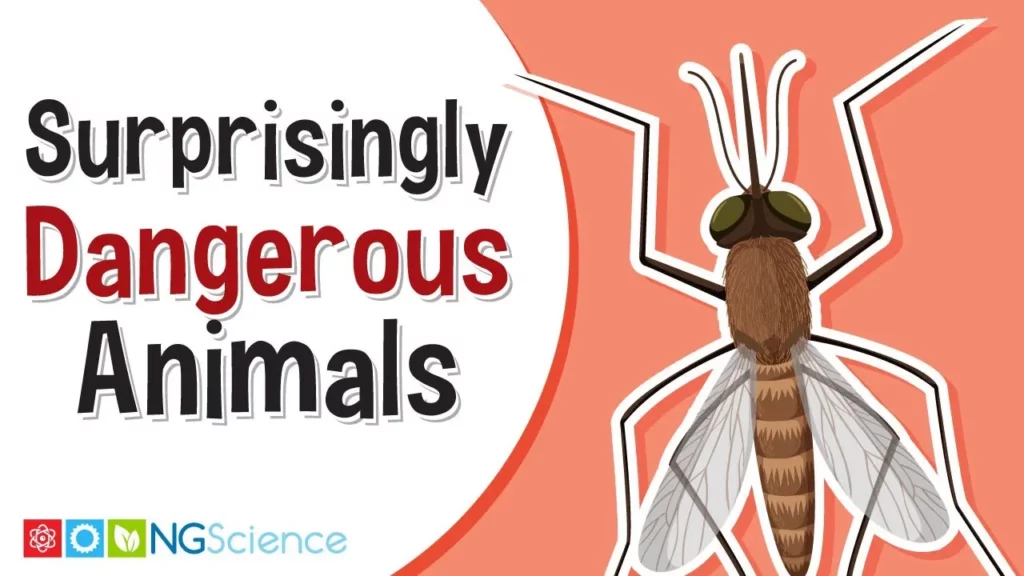
The lesson highlights five surprisingly dangerous animals that may appear harmless but can pose significant threats. From the aggressive swan protecting its young to the deadly blue-ringed octopus and the disease-spreading mosquito, the lesson emphasizes the importance of understanding the hidden dangers in nature. It encourages awareness and caution when interacting with these seemingly benign creatures.
Keeping Fit and Staying Healthy
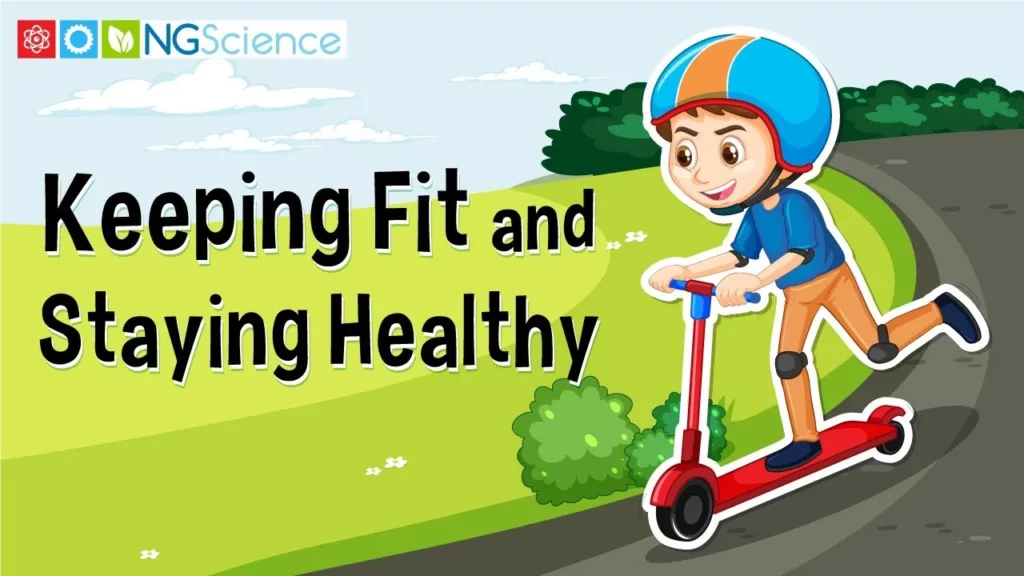
The lesson on “Keeping Fit and Staying Healthy” emphasizes the importance of caring for our bodies through cleanliness, physical activity, healthy eating, and adequate sleep. By maintaining good hygiene, staying active, consuming nutritious foods, and ensuring we get enough rest, we can keep our bodies strong and energized for all the fun activities we love. Taking these steps is essential for overall health and well-being.
Severe Weather
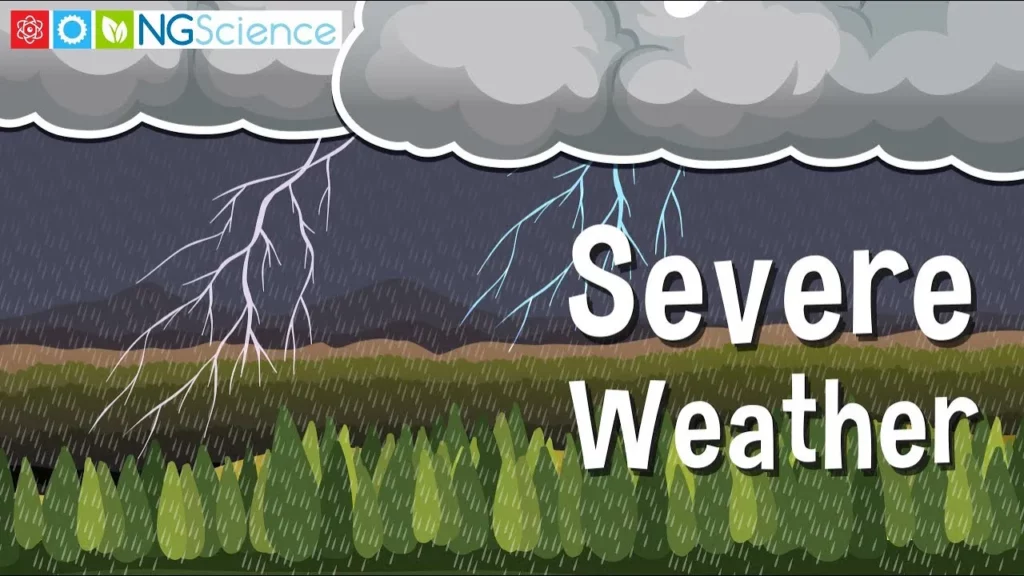
This lesson on severe weather introduces various types of extreme weather events, including thunderstorms, hurricanes, tornadoes, and blizzards, highlighting their characteristics and potential dangers. It emphasizes the importance of safety measures and preparedness, encouraging families to discuss local weather risks and create emergency plans to stay safe during such events. Understanding these weather phenomena helps individuals recognize their impact and take proactive steps to protect themselves and their homes.
Why Do Animals Form Groups?
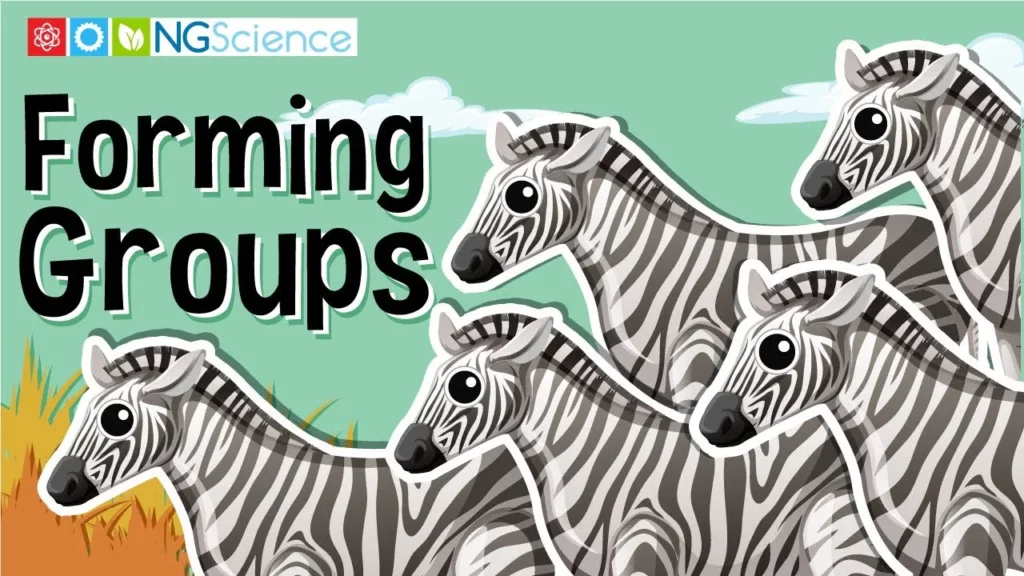
The lesson explores the reasons why animals form groups, highlighting key survival benefits such as staying warm in cold environments, finding food more efficiently, escaping predators, and facilitating mating and raising young. For instance, emperor penguins huddle together for warmth, while lions and ants collaborate to hunt and gather food. Additionally, living in groups allows young animals to learn essential survival skills from their peers and receive care from older members.
All About Fungi
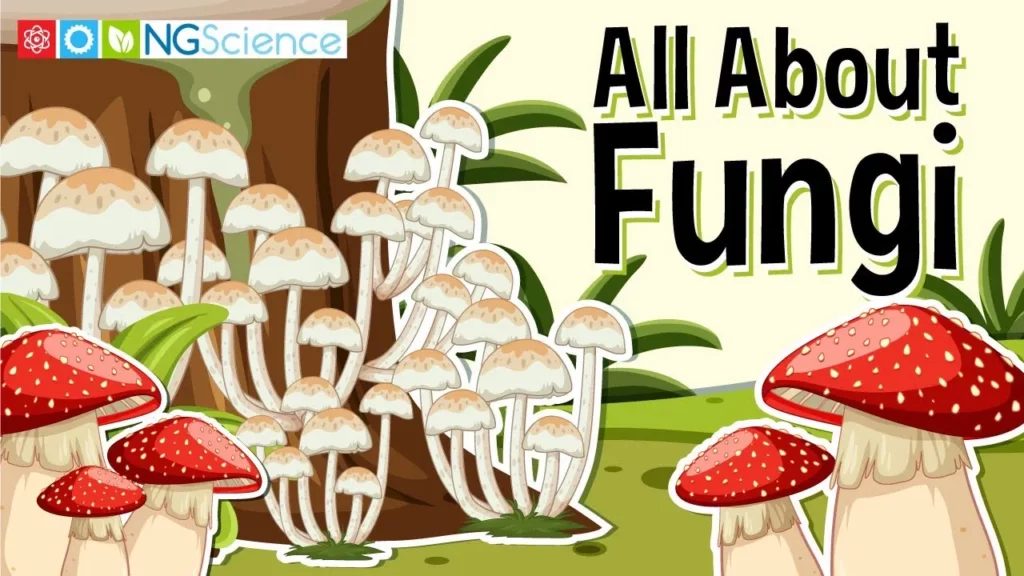
This lesson introduces fungi, highlighting their unique characteristics that distinguish them from plants, such as their inability to photosynthesize and their role as decomposers. It explains the various shapes and sizes of fungi, their reproductive methods through spores, and their significance in our lives, including their use in food, brewing, and medicine. Overall, fungi are essential to both the ecosystem and human activities, making them an intriguing subject of study.
Interactions in Ecosystems – Wetlands
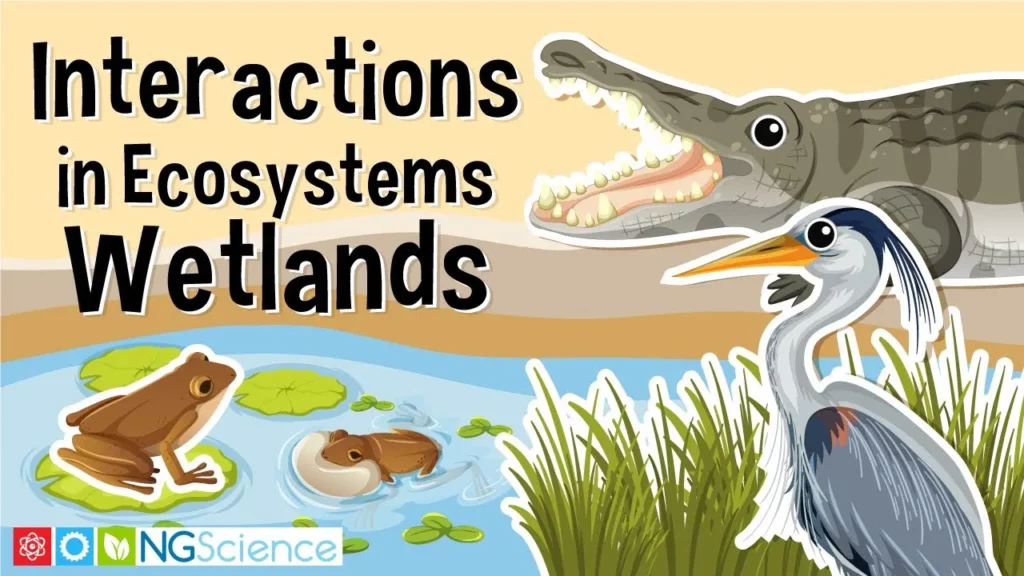
This lesson introduces wetlands as unique ecosystems characterized by water-covered land that supports a diverse range of plant and animal life. It highlights the importance of wetland plants, such as water lilies and cattails, in providing food and shelter for various animals, including birds, amphibians, and mammals. Additionally, the lesson emphasizes the seasonal changes in wetlands, which affect the growth of plants and the presence of wildlife, encouraging exploration of local wetland areas.
Ecosystem Organisation
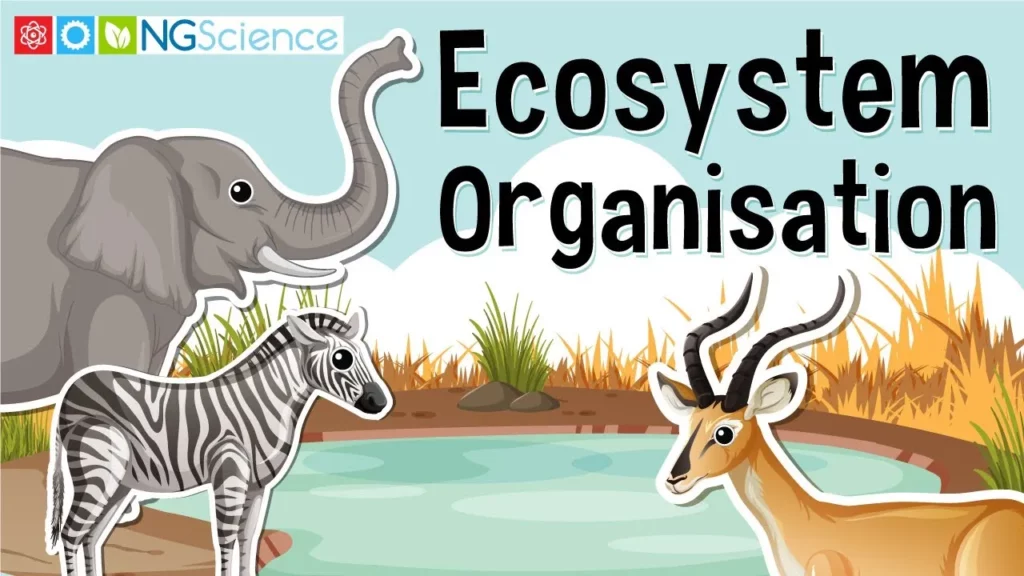
The lesson on ecosystem organization explores the various levels that make up ecosystems, starting from individual organisms to populations, communities, and finally ecosystems as a whole. It emphasizes the interconnectedness of living things and their environment, illustrating how different populations interact within a community and how these interactions, along with non-living elements, contribute to the overall health and balance of the ecosystem. Understanding these relationships highlights the complexity and beauty of nature.
Mangroves – Guardians of the Coast
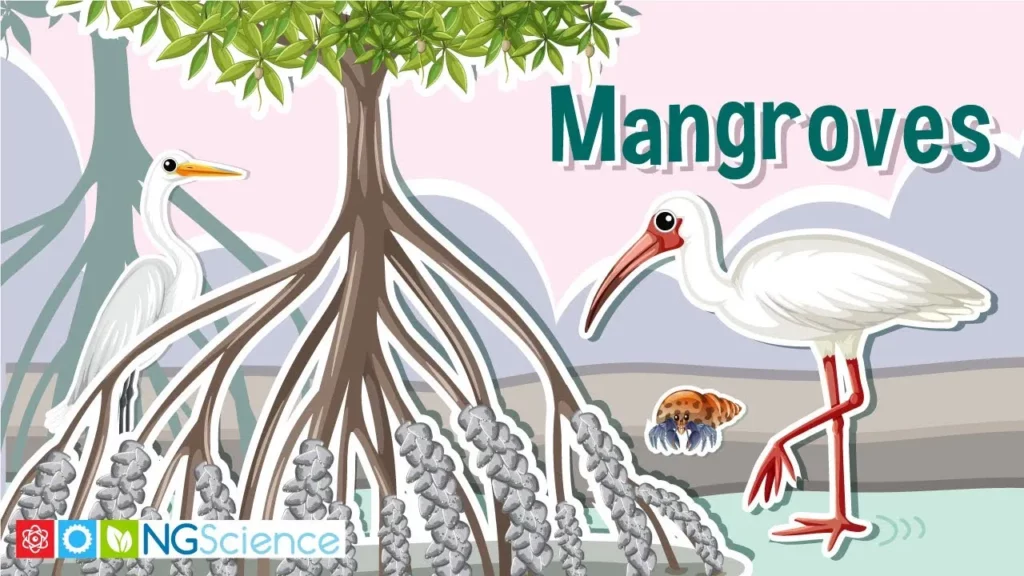
The lesson on mangroves highlights their unique adaptations that allow them to thrive in intertidal regions, such as stilt roots for stability and pneumatophores for breathing in low-oxygen soil. Additionally, it emphasizes the ecological importance of mangroves, as they provide habitat for various wildlife and protect coastlines from erosion and natural disasters. Overall, mangroves are essential guardians of coastal ecosystems.
All About Fruit
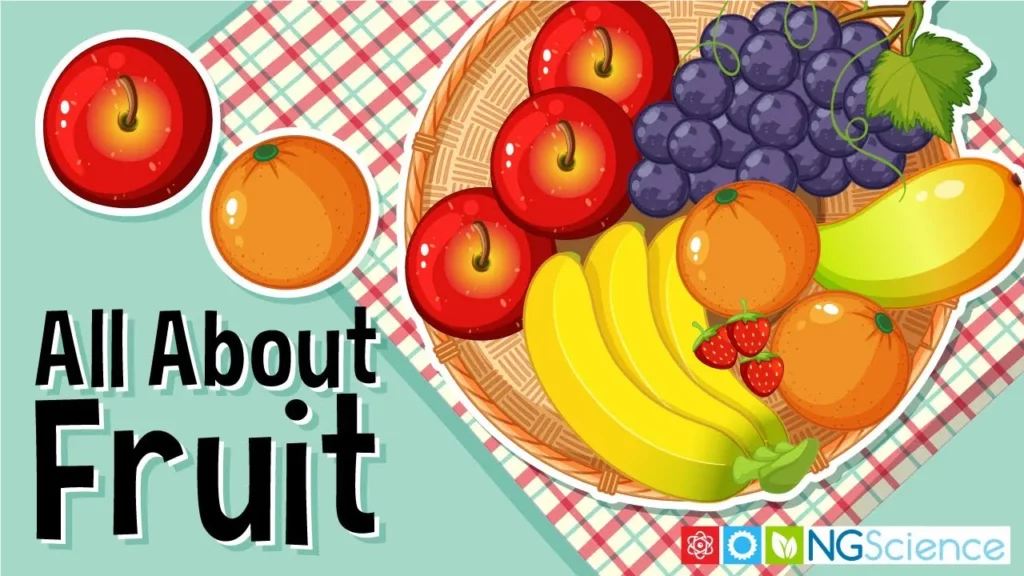
In this lesson, we explored the fascinating world of fruit, learning that plants produce fruit to protect their seeds, which can grow into new plants. We also discovered how animals help in seed dispersal by eating fruit, allowing seeds to travel to new locations. To add a bit of fun, the lesson included a light-hearted joke about bananas, making the learning experience enjoyable.
Great Barrier Reef – Virtual Feld Trip
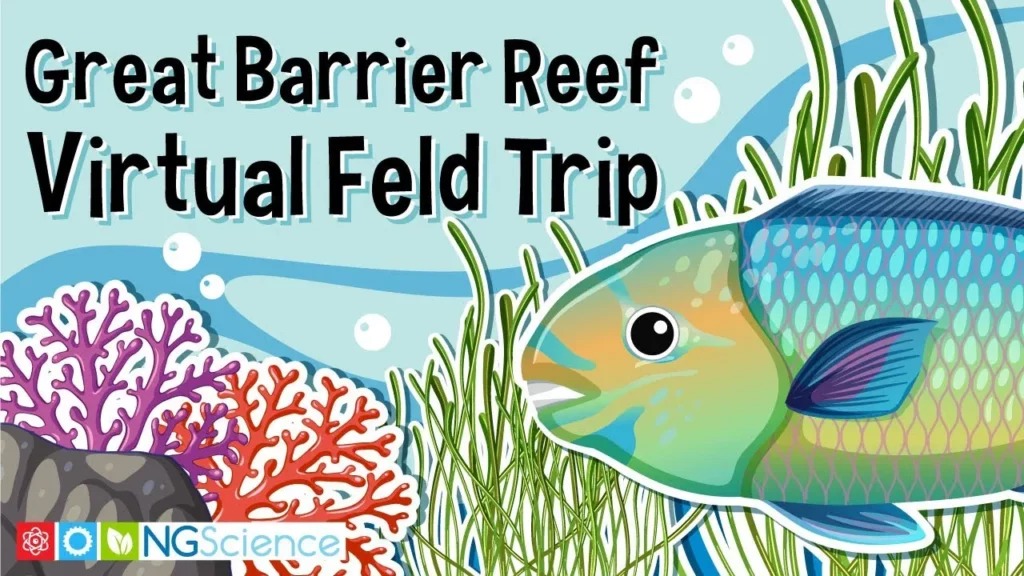
In this virtual field trip, students explore the Great Barrier Reef, the world’s largest coral reef system located off the coast of Queensland, Australia. They learn about the diverse marine life that inhabits the reef, including coral polyps, various fish species, sea turtles, marine mammals, and invertebrates. The lesson emphasizes the importance of this unique ecosystem and encourages students to consider visiting the reef in person.