
Heat and Light from the Sun
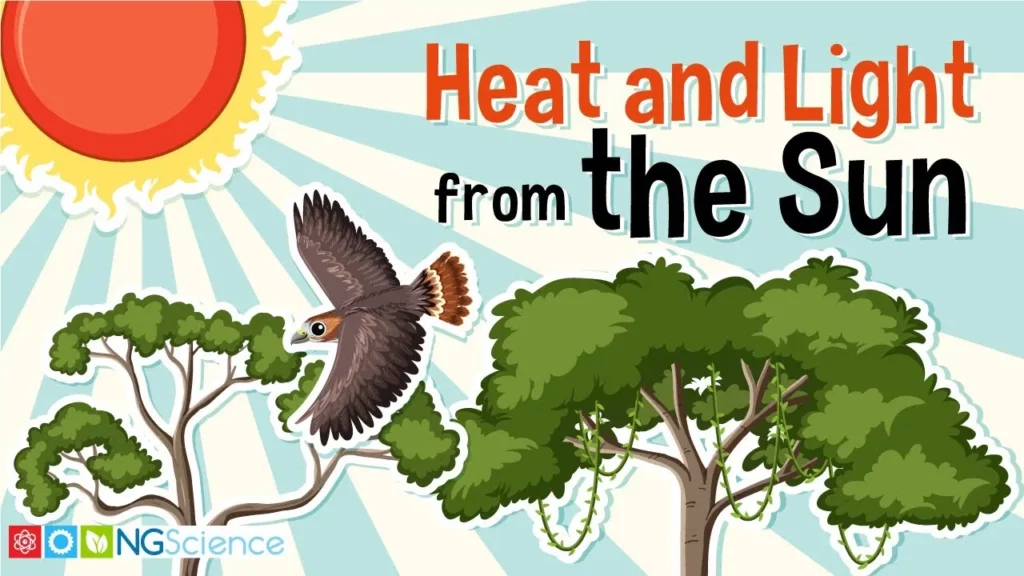
The lesson “Heat and Light from the Sun” emphasizes the sun’s crucial role in providing light and warmth essential for life on Earth. It explains how the sun warms the environment, supports plant growth through photosynthesis, and aids animals and humans in their daily activities. Overall, the lesson highlights the interconnectedness of all living things and their reliance on sunlight for survival and well-being.
Evidence of Chemical Change – Production of a Gas
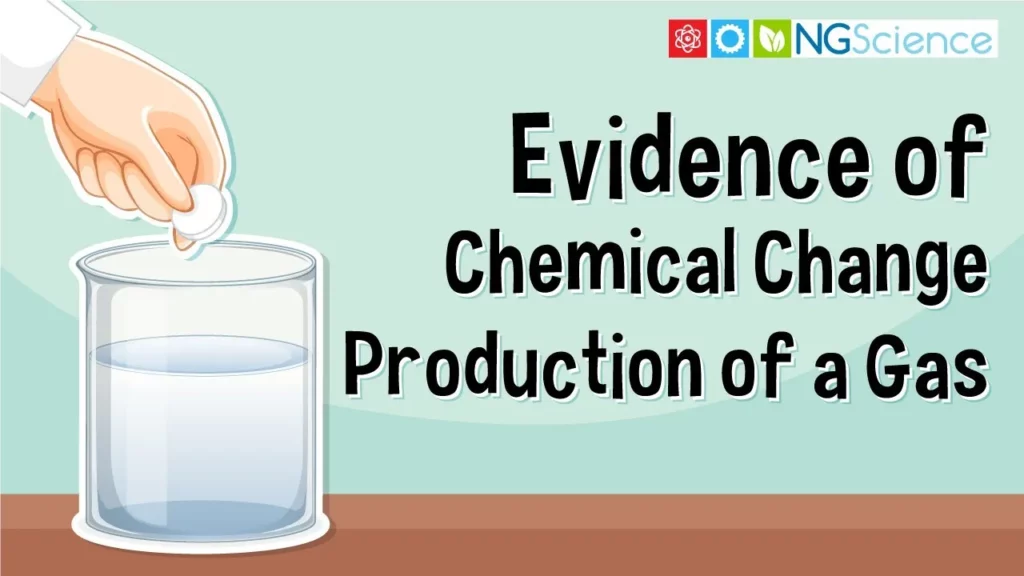
This lesson explores the concept of chemical changes, specifically through the example of dropping an antacid tablet into water, which produces fizzing and bubbles due to the formation of carbon dioxide gas. It highlights that gas formation is a key indicator of a chemical change, distinguishing it from physical changes where no new substances are created. The lesson encourages hands-on experimentation to observe these changes and fosters curiosity about the science of chemistry.
Magnet Race Car!
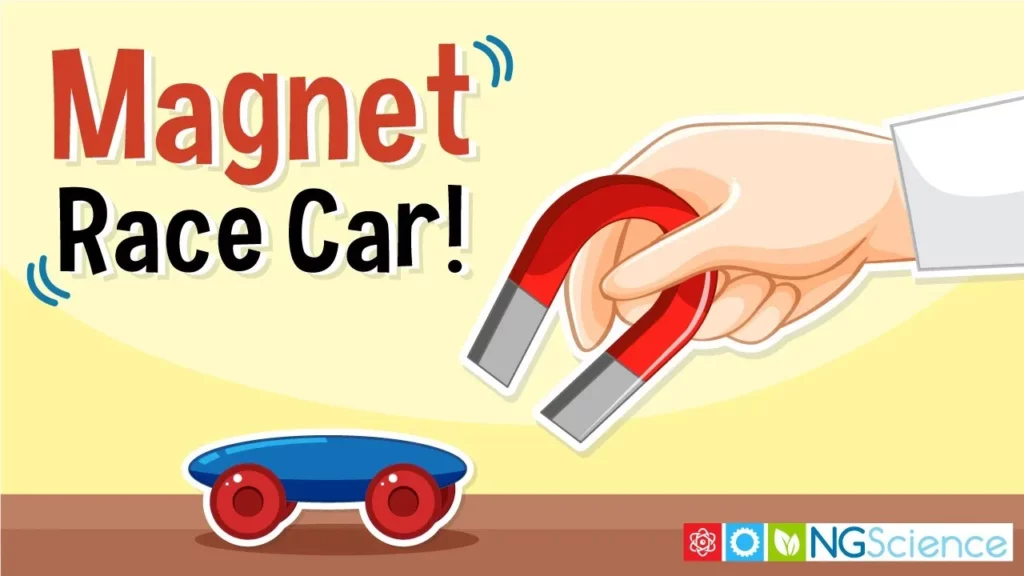
In this lesson, students learn about magnets, including their properties, how they attract and repel each other based on their poles, and their practical applications in everyday life. The lesson encourages hands-on exploration by creating a magnet race car, allowing students to experience the principles of magnetism in a fun and engaging way. Overall, it emphasizes the importance of curiosity and experimentation in understanding how magnets work.
Bouyancy – Will an object float or sink when placed in water?
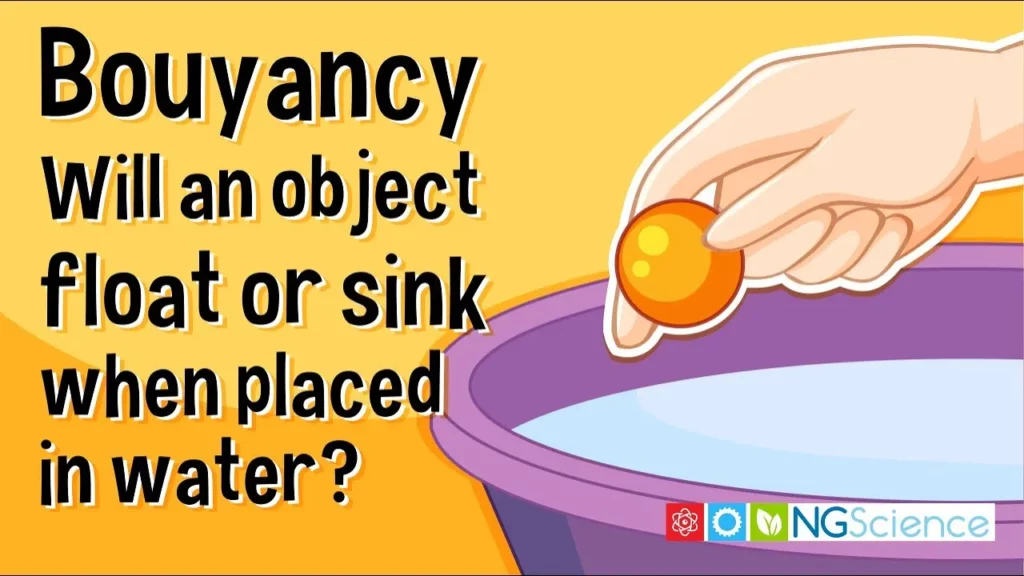
In this lesson on buoyancy, students explore why some objects float while others sink in water. They learn that lighter objects, like a ping pong ball and a pencil, tend to float due to their air content, while heavier items, such as rocks and coins, sink because they lack air and are denser. The lesson encourages hands-on exploration and observation of buoyancy in everyday objects.
Transverse and Longitudinal Waves
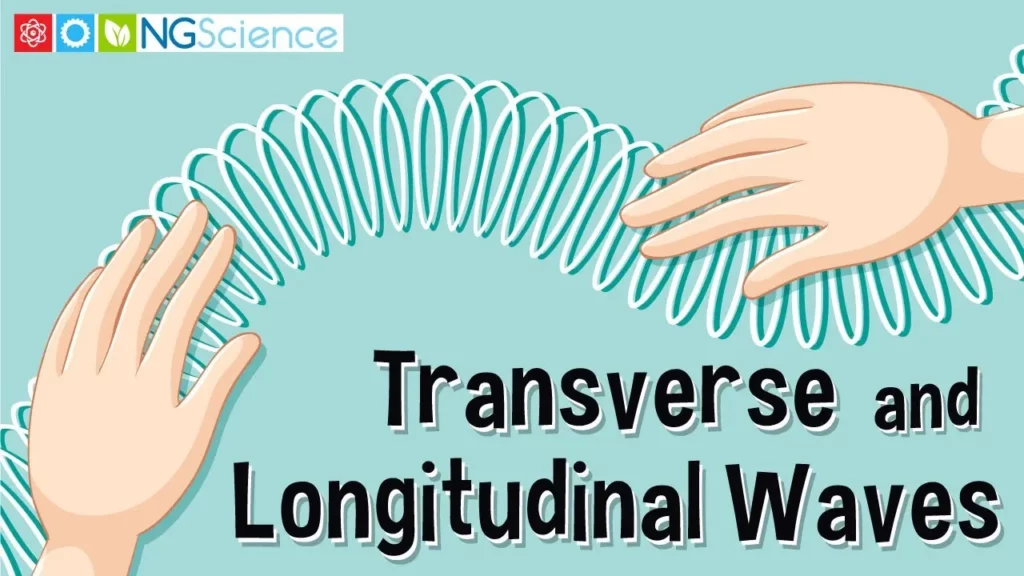
This lesson introduces the two main types of waves: transverse and longitudinal. Transverse waves involve particle movement that is perpendicular to the wave’s direction, as seen in light and water waves, while longitudinal waves feature particle movement that is parallel to the wave’s direction, exemplified by sound waves. Understanding these differences is crucial for applications in various fields, including technology and medicine, and enhances our appreciation of the science behind everyday phenomena.
Electric Charge
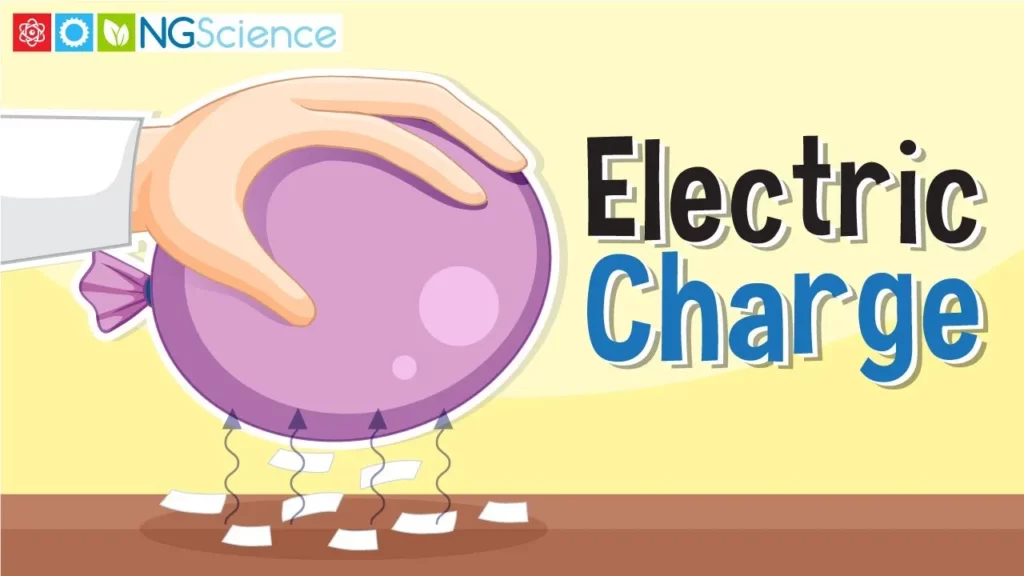
This lesson explores the concept of electric charge, explaining that it is a property of certain particles that leads to attraction or repulsion between them. It distinguishes between positive and negative charges, describes how charged and neutral objects interact through induction, and provides everyday examples of static electricity. The lesson highlights the significance of electric charge in both natural phenomena, like lightning, and in our daily experiences, such as feeling a static shock.
Potential and Kinetic Energy – Newton’s Cradle
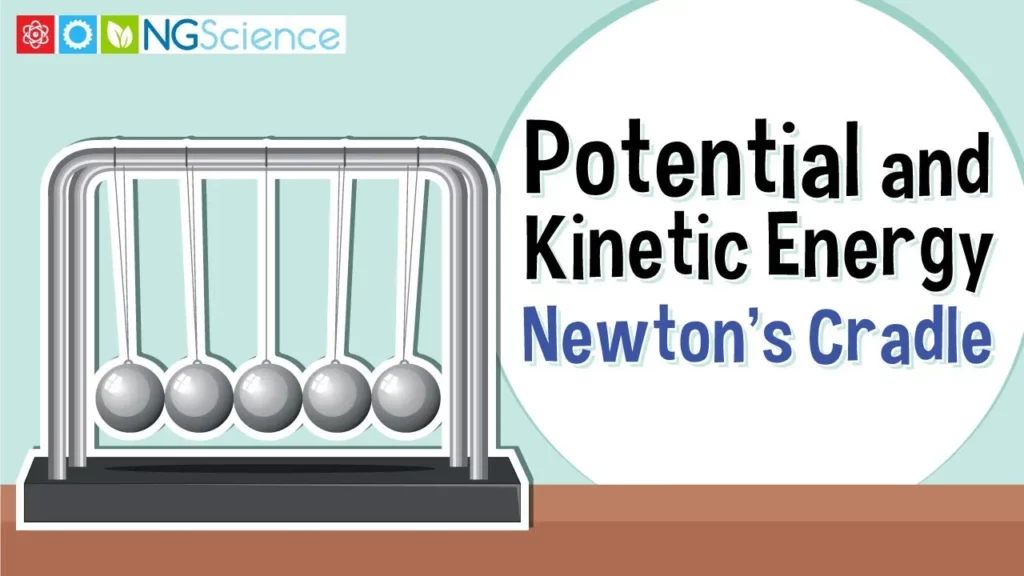
The lesson on Newton’s Cradle illustrates the concepts of potential and kinetic energy through a simple yet engaging demonstration. When a ball is lifted, it possesses potential energy, which transforms into kinetic energy when released, causing a chain reaction that showcases energy transfer and conservation. This hands-on experience not only highlights the principles of physics but also emphasizes the continuous transformation of energy in our world.
How Can You Separate a Mixture of Sand and Stones

In this lesson, we learned about mixtures, specifically how to separate sand and stones using a sieve. A mixture consists of two or more substances that can still be identified separately, and by shaking the sieve, the smaller sand particles fall through while the larger stones remain. This simple method demonstrates how tools can effectively solve separation problems in mixtures.
Is Folding Paper a Physical or Chemical Change
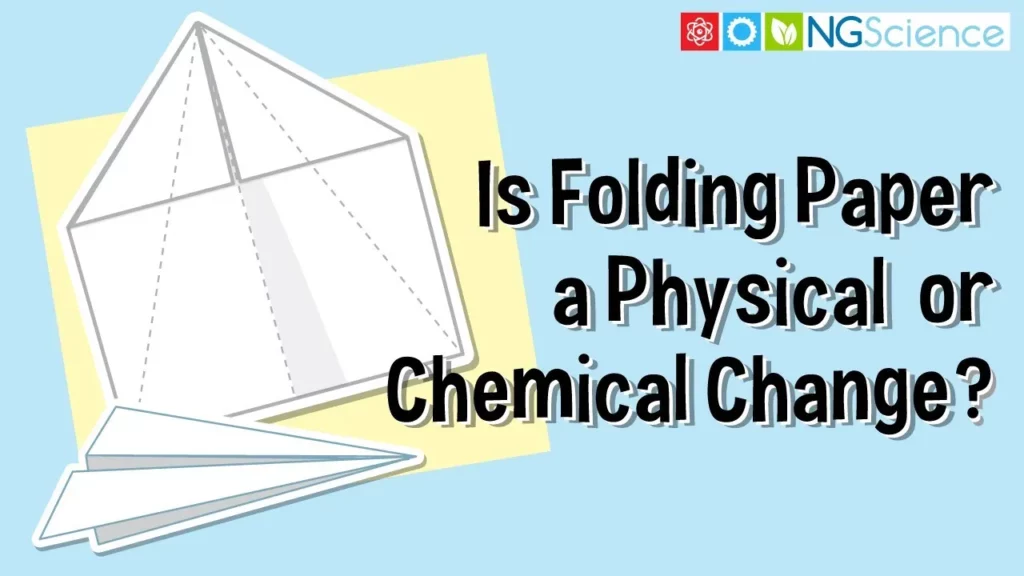
In this lesson, students learn that folding paper is an example of a physical change, as it alters the paper’s shape without creating a new substance. Unlike chemical changes, which result in the formation of new materials that cannot be reverted to their original state, physical changes allow the original material to be restored, such as unfolding the paper. The lesson encourages curiosity and exploration of science in everyday activities.
What Causes Light to Refract?
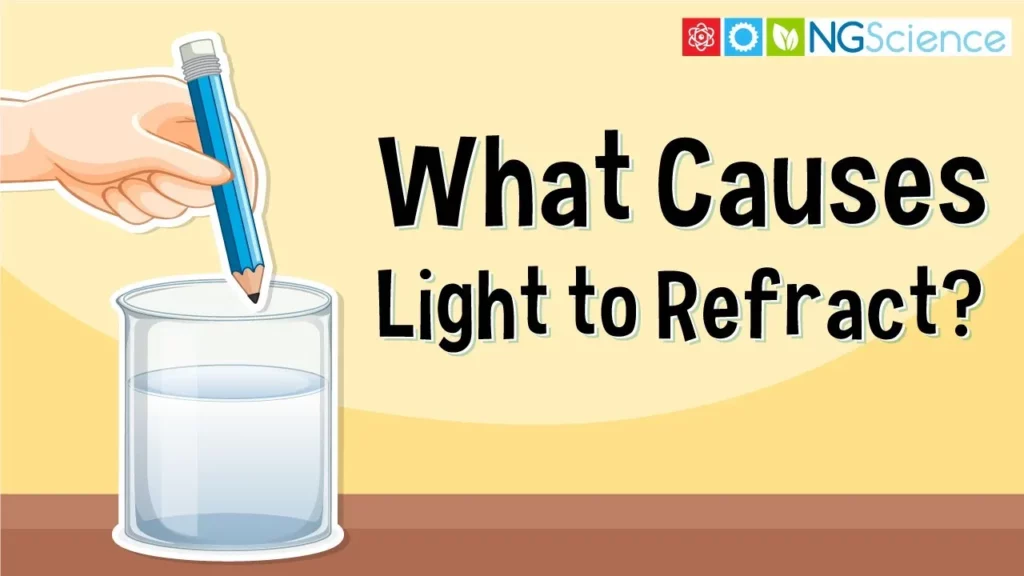
The lesson explains the phenomenon of refraction, which occurs when light bends as it transitions between different materials, such as air and water. This bending happens because light travels at different speeds in different substances, causing it to change direction and create optical illusions, like a straw appearing bent in a glass of water. An engaging experiment is suggested to observe refraction firsthand by placing a pencil in water and viewing it from the side.