
Evidence of Chemical Change
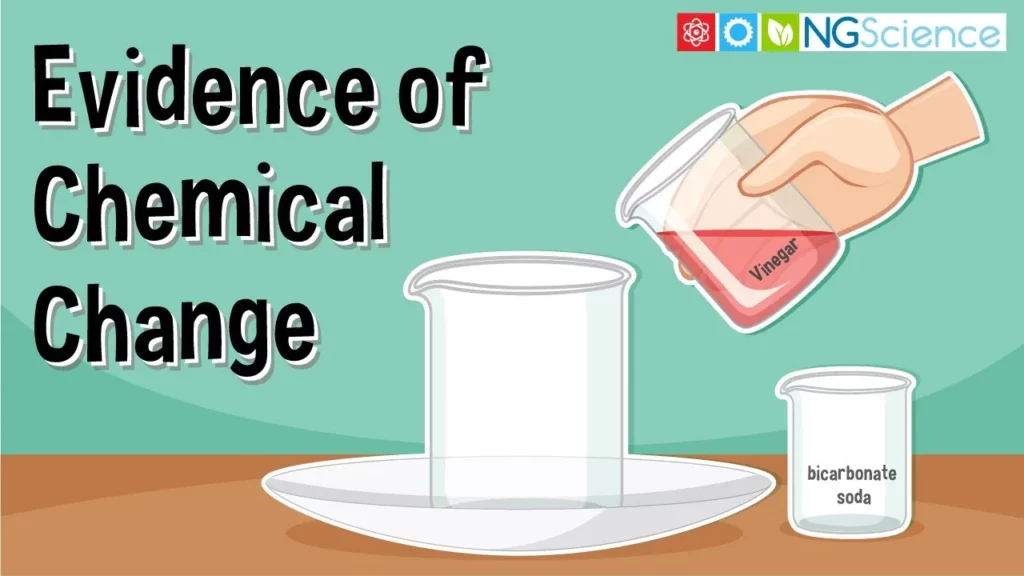
In this lesson, we explore the concept of chemical changes through a fun experiment involving vinegar and baking soda. When these two substances are mixed, they react to produce carbon dioxide gas, resulting in bubbling and foaming, which illustrates the formation of a new substance. Understanding chemical changes is essential as they occur in various everyday processes, helping us learn about the interactions between different materials.
Yellowstone National Park – Virtual Field Trip
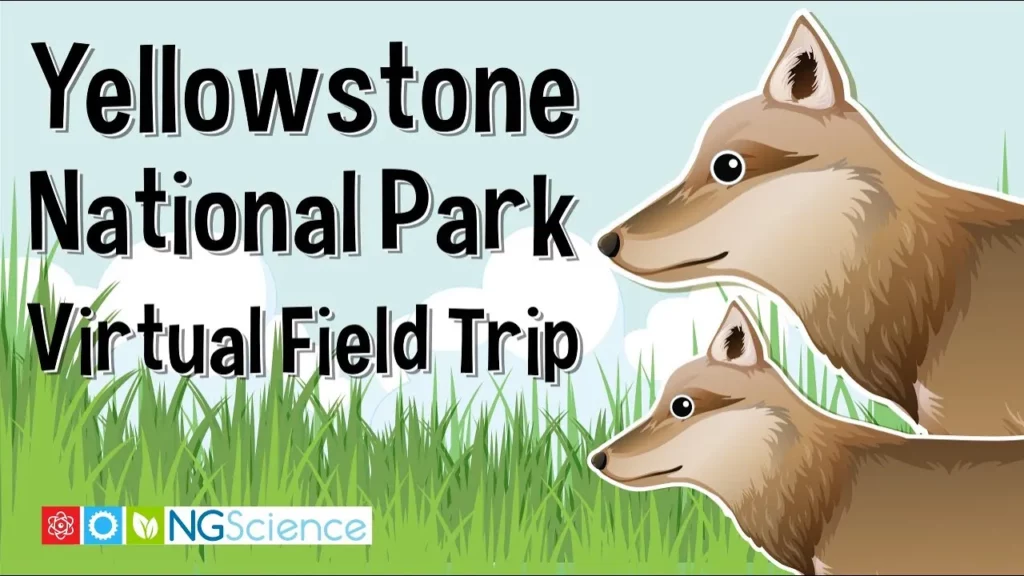
In this virtual field trip to Yellowstone National Park, students learned about the park’s significance as the world’s first national park, established in 1872, and its vast natural beauty spanning three states. The lesson highlighted the diverse wildlife, including grizzly bears and over 300 bird species, as well as iconic attractions like the predictable Old Faithful Geyser and the stunning views from Artist Point. Overall, the trip aimed to inspire appreciation for Yellowstone’s unique ecosystems and breathtaking landscapes.
Is breaking a popsicle stick a chemical or physical change?
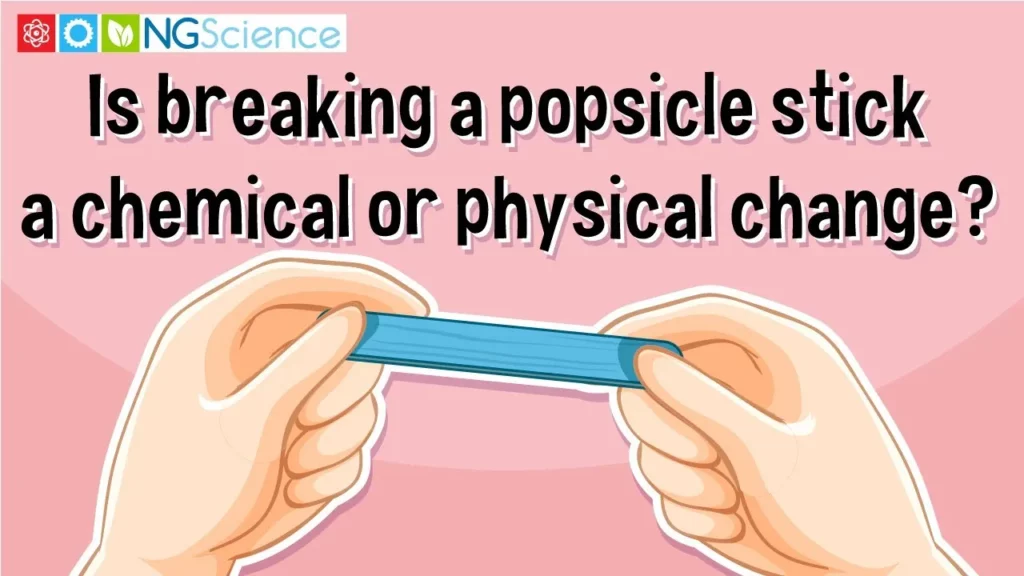
In this lesson, we learned that breaking a popsicle stick is a physical change because it alters the stick’s shape and size without creating new materials; the wood remains the same. Physical changes involve modifications in appearance or state while retaining the original substance, unlike chemical changes, which result in the formation of new materials. Understanding these differences helps us better appreciate the transformations occurring in the world around us.
Sonoran Desert – Virtual Field Trip
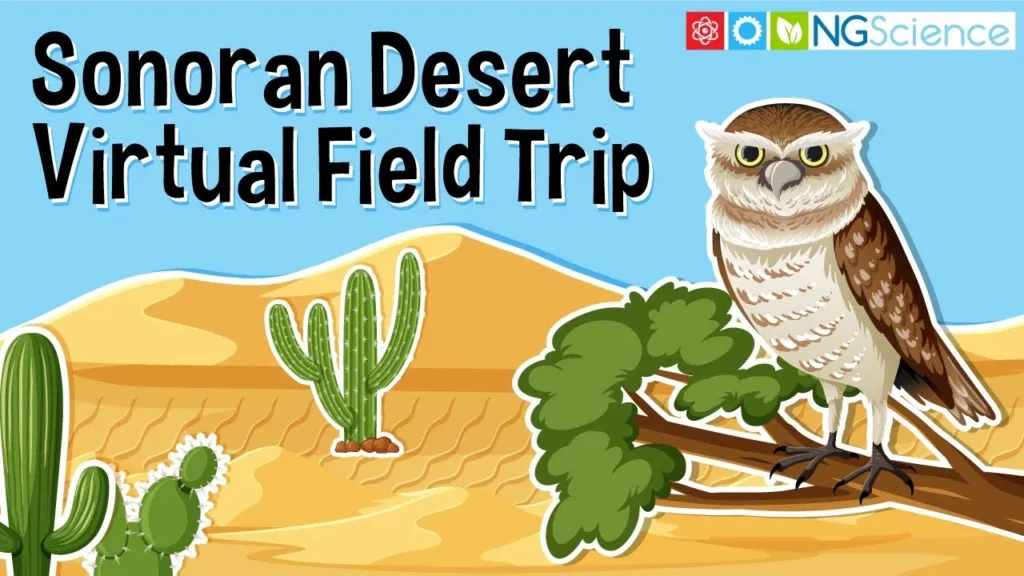
The virtual field trip to the Sonoran Desert introduces students to the unique ecosystem of this vast arid region, highlighting its extreme temperatures and scarce rainfall. Participants learn about the remarkable adaptations of both the desert’s animals, such as nocturnal behaviors and specialized physical traits, and its plants, including the water-storing saguaro cactus and the protective features of various species. The lesson emphasizes the importance of understanding and respecting the diverse life forms that thrive in this challenging environment.
Chemical Change – Bicarbonate Soda and Vinegar
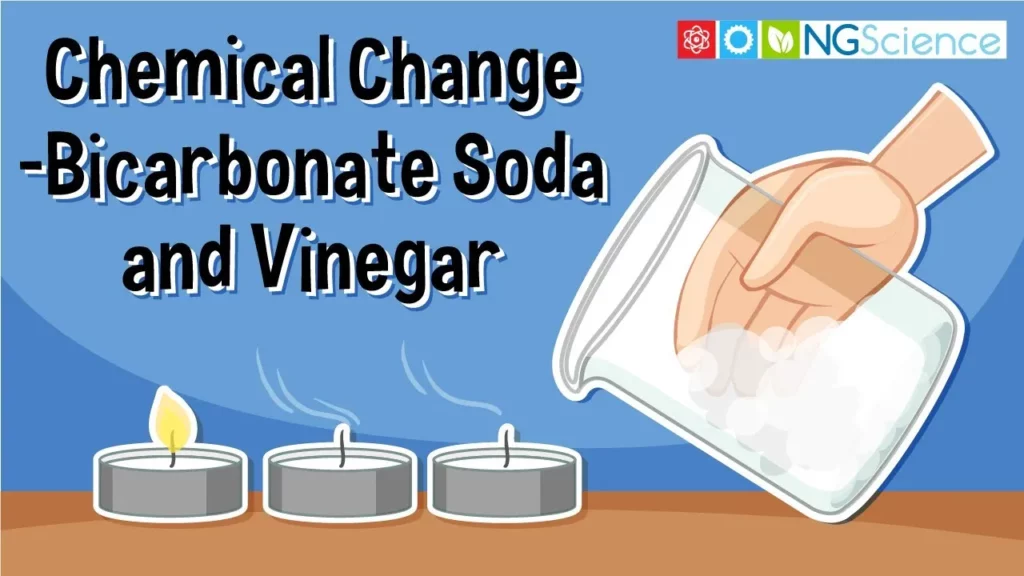
In this lesson, students learn about chemical changes through the reaction between bicarbonate soda (baking soda) and vinegar. When these two substances are mixed, they produce carbon dioxide gas, resulting in bubbling and foam, which illustrates the transformation of the original substances into new ones. The lesson encourages hands-on experimentation and highlights the significance of carbon dioxide, including its role in extinguishing fires.
Types of Levers
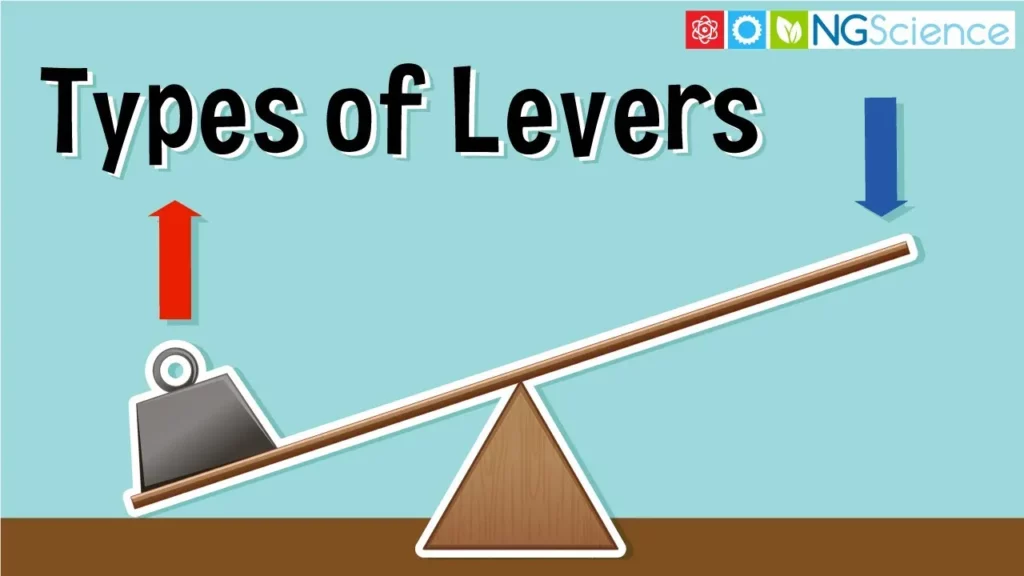
This lesson introduces the concept of levers, a type of simple machine that helps us lift or move objects with less effort by utilizing a fulcrum. It categorizes levers into three types: first class levers, where the fulcrum is between the load and effort (e.g., seesaws); second class levers, where the load is between the effort and fulcrum (e.g., wheelbarrows); and third class levers, where the effort is applied between the load and fulcrum (e.g., fishing rods). Understanding these types of levers can help us recognize how everyday tools function to make tasks easier.
Comparing Masses of Objects with Different Volumes
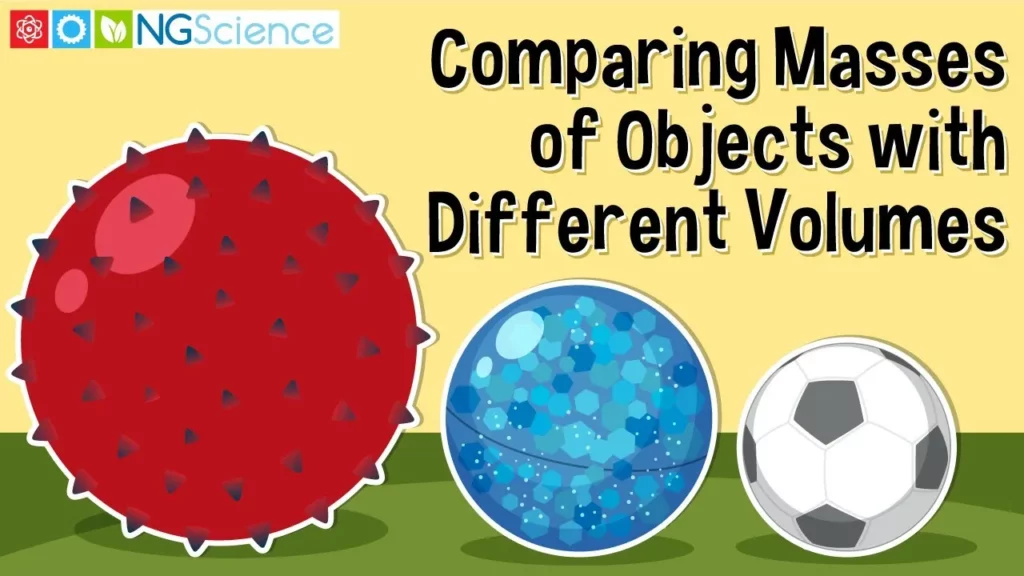
In this lesson, students explored the relationship between mass and volume by comparing three different balls: a spiky ball, a rubber soccer ball, and a glitter ball. They learned that size does not always correlate with weight, as the smaller rubber soccer ball was heavier than the larger spiky ball, while the glitter ball was both larger and heavier than the rubber soccer ball. Ultimately, the lesson emphasized that mass and volume are distinct properties, encouraging curiosity and further exploration.
Observing the Cell Membrane of an Animal Cell
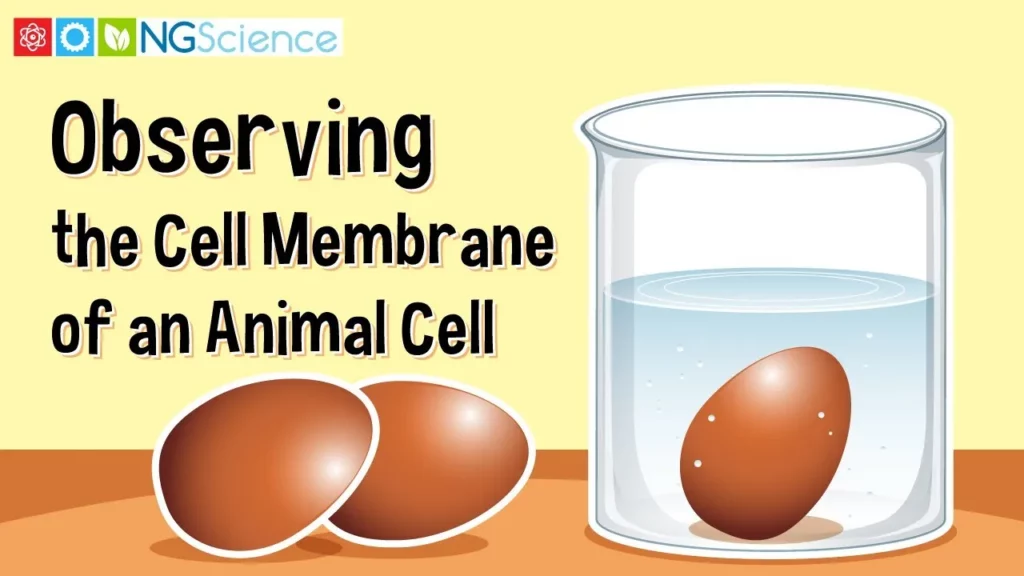
In this lesson, we explored the structure and significance of the cell membrane in animal cells, using chicken eggs as a practical example. By dissolving the hard outer shell of an egg with vinegar, we revealed the delicate and translucent cell membrane, which plays a crucial role in protecting the cell and regulating the movement of substances in and out. This highlights the importance of cell membranes in all living organisms, emphasizing their essential function for life.
Measuring and Comparing Masses Using a Simple Balance
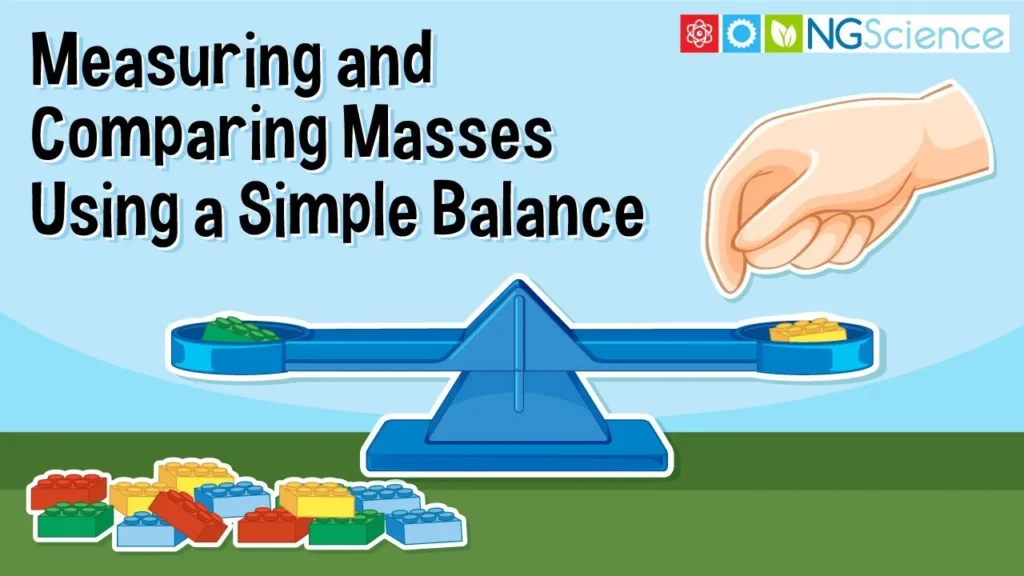
In today’s lesson, we learned about balances and mass using toy blocks to understand how weight works. We discovered that mass refers to how heavy something is, and by using a balance, we can compare the weight of different amounts of blocks to see which is heavier or lighter. The activity encouraged exploration and hands-on learning, emphasizing that more blocks indicate more mass.
All About Mammals
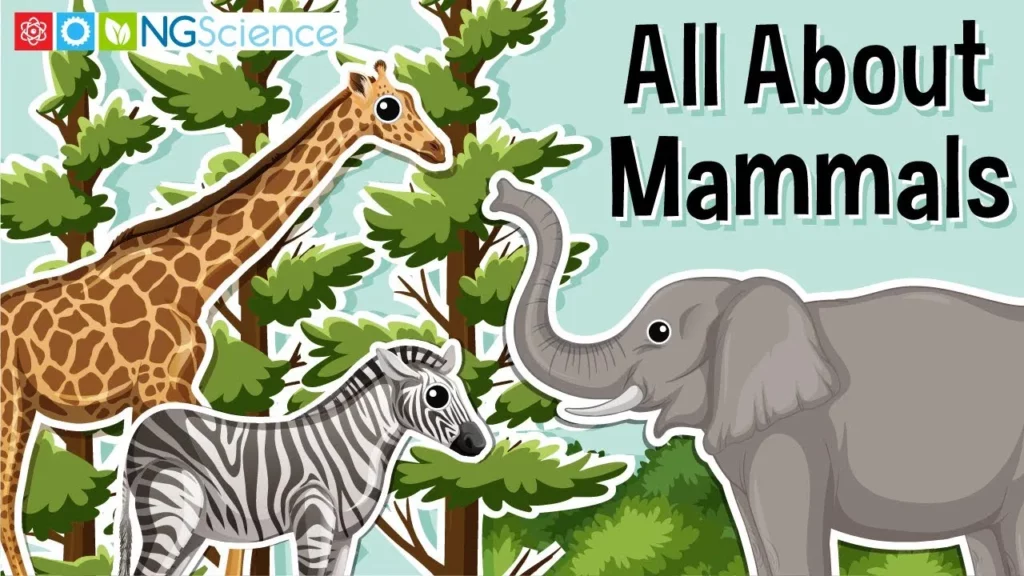
The lesson “All About Mammals” introduces the unique characteristics that define mammals, such as their fur-covered bodies, lungs for breathing, and the ability to give birth to live young, which they nourish with milk. It highlights that mammals are warm-blooded, allowing them to maintain a stable body temperature in various environments. The lesson concludes by encouraging further exploration of the fascinating world of mammals, noting that humans are part of this diverse group.