
All About Reptiles
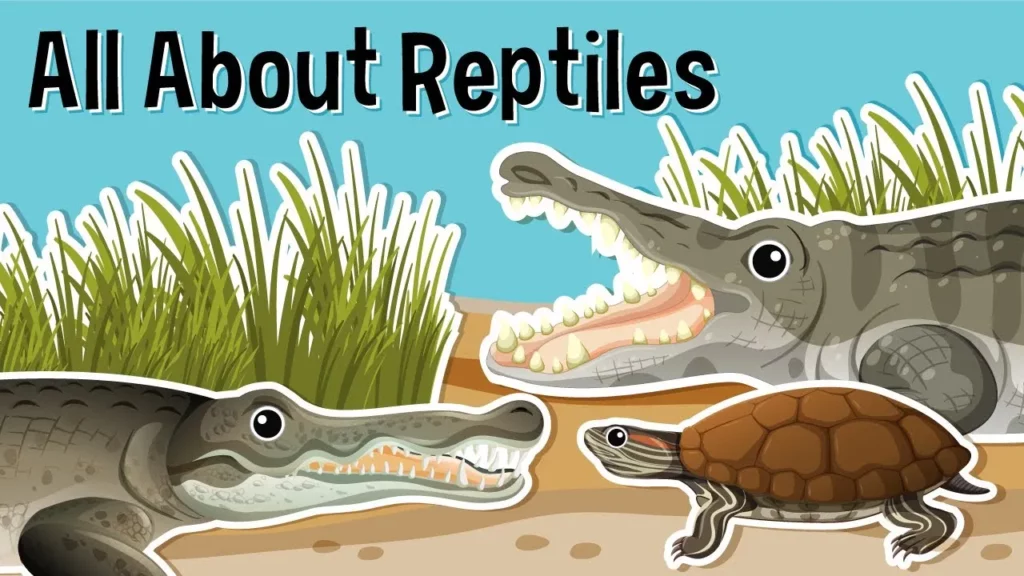
The lesson “All About Reptiles” introduces students to the diverse group of animals known as reptiles, which includes crocodiles, snakes, lizards, sea turtles, and terrapins. Key characteristics of reptiles include their scaly bodies, the need for air to breathe, various reproductive methods, and their ectothermic nature, which requires them to bask in the sun for warmth. The lesson also highlights fun facts, such as the chameleon’s ability to change color for communication and camouflage.
Electricity Production – Burning Fossil Fuels
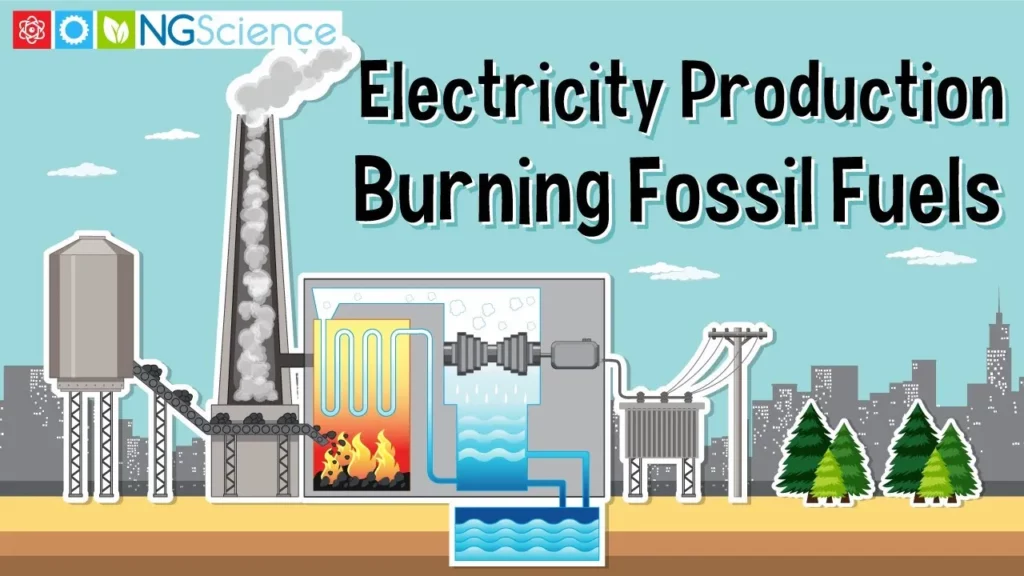
This lesson explains how electricity is produced by burning fossil fuels, such as coal, natural gas, and petroleum, which release stored energy from ancient plants and animals. The process involves burning these fuels to create heat, which boils water to produce steam that spins turbines connected to generators, ultimately delivering electricity to homes through power lines. However, the lesson also highlights the environmental impact of fossil fuel use, emphasizing the need for cleaner energy alternatives to reduce air pollution.
Monarch Butterfly Life Cycle (Danaus plexippus)
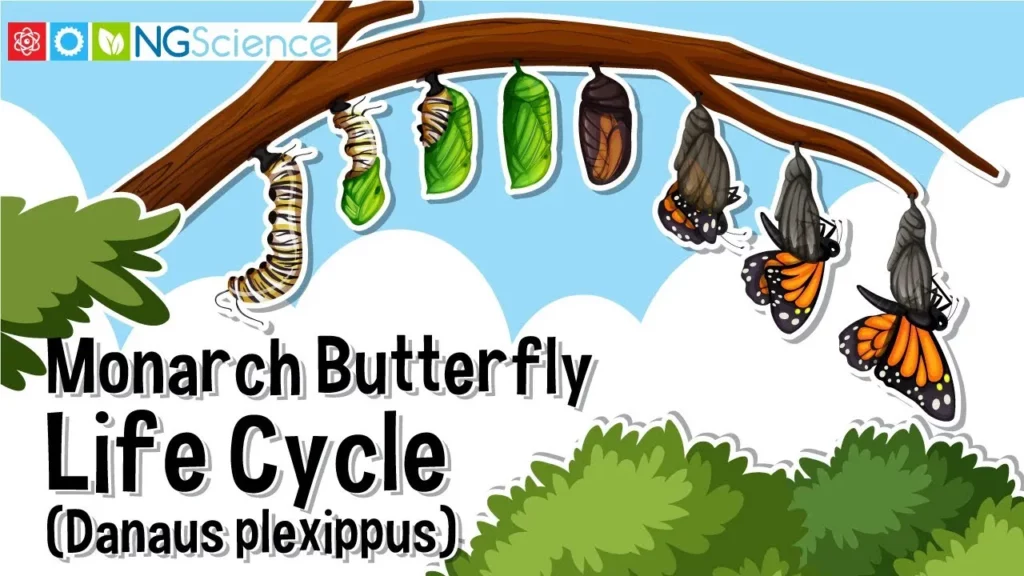
The lesson explores the fascinating life cycle of the monarch butterfly, beginning with the laying of eggs on milkweed leaves. After hatching, the caterpillar voraciously eats and grows before forming a chrysalis, where it undergoes metamorphosis. Eventually, it emerges as a beautiful butterfly, ready to continue the cycle by laying eggs of its own, while also highlighting the butterflies’ remarkable migrations.
All About Amphibians
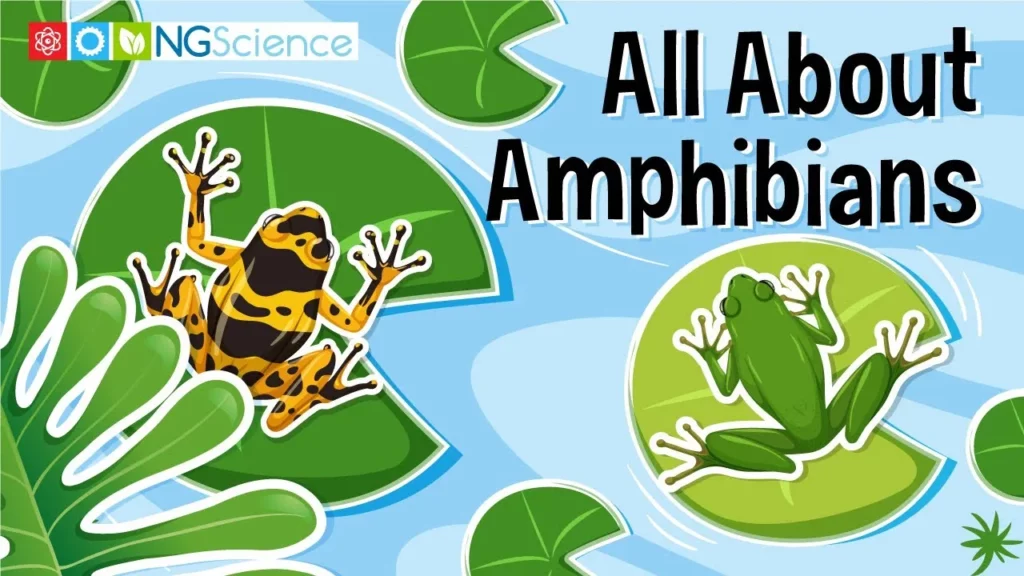
The lesson “All About Amphibians” introduces students to the fascinating world of amphibians, highlighting their unique life cycle that includes a transition from water to land. It explains that amphibians, which include species like frogs, toads, and salamanders, begin life as aquatic larvae and undergo metamorphosis to become land-dwelling adults. Additionally, the lesson touches on their cold-blooded nature and hibernation habits, concluding with a light-hearted joke to engage learners.
All About Arthropods
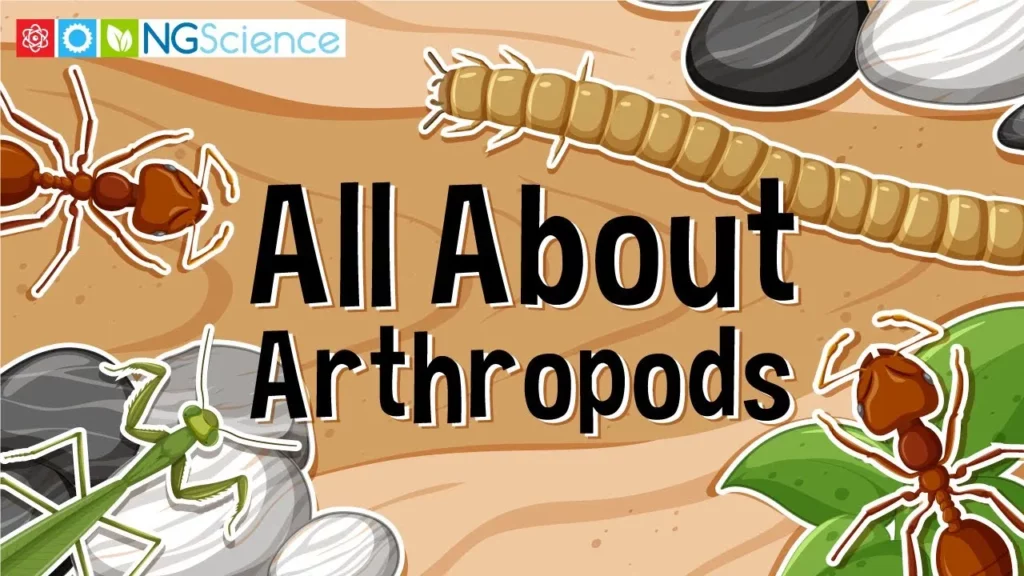
In this lesson, we explored arthropods, the largest and most diverse group of animals on Earth, comprising over 80% of all known species. Key characteristics of arthropods include their hard exoskeleton made of chitin, complex body systems, and the ability to produce venom for defense or hunting. Their incredible diversity allows them to thrive in various environments, from oceans to deserts, making them a fascinating subject of study.
Testing the Hardness of Materials

In this lesson, we explored the concept of hardness, which indicates how tough a material is and its resistance to scratching. By testing various everyday items with a nail, we discovered that materials like glass and ceramic are very hard and resist scratching, while softer materials like wax and soap are easily scratched. This hands-on experiment helped us understand the differences in hardness among common objects and encouraged further exploration of materials in our environment.
Weathering and Erosion – A Visit to Bryce Canyon National Park
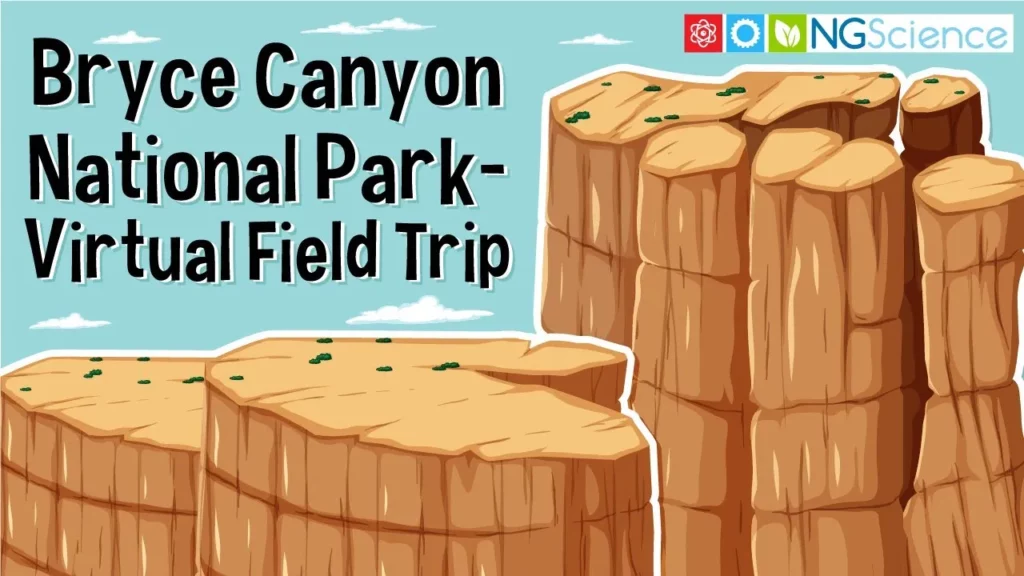
In this lesson, we explored the unique rock formations known as hoodoos found in Bryce Canyon National Park, Utah, which are shaped by the weathering process called frost wedging. This process involves water freezing and expanding in rock cracks, gradually transforming plateaus into narrow fins and eventually into the iconic chimney-like hoodoos over millions of years. Bryce Canyon’s stunning landscape showcases these natural sculptures, making it a must-visit destination for nature enthusiasts.
Parts of a Plant – Roots, Stems and Leaves
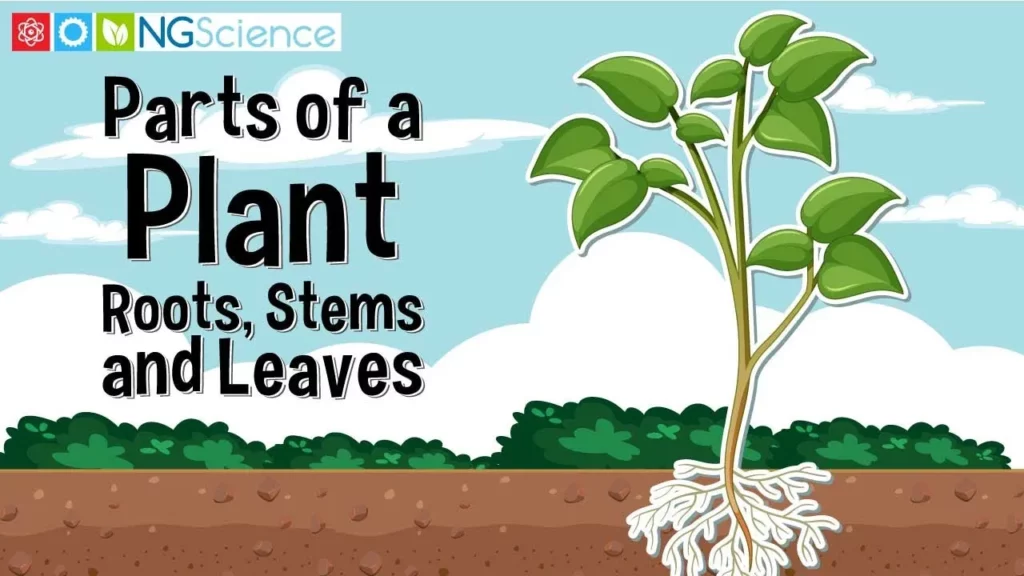
In this lesson, we explored the three essential parts of a plant: roots, stems, and leaves. Roots absorb water and minerals from the soil while anchoring the plant, stems support the plant and transport nutrients, and leaves perform photosynthesis to create food for the plant. Each part plays a vital role in helping the plant grow and thrive.
Rainforest Ecosystems
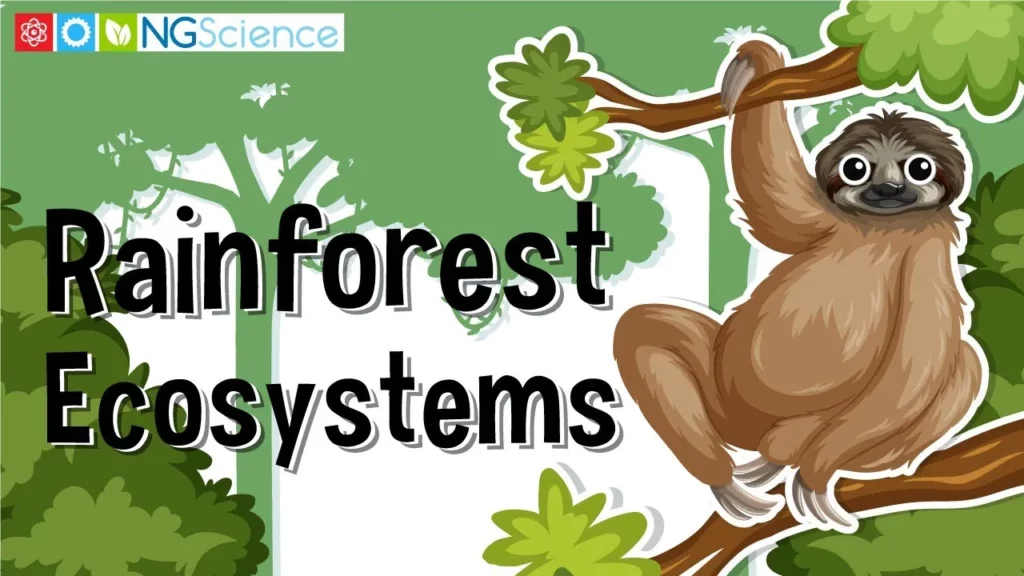
This lesson introduces students to tropical rainforest ecosystems, highlighting their incredible biodiversity and the various layers that comprise them. It explores the unique characteristics of each layer—from the dark forest floor to the vibrant canopy and towering emergent layer—while emphasizing the diverse plant and animal life found in these habitats. The lesson also features the Amazon rainforest as a prime example of this rich ecosystem, encouraging further exploration and appreciation of our planet’s natural wonders.
Simple Machines – Gears

In this lesson, we explored the fascinating world of gears, a type of simple machine that helps make work easier by transferring motion and force. Gears, which are special wheels with teeth, can change direction, multiply force, and increase speed, making them essential in everyday items like bicycles, fishing reels, and watches. Understanding how gears function enhances our appreciation for the mechanics behind the tools and machines we use daily.