
Classifying Matter
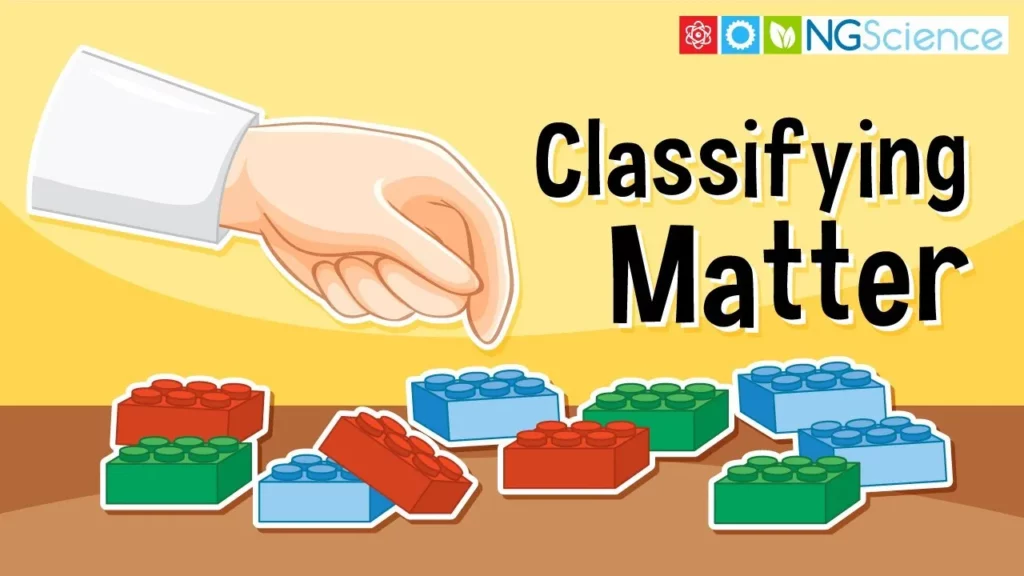
In today’s lesson, students engaged in a hands-on activity using colorful building blocks to learn about classifying matter. They sorted the blocks by color and size, discovering that sorting can also be done in various other ways, such as by type or texture. The lesson emphasized the importance of sorting as a fun way to understand and explore the world around us.
All About Echinoderms
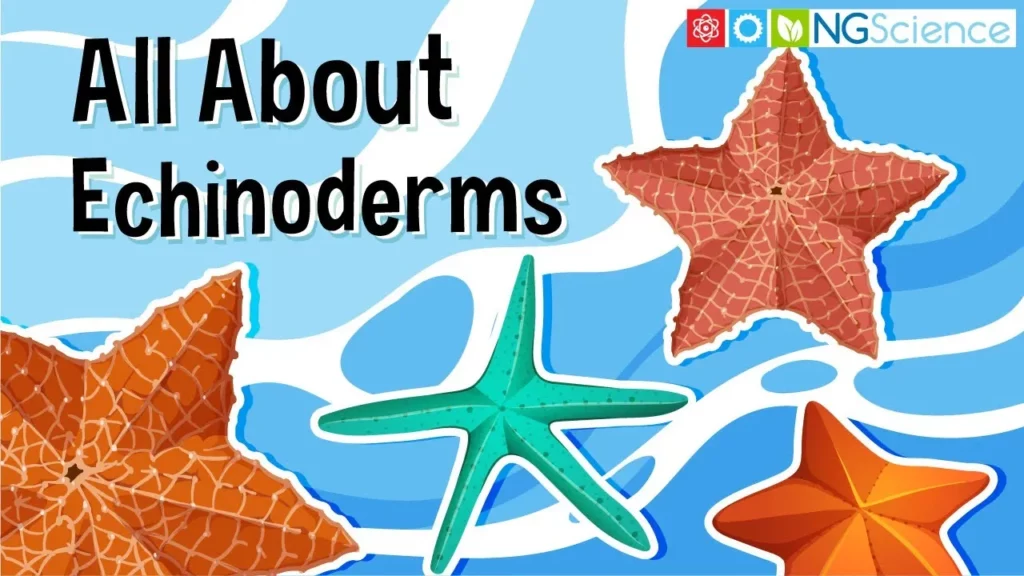
Echinoderms, including sea stars, brittle stars, sea urchins, and sea cucumbers, are unique marine creatures characterized by their spiny skin and radial symmetry. They inhabit various ocean environments, utilize tube feet for movement, and can reproduce both sexually and asexually. Echinoderms play a crucial role in maintaining ocean ecosystems by cleaning the ocean floor and serving as a food source for other marine animals.
All About Mollusks
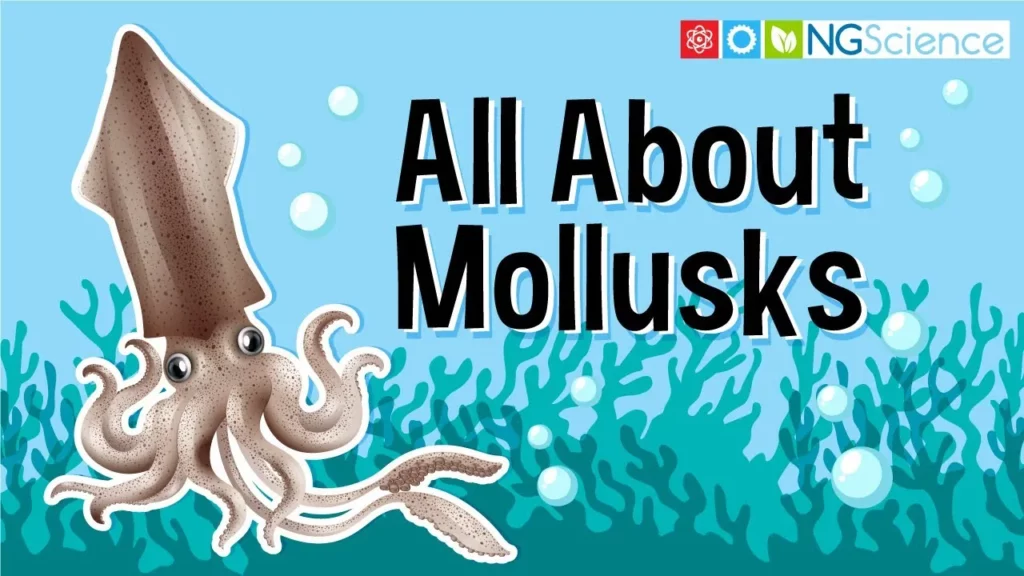
The lesson “All About Mollusks” explores the diverse group of soft-bodied animals known as mollusks, which are categorized into three main types: gastropods (like snails and slugs), bivalves (such as clams and mussels), and cephalopods (including octopuses and squid). It highlights their unique anatomical features, such as the radula for feeding and the mantle for shell formation, as well as their bilateral symmetry and reproductive methods. Additionally, the lesson emphasizes the intelligence of cephalopods, showcasing their problem-solving abilities and ecological significance.
All About Cnidarians
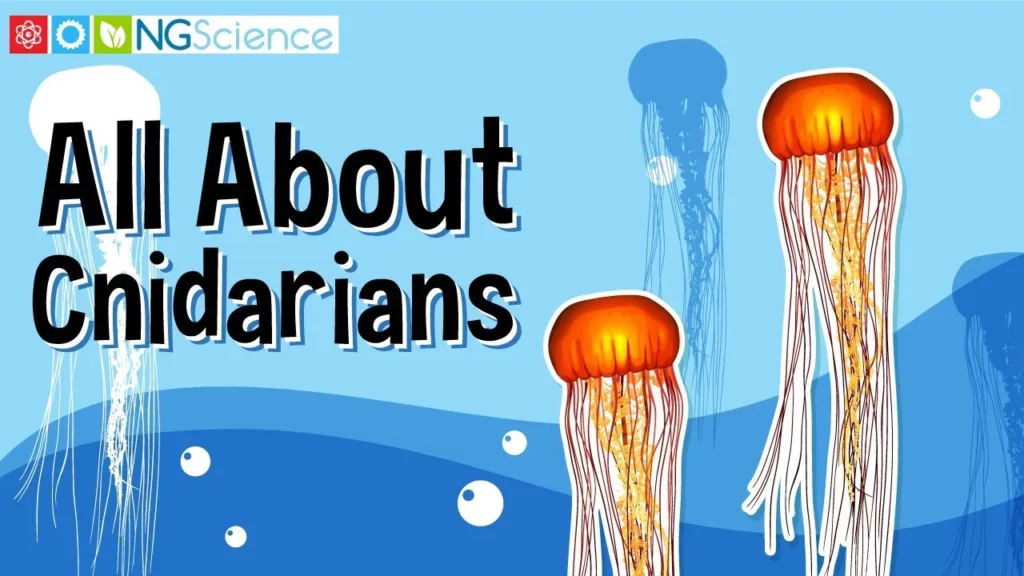
Cnidarians are intriguing aquatic animals, primarily found in oceans but also in freshwater, characterized by their unique body structure and stinging cells called nematocysts. This lesson highlights various types of cnidarians, such as jellyfish, corals, and sea anemones, detailing their life cycles, reproduction methods, and symbiotic relationships with algae. Additionally, it emphasizes their radial symmetry and the importance of their stinging cells for both hunting and defense.
Volume of Liquids
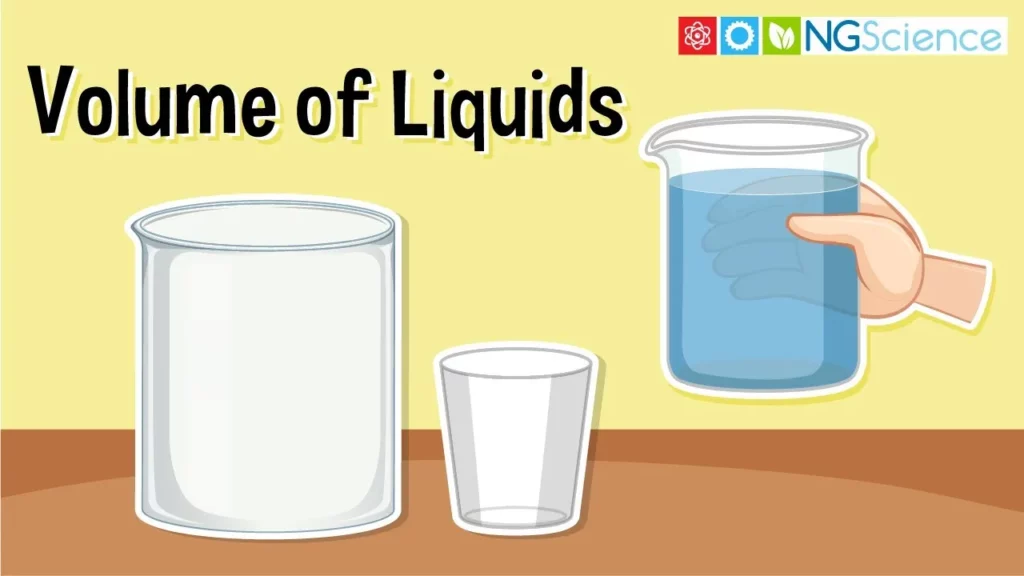
The lesson on the volume of liquids explains that volume refers to the amount of space a liquid occupies, which remains constant regardless of the shape of the container it is in. Through an experiment with water poured between different containers, students learn that while liquids can change shape, their volume stays the same unless altered by adding or removing liquid. This property is essential for practical applications like cooking and baking, where accurate measurements are crucial.
Energy Flow in Ecosystems –
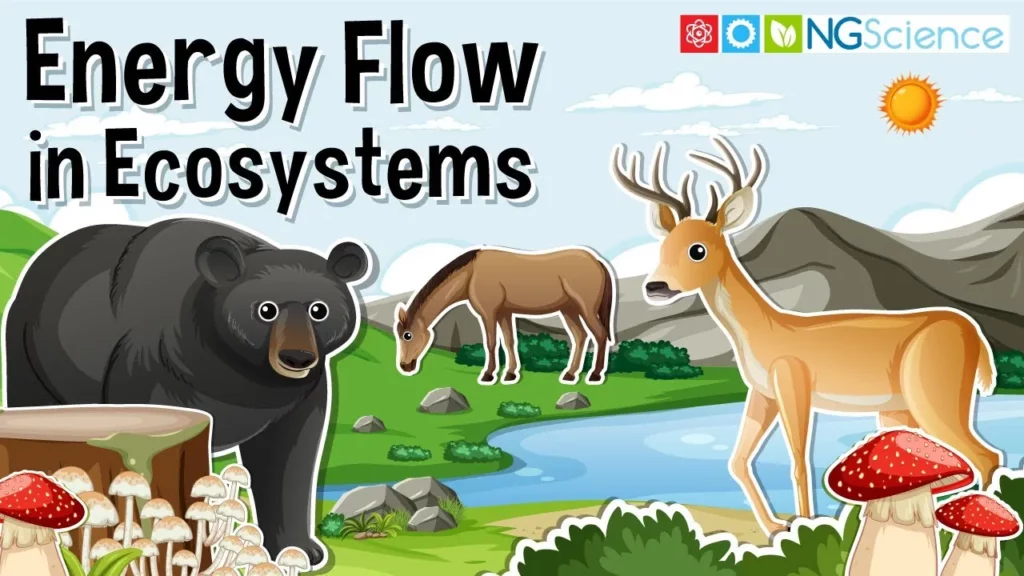
The lesson on “Energy Flow in Ecosystems” explains how living organisms obtain energy through three main roles: producers, consumers, and decomposers. Producers, like plants, create their own food via photosynthesis, while consumers, including herbivores, carnivores, and omnivores, rely on other organisms for energy. Decomposers, such as bacteria and fungi, recycle nutrients by breaking down dead matter, highlighting the interconnectedness and importance of each organism in maintaining a balanced ecosystem.
Density of Solids in a Density Column
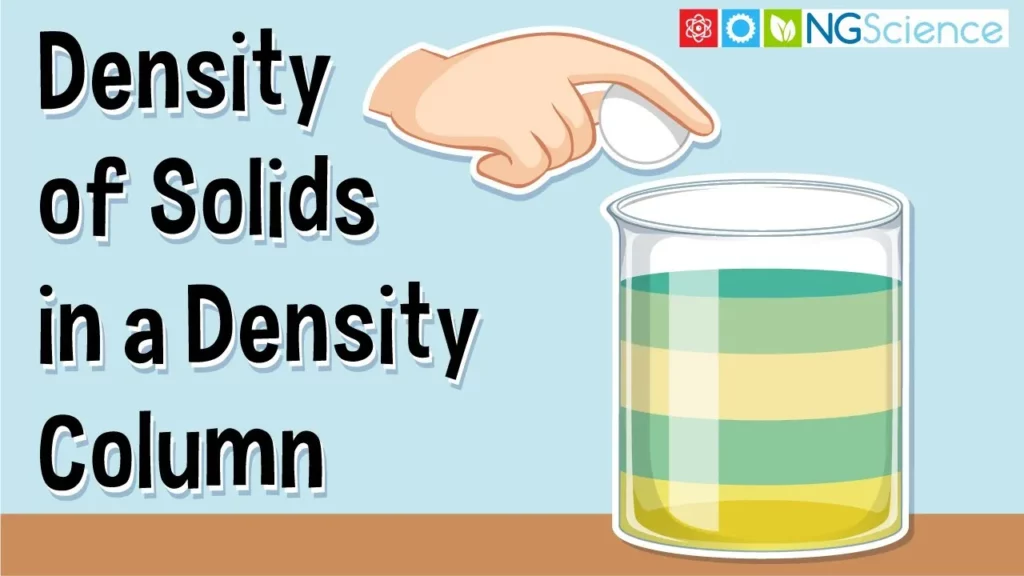
In this lesson, students explore the concept of density by creating a density column with various liquids, such as honey, washing detergent, cooking oil, and isopropyl alcohol, which layer based on their differing densities. By adding different objects to the column, students observe how the position of each item reveals its density relative to the liquids, illustrating why some objects float while others sink. This hands-on experiment enhances understanding of the properties of matter and the role of density in determining buoyancy.
What objects can be found in our solar system?
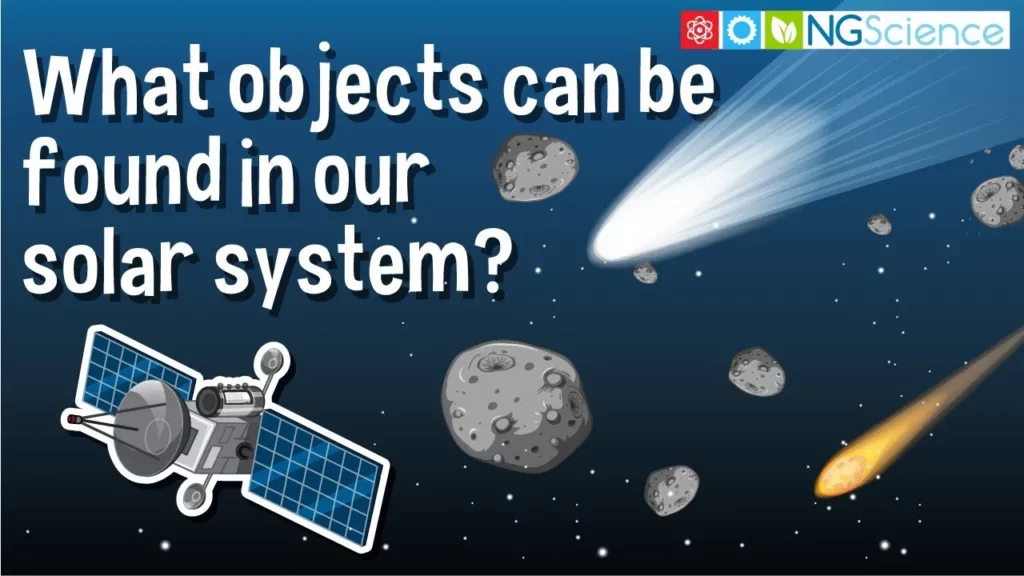
The lesson explores the diverse objects found in our solar system, highlighting the Sun, eight unique planets, and various fascinating entities such as asteroids, meteoroids, comets, and human-made objects. It explains the characteristics and significance of these objects, including the asteroid belt, the transformation of meteoroids into meteors and meteorites, and the formation of comets. The lesson encourages curiosity and continued exploration of the wonders of space.
Does changing the shape of solid matter affect its mass?

In this lesson, students learn that changing the shape of solid matter, such as modeling clay, does not affect its mass. By measuring the mass of the clay before and after reshaping it, students discover that the mass remains constant because no material is added or removed. This principle applies to other solid objects as well, reinforcing the idea that mass is determined by the amount of material present, regardless of its shape.
Temperate Forest Ecosystems
Temperate forests are vibrant ecosystems characterized by a diverse range of trees, plants, and animals, thriving in an environment with balanced rainfall and sunlight. These forests host various tree species, such as oaks and eucalyptus, alongside a rich undergrowth of smaller plants and fungi that contribute to soil health. With distinct seasonal changes, temperate forests support a wide array of wildlife, emphasizing the interconnectedness of nature and the importance of preserving these beautiful habitats.