
Movements of the Moon

The lesson on the movements of the Moon explains how the Moon goes through various phases as it orbits the Earth, influenced by the amount of sunlight reflecting off its surface. These phases include the New Moon, Waxing Crescent, First Quarter, Waxing Gibbous, Full Moon, Waning Gibbous, Last Quarter, and Waning Crescent, completing a cycle approximately every 28 days. Observing these changes can enhance our appreciation of the Moon’s beauty and its dynamic relationship with the Earth and Sun.
All About Worms

The lesson “All About Worms” introduces the three main groups of worms: flatworms, roundworms, and segmented worms, highlighting their unique characteristics and habitats. It explains their body structures, reproductive methods, and ecological roles, emphasizing how worms contribute to enriching soil and supporting plant growth. Additionally, the lesson includes a fun fact about worms and their affinity for “underground music.”
Coastal Climates

Coastal climates, or oceanic climates, are characterized by mild temperatures with cooler summers and warmer winters due to the ocean’s influence on temperature regulation. These regions often experience frequent cloud cover and fog, as seen in places like San Francisco, where cool ocean air leads to condensation. Living in a coastal climate offers a unique experience with pleasant weather and stunning ocean views, making it an attractive environment for many.
All About Sponges

The lesson on sponges highlights their status as some of the oldest and simplest animals, characterized by their tube-like shape and lack of tissues or organs. Sponges primarily inhabit oceans and freshwater, functioning as filter feeders that rely on water flow for sustenance and waste removal. They reproduce both sexually and asexually, with the interesting ability to be hermaphrodites, contributing significantly to the marine ecosystem by maintaining water quality and offering habitats for other organisms.
Adding Batteries in Series to a Simple Circuit

In this lesson, we explored how adding batteries in series to a simple circuit affects its performance. By connecting more batteries, we increase the voltage, which provides extra energy to the motor, causing it to spin faster and the fan to blow more air. This principle is commonly used in various devices, enhancing their functionality.
Root Functions

The lesson on root functions explains the importance of roots as external structures of plants, highlighting their role in absorbing water and nutrients from the soil, which are essential for the plant’s growth. It distinguishes between two main types of roots: fibrous roots, which spread out to gather water, and taproots, which grow deep to access water below the surface. Overall, the lesson emphasizes how roots contribute to a plant’s stability and nourishment.
Adding Batteries in Series – Buzzer

In this lesson, we explored the concept of series circuits and how adding batteries affects the performance of devices like buzzers. By connecting batteries in series, we increase the voltage, resulting in a louder sound from the buzzer due to the greater electrical push. This hands-on approach encourages experimentation with circuits while emphasizing safety when working with electricity.
Adding Batteries in Series – Brightness of Bulbs
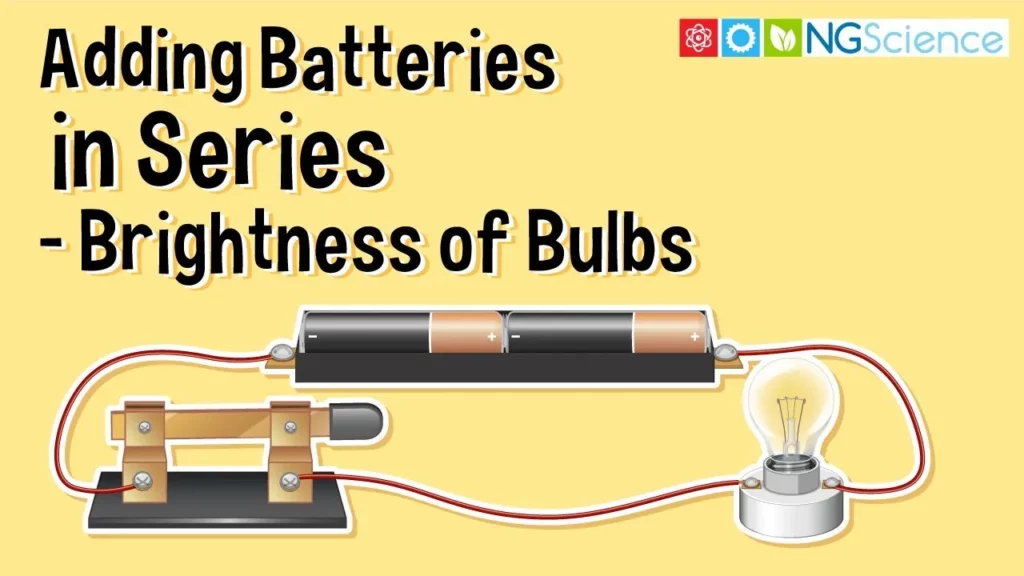
In this lesson, we explored the components of a simple circuit, including batteries, wires, output devices, and switches, and how they work together to allow electricity to flow. We learned that adding batteries in series increases the voltage, resulting in a brighter bulb due to the additional energy supplied to the circuit. The lesson also sets the stage for further exploration by posing a question about the effect of adding more bulbs in series on their brightness.
Bulbs Arranged in Series – Brightness of Bulbs
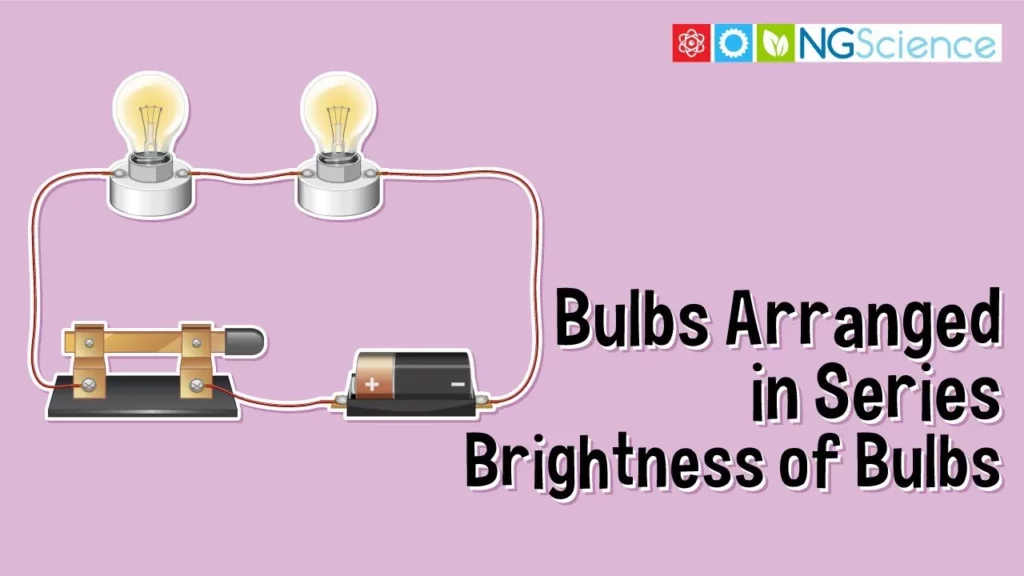
In this lesson, we explored the basics of simple circuits, focusing on how bulbs behave when arranged in series. When multiple bulbs are connected in series, the electricity is shared among them, resulting in each bulb shining dimmer compared to when only one bulb is present. This concept highlights the importance of circuit arrangement in determining the brightness of bulbs.
Bulbs Arranged in Parallel – Brightness of Bulbs
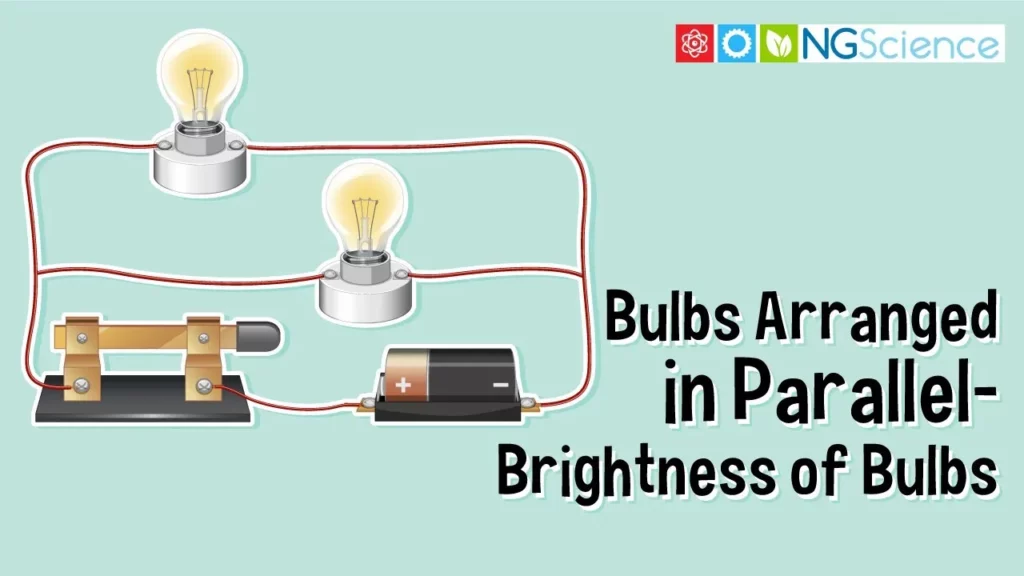
In this lesson, we explored parallel circuits and how they affect the brightness of bulbs. When bulbs are connected in parallel, each bulb receives the same amount of electricity from the battery, allowing them to shine as brightly as if there were only one bulb. This contrasts with series circuits, where bulbs share electricity and can appear dimmer.