
What is Matter?
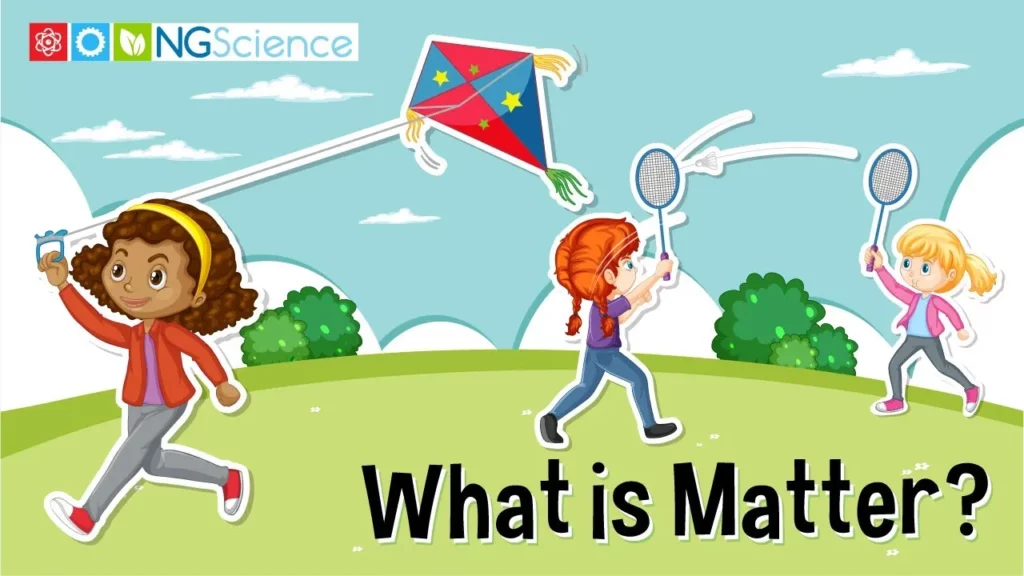
In this lesson, we learned that matter is anything that can be seen, touched, smelled, or tasted, including everyday objects like toys and water. Matter has two key properties: mass, which measures how much substance is in an object, and volume, which indicates the space an object occupies. We also discovered that not everything is matter, as concepts like light, sound, and emotions do not have mass or volume.
All About Echolocation (in bats)
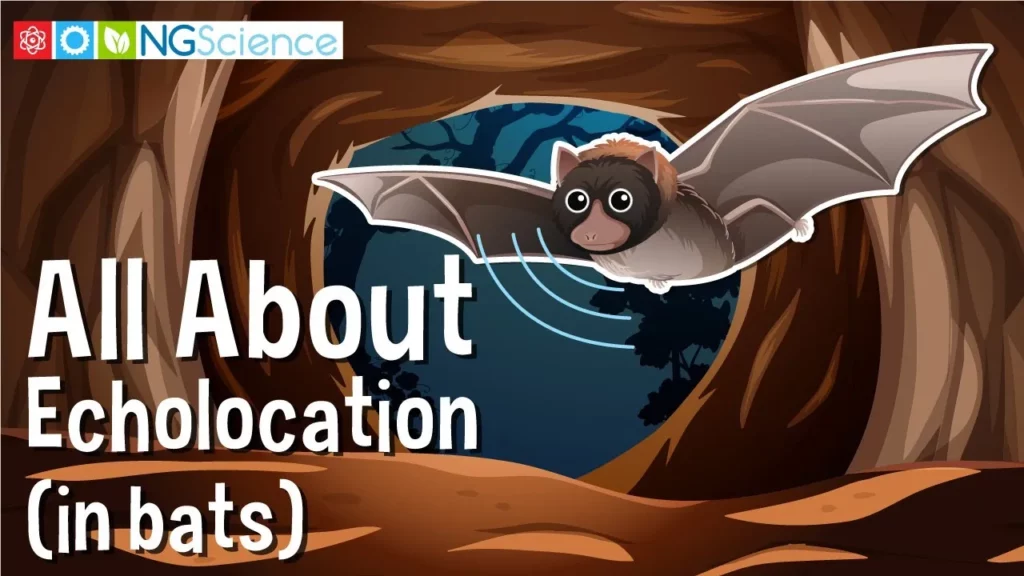
This lesson explores the fascinating ability of bats to use echolocation, a technique that allows them to “see” their surroundings through sound. By emitting high-frequency sounds that bounce off objects, bats can detect their environment and hunt for food even in complete darkness. This unique adaptation not only aids in navigation but also enhances their hunting skills, making them exceptional nocturnal creatures.
Making a Magnet Using the Stroke Method

In this lesson, students learn how to create a magnet from a regular metal nail using the stroke method with a bar magnet. By rubbing the magnet along the nail in one direction multiple times, the nail becomes magnetized, allowing it to attract metal staples. The lesson encourages further experimentation to strengthen the magnetization and explore the properties of magnets.
What are Wildfires?
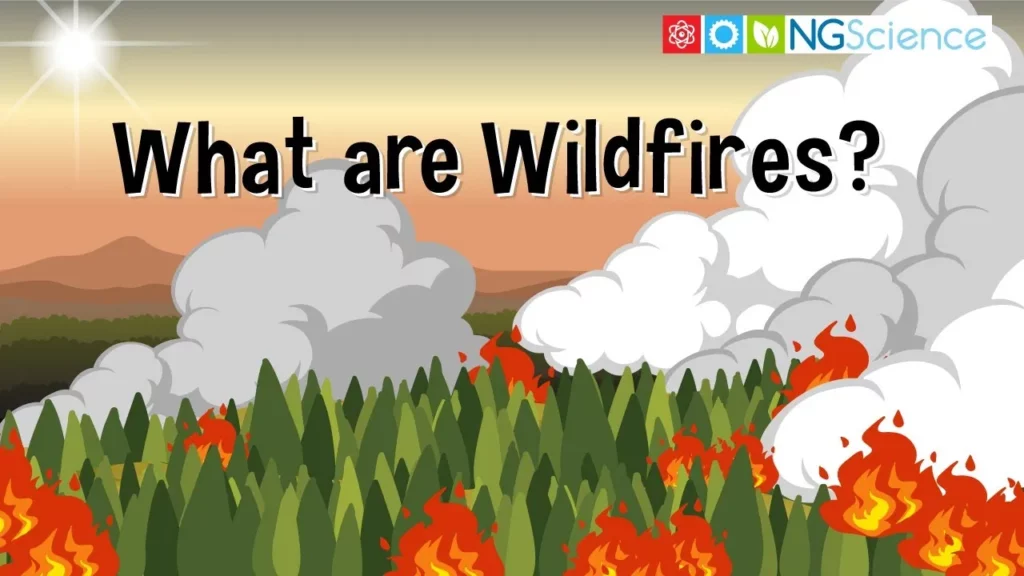
Wildfires are large, uncontrolled fires that occur in natural areas, often ignited by hot, dry weather or lightning, and sometimes by human activity. They pose significant dangers as they can rapidly spread, causing destruction to homes, forests, and wildlife. To ensure safety during a wildfire, it’s crucial to have a family emergency plan, stay informed through news updates, and follow the guidance of safety officials.
Abiotic Factors in Ecosystems – Water
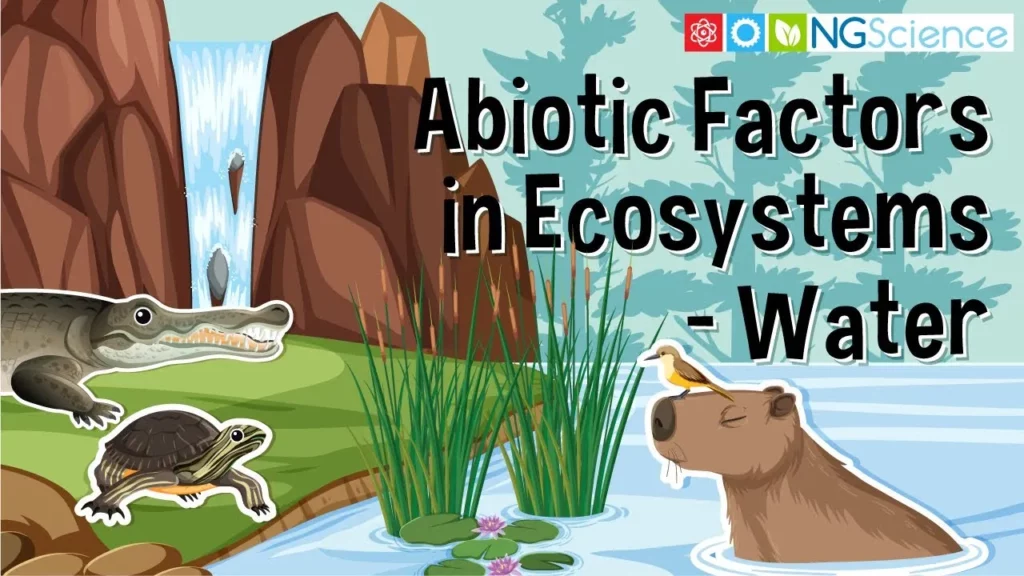
Water is a crucial abiotic factor in ecosystems, essential for the survival of both plants and animals. It enables plants to perform photosynthesis and transport nutrients, influencing the diversity of life in various environments, such as rainforests and deserts. Animals rely on water for hydration, nutrient transport, temperature regulation, and reproduction, highlighting its vital role in maintaining ecosystem health.
All About Climates
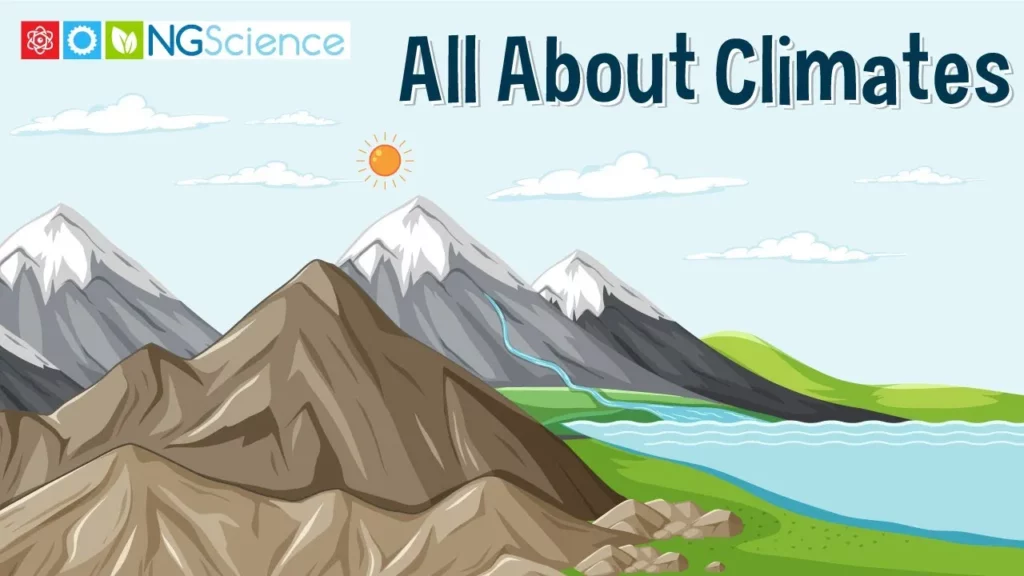
The lesson “All About Climates” explains the difference between weather and climate, highlighting that weather refers to daily atmospheric conditions, while climate describes the long-term patterns of weather in a specific area. Factors such as rainfall, elevation, distance from the ocean, and proximity to the equator influence a region’s climate. The lesson also explores various climates around the world, including the hot and dry Egyptian desert, the cold Arctic, the warm and wet Amazon River Basin, and the frigid Antarctic, encouraging students to reflect on the climate of their own location.
Abiotic Factors in Ecosystems – Soil and Minerals
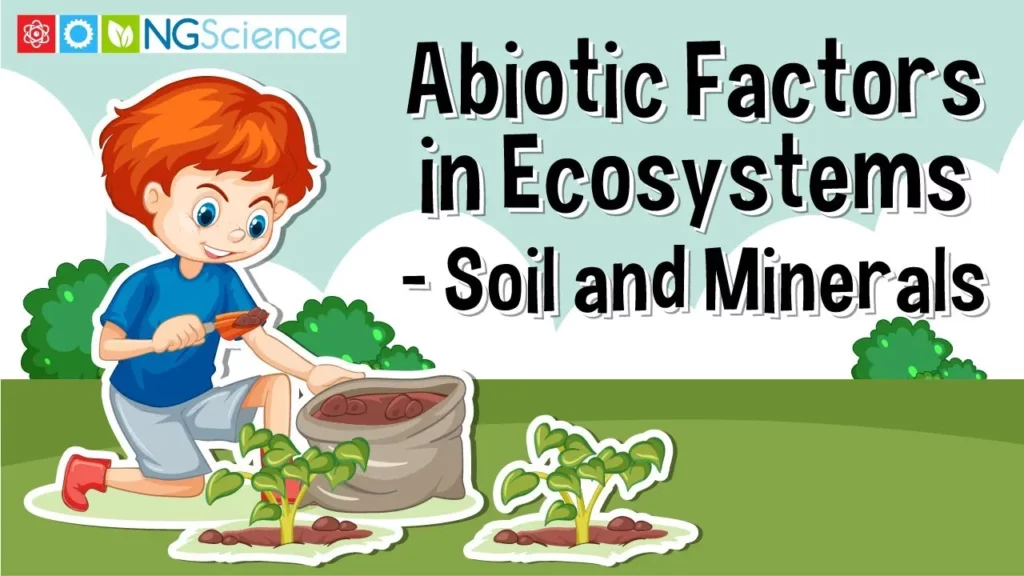
The lesson on abiotic factors in ecosystems highlights the significance of soil, which is composed of rocks, minerals, and humus, the latter being formed from decomposed plant and animal matter. Soil plays a crucial role in supporting plant life by providing stability, water, and essential nutrients, while also serving as a habitat for various organisms. Additionally, the lesson emphasizes that different types of soil, influenced by factors like humus content and acidity, can impact the types of plants and animals that thrive in specific environments.
All About Your Body
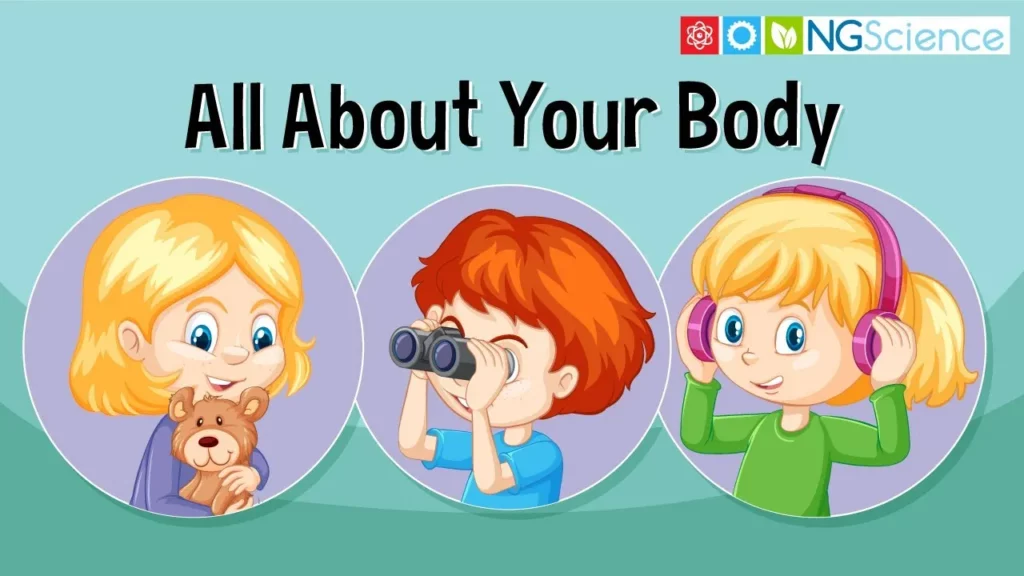
In this lesson, students explore the various parts of their bodies and how they function in daily activities. They learn about the importance of legs and feet for movement, hands for creative tasks, and sensory organs for experiencing the world. The lesson also briefly introduces internal body parts like the heart and lungs, encouraging curiosity about the human body.
All About Capybaras!
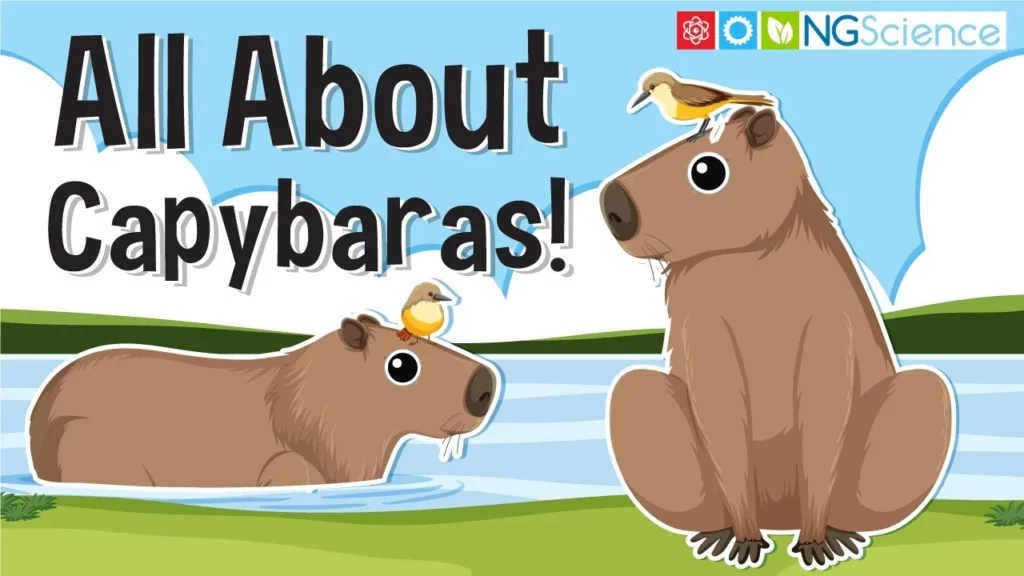
This lesson introduces capybaras, the largest rodents in the world, found in South American wetlands. It highlights their semi-aquatic lifestyle, social behavior in groups, and unique adaptations, such as their eyes positioned for underwater vigilance and their continuously growing teeth. The lesson also emphasizes the symbiotic relationship between capybaras and birds, which help keep them clean.
Earth’s Landforms – Plateaus and Canyons
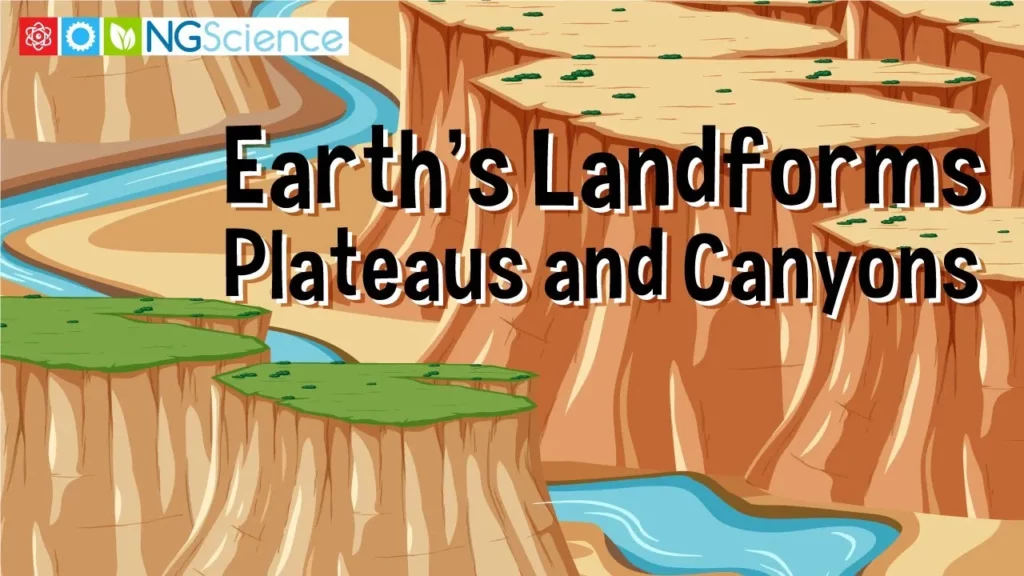
This lesson explores the formation of two fascinating landforms: canyons and plateaus. Canyons, like the Grand Canyon, are deep valleys created over millions of years through the processes of weathering and erosion by rivers, while plateaus are flat, elevated areas formed through various methods, including tectonic uplift, volcanic activity, and erosion. Together, these landforms illustrate the dynamic and ever-changing nature of the Earth’s surface.