
Your Heart and Blood
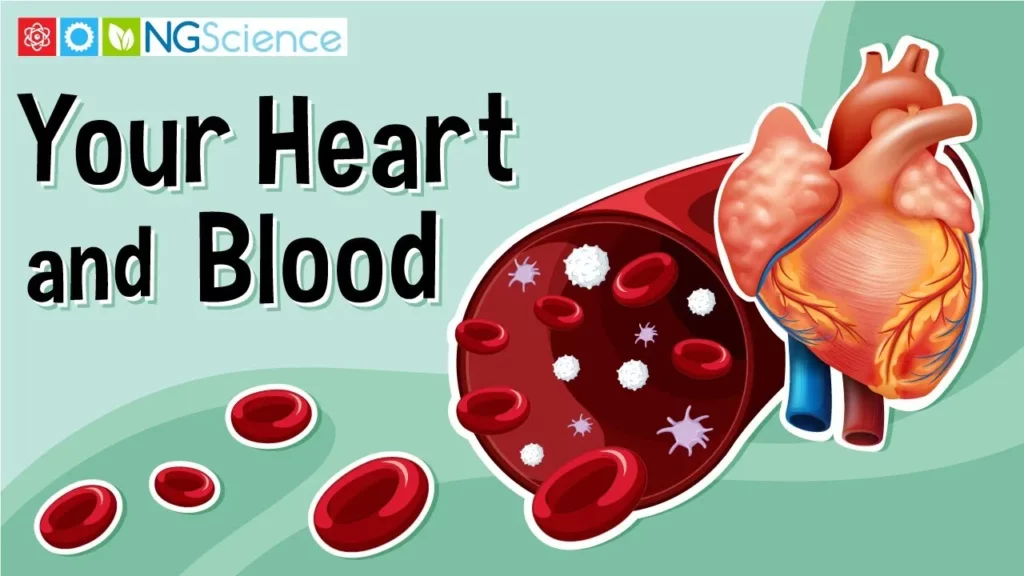
The lesson explains the vital role of the heart and blood in the human body, highlighting how the heart functions as a powerful muscle that pumps blood through a network of blood vessels. It describes the circulatory system as a collaborative team that delivers oxygen and nutrients while removing waste, and emphasizes its interaction with other body systems, such as the lungs and digestive system, to maintain overall health.
How to Brush Your Teeth
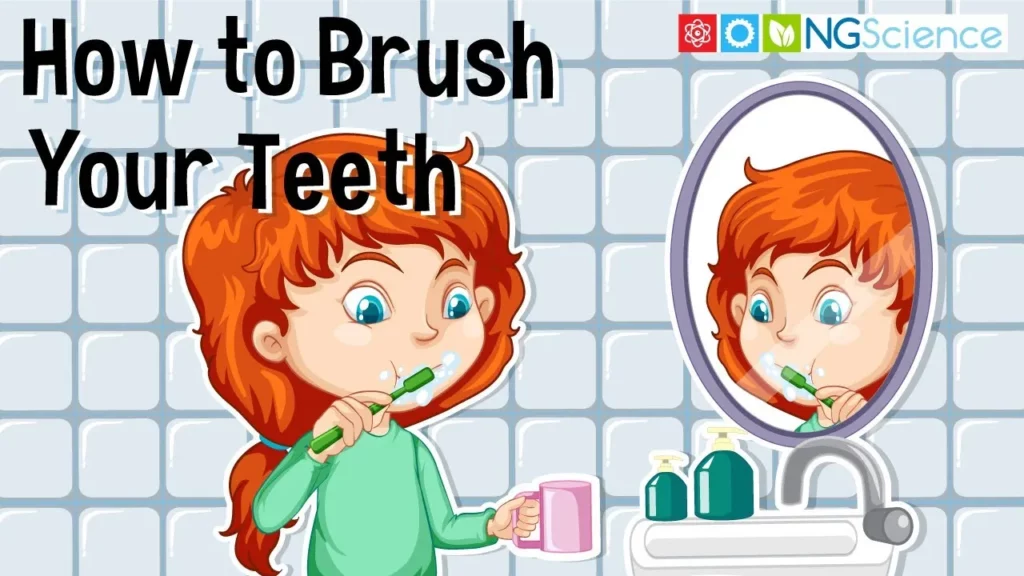
In this lesson, we learned the importance of brushing our teeth to maintain oral health. We gathered the necessary tools, practiced proper brushing techniques for two minutes, and ensured we cleaned all areas of our mouth, including our tongue. By following these steps daily, we can keep our teeth clean and our smiles bright!
All About the Blue Ringed Octopus
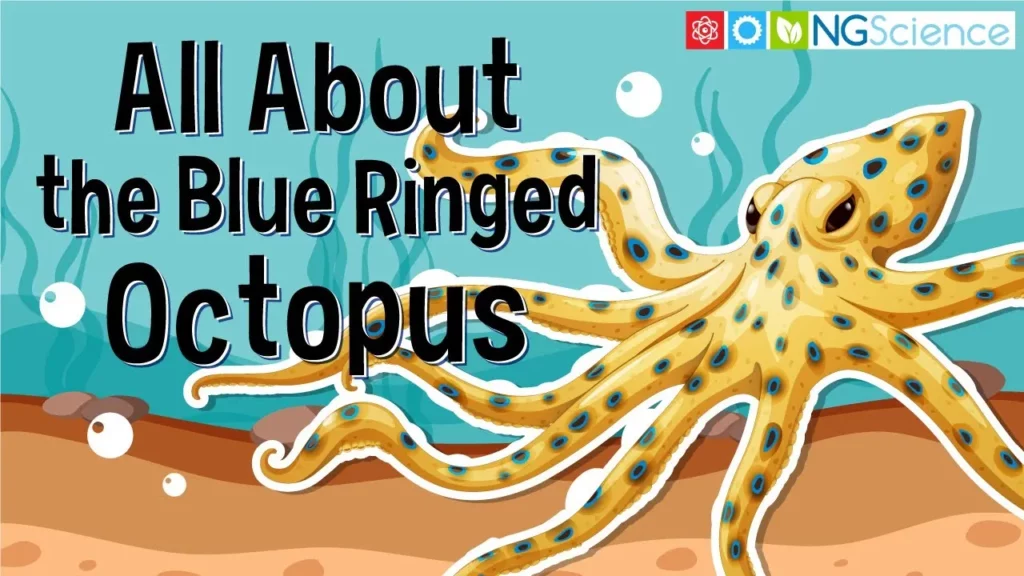
The lesson highlights the blue-ringed octopus, a small yet highly venomous marine animal found in the Pacific and Indian Oceans. Recognizable by its bright yellow skin and glowing blue rings, this octopus is a fascinating example of ocean biodiversity, preferring to hide during the day and hunt small crustaceans at night. It emphasizes the importance of observing these creatures from a safe distance due to their potential danger to humans.
Heat Conductivity in Different Metals
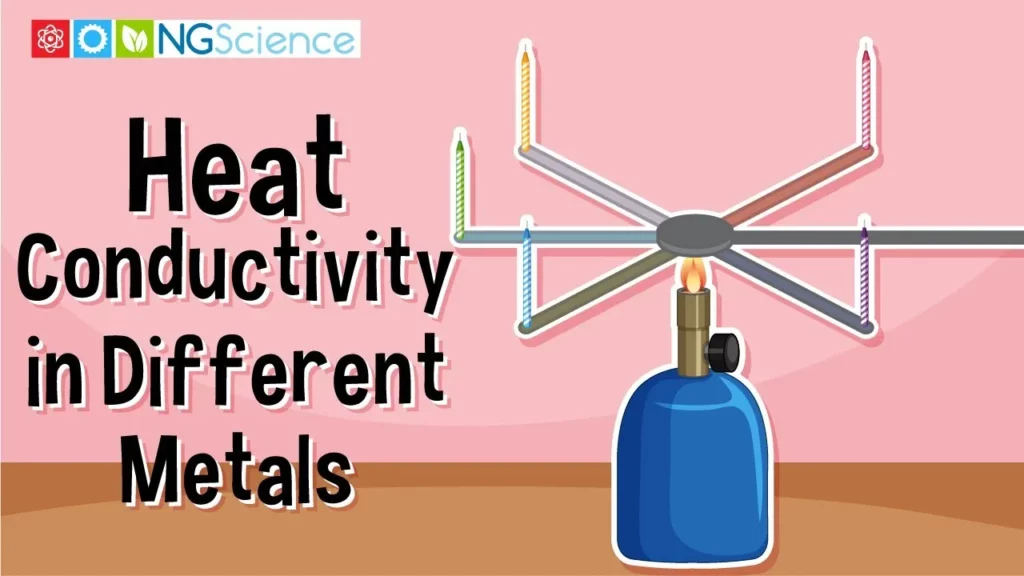
In this lesson, we explored how different metals conduct heat through a hands-on experiment using five metal rods made of steel, brass, nickel, aluminum, and copper. By observing which candle melted first, we discovered that aluminum and copper are the best heat conductors, while steel is the least effective. This understanding of heat conductivity has practical applications in various fields, including cooking and electronics.
Heat Conductors and Insulators – Glass Vs Metal
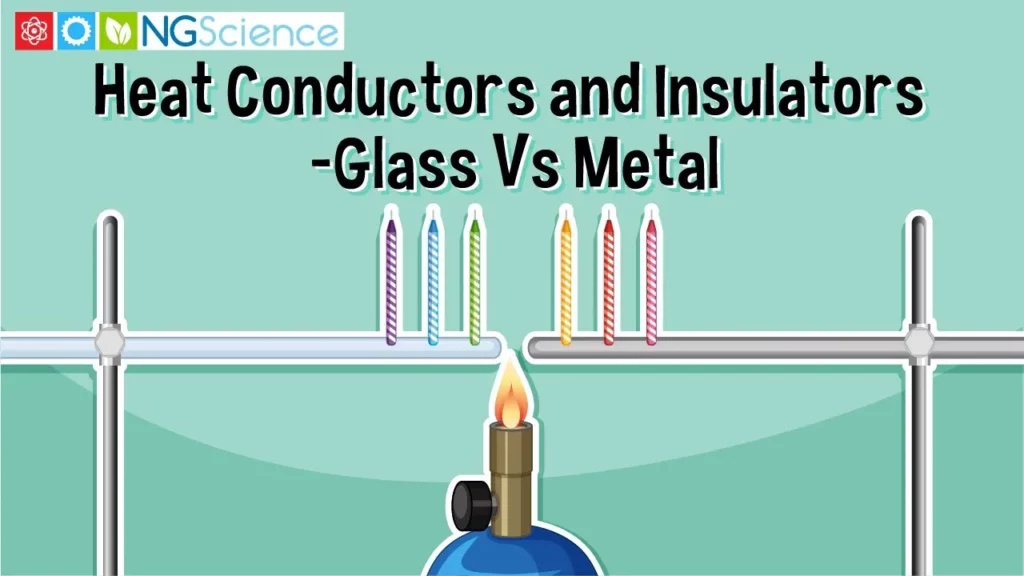
In this lesson, we explored the differences between heat conductors and insulators by comparing a glass rod and a metal rod in an experiment. When heated, the metal rod quickly transferred heat, causing the candles attached to it to fall off first, while the glass rod, being a poor conductor, allowed the candles to remain intact longer. This demonstration illustrates why materials like metal are used for cooking due to their efficient heat conduction, whereas glass is preferred for insulation purposes.
Comparing the Volumes of Liquids in Different Containers
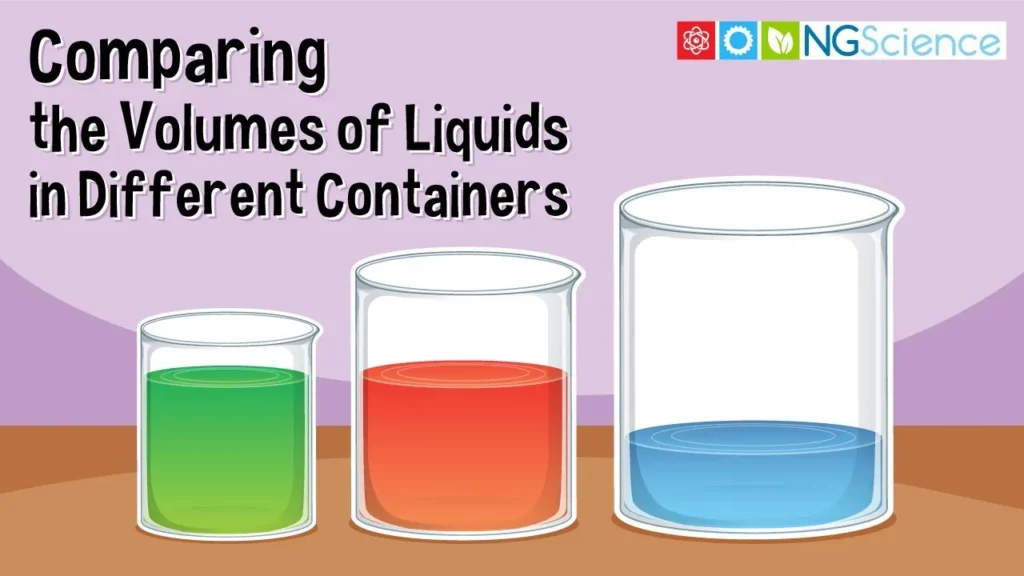
In this lesson, students learn about the concept of volume by comparing the amounts of water in different-shaped containers. By pouring the water from various beakers into identical cups, they can visually determine which container holds the most or least water. This hands-on experiment not only makes learning about volume engaging but also encourages students to explore similar comparisons at home.
All About Wind Energy
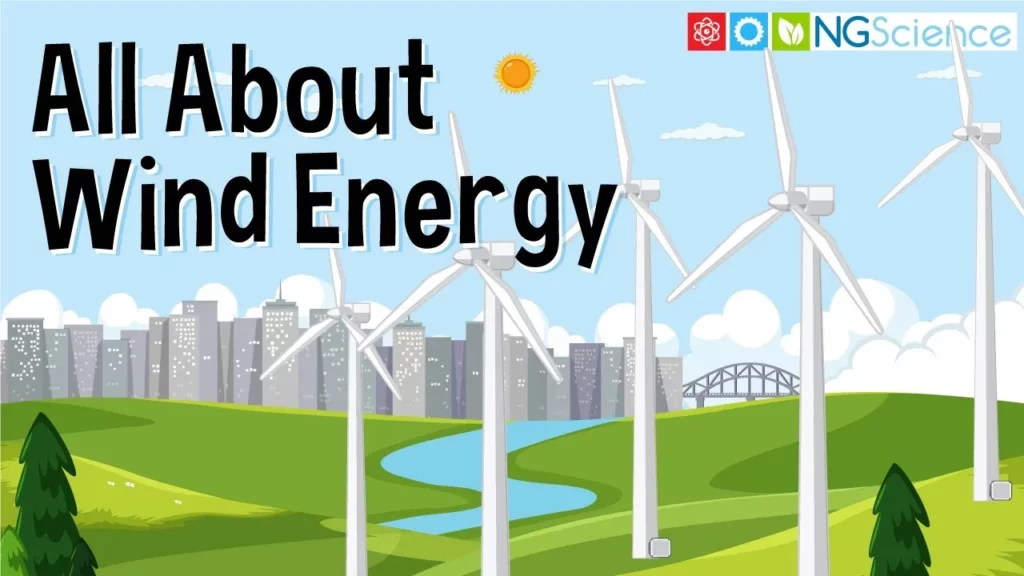
The lesson on wind energy explains how wind turbines convert the kinetic energy of wind into electrical energy through a generator, providing a clean and renewable source of electricity. While wind energy has significant environmental benefits, such as reducing pollution, it also presents challenges, including risks to wildlife and noise concerns for nearby communities. Overall, advancements in technology aim to enhance the efficiency and safety of wind energy production.
All About Solar Energy – Earth’s Renewable Resources
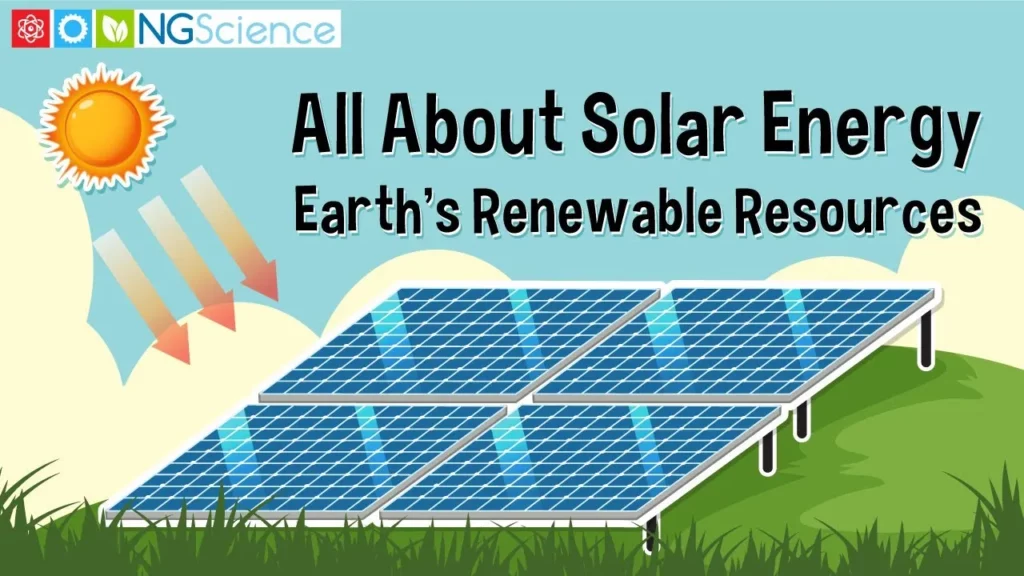
The lesson “All About Solar Energy – Earth’s Renewable Resources” explores the significance of the Sun as a primary energy source for Earth, highlighting its role in photosynthesis for plants and the conversion of sunlight into electricity through photovoltaic cells. It discusses the benefits of solar energy, such as its renewability and environmental friendliness, while also addressing challenges like space requirements and installation costs. Overall, the lesson emphasizes the importance of solar energy in powering our lives sustainably.
Characteristics of Organisms
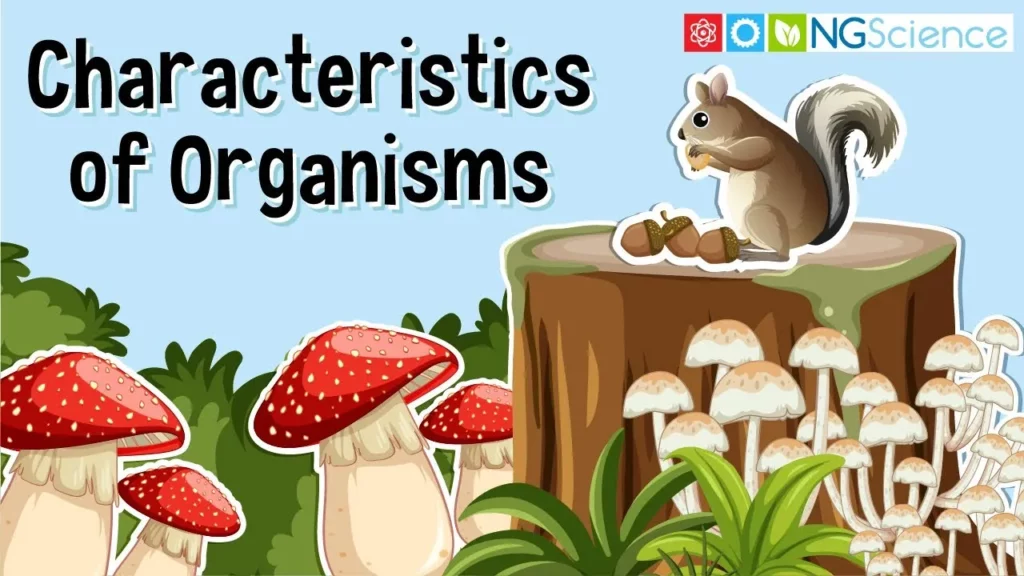
The lesson on the characteristics of organisms highlights the essential needs for survival, growth, and reproduction across various life forms, including animals, plants, and fungi. It emphasizes that all organisms are composed of cells, respond to their environment, and play unique roles in ecosystems, such as fungi acting as nature’s recyclers. By understanding these characteristics, we gain insight into the diverse and interconnected world of living things.
Cellular Respiration
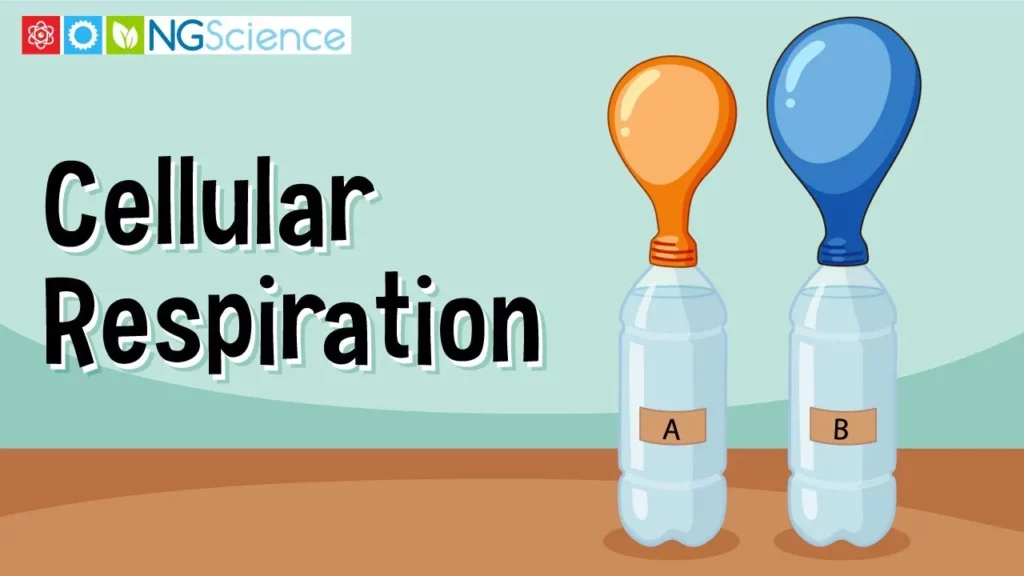
In this lesson on cellular respiration, we explore how yeast converts sugar and oxygen into energy, carbon dioxide, and water. Through a simple experiment using two bottles, one with sugar and one without, we observe that the yeast in the sugar-containing bottle produces carbon dioxide, inflating a balloon, while the other remains unchanged. This demonstrates the crucial role of glucose in promoting yeast growth and highlights the fascinating process of cellular respiration.