
Life Cycle of a Mosquito
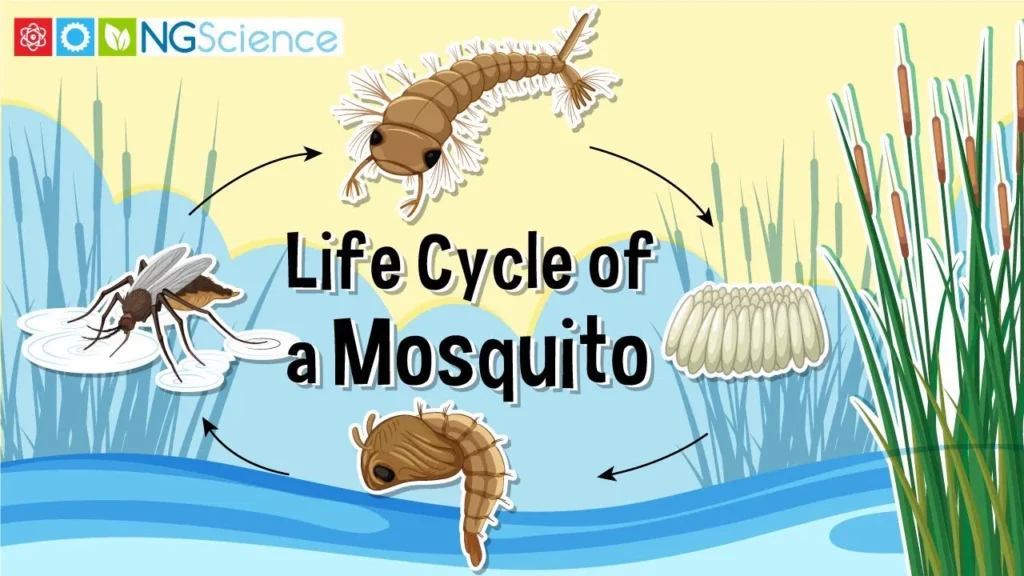
The lesson on the life cycle of a mosquito highlights the importance of understanding this insect’s development stages—egg, larva, pupa, and adult—to effectively manage mosquito populations and prevent disease transmission. Mosquitoes require still water for reproduction, and their life cycle stages occur primarily in aquatic environments. By recognizing these stages and implementing preventive measures, such as eliminating standing water, we can reduce the presence of mosquitoes and the risks they pose to human health.
All About Hydroelectricity
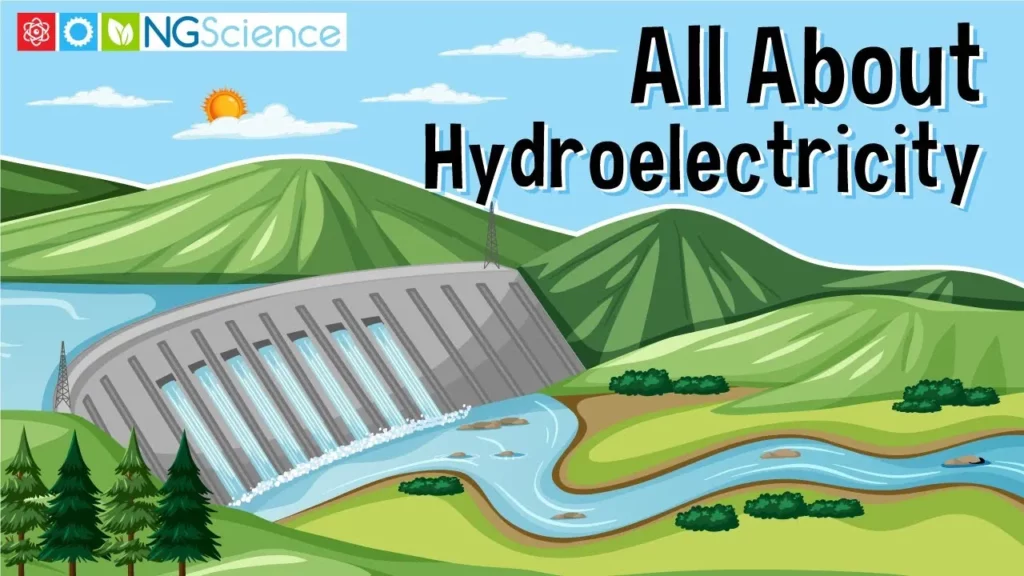
The lesson on hydroelectricity explains how moving water is harnessed to generate electricity, primarily through the use of dams and generators. It highlights the benefits of hydroelectricity, such as being a renewable, consistent, and clean energy source, while also addressing challenges like water resource needs and potential impacts on wildlife. Overall, it emphasizes the importance of understanding various energy sources and their implications for our environment.
Changing States of Matter
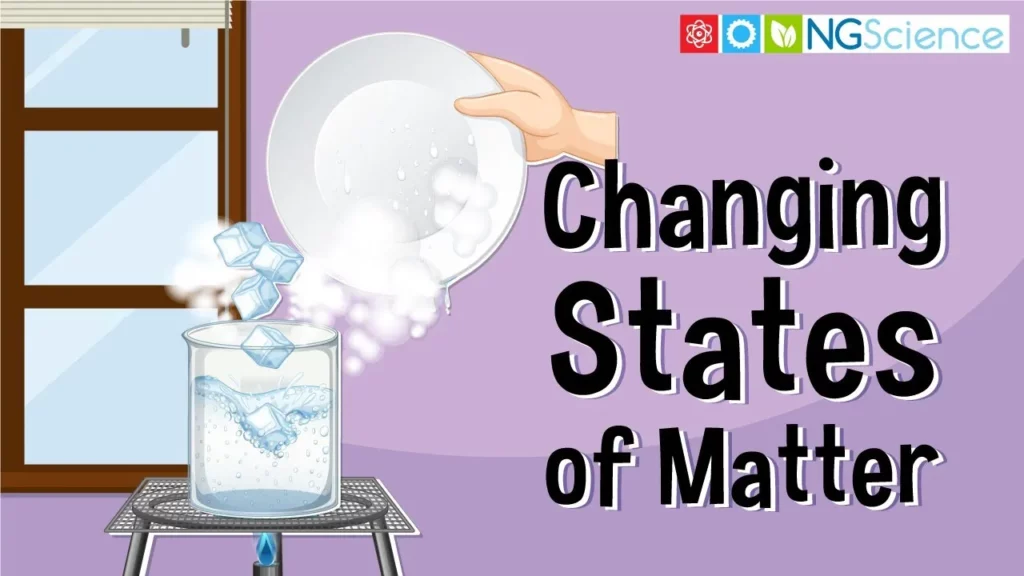
In this lesson, students learn about the three states of matter—solid, liquid, and gas—using water as a key example. They explore how matter changes states through processes like melting, evaporation, condensation, and freezing, and are encouraged to conduct simple experiments at home to observe these transformations firsthand.
All About the Tyrannosaurus Rex – T-Rex
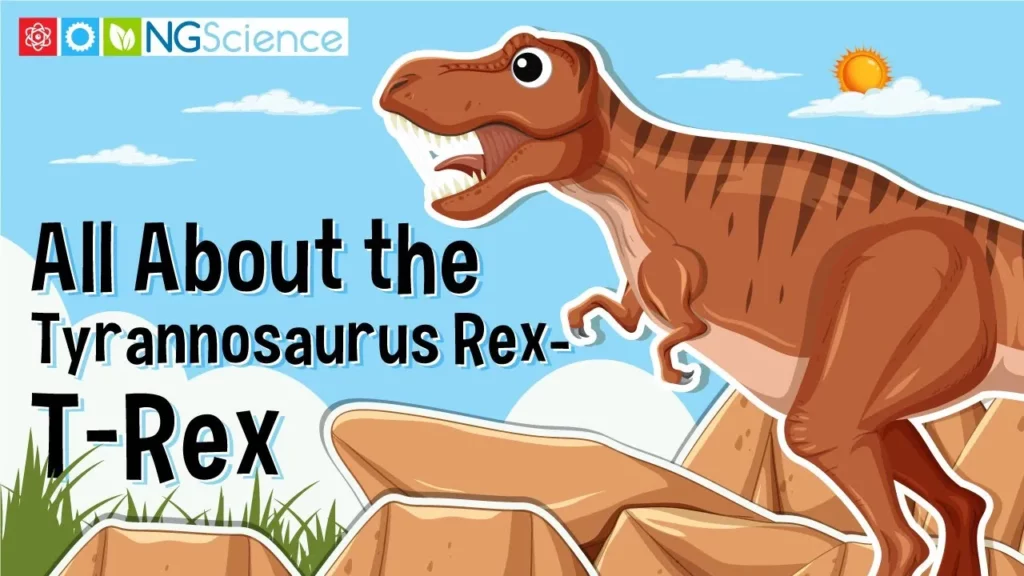
The lesson explores the fascinating world of dinosaurs, focusing on the iconic Tyrannosaurus rex (T. rex), which lived in North America and was known for its massive size and sharp teeth, indicating it was a carnivore. It discusses the T. rex’s unique physical features, such as its small but strong arms, and highlights the role of fossils in understanding dinosaurs, their behaviors, and their eventual extinction due to a meteorite impact 65 million years ago. Fossils serve as crucial evidence for scientists to learn about these ancient creatures and their environments.
Renewable and Non-renewable Resources
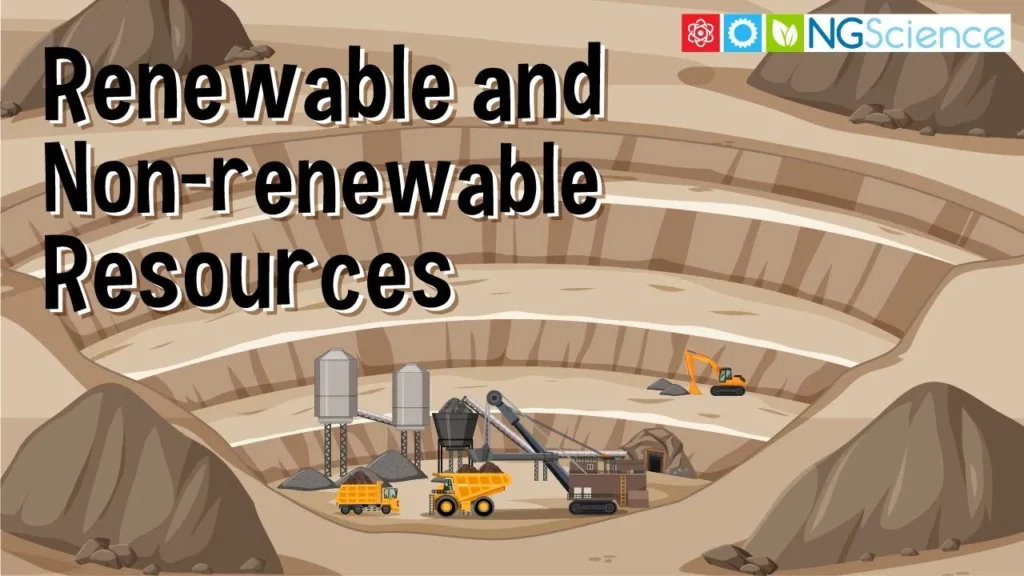
The lesson explains the distinction between renewable and non-renewable resources, highlighting that renewable resources, like sunlight and wind, can be replenished naturally, while non-renewable resources, such as fossil fuels, are finite and take millions of years to form. It also discusses the environmental impacts of extracting and using fossil fuels, including pollution and climate change, emphasizing the importance of making informed choices to protect the Earth for future generations.
Magnet Interactions – Poles
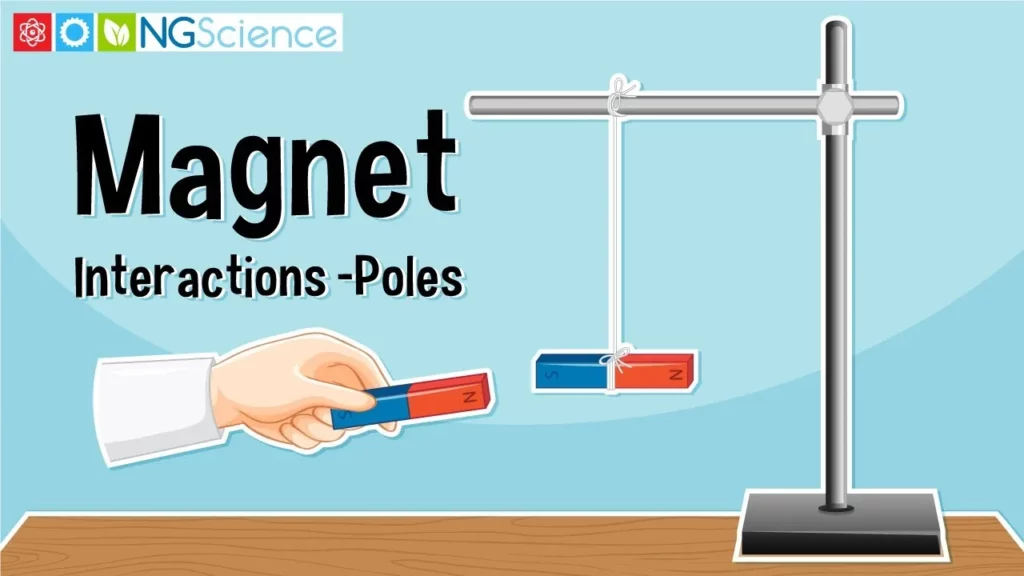
In this lesson, students explore the fascinating world of magnets, focusing on the concept of magnetic poles—north and south. Through hands-on experiments, they learn that like poles repel each other while opposite poles attract, reinforcing the fundamental principles of magnetism. The lesson concludes with fun facts about the practical applications of magnets in everyday life.
Tropical Coral Reef Ecosystems
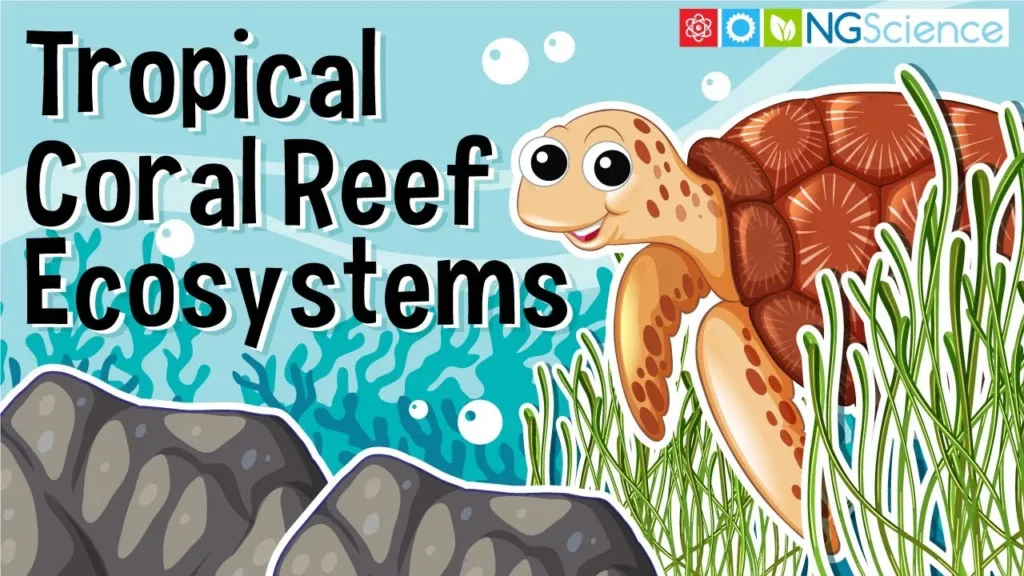
Tropical coral reefs are vital marine ecosystems formed by tiny marine animals called corals, which build hard exoskeletons that create the reef structure over centuries. Despite covering less than 0.1% of the ocean floor, coral reefs support over 25% of all marine life, serving as habitats for a diverse array of species. However, these ecosystems face significant threats from climate change, pollution, and other human activities, highlighting the urgent need for conservation efforts to protect them.
Changing the Size of Shadows
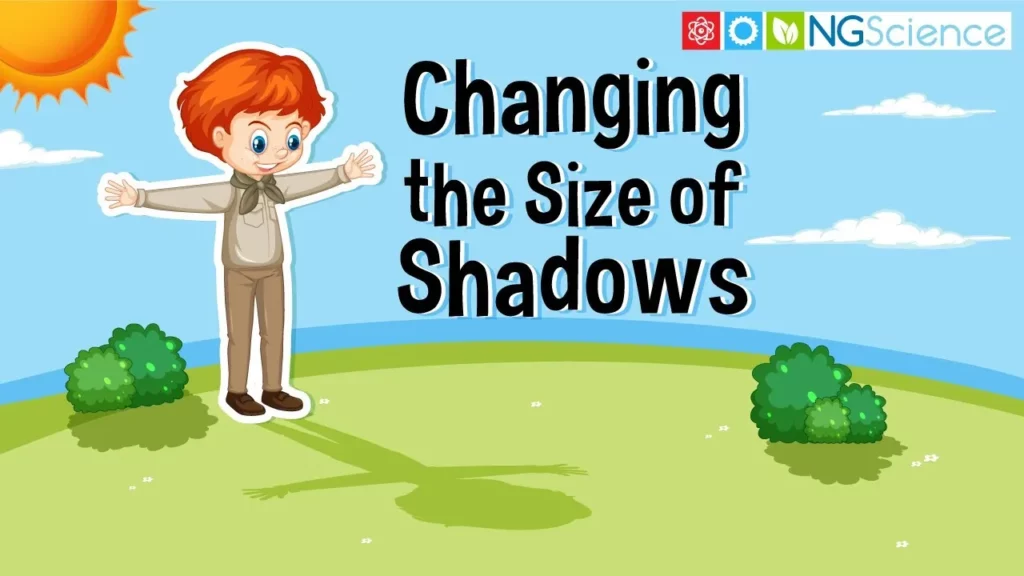
In this lesson, students learn how the size of shadows changes based on the position of the light source and the object blocking the light. By experimenting with a flashlight and a toy lion, they discover that moving the object closer to the light makes the shadow larger, while moving it further away makes the shadow smaller. The lesson encourages hands-on exploration of shadows using various objects and light sources.
Earth’s Landforms – Mountains
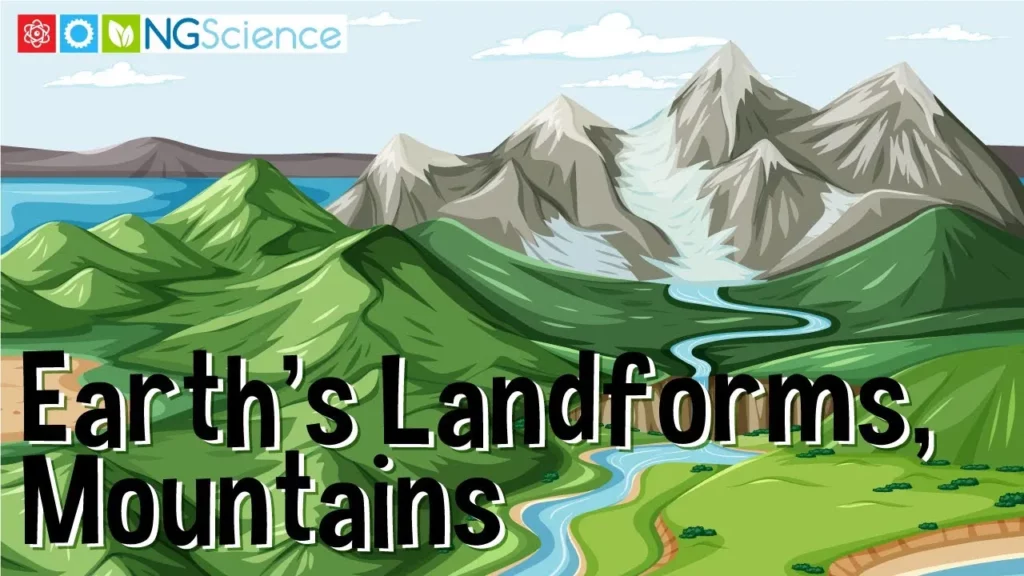
In this lesson, we explored the fascinating world of mountains, a prominent type of landform that rises significantly above its surroundings, typically over 300 meters high. We learned that mountains can form through the collision of tectonic plates or volcanic eruptions, both processes that take millions of years. The lesson encourages further exploration of various landforms and the natural wonders of our planet.
Desert Ecosystems
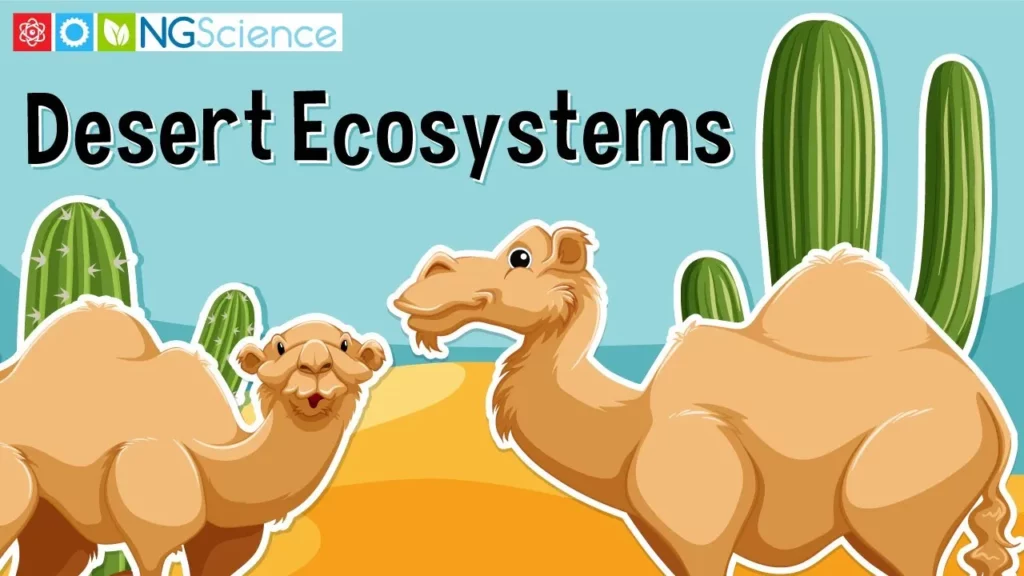
The lesson on desert ecosystems highlights that deserts are defined by their low annual rainfall, rather than solely by temperature, and can be found on every continent, covering about 20% of the Earth’s surface. It emphasizes the unique adaptations of desert plants and animals, such as cacti’s water-conserving features and camels’ ability to endure extreme conditions, showcasing how life thrives in these seemingly harsh environments. Overall, deserts are complex ecosystems with diverse organisms that have evolved specialized traits to survive in arid conditions.