
Are all metals magnetic?
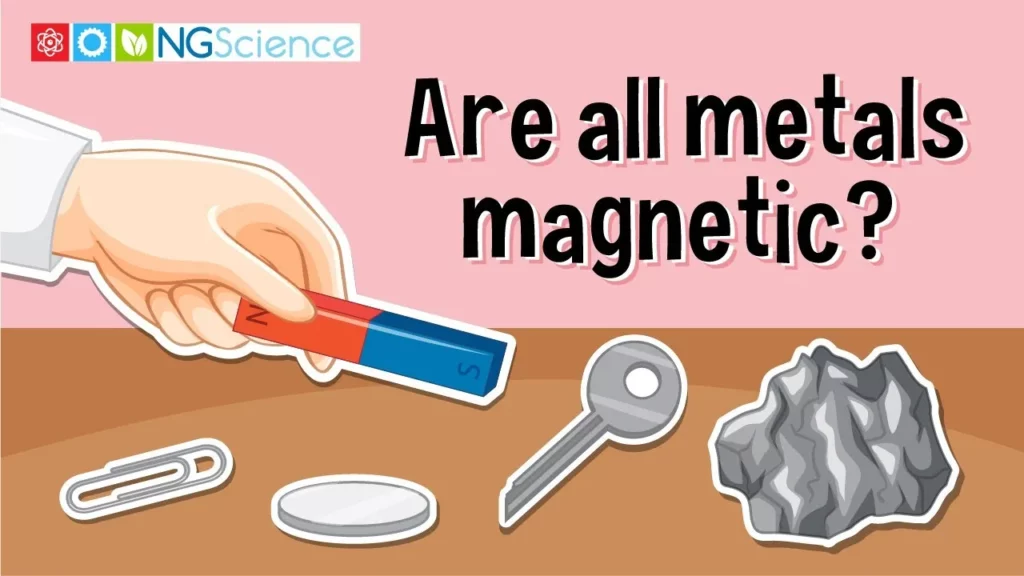
In this lesson, we explored the concept of magnetism by testing various metal objects to determine which are magnetic. Through our experiments, we discovered that metals like iron, nickel, and cobalt are magnetic, while others such as aluminum, brass, and copper are not. This understanding helps us recognize the different properties of metals and their interactions with magnets.
Sounds are caused when an object vibrates, but can sound cause another object to vibrate?
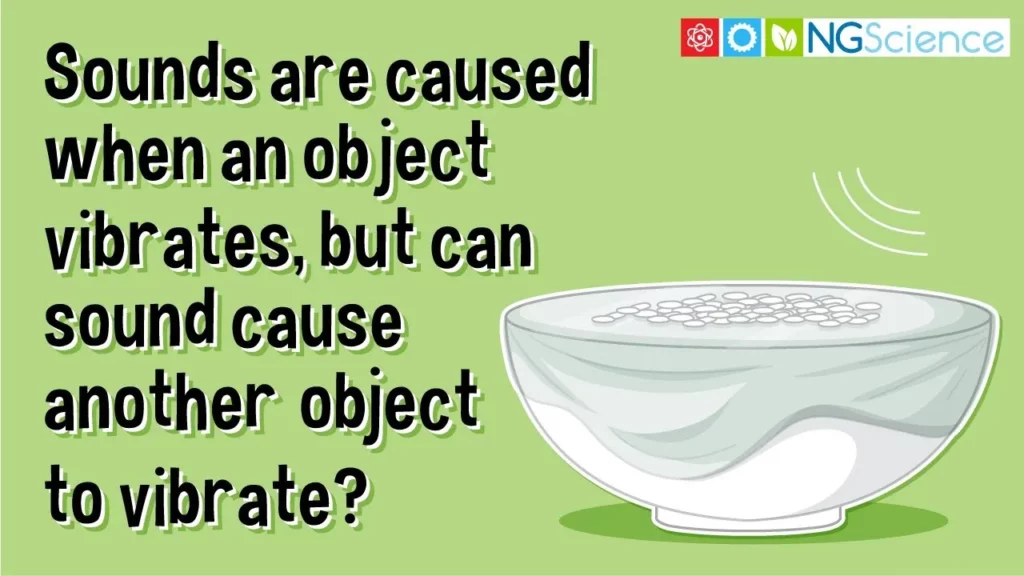
This lesson explores the concept of sound as a result of vibrations and demonstrates how sound can also cause other objects to vibrate. Through a simple experiment involving a pot, a wooden spoon, cling wrap, and rice, students observe how sound waves generated by the vibrating pot can make the rice dance on the cling wrap, illustrating that sound is a form of energy capable of moving objects. The lesson encourages hands-on exploration of sound and vibrations, inviting students to experiment with different materials.
Heat Conductivity – Spoon Test
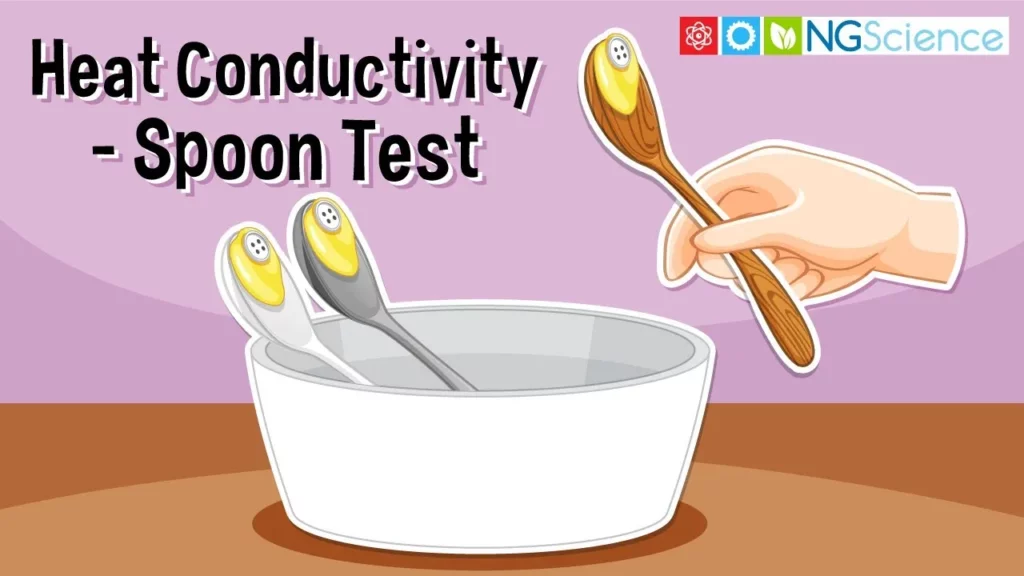
In this lesson on heat conductivity, students learn how different materials affect the transfer of heat through a simple spoon experiment. By comparing metal, wood, and plastic spoons, they observe that the metal spoon conducts heat more effectively, causing the margarine to melt and the button to fall off first, while the wooden and plastic spoons act as insulators. This demonstrates why metal objects can feel hotter or colder than those made of wood or plastic.
Is it magnetic or non-magnetic?
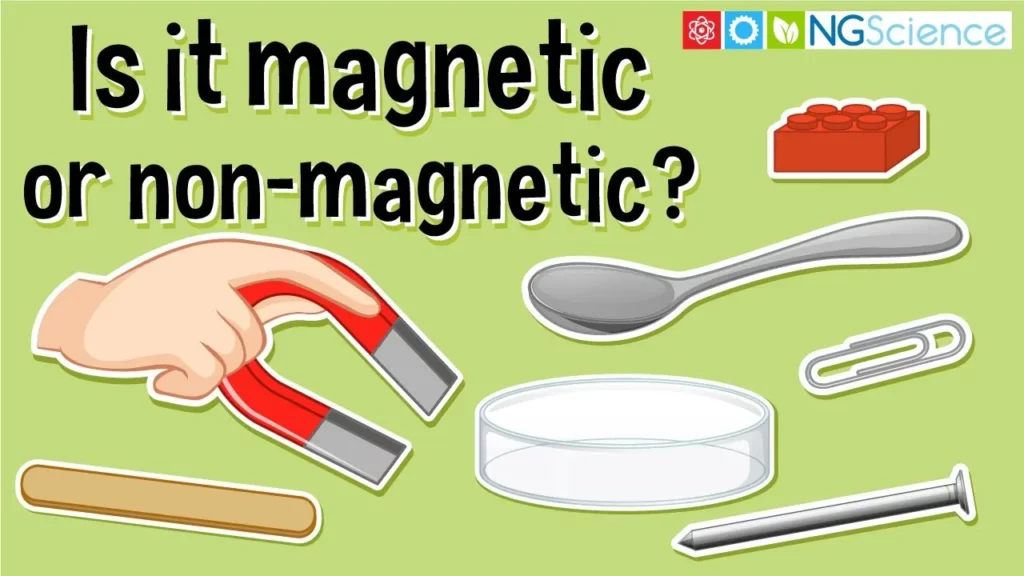
In this lesson, students explore the difference between magnetic and non-magnetic materials through hands-on testing with various objects. By bringing a magnet close to each item, they learn to identify which objects are attracted to the magnet and which are not, enhancing their understanding of magnetism. The lesson encourages curiosity and further exploration of magnets and their properties.
Observing the Effect of Water Pressure
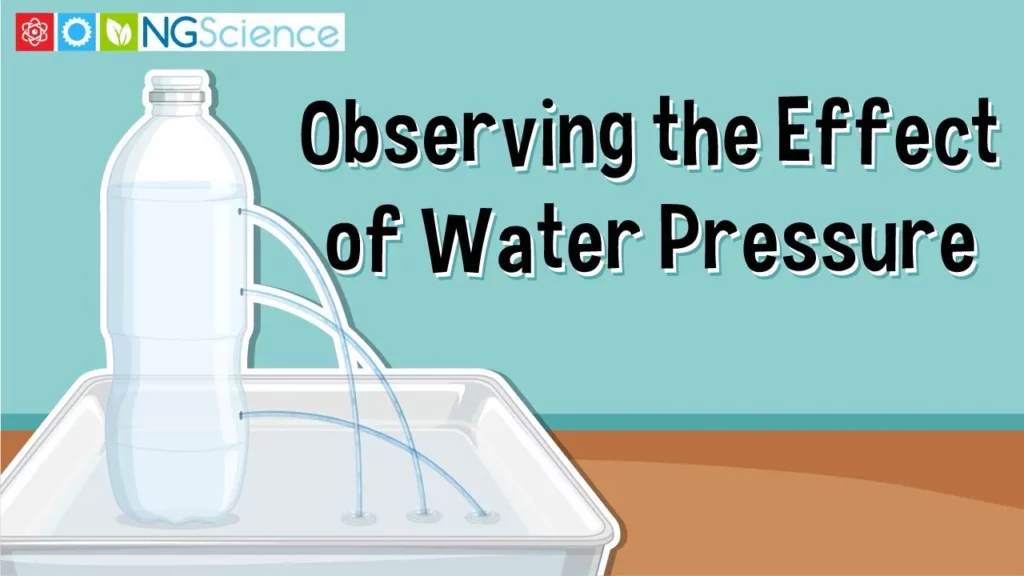
In this lesson, students explore the concept of water pressure through a hands-on experiment using a plastic bottle with holes drilled at different heights. By observing the varying distances that water shoots out from the holes, they learn that water pressure increases with depth, resulting in the strongest pressure at the bottom of the bottle. This simple experiment effectively illustrates the properties of liquids and the behavior of pressure in a fun and engaging way.
Magnetic Fields – Observing Magnetic Force
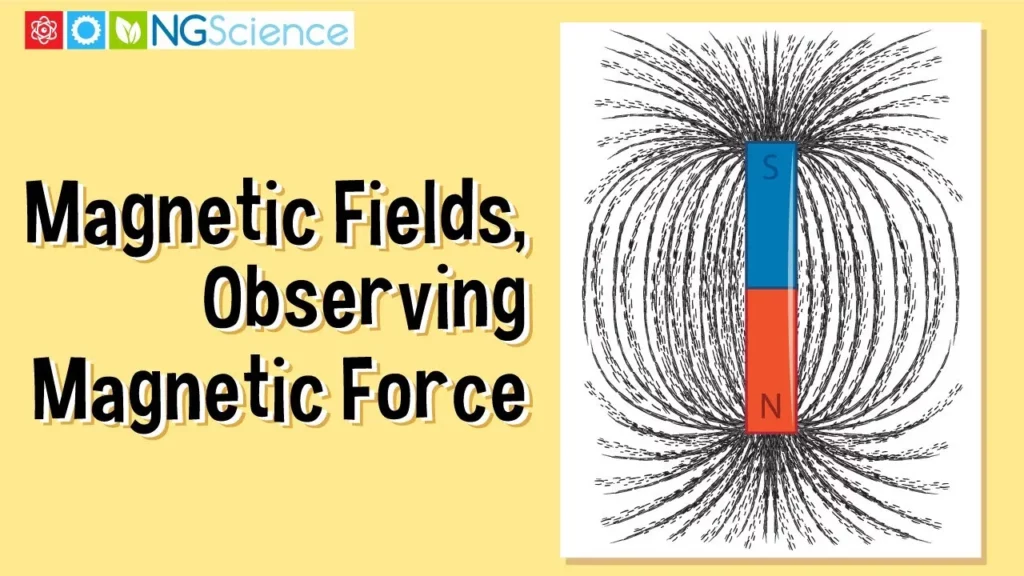
In this lesson, students explore the concept of magnetic fields by conducting a simple experiment using iron filings to visualize the invisible forces around magnets. They learn that magnetic fields are strongest at the poles of a magnet and observe how the interaction between two magnets can either attract or repel based on their orientations. The lesson encourages further experimentation and exploration of magnetic properties.
Heat Transfer – Conduction, Convection and Radiation
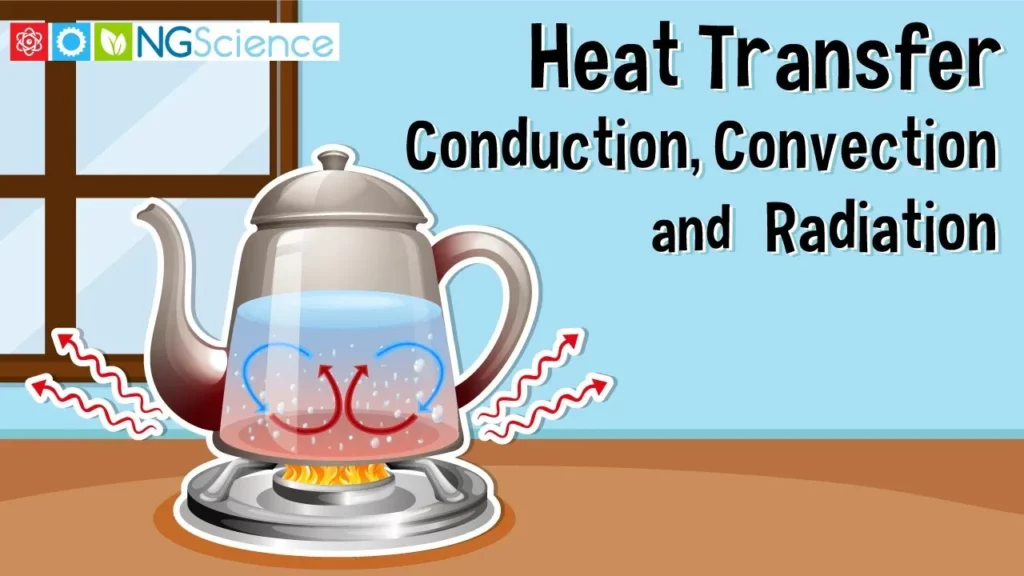
This lesson explores the three primary methods of heat transfer: conduction, convection, and radiation. Conduction occurs when heat moves through solid objects in direct contact, as seen when heating milk in a pot. Convection involves the movement of heat in liquids and gases, exemplified by hot air rising in a balloon, while radiation allows heat to travel through space without needing a medium, such as the warmth felt from the sun or a campfire.
Sound and Pitch – Glass Bottle Xylophone
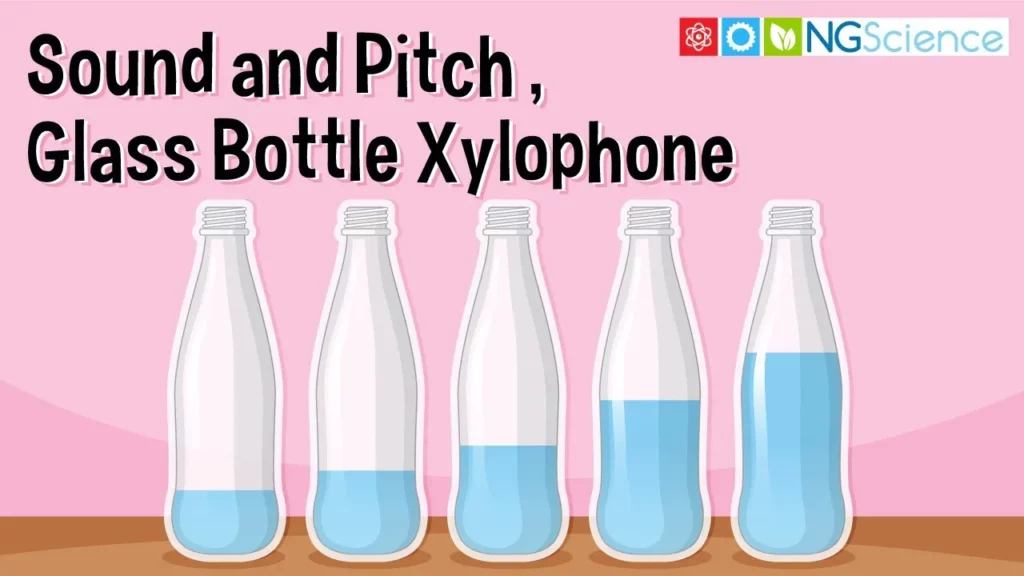
In this lesson, students explore the concepts of sound and pitch through a hands-on experiment using glass bottles filled with varying amounts of water. By tapping the bottles, they discover that the sound changes based on the water level, with less water producing higher pitches and more water resulting in lower pitches due to the differences in vibration speed. This activity not only illustrates the principles of sound but also connects to how musicians manipulate instruments to create different pitches.
What is Energy?
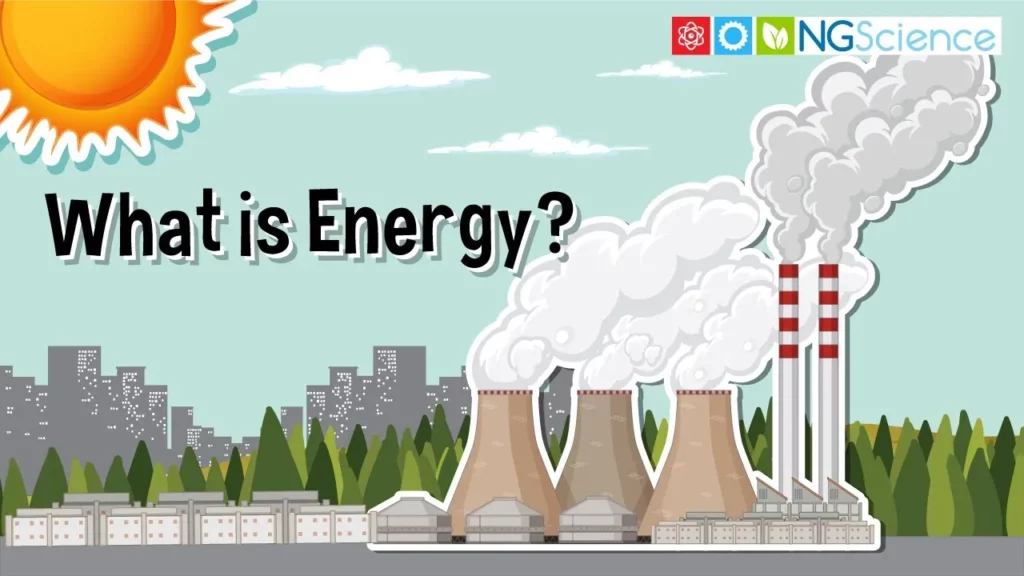
The lesson explains that energy, the ability to do work or cause change, is omnipresent and essential for all living things. It describes how plants convert sunlight into food, which is then transferred through the food chain to animals. Additionally, the lesson outlines the two main types of energy: kinetic energy, associated with movement, and potential energy, which is stored and can be converted into kinetic energy.
What is Photosynthesis?
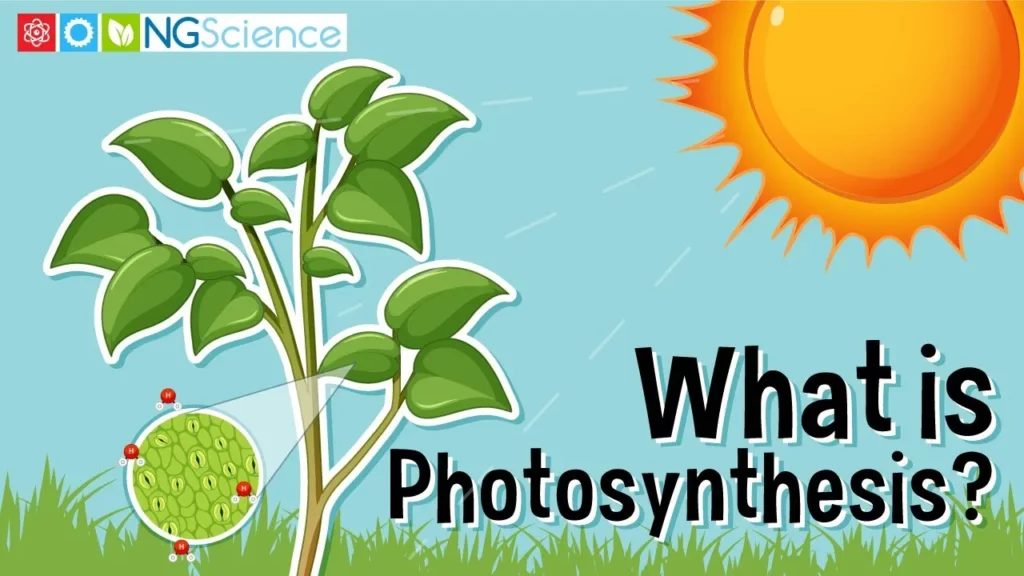
In this lesson, we explored the fascinating process of photosynthesis, through which plants create their own food using sunlight, carbon dioxide, and water. The process occurs mainly in the leaves, where chlorophyll absorbs sunlight to convert carbon dioxide and water into glucose, a type of sugar that fuels plant growth, while also releasing oxygen into the atmosphere. Additionally, we learned that some other organisms can also perform photosynthesis, highlighting its importance for life on Earth.