
Heating Matter and Changes in State
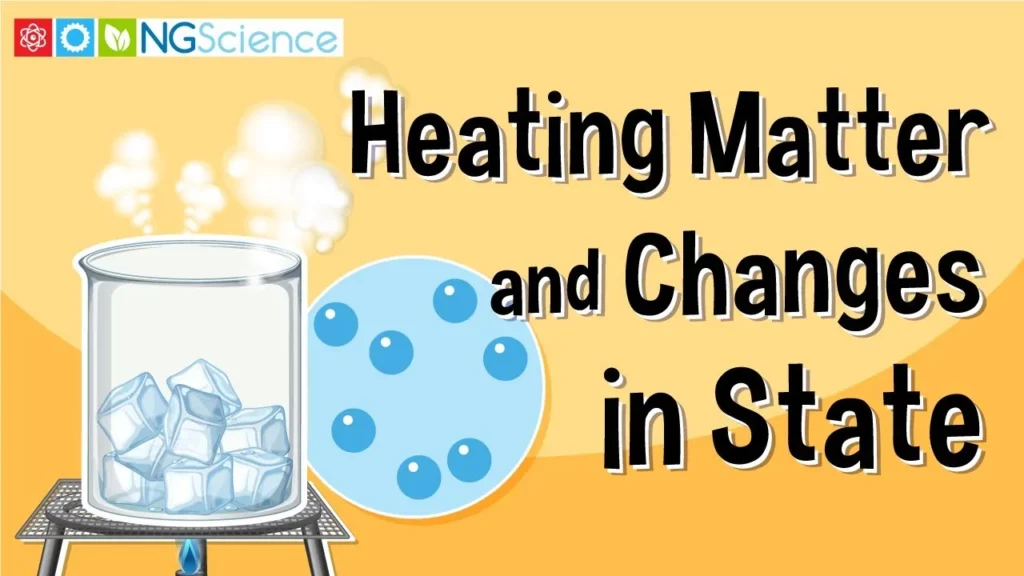
In this lesson, we explored how heating affects the state of matter, specifically how ice (a solid) melts into water (a liquid) and how water can then evaporate into water vapor (a gas). We learned that as matter is heated, its particles move more freely, leading to changes in shape and state. The lesson encourages further exploration of matter’s behavior when cooled and invites students to conduct experiments at home.
What is the Greenhouse Effect?
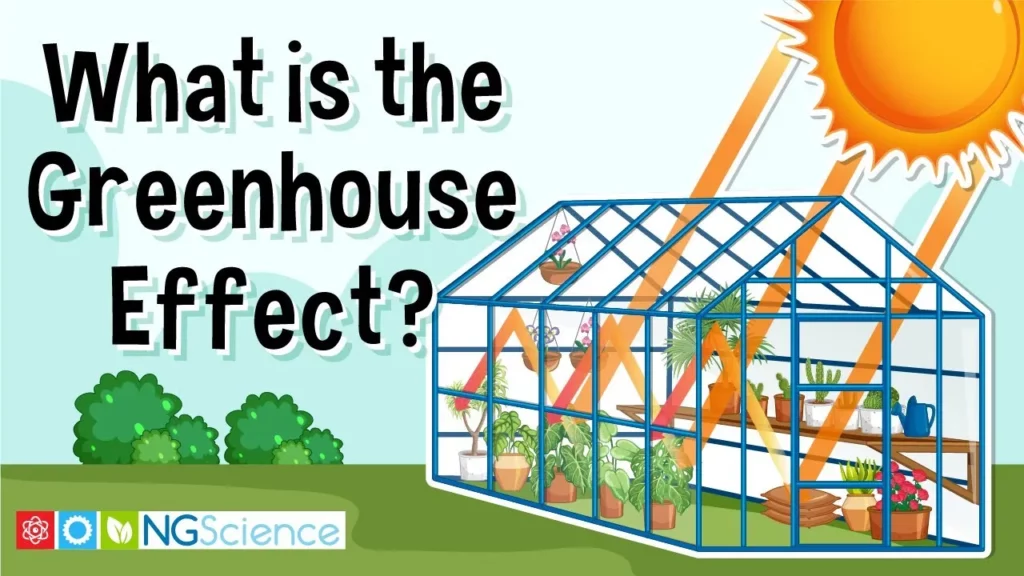
The lesson explains the greenhouse effect and its significance in maintaining Earth’s temperature, which is essential for supporting life. It describes how Earth’s atmosphere, similar to a greenhouse, allows sunlight in while trapping some heat through greenhouse gases like carbon dioxide and methane, ensuring a stable climate. This effect is crucial for keeping temperatures within the “Goldilocks zone,” where conditions are just right for life to thrive.
Effect of Increased Greenhouse Gases in our Atmosphere
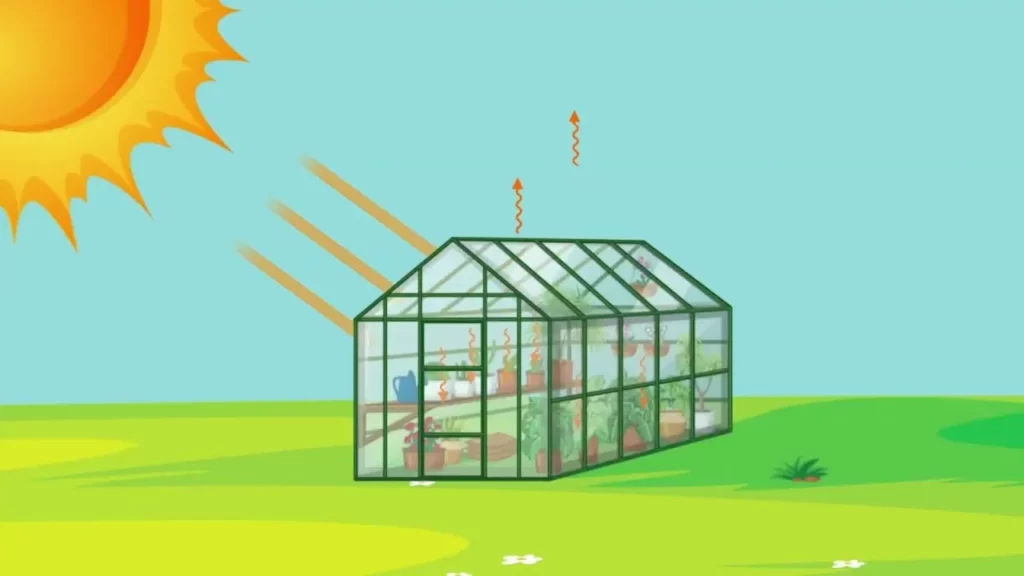
The lesson explains the greenhouse effect, a natural process that warms the Earth, and highlights how increased greenhouse gases, primarily from human activities like burning fossil fuels and deforestation, are causing rapid climate change. This warming leads to significant consequences, including altered weather patterns, rising sea levels, and threats to ecosystems and human well-being. However, the lesson emphasizes that through awareness and action, individuals can contribute to mitigating climate change and protecting the planet.
What is a Force?
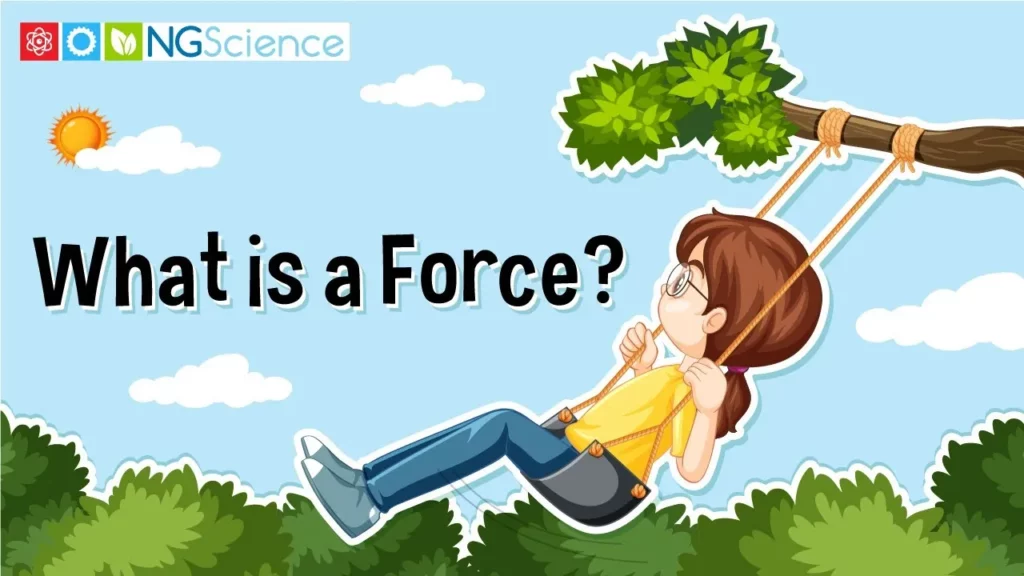
In this lesson, we learn that a force is essential for movement, acting as a push or a pull that enables objects to move. Push forces move things away from us, while pull forces bring things closer. By observing our everyday activities, we can identify how we use these forces to interact with the world around us.
Reducing Greenhouse Gas Emissions – What You Can Do
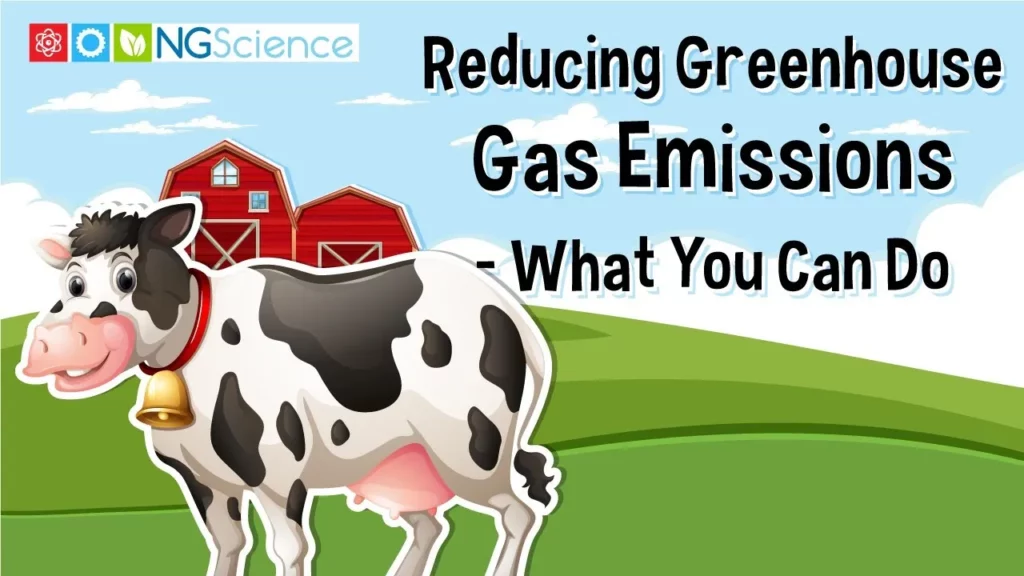
The lesson on reducing greenhouse gas emissions emphasizes the importance of understanding the greenhouse effect and the impact of human activities on climate change. It highlights various actions individuals can take to mitigate climate change, such as using energy-efficient appliances, supporting renewable energy, reducing vehicle emissions, participating in tree-planting initiatives, and adopting a more plant-based diet. By making small changes in our daily lives, we can collectively contribute to a healthier planet.
The Four Seasons – Summer
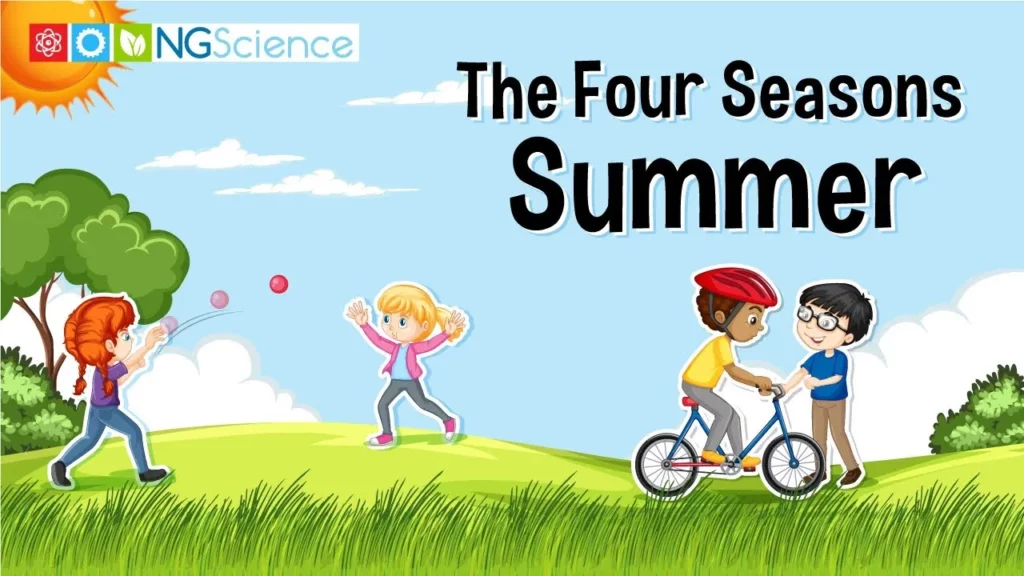
The lesson on “The Four Seasons – Summer” explains how summer follows spring and is characterized by warmer weather and longer days filled with sunlight. It highlights the outdoor activities people enjoy during this season, the busy lives of animals, and the growth of plants, which often produce fruits. As summer comes to an end, the lesson notes the transition to fall, setting the stage for the next seasonal changes.
Learning from Nature – Biomimicry
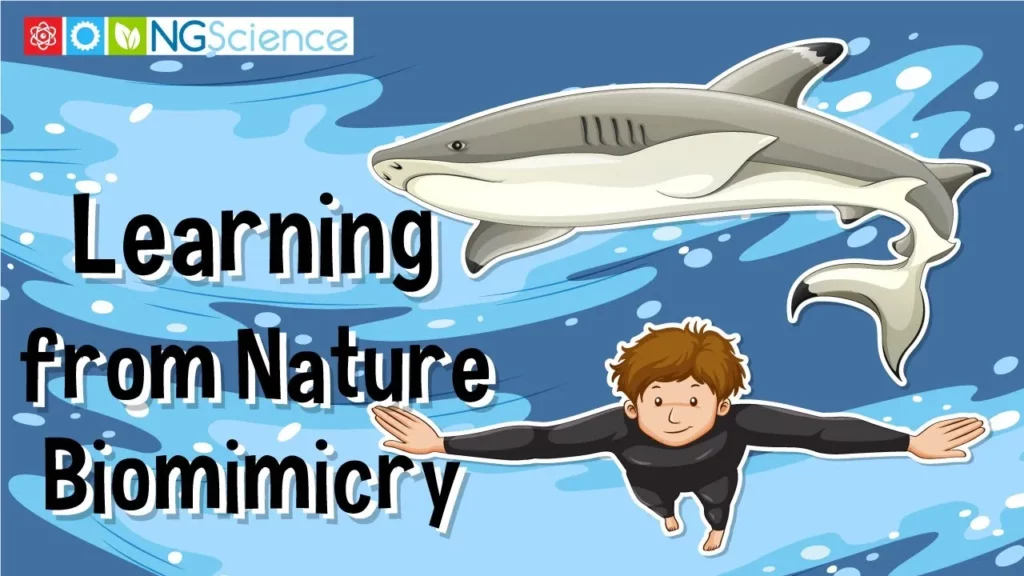
The lesson on “Learning from Nature – Biomimicry” explores how scientists and engineers draw inspiration from the natural world to solve human problems. By examining the remarkable adaptations of animals and plants, such as the silent flight of owls and the strength of spider silk, innovators have developed solutions like Velcro and improved designs for airplanes and trains. The lesson encourages students to think creatively about current challenges and seek inspiration from nature’s time-tested strategies.
Earth’s Biomes
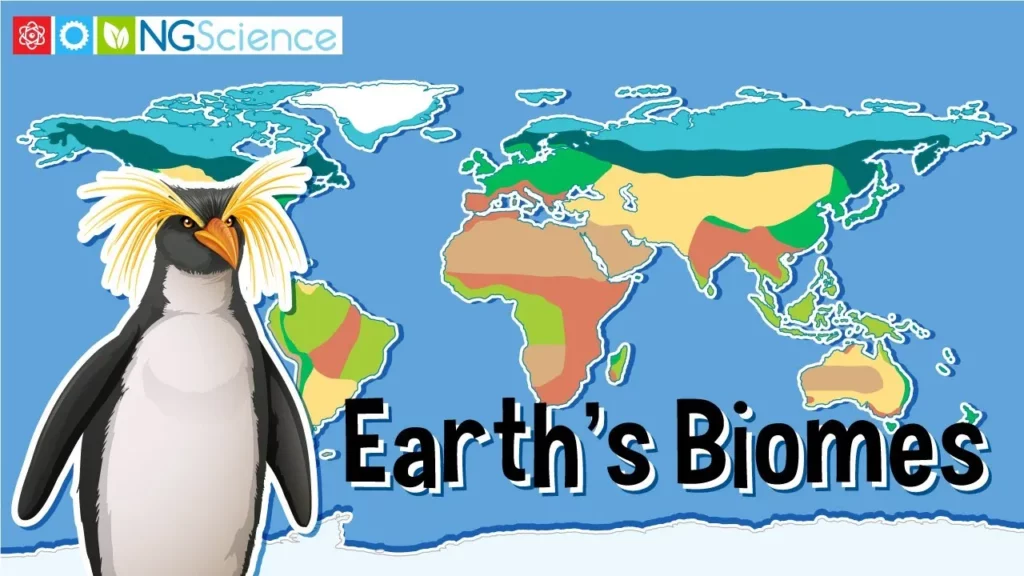
This lesson explores Earth’s biomes, which are distinct regions characterized by specific climates, plants, and animals. It highlights various biomes, including tropical rainforests, grasslands, deserts, temperate forests, boreal forests, tundras, and polar ice biomes, each with unique features and ecosystems shaped by their climate and geographical location. Understanding these biomes helps explain the diversity of life on our planet and the environmental factors that influence it.
Lighthouse Lab – Modelling a Volcanic Eruption
In this lesson, students learn how to model a volcanic eruption by creating a volcano and making “lava bombs” using safe chemicals like bicarbonate soda and citric acid. The experiment culminates in a simulated eruption by mixing water and dish soap with the lava rocks, demonstrating the process of magma becoming lava. Students are encouraged to try a similar eruption at home with adult supervision, emphasizing safety precautions throughout the activity.
An Introduction to Invertebrates
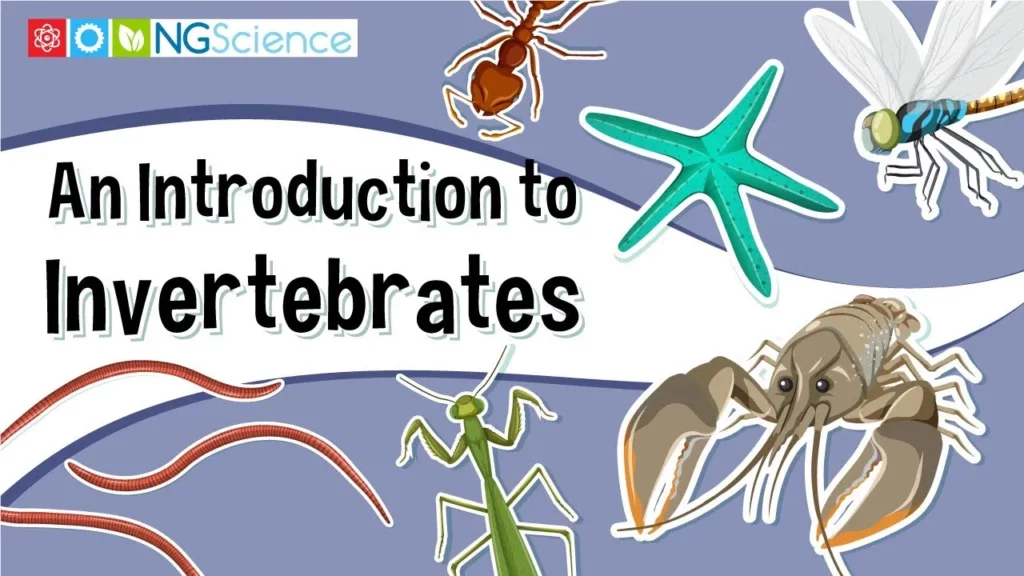
This lesson introduces invertebrates, the vast group of animals that lack backbones, highlighting their diversity and significance in ecosystems. It contrasts invertebrates with vertebrates, explaining their various types, such as sponges, jellyfish, worms, starfish, mollusks, and arthropods, while emphasizing the crucial roles invertebrates play in pollination, decomposition, and serving as a food source for other animals. The lesson encourages further exploration and appreciation of these remarkable creatures.