
Lighthouse Lab – Physical and Chemical Change
In today’s lesson, we explored the two main types of changes that matter can undergo: physical changes and chemical changes. Physical changes alter the appearance of matter without creating new substances, such as cutting paper or changing the state of ice, while chemical changes result in the formation of new substances, as seen when a match is struck or food is digested. Understanding these concepts helps us recognize the various transformations matter can experience in our everyday lives.
Lighthouse Lab – Gravity and Sir Isaac Newton
In today’s Lighthouse Lab lesson, we explored the concept of gravity, the invisible force that pulls objects towards the Earth. We learned that gravity, discovered by Sir Isaac Newton in the 1600s, not only causes objects to fall but also keeps planets in orbit around the Sun. Through a simple experiment, we observed how gravity works and understood its significance in our daily lives and the solar system.
Lighthouse Lab – Circuits: Batteries Arranged in Series
In today’s lesson, we explored the fundamentals of circuits by creating a simple circuit with a light bulb, battery, and switch. We learned how adding batteries in series increases the voltage, resulting in a brighter light bulb, and understood the role of a switch in controlling the flow of electricity. This foundational knowledge sets the stage for future experiments, including adding more light bulbs to our circuit.
Lighthouse Lab – Characteristics of Living Things
In the Lighthouse Lab lesson on the characteristics of living things, students learn that living organisms, including plants, animals, and humans, share essential needs such as air, water, and food for survival. The lesson covers how living things grow, reproduce, and respond to their environment, with examples like animals using gills to breathe and plants making their own food through photosynthesis. Through interactive activities, students differentiate between living and non-living things, reinforcing their understanding of what defines life.
Importance of Bees
The lesson highlights the significance of bees within the diverse insect kingdom, emphasizing their crucial role in pollination, which is essential for the reproduction of flowering plants. In addition to producing honey and beeswax, bees are vital for pollinating over 100 crops that contribute to our food supply, thereby maintaining healthy ecosystems and supporting agriculture. Understanding the importance of bees encourages appreciation for their contributions to both nature and our daily lives.
Why We DON’T Need to be Scared of Sharks

The lesson emphasizes that sharks, often feared as dangerous predators, are largely misunderstood and pose little threat to humans. Most shark species are not interested in people, and attacks are extremely rare, with only a few species known to be aggressive. Instead of fearing sharks, we should appreciate their vital role in maintaining healthy ocean ecosystems and advocate for their conservation, as many species are currently threatened.
All About Light
The lesson “All About Light” explores the essential role of light in our daily lives, highlighting how it enables us to see and perceive the world around us. It distinguishes between natural sources of light, like the sun and stars, and artificial sources, such as lamps and screens, which help illuminate our surroundings and facilitate communication. Additionally, the lesson emphasizes the importance of light for plants, as it is crucial for the process of photosynthesis, ultimately supporting life on Earth.
Pollination in a Minute
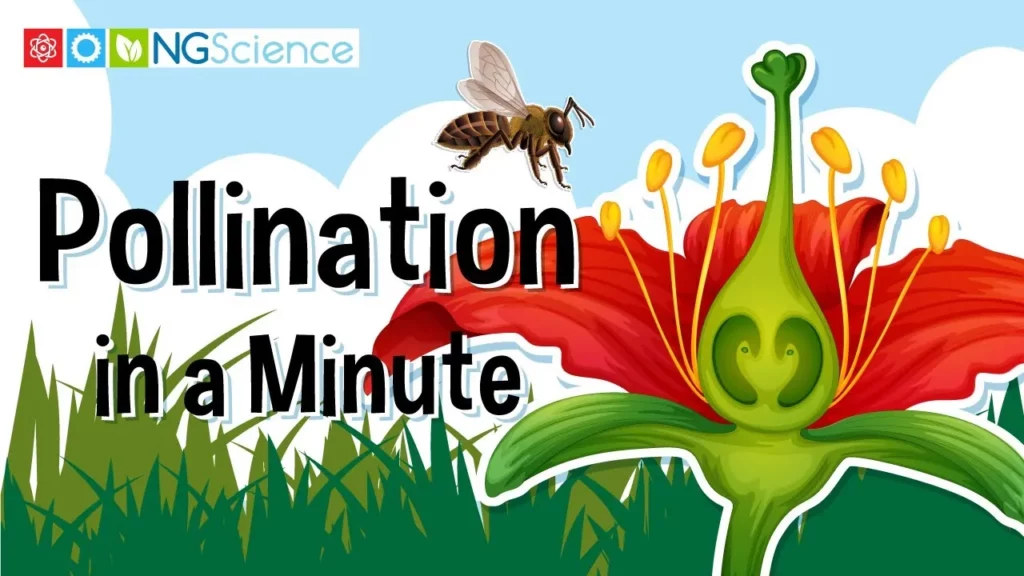
The lesson “Pollination in a Minute” explains the essential role of bees in the process of pollination, which is crucial for plant reproduction. As bees collect nectar from flowers, they inadvertently transfer pollen from one flower’s stamen to another’s stigma, initiating the growth of a pollen tube that leads to fertilization and the formation of seeds. This fascinating cycle highlights the symbiotic relationship between bees and flowers, ultimately contributing to the growth of new plants.
Energy Transformations
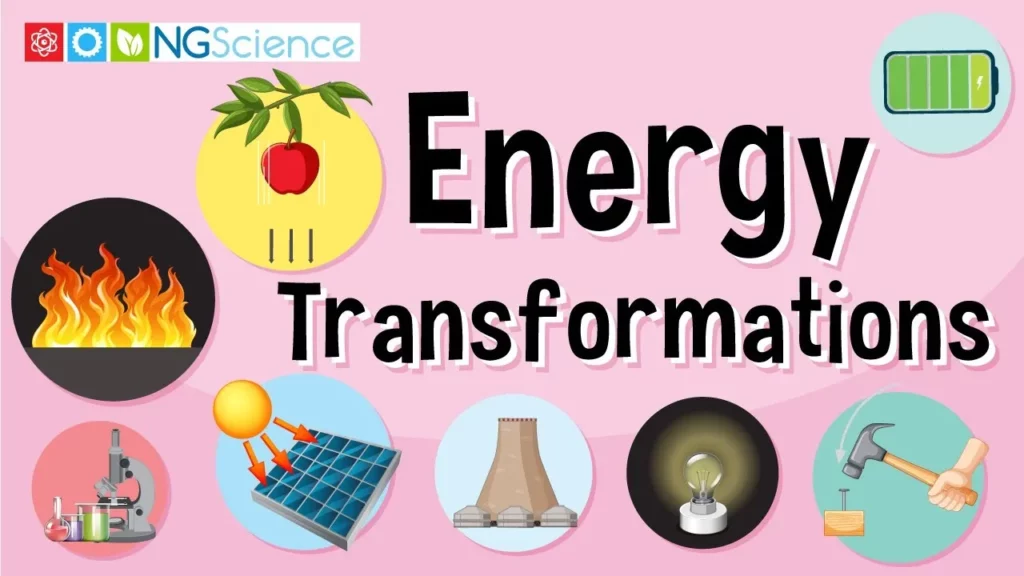
The lesson on energy transformations highlights that energy is omnipresent and essential for various functions in our daily lives, from powering machines to enabling life processes in plants and animals. It emphasizes that energy cannot be created or destroyed but instead changes forms, illustrated through examples such as strumming a ukulele, switching on a light bulb, and using an electric kettle. By understanding these transformations, we can better appreciate the role of energy in our world.
How Do Rainbows Form?
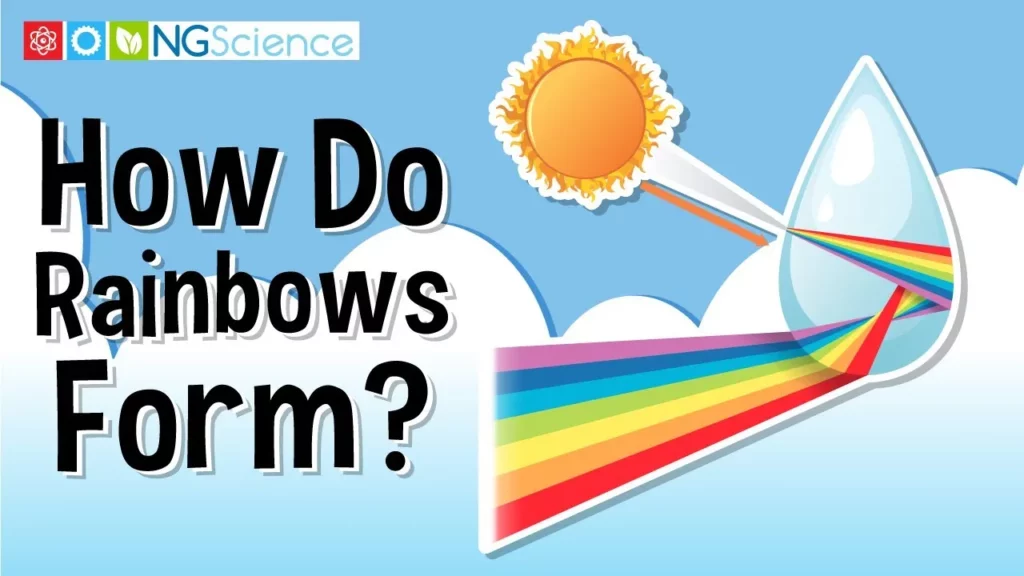
This lesson explains how rainbows form through the interaction of sunlight and water droplets. When sunlight, which is made up of various colors, enters a water droplet, it bends, reflects, and bends again, creating the spectrum of colors seen in a rainbow. The lesson also highlights that rainbows can appear in various situations, not just after rain, showcasing the beauty of nature and the science behind light.