
Battling bad science – Ben Goldacre
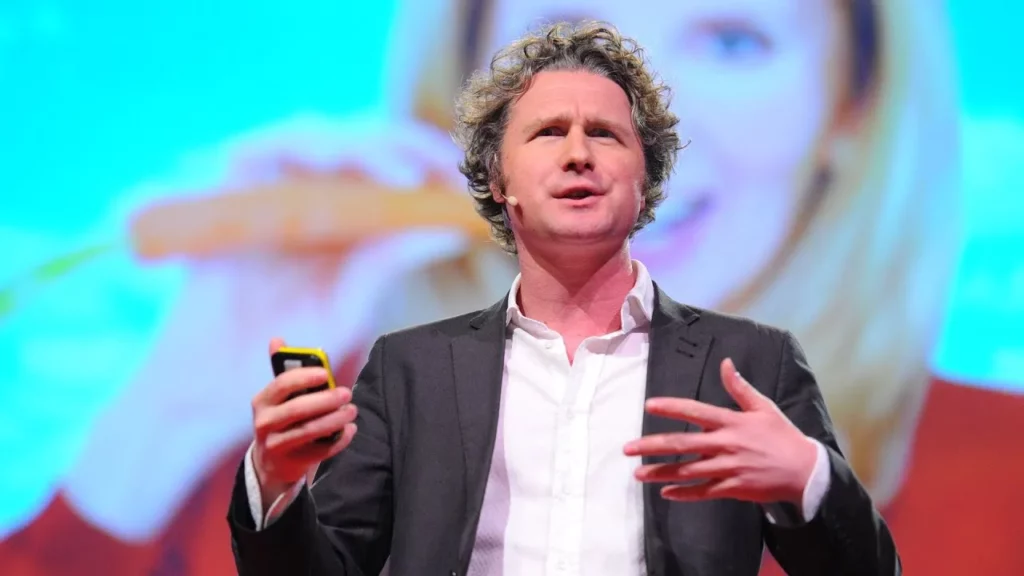
The lesson emphasizes the significance of evidence-based medicine in critically assessing health claims, particularly in light of sensational headlines that often misrepresent scientific findings. It highlights the importance of rigorous scientific evidence, such as randomized trials, over weaker forms of evidence like authority, and underscores the challenges posed by the pharmaceutical industry, including data manipulation and lack of transparency. Ultimately, the lesson advocates for a careful evaluation of health information to ensure informed decision-making based on solid evidence rather than misleading claims.
The generation that’s remaking China – Yang Lan

In her lesson, Yang Lan discusses the transformative impact of the younger generation in China, highlighting their unique challenges and the power of social media as a platform for expression and activism. She reflects on her own journey and the importance of embracing differences, emphasizing that this generation is navigating modern complexities while striving for social justice, environmental sustainability, and personal happiness. Ultimately, Lan asserts that the youth are not only reshaping their own lives but are also poised to redefine the future of China.
Freeing energy from the grid – Justin Hall-Tipping

The lesson “Freeing Energy from the Grid” emphasizes the importance of shifting our perception of normalcy to address significant global challenges, such as energy generation and water scarcity. It highlights groundbreaking advancements in nanotechnology, including smart windows that regulate heat, materials that convert infrared radiation into visible light, and innovative energy storage solutions that could eliminate reliance on traditional electric grids. By harnessing the power of electrons and collaborating with leading scientists, the lesson inspires hope for a sustainable future where energy is accessible and affordable for all.
Trust, morality — and oxytocin? – Paul Zak
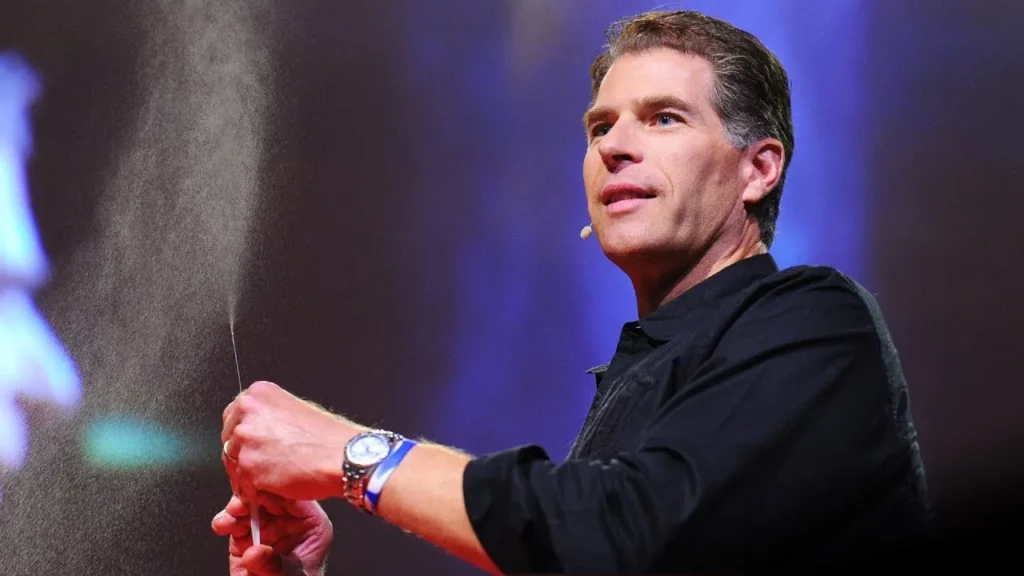
The lesson explores the connection between oxytocin, often referred to as the “moral molecule,” and human morality, particularly in relation to trust and empathy. Through extensive research, it was found that oxytocin influences moral behavior by enhancing trustworthiness and empathy, with practical implications for improving relationships and social interactions. The findings suggest that simple actions, like hugging, can boost oxytocin levels, fostering deeper connections and a more compassionate society.
It’s time to question bio-engineering – Paul Root Wolpe
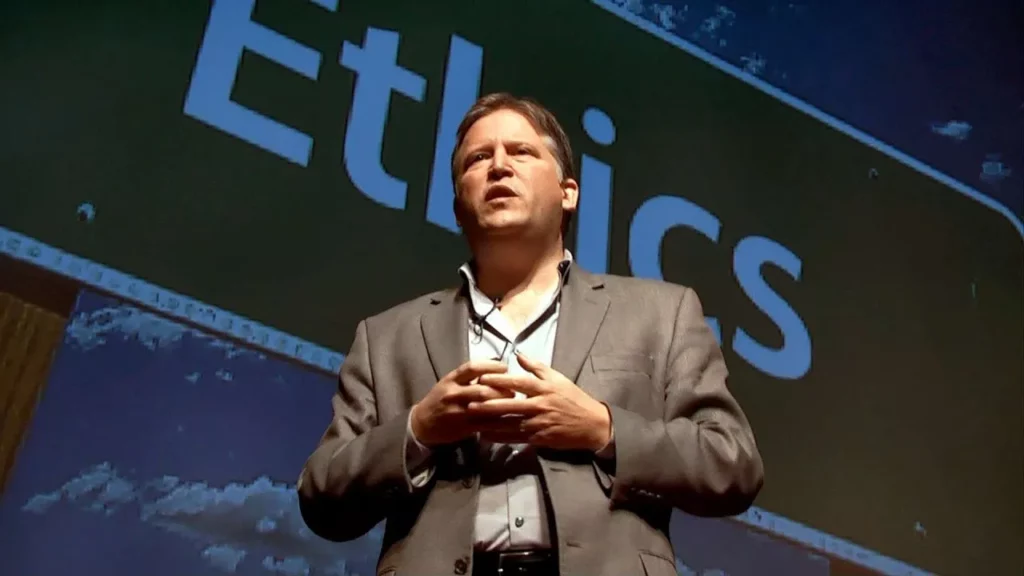
In Paul Root Wolpe’s lesson, he explores the evolution of bio-engineering, highlighting three major waves: Darwinian evolution, human-influenced evolution, and the emerging wave of intentional evolution, where we actively design living beings. He discusses advancements in genetic engineering, cloning, and the ethical implications of manipulating life forms, emphasizing the need for collective responsibility and ethical guidelines as these technologies increasingly apply to both animals and humans. The lesson calls for a critical examination of our role in shaping the future of species on our planet.
Sex needs a new metaphor. Here’s one … – Al Vernacchio

The lesson advocates for a shift in the metaphor used to discuss sexual activity and education, moving from the competitive and goal-oriented baseball metaphor to a more inclusive and satisfying pizza metaphor. The pizza model emphasizes personal choice, open communication, and mutual satisfaction, allowing individuals to explore their desires without the pressure of winning or losing. By embracing this new perspective, sexuality education can foster healthier relationships and a deeper understanding of personal needs.
Michael Green: Why we should build wooden skyscrapers

In his lesson, architect Michael Green advocates for the construction of wooden skyscrapers as a sustainable alternative to traditional steel and concrete buildings. He emphasizes the emotional and tactile connection people have with wood, highlighting its potential to transform urban environments into more inviting and eco-friendly spaces. By utilizing innovations like Mass Timber panels, Green envisions a future where wooden skyscrapers not only reduce carbon emissions but also harmonize architecture with nature, paving the way for a new era in sustainable urban development.
The voice of the natural world – Bernie Krause

In “The Voice of the Natural World,” Bernie Krause emphasizes the significance of soundscapes in understanding ecosystems, highlighting three main components: geophony, biophony, and anthrophony. He illustrates how careful listening can reveal crucial insights into habitat health, as demonstrated through case studies like Lincoln Meadow, where sound analysis exposed the ecological impact of logging. Ultimately, Krause advocates for the importance of preserving natural soundscapes, as they deepen our connection to nature and enhance our understanding of the environment’s complexities.
Cloudy with a chance of joy – Gavin Pretor-Pinney

In “Cloudy with a Chance of Joy,” Gavin Pretor-Pinney challenges the negative perceptions of clouds, advocating for their appreciation as beautiful and diverse aspects of nature. He encourages people to embrace daydreaming and cloud spotting as a way to foster creativity and mindfulness, reminding us that clouds can reflect our emotions and provide moments of calm in our busy lives. Through the formation of the Cloud Appreciation Society, he aims to shift the narrative around clouds from one of complaint to one of wonder and joy.
Teachers need real feedback – Bill Gates
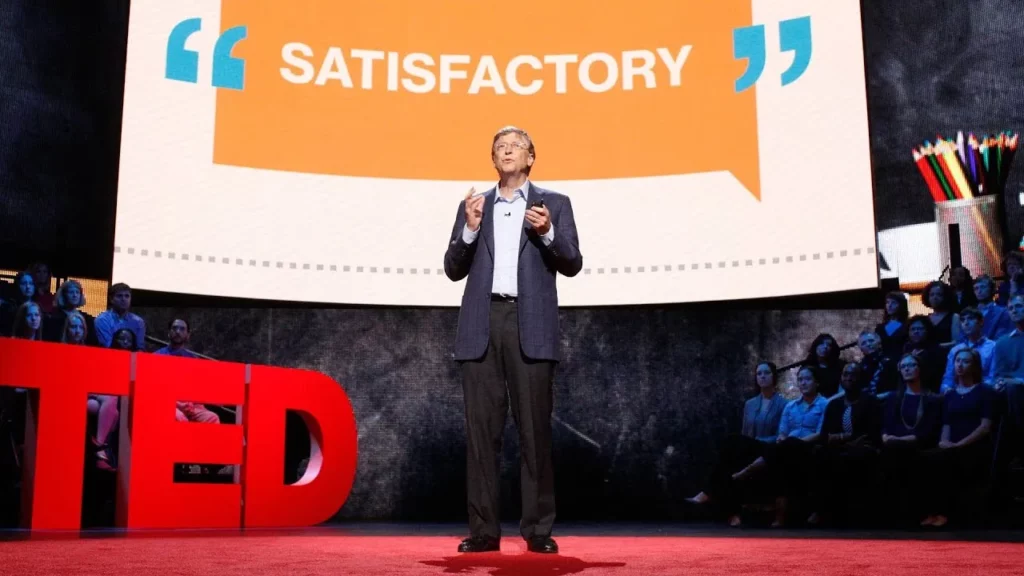
The lesson emphasizes the critical need for effective feedback systems in teaching, highlighting that most teachers receive minimal constructive feedback, which hampers their professional growth and student outcomes. By examining successful educational models from high-performing countries, the lesson advocates for implementing comprehensive feedback mechanisms, including video reviews and peer evaluations, to elevate teaching standards across the U.S. Investing in such systems is seen as essential for improving educational quality and equity, ultimately benefiting both teachers and students.