
Our failing schools. Enough is enough! – Geoffrey Canada
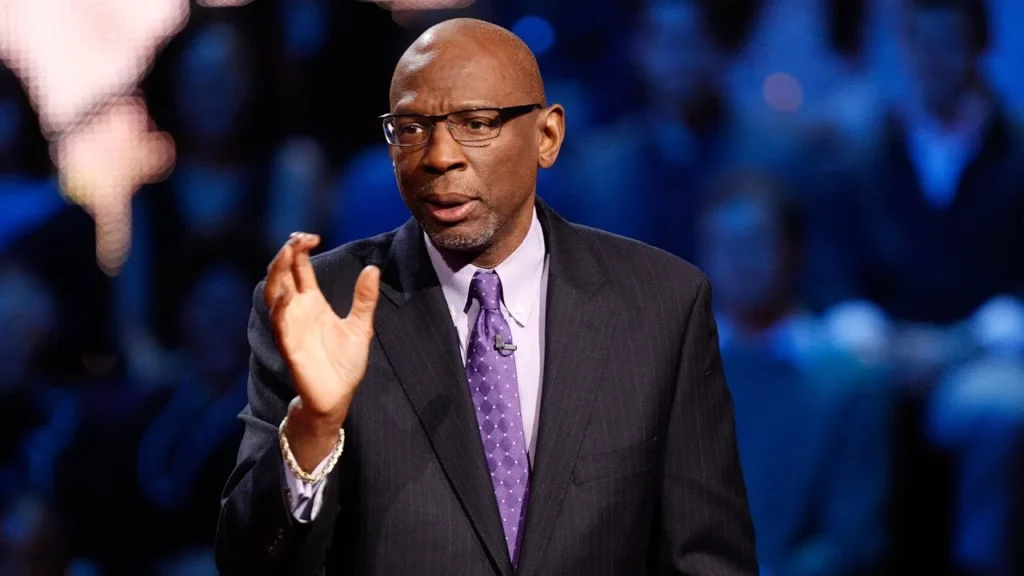
In “Our Failing Schools: Enough is Enough!”, Geoffrey Canada passionately advocates for urgent education reform, criticizing the stagnant and outdated system that continues to fail students, particularly those from low-income backgrounds. He emphasizes the need for innovation, such as year-round schooling and improved early childhood education, while highlighting the success of the Harlem Children’s Zone as a model for effective support and engagement. Canada calls on educators and policymakers to embrace change and utilize data-driven approaches to ensure all children have the opportunity to succeed.
Hire the hackers! – Misha Glenny

In the lesson “Hire the Hackers!” by Misha Glenny, the discussion centers on the complex relationship between hackers, particularly the group Anonymous, and the broader issues of cybersecurity and societal control over the internet. Glenny emphasizes the need to engage with hackers as valuable resources rather than viewing them solely as criminals, advocating for a nuanced understanding that considers their motivations and the human element behind hacking. He suggests that by fostering dialogue and support for individuals with exceptional skills, society can better address cybersecurity challenges while promoting a more empathetic approach to those involved in hacking.
Fighting a contagious cancer – Elizabeth Murchison

The lesson highlights the alarming phenomenon of contagious cancer, exemplified by the Tasmanian devil, whose population is threatened by a transmissible form of cancer that began in 1996. This unique cancer spreads through bites, allowing tumor cells to transfer between individuals, leading to significant mortality rates among the species. Understanding this disease not only sheds light on the complexities of cancer but also emphasizes the importance of conservation efforts to protect the Tasmanian devil from extinction.
The good news on poverty (Yes, there’s good news) – Bono

In his TED talk, Bono highlights the significant progress made in the fight against poverty over the past 25 years, emphasizing that informed advocacy and dedicated efforts have led to a notable decline in extreme poverty and child mortality rates, particularly in Sub-Saharan Africa. He calls for continued action and transparency to combat corruption and ensure that resources benefit the people, urging listeners to join the movement for social justice and equality as we work towards a future where extreme poverty could be eradicated by 2030. Bono’s message is one of hope, emphasizing that collective action and the power of the people can drive meaningful change.
A mini robot — powered by your phone – Keller Rinaudo
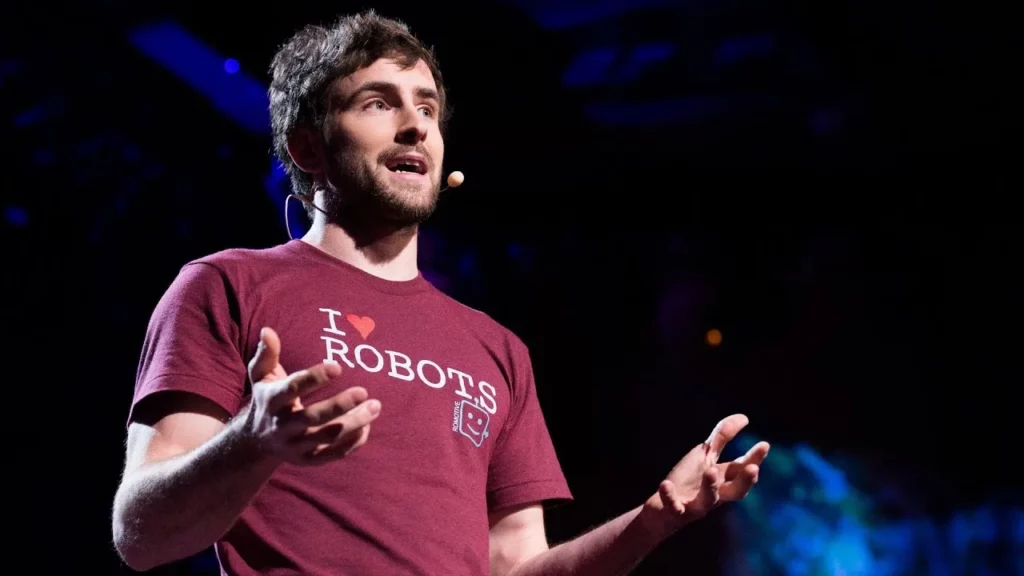
The lesson introduces Romo, a mini robot developed by Remotev that utilizes your iPhone as its brain, allowing it to perform various functions like following faces and streaming video. Romo is designed to be affordable and user-friendly, enabling people of all ages to control it easily and even create custom behaviors through a simple coding tool called Blockly. The lesson emphasizes the potential for personal robotics to foster creativity and connection, making it possible for users to interact with loved ones remotely and personalize their robotic companions.
We the People, and the Republic we must reclaim – Lawrence Lessig

In the lesson “We the People, and the Republic We Must Reclaim” by Lawrence Lessig, the fictional scenario of Lesterland illustrates the disproportionate influence that wealthy individuals, referred to as “Lesters,” have on political decision-making, often at the expense of the broader population. This analogy highlights the real-world issue of money in politics, emphasizing the need for reforms that limit financial influence to ensure that all citizens have an equal voice in their government. Ultimately, the lesson advocates for fairness and equality in political representation, reinforcing the principle of “one person, one vote.”
The emergence of “4D printing” – Skylar Tibbits
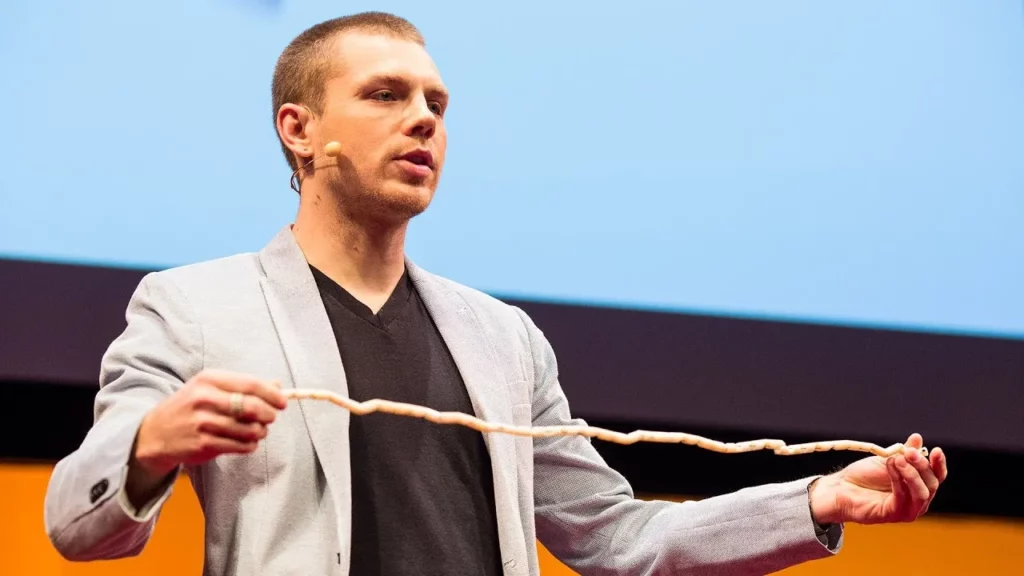
In the lesson on “4D Printing” by Skylar Tibbits, the focus is on the innovative concept of programming materials to self-assemble, bridging advancements in nanoscale technologies with practical applications in construction and manufacturing. By utilizing passive energy sources and smart interactions, the development of self-assembling materials can lead to more efficient and adaptive infrastructures, such as reconfigurable piping systems. The introduction of 4D printing, which allows materials to autonomously transform shapes, represents a significant step towards revolutionizing how we approach construction and design in various environments.
Is the obesity crisis hiding a bigger problem? – Peter Attia
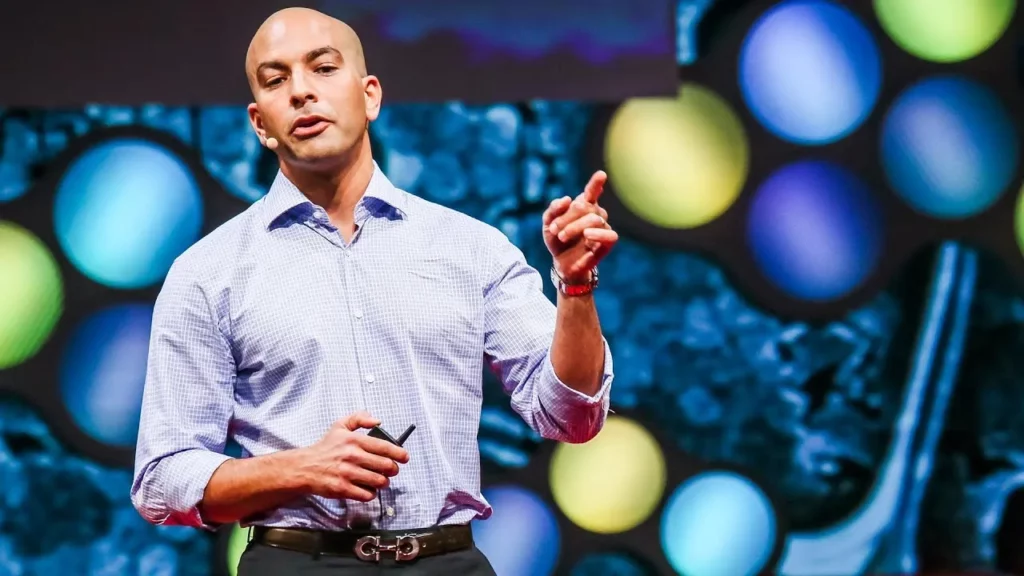
In this lesson, Peter Attia reflects on his journey from a judgmental surgical resident to a patient grappling with insulin resistance, challenging the conventional wisdom that links obesity solely to lifestyle choices. He argues that obesity may be a symptom of deeper metabolic issues, such as insulin resistance, rather than the root cause of health problems. Attia emphasizes the importance of empathy and understanding in addressing obesity and advocates for a reevaluation of dietary guidelines and health assumptions to improve patient outcomes.
A Saudi woman who dared to drive – Manal al-Sharif
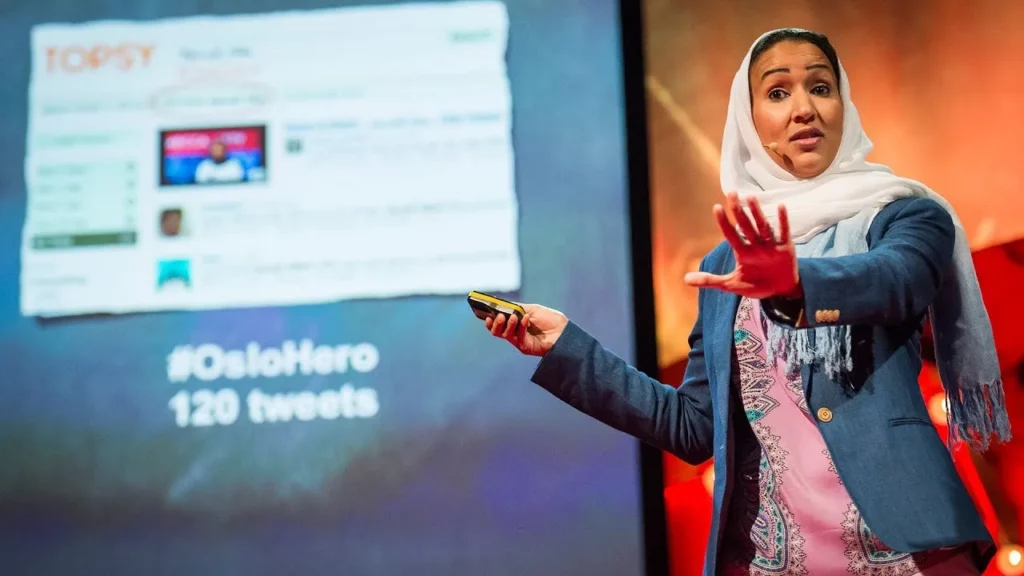
The lesson recounts the inspiring journey of Manal al-Sharif, a Saudi woman who bravely challenged societal norms by advocating for women’s right to drive in Saudi Arabia. After facing personal and societal backlash, including harassment and imprisonment, she sparked a movement that encouraged women to take control of their lives and assert their rights. Through her story, the lesson highlights the complexities of fighting against both oppressive governments and societal traditions, emphasizing the importance of courage and collective action in the pursuit of freedom and equality.
Meet global corruption’s hidden players – Charmian Gooch
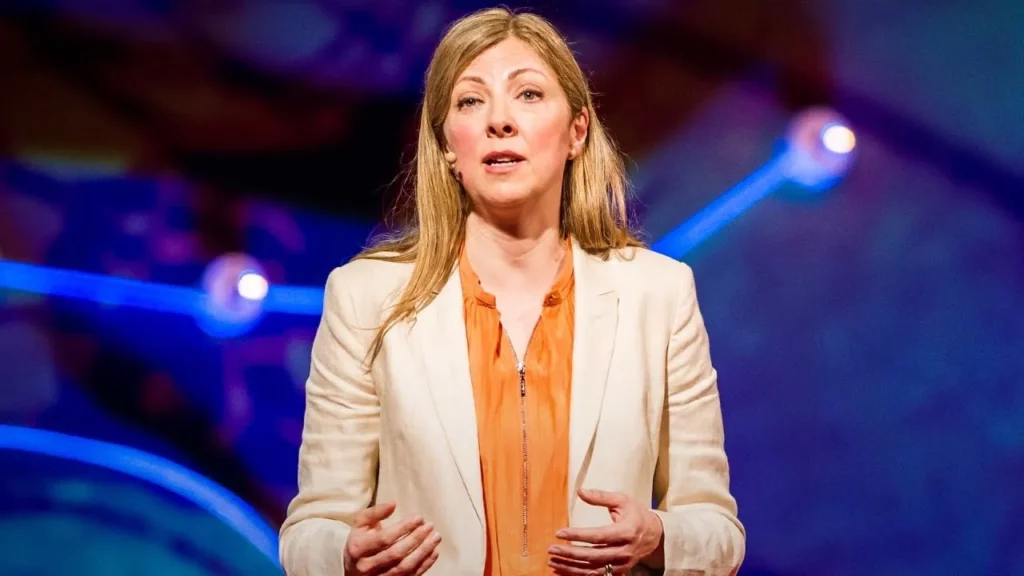
In her lesson, Charmian Gooch highlights the pervasive nature of global corruption, emphasizing that it is not confined to specific regions or individuals but is facilitated by international players, including banks and shell companies. She illustrates this through examples of corrupt leaders and the complicity of financial institutions, arguing that collective action and transparency can drive meaningful change. Gooch calls for global accountability and continued efforts to combat corruption, particularly in the extractive industries.