
Where is home? – Pico Iyer

In Pico Iyer’s lesson “Where is Home?”, he explores the complex and evolving concept of home in a globalized world. He reflects on his own experiences of feeling disconnected from traditional notions of nationality and belonging, emphasizing that home is increasingly defined by relationships, experiences, and personal connections rather than geographical locations. Iyer ultimately suggests that true home is a journey of self-discovery and inner peace, highlighting the importance of finding stillness amidst constant movement.
What is déjà vu? What is déjà vu? – Michael Molina

The lesson on déjà vu explores the intriguing sensation of feeling like you’ve experienced a situation before, despite it being new. It discusses the challenges in studying déjà vu due to its fleeting nature and presents three popular theories—Dual Processing Theory, Hologram Theory, and Divided Attention Theory—that attempt to explain its occurrence. Ultimately, while no single theory fully captures the phenomenon, the lesson encourages personal reflection on individual experiences of déjà vu.
The future race car — 150mph, and no driver – Chris Gerdes
The lesson explores the development of autonomous vehicles, particularly focusing on the innovative work being done at Stanford University to create robotic race cars that can match or exceed human driving performance. By studying the cognitive processes of skilled race car drivers, researchers aim to integrate human intuition and reflexes into autonomous systems, enhancing their safety and effectiveness. This journey not only highlights the technological advancements in self-driving cars but also raises questions about the balance between human capabilities and machine assistance in driving.
A teacher growing green in the South Bronx – Stephen Ritz
In “A Teacher Growing Green in the South Bronx,” Stephen Ritz demonstrates how education, community engagement, and sustainability can transform lives in a challenging environment. By introducing innovative concepts like the “edible wall,” he empowers students to learn through hands-on experiences, fostering skills that lead to job opportunities and community improvement. This initiative not only enhances academic performance but also instills a sense of responsibility and hope, proving that positive change is achievable even in the toughest circumstances.
How to step up in the face of disaster – Caitria + Morgan O’Neill
The lesson outlines the transformative journey of a community in Massachusetts following an EF3 tornado, highlighting the importance of organized disaster response and the effective use of technology. Initially unprepared, the community quickly mobilized resources and established a structured recovery system, which included a donation management platform and volunteer coordination tools. This proactive approach not only facilitated immediate recovery efforts but also laid the groundwork for building resilience and preparedness for future disasters, demonstrating that local empowerment can lead to successful recovery initiatives.
Design for people, not awards – Timothy Prestero
In his lesson “Design for People, Not Awards,” Timothy Prestero emphasizes the importance of creating products that prioritize real-world impact over aesthetic appeal. He illustrates this through the challenges faced in newborn health care, highlighting how beautiful designs, like the Neo Nurture incubator, often fail to be utilized effectively due to a lack of consideration for the broader ecosystem of manufacturing, distribution, and user needs. Prestero advocates for a human-centered design approach that ensures products are not only visually appealing but also practical and effective in addressing critical health issues.
Demand a fair trade cell phone – Bandi Mbubi
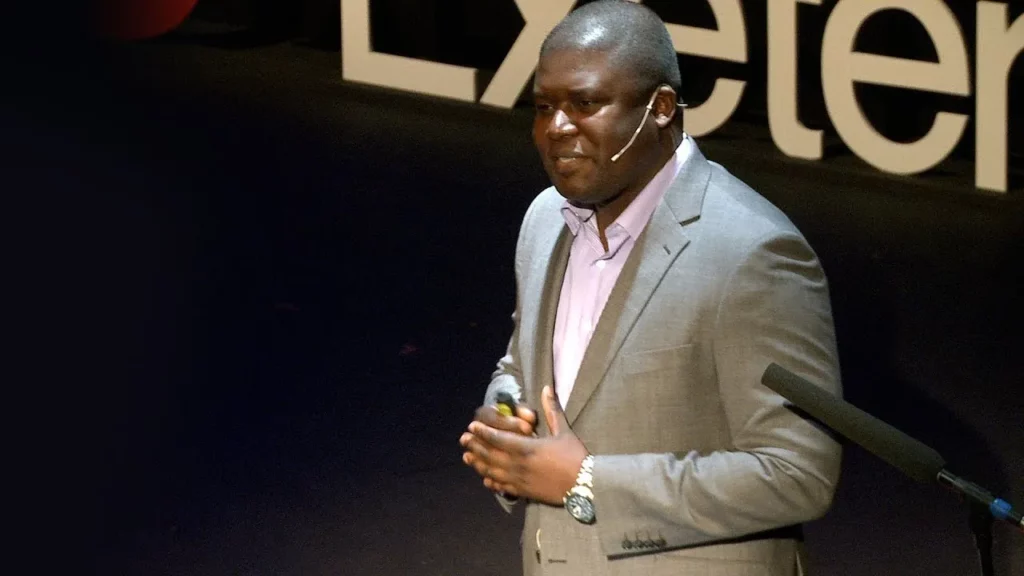
In the lesson “Demand a Fair Trade Cell Phone,” Bandi Mbubi highlights the troubling connection between mobile phones and the exploitation of resources in the Democratic Republic of the Congo, particularly the mineral tantalum, which is essential for technology. He emphasizes the human cost of this demand, including violence and suffering, while also recognizing the potential of mobile phones to foster political awareness and communication. Mbubi calls for a collective demand for fair trade practices in the technology industry, urging individuals to consider the origins of their devices and advocate for ethical sourcing.
Are droids taking our jobs? – Andrew McAfee
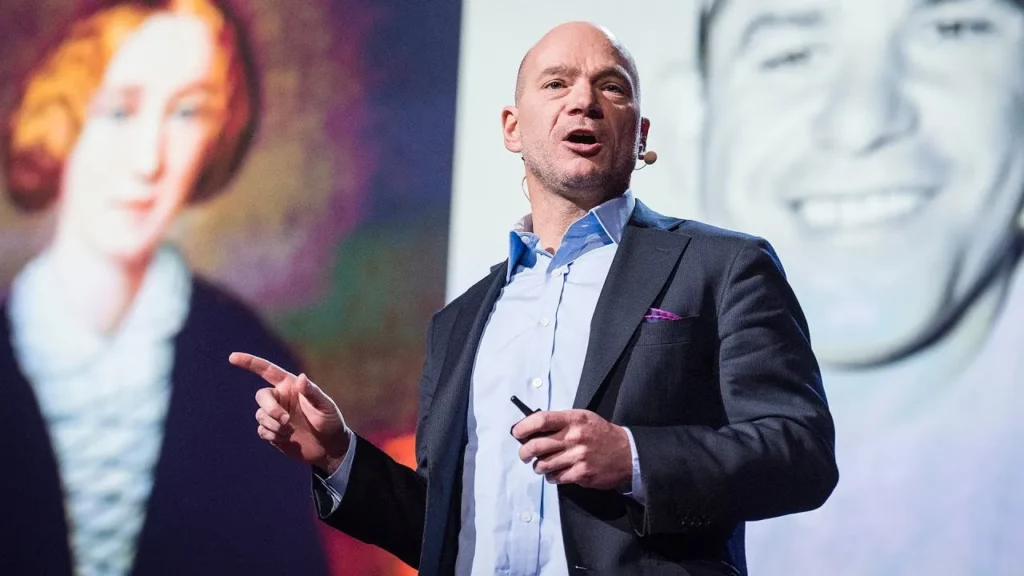
In the lesson “Are Droids Taking Our Jobs?” Andrew McAfee discusses the impact of digital technologies on the job market, highlighting a widening gap between available jobs and potential workers, particularly following the Great Recession. While acknowledging that automation may displace certain jobs, he remains optimistic about the potential of technology to drive innovation, improve lives, and create new opportunities, ultimately believing that society can adapt to these changes and thrive in a more productive economy.
Why do Americans and Canadians celebrate Labor Day? -Kenneth C. Davis
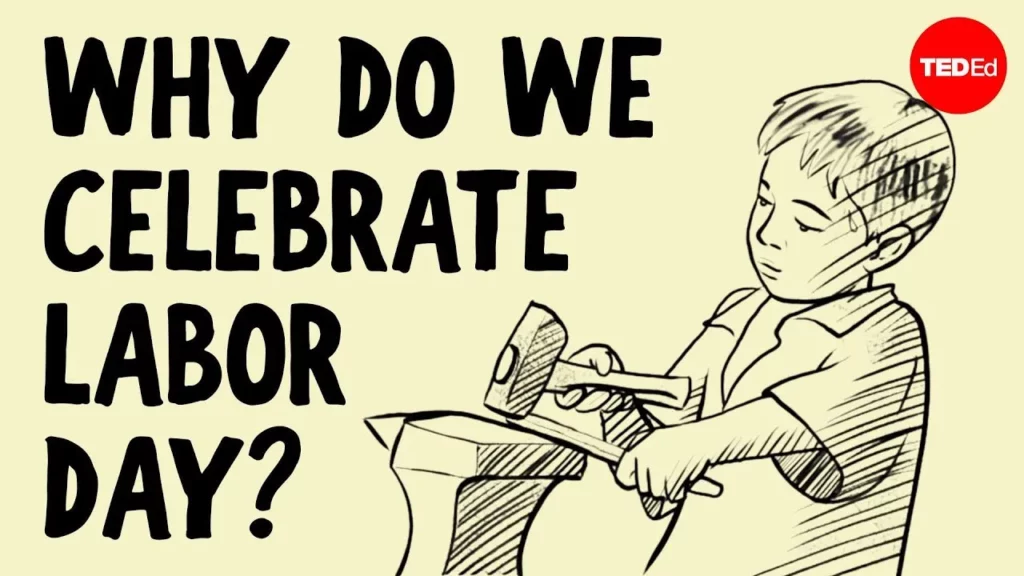
Labor Day, celebrated on the first Monday of September in the United States and Canada, honors the contributions of workers and their struggles for fair treatment, stemming from the first celebration in 1882. The holiday emerged during the Industrial Revolution, when labor unions formed to advocate for better working conditions, leading to significant events like the Haymarket Square Riot and the eventual establishment of Labor Day as a federal holiday in 1894. Today, while Labor Day provides a day off for many, it serves as a reminder of the ongoing fight for workers’ rights and the historical challenges faced by laborers, including child labor.
We need better drugs — now – Francis Collins
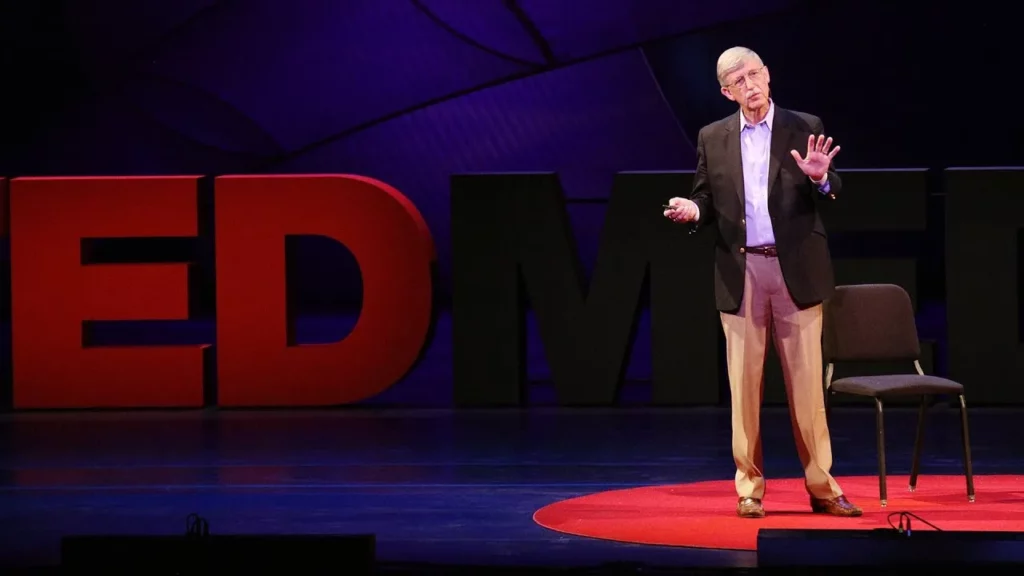
The lesson emphasizes the urgent need for improved drug development in light of significant advancements in medical science, which have not yet translated into effective treatments for many diseases. Despite the challenges and lengthy processes involved in bringing new drugs to market, innovative approaches, such as leveraging technology and fostering collaboration among various sectors, hold promise for accelerating the development of life-saving therapies. By investing in high-risk research and utilizing modern techniques, we can bridge the gap between scientific discovery and practical application, ultimately enhancing human health.