
How we found the giant squid – Edith Widder
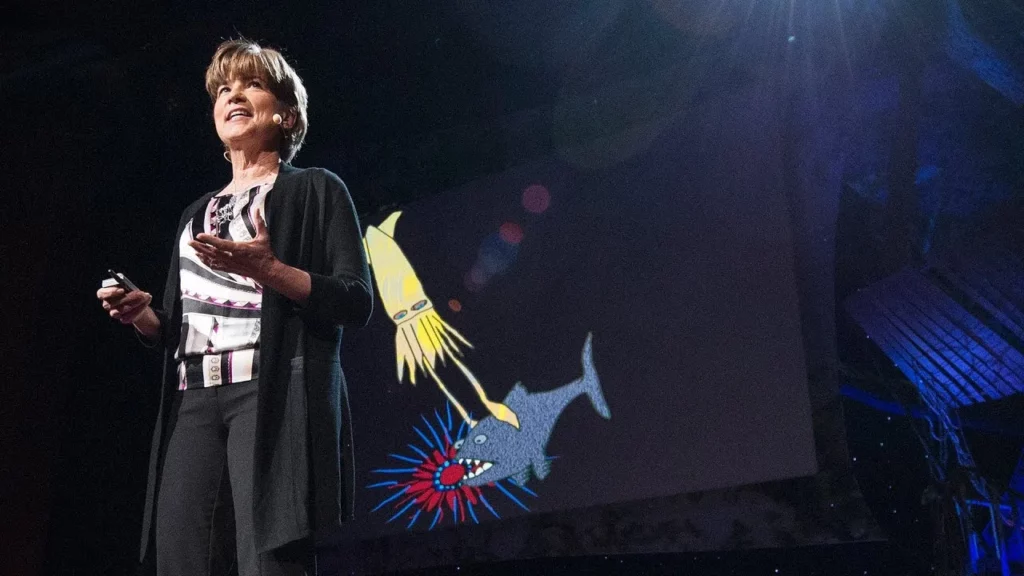
The lesson discusses the successful discovery of the giant squid through innovative exploration techniques that minimize disturbance to marine life. By utilizing a silent camera platform called the Medusa and an optical lure mimicking bioluminescent jellyfish, a team of scientists captured unprecedented video footage of the elusive creature, highlighting the need for further ocean exploration and investment. The lesson emphasizes the importance of respecting marine ecosystems while pursuing scientific discovery, advocating for a dedicated organization for ocean exploration akin to NASA.
A clean energy proposal — race to the top! – Jennifer Granholm

The lesson explores Jennifer Granholm’s clean energy proposal, which addresses the dual challenges of job creation in a global economy and tackling climate change without a cohesive national policy. By drawing inspiration from the “Race to the Top” educational initiative, Granholm advocates for a competitive framework among states to adopt a clean energy standard, fostering innovation and collaboration while potentially bypassing congressional gridlock through private sector involvement. This approach aims to create sustainable jobs and establish a proactive national energy policy, positioning the U.S. as a leader in clean energy development.
The art of asking – Amanda Palmer

In her lesson “The Art of Asking,” Amanda Palmer shares her journey from being a living statue to a successful musician, emphasizing the importance of genuine connections with her audience. Through her experiences in music and crowdfunding, she illustrates how vulnerability and trust can redefine the relationship between artists and fans, encouraging a community-oriented approach to music distribution. Ultimately, Amanda advocates for the power of asking for support, highlighting that fostering meaningful relationships can lead to overwhelming generosity and collaboration.
Txtng is killing language. JK!!! – John McWhorter
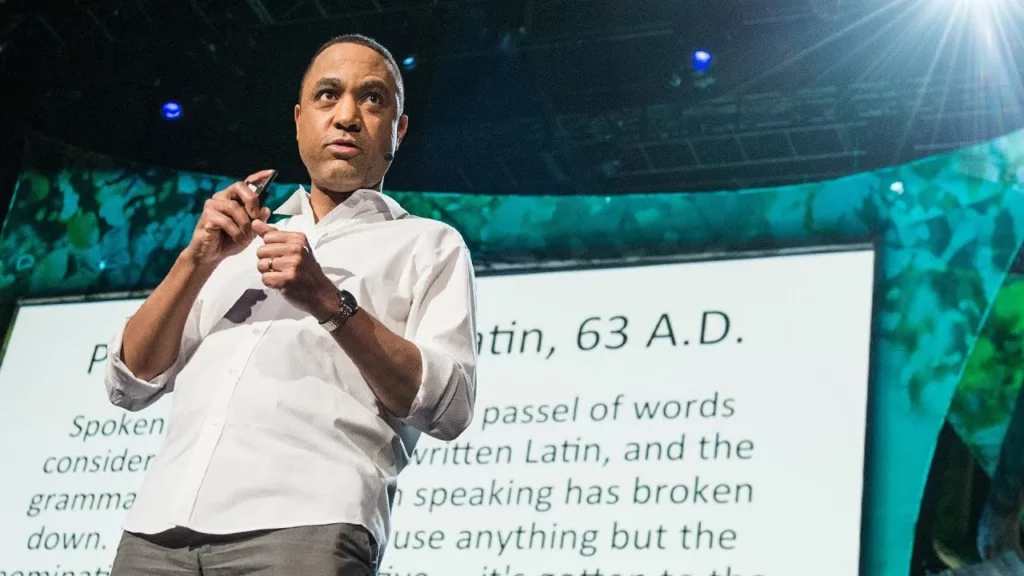
In the lesson “Txtng is Killing Language. JK!!!” by John McWhorter, the author argues that texting is not ruining our language skills but rather represents a new form of communication that blends casual speech with writing. He explains that language has evolved over time, with speaking being the natural mode of communication long before writing emerged, and that texting allows for a more informal and spontaneous way of expressing thoughts, similar to spoken language. Ultimately, McWhorter suggests that this evolution is beneficial, as it enhances our ability to communicate in diverse ways, akin to being bilingual.
The key to growth? Race with the machines – Erik Brynjolfsson

In Erik Brynjolfsson’s lesson, he emphasizes that the key to harnessing the potential of new technologies, like computers, lies not just in their adoption but in rethinking organizational structures and processes to fully leverage their capabilities. He discusses the historical context of technological revolutions, highlighting the “great decoupling” where productivity rises while job creation stagnates, urging that instead of resisting technological advancement, we should learn to collaborate with machines to foster shared prosperity and drive innovation. Ultimately, Brynjolfsson advocates for a proactive approach to shaping our future in the new machine age.
Your online life, permanent as a tattoo – Juan Enriquez
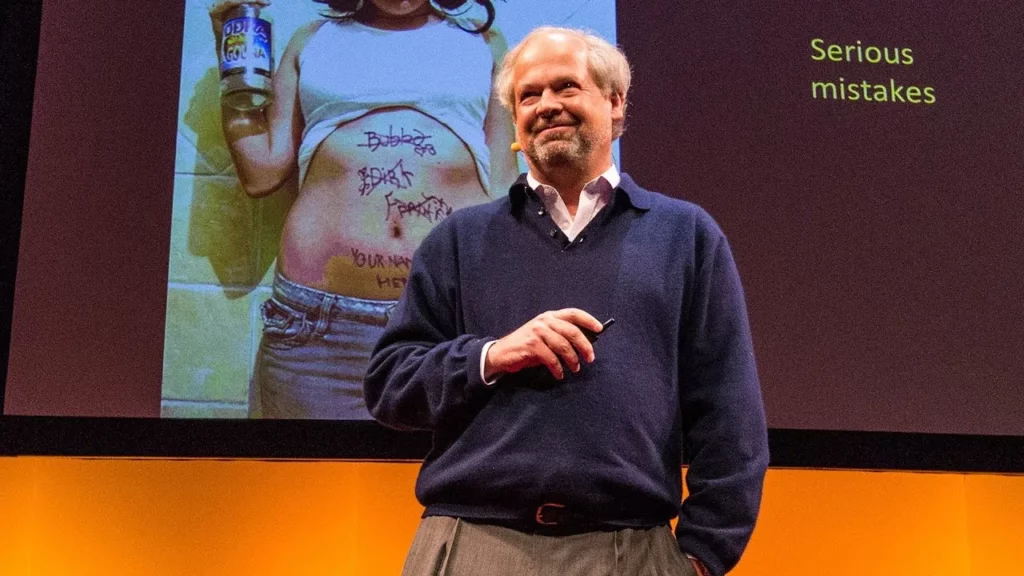
The lesson “Your Online Life, Permanent as a Tattoo” by Juan Enriquez emphasizes the lasting impact of our online activities, likening them to tattoos that permanently mark our identity. It highlights the significance of being mindful about what we share online, as our digital footprint contributes to big data and shapes our reputation, much like the ancient Greeks valued legacy. Ultimately, the lesson encourages individuals to create a positive digital legacy, recognizing that their online presence can endure long after they are gone.
Cicadas: The dormant army beneath your feet – Rose Eveleth
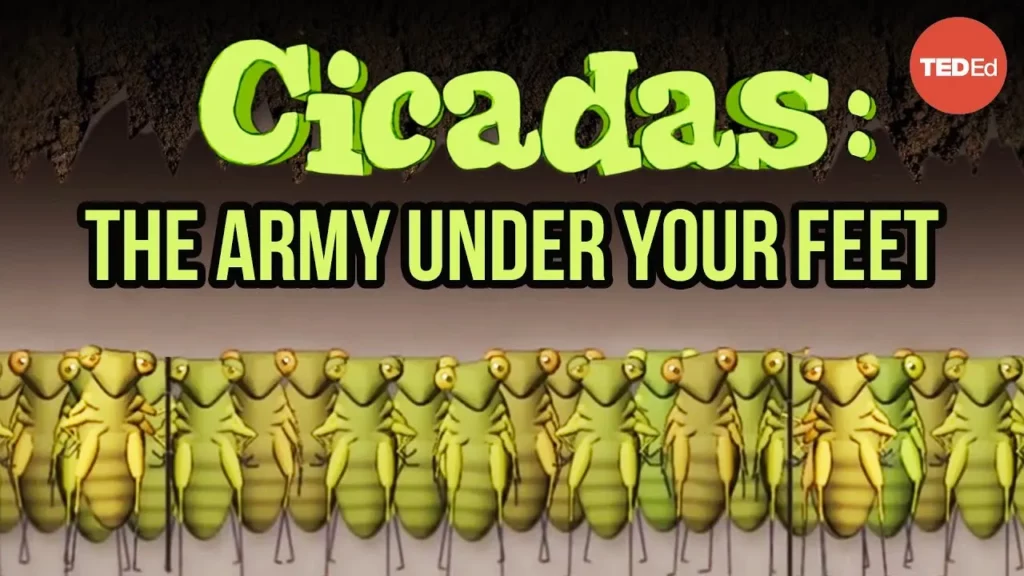
The lesson explores the fascinating life cycle of cicadas, which spend 17 years underground before emerging in massive numbers to mate and die. It highlights their unique emergence patterns, the loud mating calls of males, and the presence of predators and parasites, such as the Massospora fungus. Despite scientists’ ability to predict their cycles, the reasons behind their 13- and 17-year intervals remain a mystery, possibly linked to evolutionary advantages against predation.
How art can help you analyze – Amy E. Herman
The lesson emphasizes the significant role art plays in enhancing analytical skills, particularly in professional fields like medicine and law enforcement. By studying art, individuals can improve their observation and communication abilities, which are crucial for accurately assessing situations and making informed decisions. The lesson illustrates how analyzing artworks, such as René Magritte’s “Time Transfixed,” fosters critical thinking and problem-solving skills that are applicable in real-world scenarios.
The science of stage fright (and how to overcome it) – Mikael Cho
The lesson on “The Science of Stage Fright” by Mikael Cho explains that stage fright is a common physiological response rooted in our brain’s fight or flight mechanism, triggered by the fear of judgment from others. To overcome this anxiety, the lesson emphasizes the importance of preparation and practice, as well as techniques for relaxation before speaking, such as deep breathing and stretching. Ultimately, while stage fright may not be entirely eliminated, understanding and adapting to it can lead to greater confidence and effectiveness in public speaking.
Why don’t oil and water mix? – John Pollard
The lesson explains why oil and water do not mix, focusing on the concepts of energetics and entropy. Water molecules engage in strong attractive forces and a dynamic hydrogen bonding network, allowing substances like salt to dissolve, while oil molecules disrupt these interactions due to their larger size, preventing effective mixing. Ultimately, the balance between molecular interactions and the tendency for randomness determines the behavior of these substances, making them incompatible dance partners in the world of chemistry.