
The loathsome, lethal mosquito – Rose Eveleth
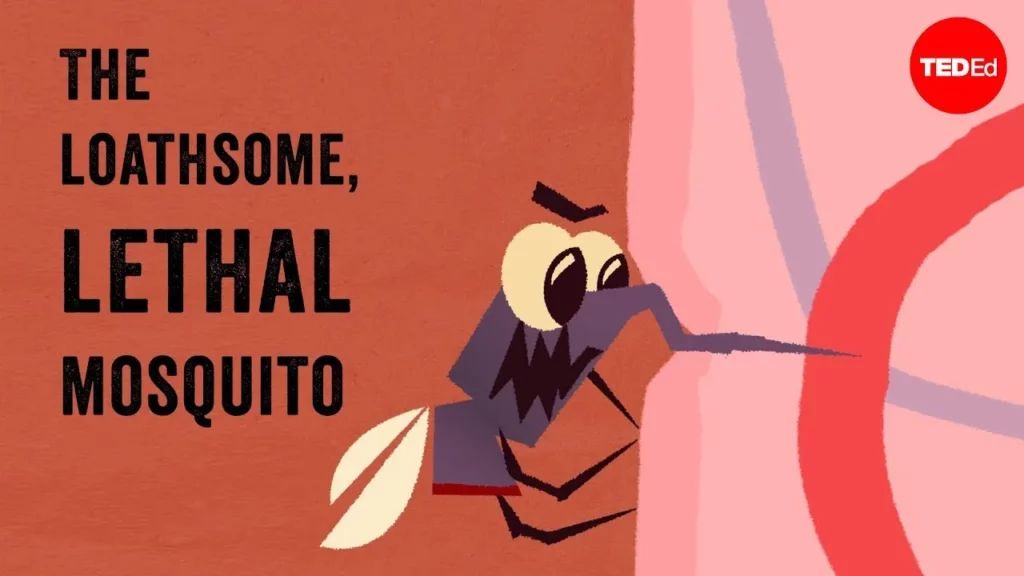
The lesson discusses the pervasive annoyance and danger posed by mosquitoes, which are known for their biting and the itchy bumps they leave behind, as well as their role in spreading deadly diseases like malaria and dengue. Despite their negative impact on humans and animals, mosquitoes have existed for over a hundred million years and serve as a food source for various species and contribute to pollination. The lesson raises the complex question of whether it would be beneficial or detrimental to eliminate mosquitoes entirely, highlighting the uncertainty of ecological consequences that such an action might entail.
Learn to read Chinese … with ease! – ShaoLan

In this lesson, the author shares their personal journey of learning Chinese, emphasizing that with the right approach, anyone can master the language. By introducing eight basic radicals as foundational building blocks, the lesson demonstrates how these simple characters can be combined to create a variety of more complex characters and phrases, making the learning process more accessible and enjoyable. Ultimately, the lesson encourages learners to embrace the beauty of Chinese characters and highlights the potential for understanding a significant portion of the language with just a few key elements.
Could your language affect your ability to save money? – Keith Chen

The lesson explores the intriguing hypothesis that the language one speaks may influence their savings behavior, particularly in the context of the OECD countries, which exhibit varying savings rates despite similar economic conditions. Research indicates that speakers of “futureless” languages tend to save more, as their perception of time may encourage a stronger connection between present and future, leading to better financial habits. By examining linguistic structures and their impact on decision-making, the study aims to uncover ways to enhance individuals’ saving and investment practices.
Agile programming — for your family – Bruce Feiler

The lesson “Agile Programming for Families: A New Approach to Family Life” explores how families can adapt agile principles, originally developed for software development, to enhance communication and reduce stress in modern family dynamics. By implementing strategies such as regular family meetings, checklists, and involving children in decision-making, families can foster a more harmonious environment while maintaining core values. Ultimately, the lesson emphasizes that small, consistent efforts in adaptability, empowerment, and storytelling can lead to a happier family life.
Mysteries of vernacular: Odd – Jessica Oreck and Rachael Teel
The lesson explores the origins and evolution of the word “odd,” tracing its roots back to the ancient Indo-European language and its development through Old Norse, where it originally described triangles and later came to signify numbers that cannot be evenly divided. The term’s journey into modern English reflects a broader meaning of peculiarity or uniqueness, illustrating how language evolves over time. Ultimately, “odd” has come to describe anything that stands out or does not conform to expectations, from numbers to everyday objects and behaviors.
What makes us feel good about our work? – Dan Ariely
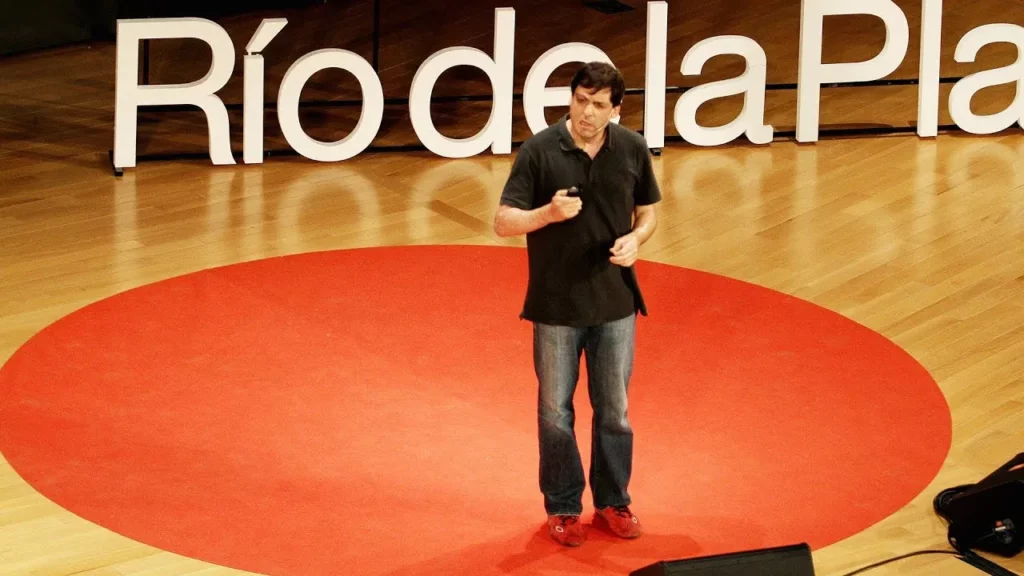
In today’s lesson, we explored the reasons why certain activities make us feel good about our work. We learned that doing things we love, learning new skills, helping others, completing tasks, and collaborating with friends all contribute to our happiness and sense of accomplishment. By embracing these experiences, we can continue to feel proud and joyful in our daily activities.
My glacier cave discoveries – Eddy Cartaya

In “My Glacier Cave Discoveries,” Eddy Cartaya shares his thrilling experience of exploring newly discovered ice caves in the Sandy Glacier on Mount Hood, Oregon. He explains how these caves form from melting snow and the unique mapping techniques used to document them, highlighting the fascinating life forms found within and the excitement of uncovering hidden wonders in familiar places. Cartaya encourages curiosity and exploration, reminding us that there are still discoveries to be made right in our own backyards.
How do we smell? – Rose Eveleth
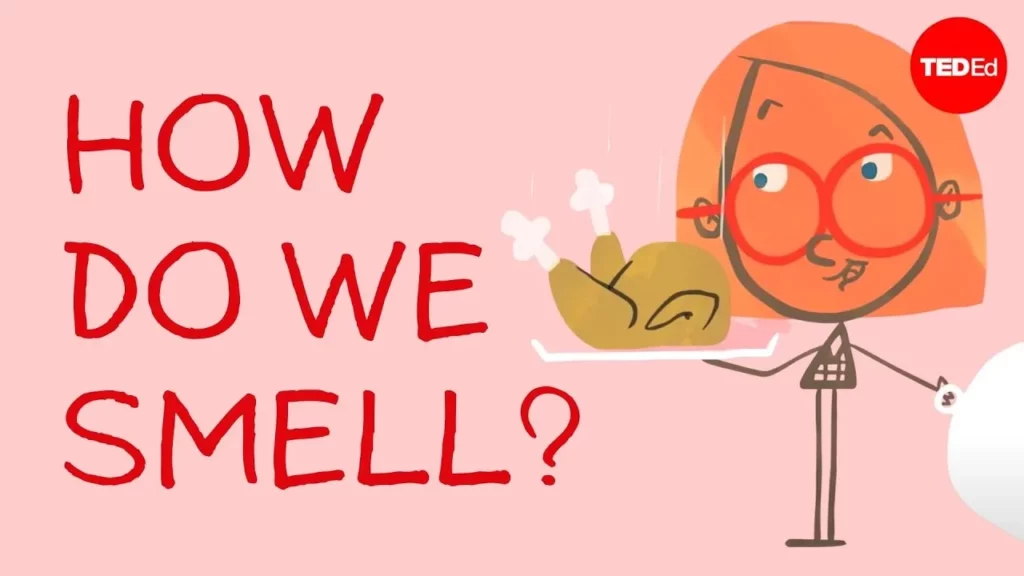
The lesson “How Do We Smell?” by Rose Eveleth explores the intricate process of the human sense of smell, highlighting its significance from birth and the genetic dedication to olfactory functions. It explains how odor molecules are detected by olfactory receptor cells in the nasal cavity, how signals are transmitted to the brain, and the unique features of olfactory neurons that differentiate individual smells. Additionally, the lesson addresses the phenomenon of anosmia, the impact of smell on taste, and encourages appreciation for this vital sense.
How sugar affects the brain – Nicole Avena
The lesson explains how sugar, a common carbohydrate found in various foods and drinks, activates the brain’s reward system, leading to feelings of pleasure and cravings. When sugar is consumed, it stimulates dopamine release, which reinforces the desire to eat more sugary foods, potentially resulting in overconsumption and addictive behaviors. While enjoying sugary treats occasionally is acceptable, it’s important to maintain a balanced diet to avoid negative effects on brain health.
How to build a fictional world – Kate Messner
In the lesson “How to Build a Fictional World” by Kate Messner, the author emphasizes the importance of creating a consistent and immersive setting for stories in the science fiction and fantasy genres. She outlines key steps for world-building, including establishing a basic setting, creating a timeline, detailing societal rules, and exploring daily life and technology. By thoroughly understanding the intricacies of their fictional worlds, writers can craft narratives that resonate deeply with readers and allow characters to navigate their environments convincingly.