
How whales breathe, communicate … and fart with their faces – Joy Reidenberg
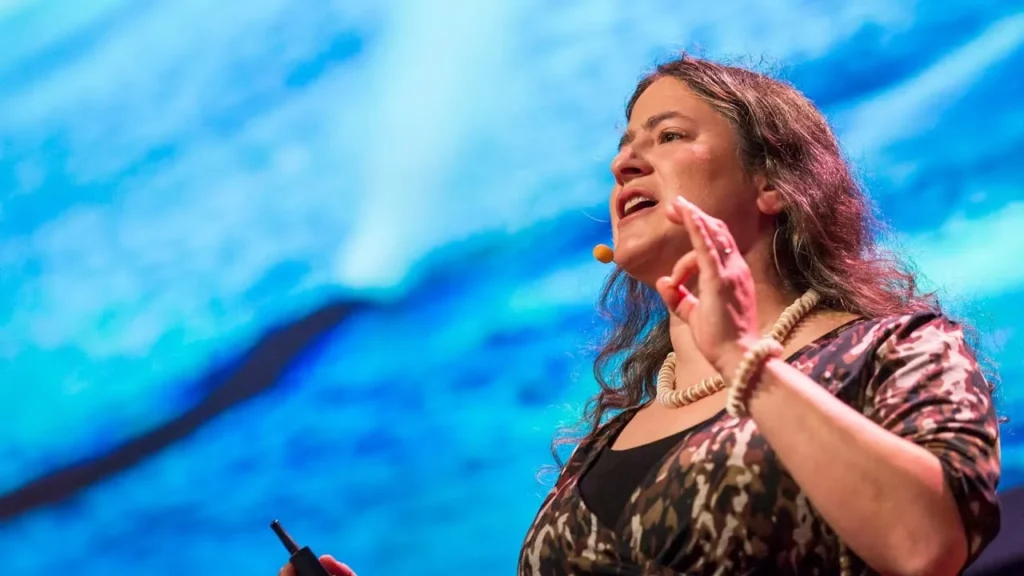
In today’s lesson, we explored the fascinating world of whales, focusing on their unique breathing and communication methods. Whales breathe through a blowhole on top of their heads and produce sounds by pushing air through it, which helps them communicate and navigate in the ocean. Additionally, we learned about the role of scientists in studying whales to gain insights that can benefit both our understanding of these creatures and advancements in technology and health.
The networked beauty of forests – Suzanne Simard
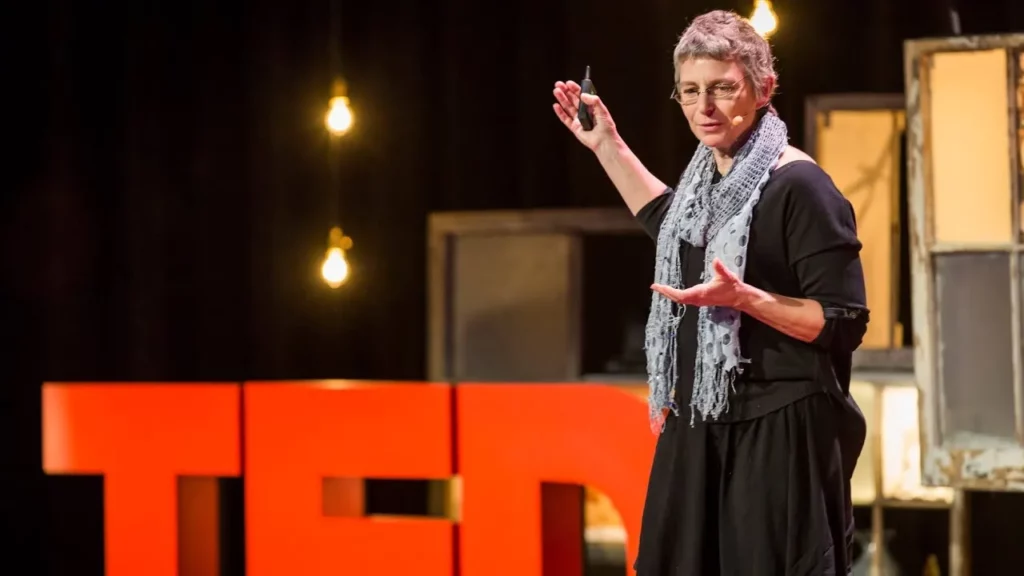
In “The Networked Beauty of Forests,” Suzanne Simard emphasizes the intricate relationships within forest ecosystems, comparing them to human families and social networks. She highlights the crucial role of mycorrhizal networks and mother trees in maintaining forest health and resilience, while also addressing the devastating impact of deforestation on global warming. Simard encourages individuals to connect with nature, understand forest dynamics, protect these vital ecosystems, and advocate for conservation to foster healing and positive change.
The family structure of elephants – Caitlin O’Connell-Rodwell
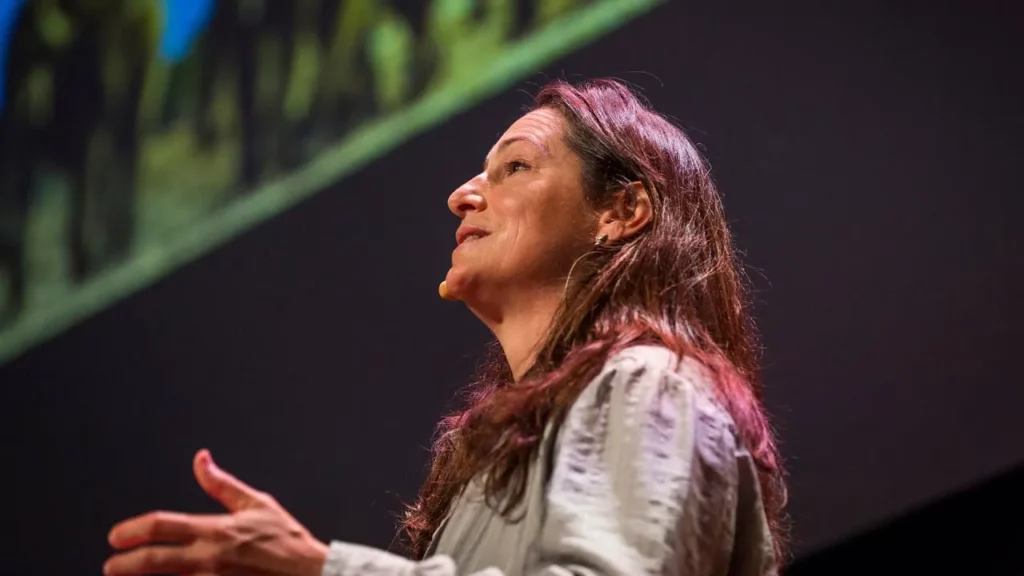
The lesson highlights the intricate family structure of elephants, emphasizing their close-knit social groups and the importance of family dynamics, much like human families. It discusses the roles of respected elders, particularly the matriarch, and the socialization processes that strengthen bonds among family members. Additionally, the lesson touches on the personalities within elephant families and the challenges faced by those in lower-ranking groups, ultimately showcasing the remarkable similarities between elephant and human social structures.
Cell vs. virus: A battle for health – Shannon Stiles
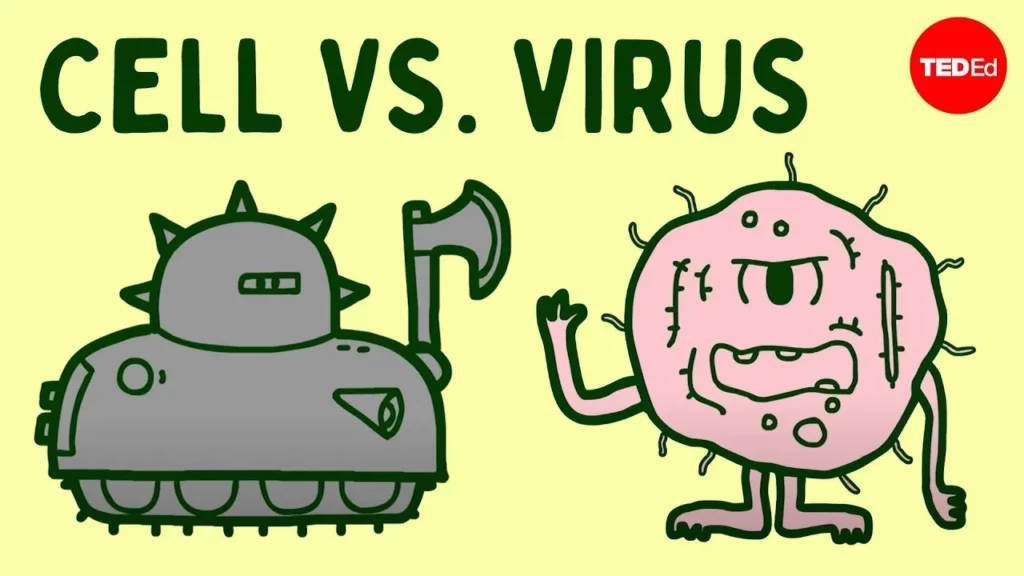
In the lesson “Cell vs. Virus: A Battle for Health,” we explore how cells in the human body respond to viral infections, specifically when a cold virus invades the lungs. The lesson details the structure and function of cells, including their protective membranes and the role of organelles like the nucleus and mitochondria, while illustrating how cells work together to produce antibodies that combat the virus, highlighting the intricate teamwork necessary for maintaining health.
How to track a tornado – Karen Kosiba
In this lesson, Karen Kosiba shares her journey into tornado research, highlighting her involvement in the VORTEX2 project aimed at understanding tornado formation and surface wind patterns. She discusses the complexities of forecasting tornadoes, the significance of the rear-flank downdraft in tornado-producing storms, and the challenges of collecting data during tornado events. Through observational research and advanced modeling techniques, Kosiba emphasizes the importance of combining field data with simulations to enhance our understanding of tornadoes and their life cycles.
The fundamentals of space-time: Part 2 – Andrew Pontzen and Tom Whyntie
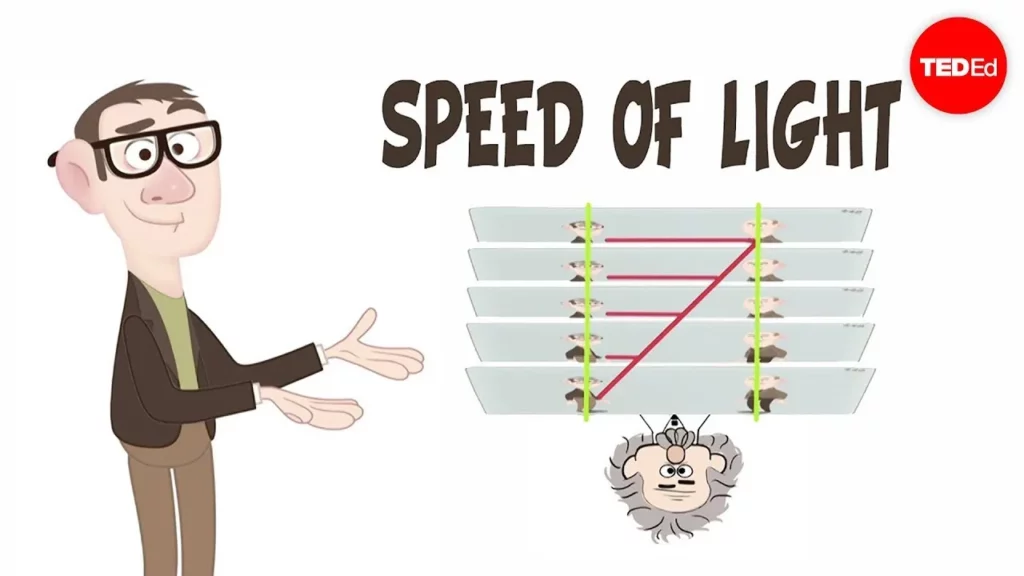
In this lesson, Andrew Pontzen and Tom Whyntie explain the fundamental concepts of space-time, focusing on the constant speed of light and how different observers perceive it through the lens of space-time diagrams. They introduce Einstein’s Lorentz transformation, which reconciles varying perspectives while maintaining the constancy of light’s speed, leading to phenomena such as Lorentz contraction and time dilation, particularly noticeable at high speeds. The lesson sets the stage for further exploration of space-time manipulation and its implications for future discoveries.
Population pyramids: Powerful predictors of the future – Kim Preshoff
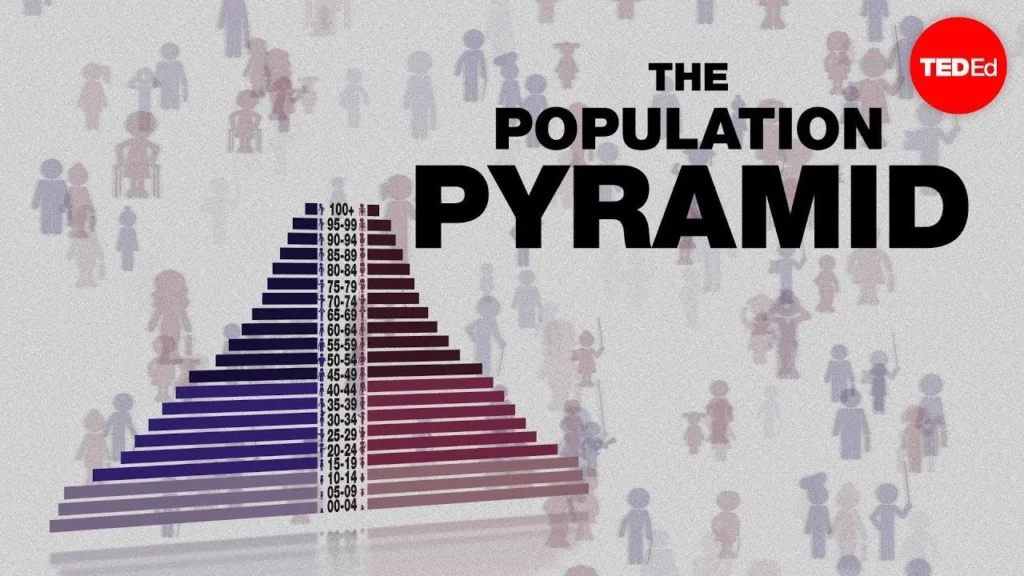
The lesson on population pyramids emphasizes their importance as tools for visualizing and predicting demographic trends within countries. By analyzing the age and gender distribution represented in these pyramids, one can gain insights into a nation’s future population growth or decline, as well as historical influences on its demographic structure. Understanding these patterns is crucial for addressing global challenges and informing policy decisions.
From Aaliyah to Jay-Z: Captured moments in hip-hop history – Jonathan Mannion
In the lesson “From Aaliyah to Jay-Z: Captured Moments in Hip-Hop History,” photographer Jonathan Mannion shares his journey of capturing iconic moments in hip-hop, emphasizing the importance of meaningful connections with artists like Aaliyah, Drake, DMX, and Lil Wayne. He highlights how photography transcends mere documentation, serving as a powerful medium to convey the essence of artists and their stories, ultimately creating lasting memories that resonate with future generations. Through his experiences, Mannion illustrates the profound impact of capturing fleeting moments in the vibrant world of hip-hop.
A digital reimagining of Gettysburg – Anne Knowles
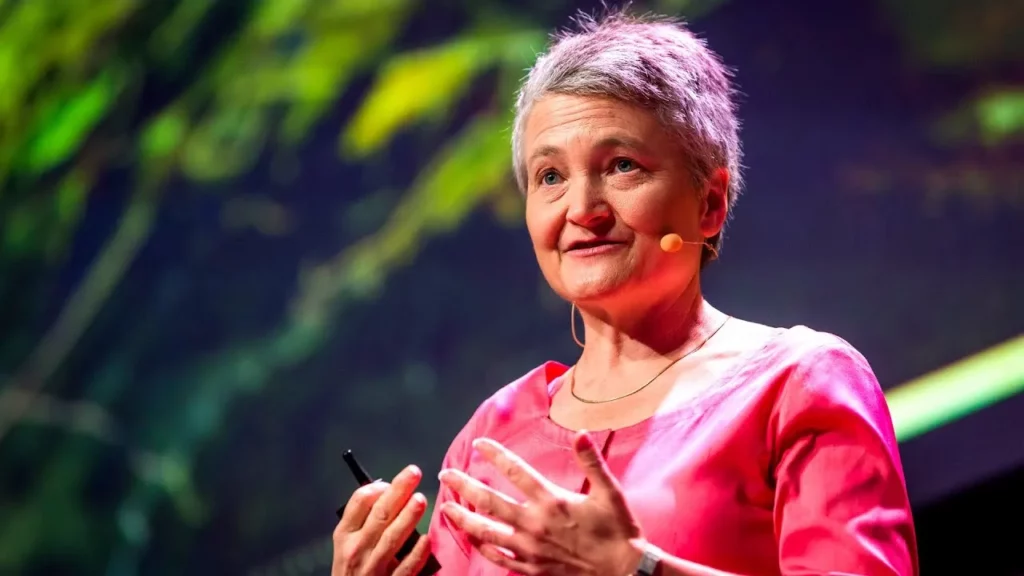
In her lesson, Anne Knowles, a geographer at Middlebury College, explores the pivotal Battle of Gettysburg through the lens of digital technologies and Geographic Information Systems (GIS). By analyzing historical maps and employing viewshed analysis, she examines Robert E. Lee’s decision-making process during Pickett’s Charge, revealing how limited visibility and incomplete information contributed to the Confederate defeat. Knowles emphasizes the transformative potential of digital tools in historical research, encouraging others to leverage these technologies for deeper insights into past events.
How languages evolve – Alex Gendler
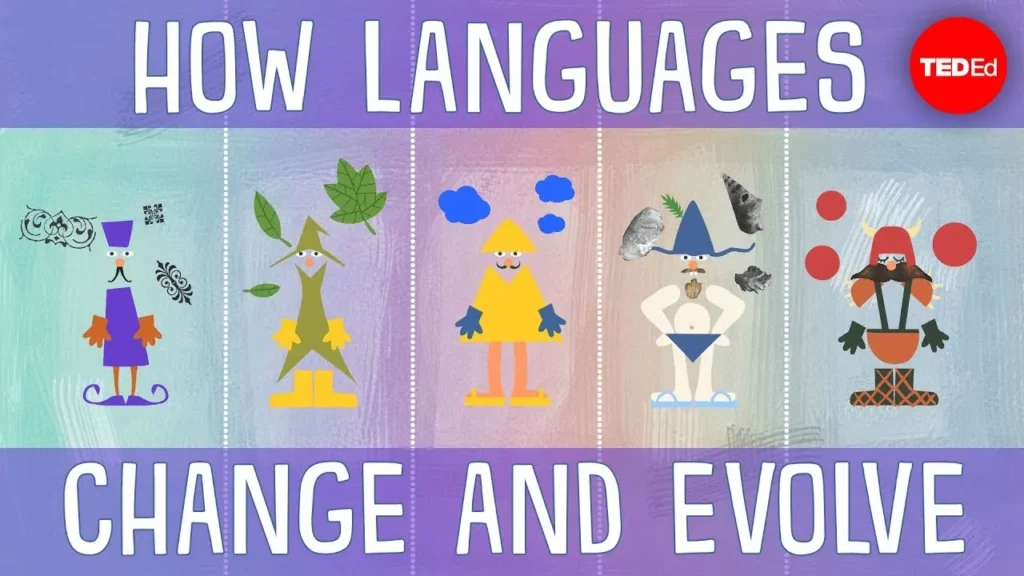
The lesson explores the evolution of languages, tracing their origins from a smaller number of ancient languages and highlighting the impact of early human migration on language diversification. It discusses the role of linguists in identifying language families and relationships through grammar and vocabulary, while also addressing challenges in distinguishing between languages and dialects. Ultimately, the lesson emphasizes the interconnectedness of languages and the intriguing stories behind their development.