
How does your brain respond to pain? – Karen D. Davis
The lesson explores how the brain processes pain and its varying impact on task performance, highlighting that while some individuals find pain distracting, others may use tasks as a coping mechanism. It explains the biological mechanisms behind pain perception, including the roles of nociceptors, brain pathways, and the salience network, which prioritizes pain signals. Additionally, the lesson emphasizes the importance of understanding individual variability in pain experiences for developing personalized treatment strategies, paving the way for advancements in pain management tailored to specific needs.
The Silk Road: Connecting the ancient world through trade – Shannon Harris Castelo
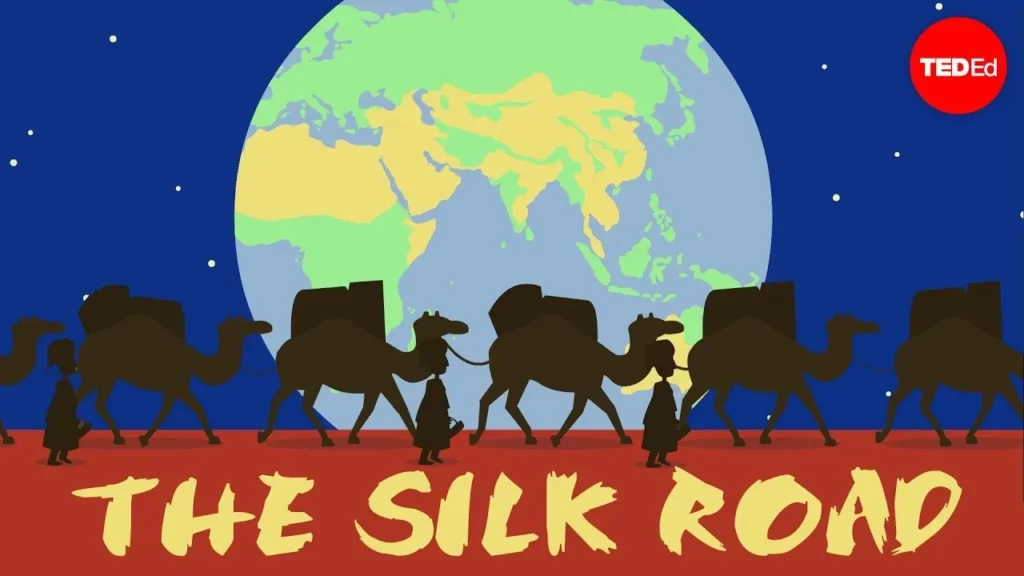
The lesson explores the historical significance of the Silk Road, a vast network of trade routes that connected various civilizations over 2,000 years ago, facilitating the exchange of goods, ideas, and cultures. It highlights key developments, such as the Persian Royal Road and the contributions of figures like Zhang Qian, which expanded trade between East and West, and discusses the lasting impact of the Silk Road on global interconnectedness, paving the way for modern globalization. Ultimately, the lesson emphasizes that the foundations of today’s rapid global trade were established by ancient interactions along these routes.
How to choose your news – Damon Brown

In the lesson “How to Choose Your News” by Damon Brown, the importance of critically evaluating news sources in today’s information-saturated environment is emphasized. With the rise of the Internet and citizen journalism, individuals are encouraged to seek original sources, compare multiple perspectives, and verify information before sharing it, all while being mindful of potential biases and misinformation. Ultimately, the lesson highlights the responsibility that comes with the freedom to access diverse news outlets, urging consumers to curate their news experience thoughtfully to remain well-informed.
The colossal consequences of supervolcanoes – Alex Gendler
The lesson explores the profound impact of supervolcanoes, particularly focusing on the 1815 eruption of Mount Tambora, which led to the catastrophic “Year Without a Summer” in 1816, causing widespread famine and disease across Europe and North America. It explains how volcanic eruptions can create a volcanic winter by releasing ash and toxic gases that block sunlight, resulting in drastic climate changes. The lesson also highlights the dangers of explosive calderas, such as the one beneath Yellowstone, and emphasizes the importance of monitoring these geological threats, while reassuring that no significant eruptions are expected in the near future.
Why do honeybees love hexagons? – Zack Patterson and Andy Peterson
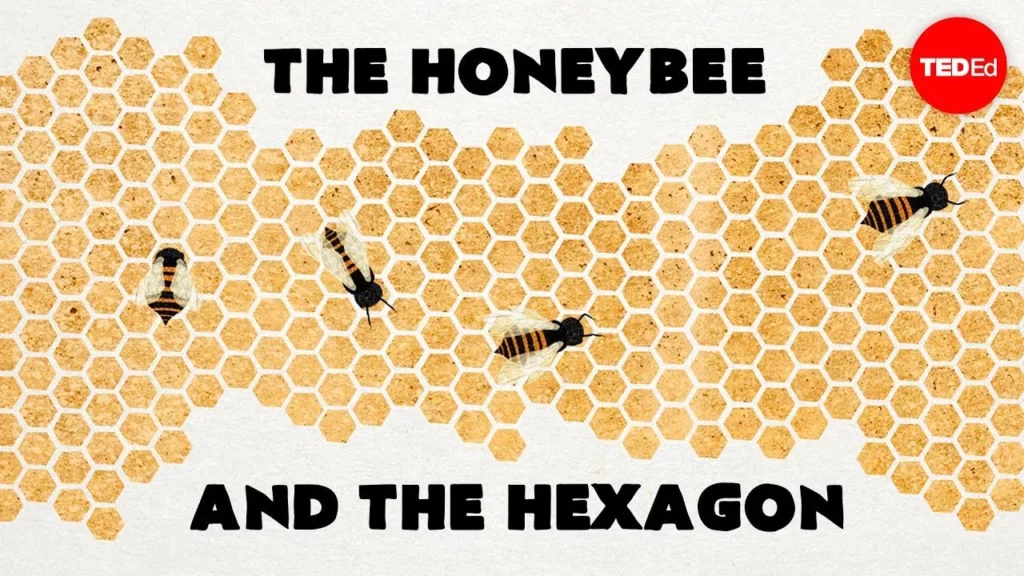
In this lesson, we explore the fascinating reasons why honeybees construct their hives using hexagonal shapes. By maximizing storage space while minimizing the amount of wax needed, bees demonstrate impressive mathematical skills in their design process. Ultimately, their choice of hexagons allows for efficient honey storage and a well-organized hive structure.
Tycho Brahe, the scandalous astronomer – Dan Wenkel
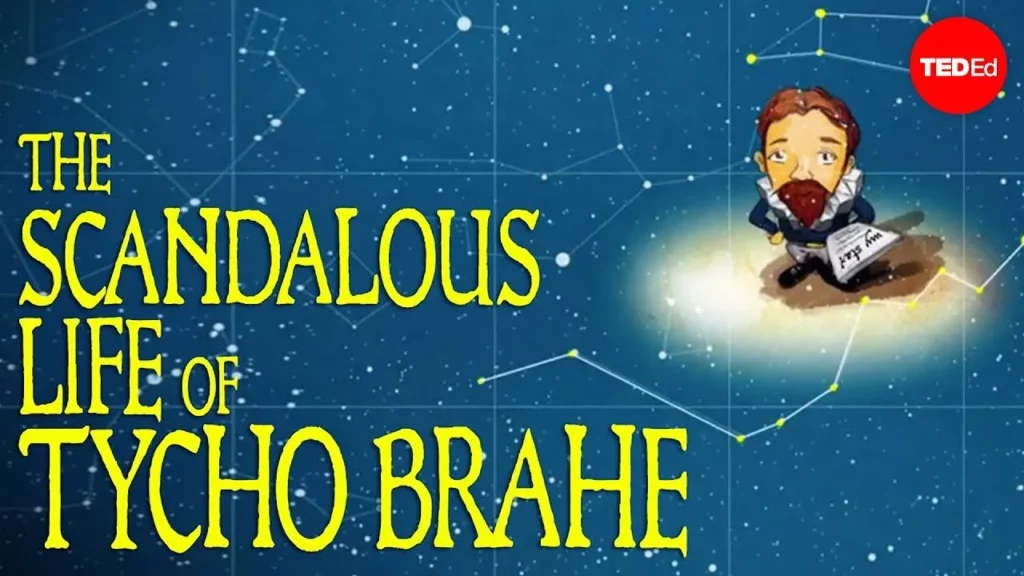
Tycho Brahe was a remarkable 16th-century astronomer whose vibrant life and groundbreaking discoveries predated the invention of telescopes. Born into nobility, his passion for astronomy ignited after witnessing a solar eclipse, leading him to create precise instruments and make significant observations, including the discovery of a new star. His colorful life included a duel that resulted in a prosthetic nose, a royal observatory on an island, and a complex relationship with fellow astronomer Johannes Kepler, culminating in a mysterious death that continues to intrigue historians.
A brief history of religion in art
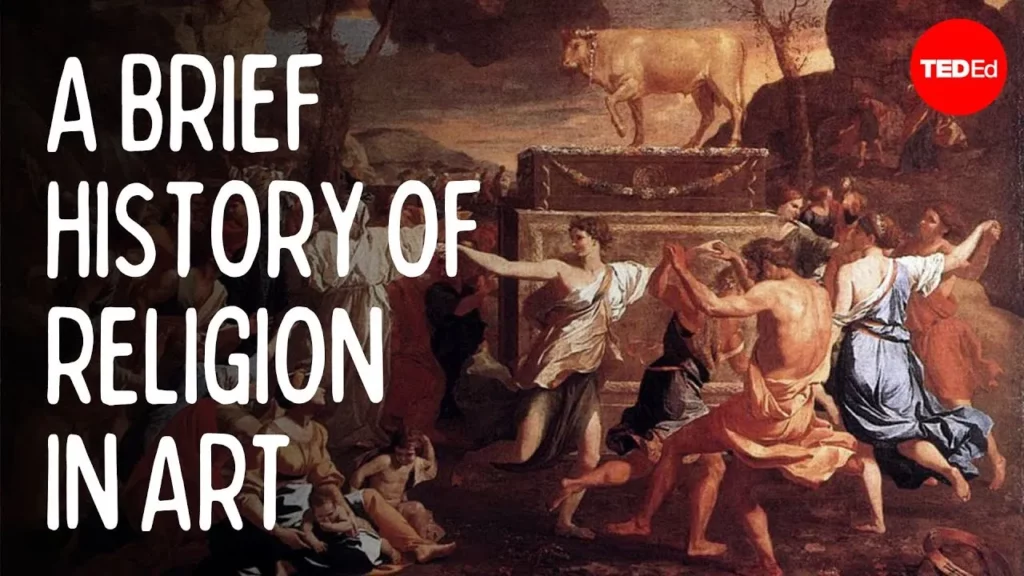
The lesson explores the historical relationship between religion and art, highlighting how art originally served religious purposes and communicated deeper meanings through visual representation. It discusses the challenges of aniconism in various religions, which restricts the depiction of the divine, and how this has influenced artistic expression over time. Additionally, it emphasizes the evolution of art appreciation, noting that contemporary viewers often engage with art in a museum context that differs from its original intent, yet this juxtaposition can foster new interpretations and insights into the human experience.
Why aren’t we only using solar power? – Alexandros George Charalambides

The lesson discusses the challenges and complexities of relying solely on solar power, highlighting its unpredictability due to cloud cover. While solar energy is more sustainable and often cheaper than traditional power sources, its efficiency varies with weather conditions, necessitating backup systems like coal or nuclear plants. Ongoing research aims to improve solar energy capture by predicting cloud movements, which could enhance solar power reliability and reduce reliance on traditional energy sources.
What gives a dollar bill its value? – Doug Levinson
The lesson explains the value of a dollar bill, emphasizing that its worth is not inherent but derives from government backing and the principles of supply and demand. It outlines the transition from commodity-backed currency to fiat money, managed by the Federal Reserve, which carefully regulates the money supply to prevent inflation and deflation. The Fed’s role is crucial in maintaining economic stability, influencing both the value of currency and broader economic conditions.
How to speak monkey: The language of cotton-top tamarins – Anne Savage
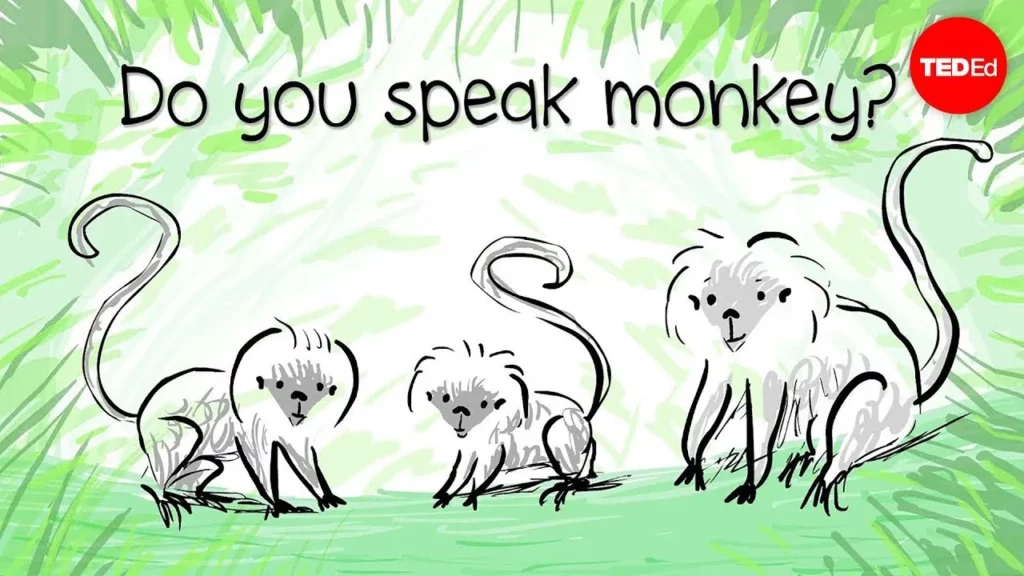
In this lesson, we learn about cotton-top tamarins, specifically focusing on their unique communication skills. These small monkeys use a complex language consisting of 38 different calls, each with its own meaning, allowing them to convey important information about danger and food. Understanding their communication not only enhances our knowledge of animal behavior but also emphasizes the need to protect these fascinating creatures and their habitats.