
A guide to the energy of the Earth – Joshua M. Sneideman
The lesson “A Guide to the Energy of the Earth” by Joshua M. Sneideman explores the fundamental principles of energy, its various forms, and its critical role in Earth’s systems and living organisms. It highlights the importance of both internal and external energy sources, particularly the Sun, and discusses the human reliance on fossil fuels alongside the potential of renewable energy alternatives. The lesson emphasizes the significance of making informed energy decisions to ensure sustainable resource use and improve overall quality of life.
What you might not know about the Declaration of Independence – Kenneth C. Davis

The lesson explores the origins and complexities of the Declaration of Independence, highlighting its adoption on July 4, 1776, amidst the American struggle for independence from British rule. It emphasizes the collaborative effort behind the document, primarily led by Thomas Jefferson, and discusses the significant edits made by Congress, including the removal of references to slavery. Ultimately, the lesson reflects on the contradictions between the ideals of freedom and equality expressed in the Declaration and the reality of slavery, a tension that continues to resonate in American history.
The time value of money – German Nande

The lesson on the Time Value of Money illustrates how delaying purchases and investing money can lead to greater financial outcomes. Through the examples of Sheila and Timmy, we learn that the present value of money can grow over time due to interest, ultimately resulting in a future value that can help achieve financial goals. The key takeaway is that patience and understanding of this concept can lead to smarter financial decisions and better outcomes.
How heavy is air? – Dan Quinn

In the lesson “How Heavy is Air?”, students learn that air, though often perceived as empty space, is a dense fluid filled with countless molecules that create air pressure. This pressure is balanced by the pressure inside our bodies, allowing us to live comfortably despite the weight of the air around us. Additionally, the lesson explains how air pressure influences weather patterns and is essential for breathing, highlighting the vastness and significance of air in our daily lives.
Inside the ant colony – Deborah M. Gordon
In “Inside the Ant Colony,” Deborah M. Gordon explores the intricate social systems of ants, highlighting how they efficiently organize their colonies without centralized planning or communication. Ants rely on chemical signals and interactions to coordinate tasks such as foraging and defending their nests, demonstrating remarkable adaptability in their exploration and resource management. The lessons learned from ant behavior have even inspired scientific advancements in fields like computing and robotics, showcasing the power of decentralized organization.
What makes tattoos permanent? – Claudia Aguirre
The lesson explores the enduring nature of tattoos, tracing their history back to ancient cultures and explaining the science behind their permanence. Tattoos remain visible because the ink is deposited in the dermis, where it is protected from the body’s natural shedding of skin cells. While tattoos can fade over time due to factors like sun exposure, they are a lasting form of personal expression that has evolved through various techniques and cultural significance.
It’s a church. It’s a mosque. It’s Hagia Sophia. – Kelly Wall

The lesson on Hagia Sophia explores its rich and complex history as a landmark that has served multiple religious purposes, transitioning from a Christian cathedral to an Islamic mosque, and eventually becoming a museum. It highlights the architectural marvel of the structure, its significant transformations over the centuries, and the ongoing tensions surrounding its identity and restoration efforts. The narrative emphasizes the importance of preserving the diverse stories embedded within Hagia Sophia, reflecting the intersection of cultures and faiths throughout its existence.
The many meanings of Michelangelo’s Statue of David – James Earle
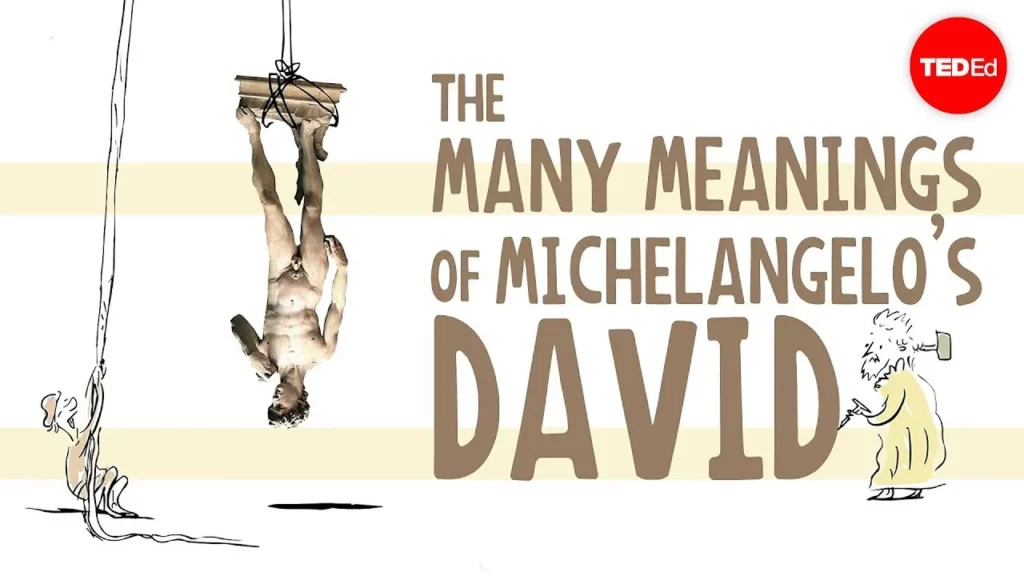
The lesson explores the evolution of meaning behind Michelangelo’s Statue of David, originally intended for the top of Florence’s cathedral but ultimately placed in front of the Palazzo della Signoria. This shift transformed David from a religious symbol into a representation of political courage and resistance during a time of change in Florence. The lesson highlights how the context and location of an artwork can significantly alter its interpretation and significance over time.
What happens when you get heat stroke? – Douglas J. Casa
The lesson on exertional heat stroke, highlighted by Douglas J. Casa’s near-fatal experience in 1985, emphasizes the critical importance of recognizing and treating this serious condition that can arise during intense physical activity in hot environments. Exertional heat stroke can lead to severe organ damage and is a leading cause of death among athletes, but it is entirely preventable and treatable with immediate cooling measures and proper medical intervention. Understanding the signs, symptoms, and effective treatment strategies is vital for ensuring the safety of individuals engaged in strenuous activities.
How playing an instrument benefits your brain – Anita Collins
The lesson explores how playing an instrument significantly benefits brain function, revealing that musicians experience heightened brain activity akin to a full-body workout. Engaging in music activates multiple brain regions, enhancing cognitive abilities such as problem-solving, memory, and emotional understanding, while also fostering improved communication between the brain’s hemispheres. This research underscores the unique mental advantages of music, distinguishing it from other activities and highlighting its profound impact on cognitive development.