
Under the hood: The chemistry of cars – Cynthia Chubbuck
The lesson “Under the Hood: The Chemistry of Cars” explores the intricate chemical processes involved in a car’s engine, particularly focusing on the combustion process and the cooling system. It explains how gasoline and air ignite to produce energy while highlighting the importance of using a specially formulated coolant solution, such as a mixture of ethylene glycol and water, to manage engine heat effectively. By understanding these chemical principles, we gain insight into the science that ensures our vehicles operate efficiently.
The history of the barometer (and how it works) – Asaf Bar-Yosef
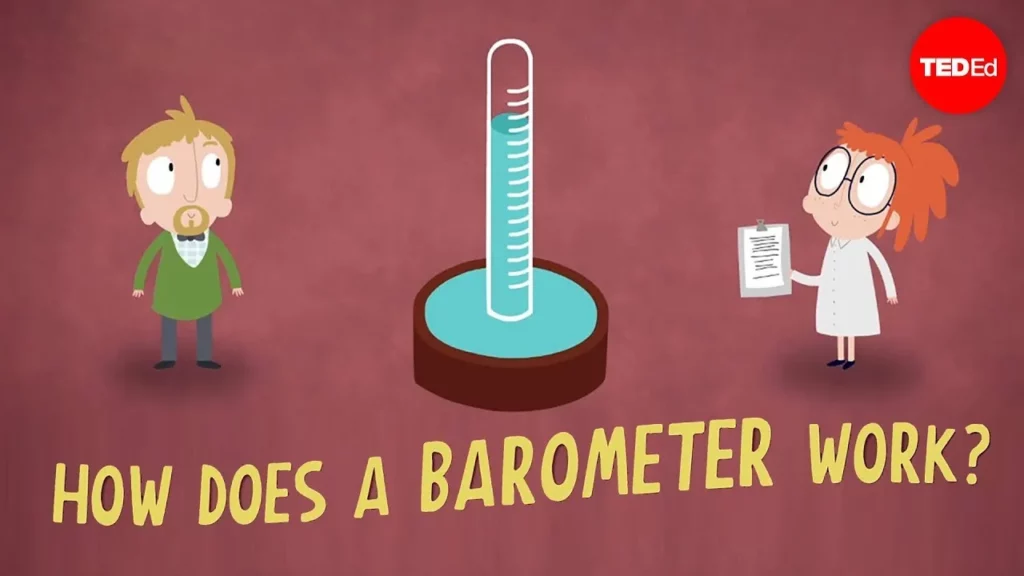
The lesson explores the historical development of the barometer, highlighting the evolution of understanding regarding vacuums and air pressure. It begins with Aristotle’s erroneous belief that vacuums cannot exist, leading to significant experiments by scientists like Gasparo Berti and Evangelista Torricelli, who demonstrated the principles of air pressure using mercury. Ultimately, Torricelli’s work laid the foundation for the mercury barometer, which was essential for weather forecasting until its discontinuation due to safety concerns.
The coelacanth: A living fossil of a fish – Erin Eastwood
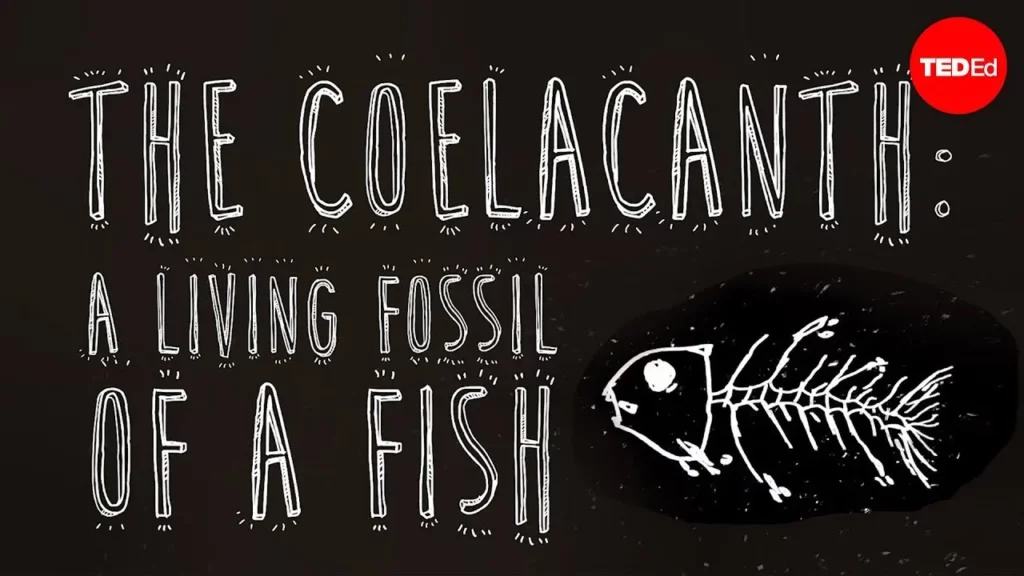
The lesson explores the coelacanth, a remarkable fish that was believed to be extinct for 65 million years until its rediscovery in 1938, highlighting its significance as a “living fossil.” With unique lobe-finned structures resembling the limbs of four-limbed animals, the coelacanth provides crucial insights into the evolutionary transition from water to land, helping scientists understand the origins of tetrapods, including mammals. This ancient fish continues to intrigue researchers, symbolizing the ongoing mysteries of evolution and the potential for future discoveries.
What light can teach us about the universe – Pete Edwards
The lesson explores how light serves as a vital tool for cosmologists in understanding the universe’s origins, structure, and expansion. By analyzing the light from distant galaxies, astronomers can gather information about their composition and movement, leading to significant discoveries such as the universe’s expansion, as evidenced by Edwin Hubble’s findings. Despite these advancements, the lesson highlights ongoing mysteries, particularly the nature of dark energy, which continues to challenge our understanding of the cosmos.
The nurdles’ quest for ocean domination – Kim Preshoff
The lesson “The Nurdles’ Quest for Ocean Domination” highlights the environmental threat posed by nurdles, tiny plastic pellets that are the precursors to various plastic products. These pellets often escape into the environment during production and transportation, accumulating in ocean gyres like the Great Pacific Garbage Patch, where they harm marine life by being mistaken for food and introducing toxins into the food chain. To combat this issue, the lesson emphasizes the importance of reducing plastic use through recycling and opting for alternative materials.
What’s hidden among the tallest trees on Earth? – Wendell Oshiro
The lesson explores the groundbreaking discoveries made by Stephen Sillett, who revealed the hidden ecosystems within the canopies of the tallest trees on Earth, specifically the coast redwoods. His explorations uncovered a diverse array of life, including unique plants and animals, emphasizing the importance of these trees as vital habitats. This highlights the need for conservation efforts to protect these magnificent trees and the ecosystems they support.
What causes antibiotic resistance? – Kevin Wu
The lesson explains the phenomenon of antibiotic resistance, highlighting how bacteria can evolve and share resistance genes through mutations and gene exchange. While antibiotics have historically been effective in treating bacterial infections, the misuse and overuse of these medications have led to the emergence of resistant strains, posing significant health threats. To combat this issue, it is essential to use antibiotics judiciously and explore alternative treatments, while also improving infection prevention practices.
The secret lives of baby fish – Amy McDermott
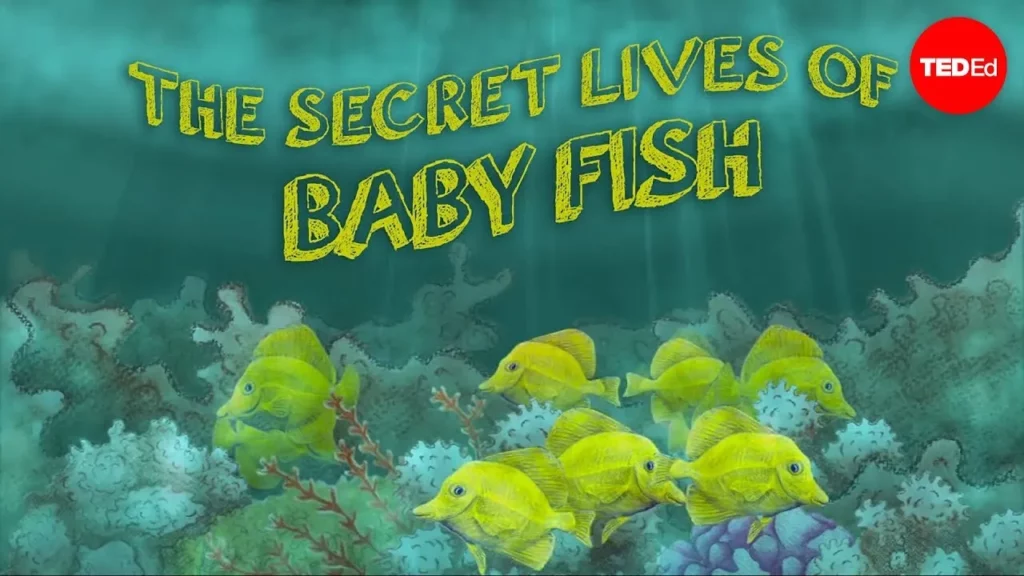
The lesson explores the fascinating life cycle of baby fish, particularly the yellow tang surgeonfish, highlighting their journey from fertilized eggs to finding a suitable home in coral reefs. Contrary to previous beliefs that they are mere drifters, research reveals that these larvae are active swimmers that use their senses to navigate and select the best environments for growth. While much has been learned about their behaviors and challenges, many mysteries remain about their navigation and environmental cues.
How optical illusions trick your brain – Nathan S. Jacobs
This lesson explores how optical illusions manipulate our perception, revealing the intricate processes of the brain in interpreting visual information. Through examples like the mysterious grid, muffin pan, and upside-down Lincoln, it illustrates how our brains use assumptions and shortcuts to create a coherent understanding of the world, often leading to surprising illusions. Ultimately, these phenomena highlight the brain’s role in enhancing contrast, interpreting light, and recognizing patterns, showcasing the fascinating interplay between perception and reality.
How do you know you exist? – James Zucker
The lesson explores the philosophical question of existence, primarily through the lens of René Descartes’ famous assertion, “I think, therefore I am.” It examines how our senses can mislead us, the indistinguishability of dreams from reality, and the possibility of a deceptive force creating false perceptions. Ultimately, the lesson concludes that the act of thinking itself serves as undeniable proof of one’s existence.