
The past, present and future of the bubonic plague – Sharon N. DeWitte
The lesson explores the historical impact of the Bubonic Plague, particularly the Black Death of the 14th century, which decimated populations across Europe and beyond. It examines the reasons for the epidemic’s severity, including societal conditions and the bacterium *Yersinia pestis*, while also highlighting the long-term effects on society and genetics. Additionally, it addresses the current state of the plague, noting the emergence of drug-resistant strains and the importance of understanding past outbreaks to prevent future pandemics.
How do tornadoes form? – James Spann
This lesson explains the formation of tornadoes, which are rapidly spinning columns of air that extend from storm clouds to the ground. Tornadoes typically originate from supercell thunderstorms, requiring specific conditions such as rising air, moisture, and temperature differences to develop. Understanding these factors helps scientists predict tornadoes and enhances our ability to stay safe during such powerful natural events.
What can Schrödinger’s cat teach us about quantum mechanics? – Josh Samani
This lesson explores the fundamental differences between classical physics and quantum mechanics, using Schrödinger’s cat as a thought experiment to illustrate concepts like superposition and quantum entanglement. In the quantum realm, particles exist in states of probability rather than fixed paths, leading to phenomena where outcomes remain uncertain until observed. The implications of these principles extend into practical applications, such as quantum cryptography and computing, highlighting the potential for revolutionary advancements in technology.
What happens when you remove the hippocampus? – Sam Kean
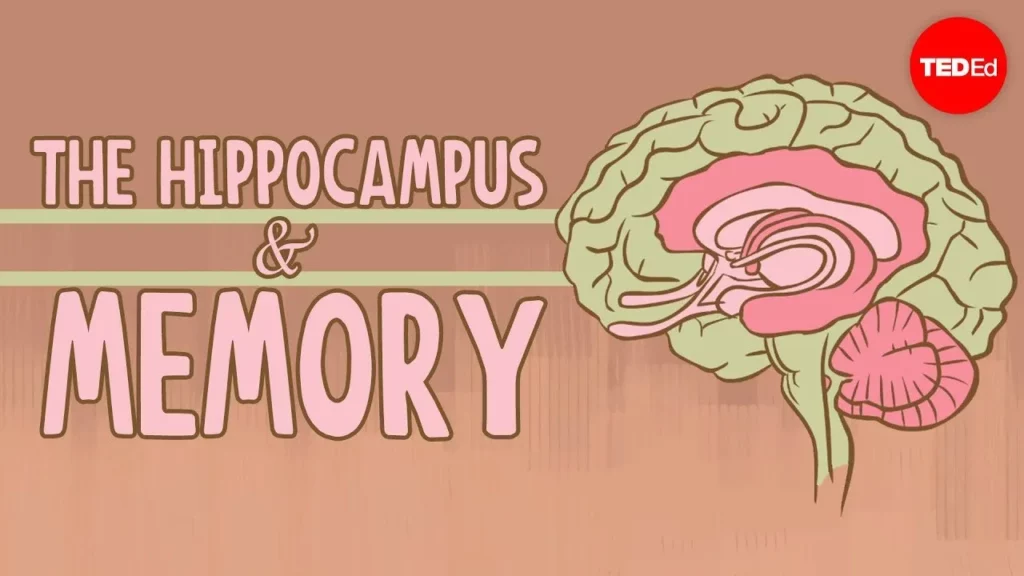
The lesson discusses the groundbreaking case of Henry Molaison (H.M.), who underwent a surgical removal of his hippocampus to alleviate severe seizures, leading to profound insights into memory function. While the surgery successfully reduced his seizures, H.M. lost the ability to form new long-term memories and struggled with daily tasks, revealing the distinction between short-term and long-term memory processes. Research conducted by Dr. Brenda Milner demonstrated that while H.M.’s declarative memory was impaired, his procedural memory remained intact, significantly advancing our understanding of the brain’s memory systems and their complexities.
What did dogs teach humans about diabetes? – Duncan C. Ferguson
The lesson explores the historical understanding of diabetes and highlights the significant role that dogs played in advancing diabetes research, particularly in the discovery of insulin. It details how early studies on dogs led to the identification of the pancreas’s role in diabetes, culminating in the development of insulin as a lifesaving treatment for both humans and dogs. This reciprocal relationship emphasizes the bond between humans and dogs, showcasing the importance of continued research and care for both species.
Why we love repetition in music – Elizabeth Hellmuth Margulis
The lesson explores the significance of repetition in music, highlighting its psychological basis in the mere-exposure effect, which suggests that familiarity breeds preference. Research indicates that listeners find repetitive musical compositions more enjoyable and engaging, as repetition encourages active participation and allows for shifting focus on different musical elements with each listen. Ultimately, repetition enhances the overall musical experience, making it a fundamental aspect of music across cultures.
Why do we pass gas? – Purna Kashyap
The lesson explains that passing gas, or flatulence, is a normal bodily function resulting from both swallowed air and the fermentation of undigested food by trillions of bacteria in our intestines. While most gas is odorless, unpleasant smells often come from sulfur compounds produced during the digestion of certain foods. Understanding the role of gut bacteria is essential for maintaining digestive health, as they help break down complex carbohydrates and produce gases, indicating a healthy gut environment.
Where do genes come from? – Carl Zimmer
The lesson “Where Do Genes Come From?” explains that genes, which serve as instruction manuals for various biological functions, originated from simple microbes that existed around 4 billion years ago. Over time, genes have evolved through processes such as duplication and mutation, leading to the emergence of new genes that can perform different functions, like the adaptation seen in snakes’ venom production. The lesson highlights the ongoing nature of gene development, suggesting that as life continues on Earth, new genes will keep evolving.
How cosmic rays help us understand the universe – Veronica Bindi
In the lesson “How Cosmic Rays Help Us Understand the Universe,” Veronica Bindi discusses the significance of cosmic rays as vital sources of information about the universe beyond our galaxy. Discovered in 1912, these high-energy particles, originating from cosmic events like supernovae, travel vast distances and provide insights into the composition and structure of the universe, including the abundance of elements and the potential existence of antimatter. The Alpha Magnetic Spectrometer on the International Space Station plays a crucial role in analyzing these cosmic rays, contributing to our understanding of fundamental cosmic phenomena.
Cloudy climate change: How clouds affect Earth’s temperature – Jasper Kirkby
The lesson discusses the impact of clouds and aerosols on Earth’s climate sensitivity and temperature changes, highlighting the uncertainty in predicting future warming due to incomplete knowledge of these factors. Since 1750, the average surface temperature has risen by 0.8 degrees Celsius, with potential increases of 1.5 to 4.5 degrees Celsius predicted as carbon dioxide levels rise. The CERN Cloud experiment aims to address gaps in understanding aerosol formation and cloud dynamics, which are crucial for refining climate projections and comprehending historical climate variability.