
If matter falls down, does antimatter fall up? – Chloé Malbrunot
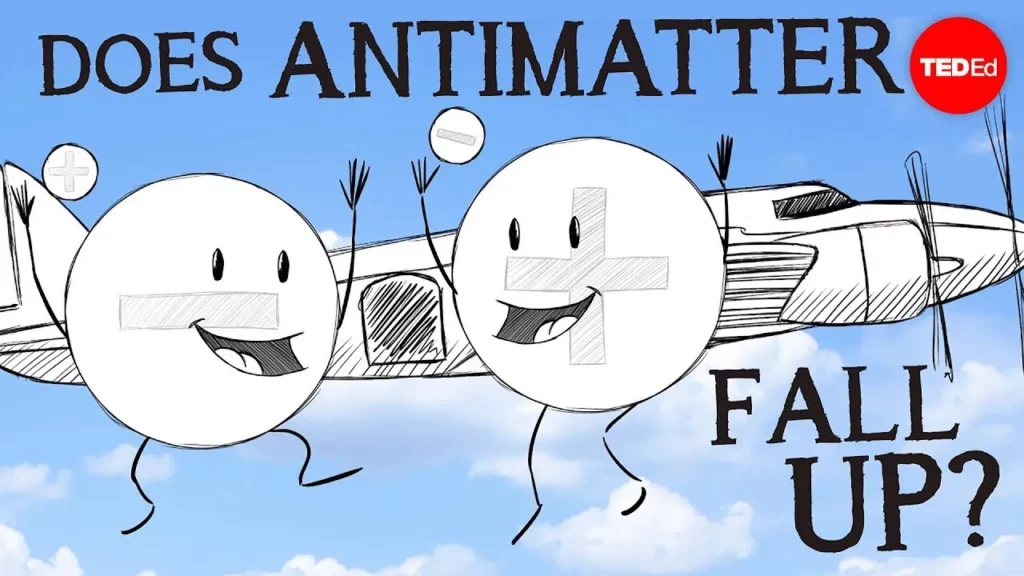
In the lesson “If Matter Falls Down, Does Antimatter Fall Up?” by Chloé Malbrunot, two atoms—hydrogen and antihydrogen—engage in a conversation about their properties and the nature of gravity. They discuss the challenges of measuring gravitational effects on small particles and the mystery of why the universe contains more matter than antimatter, despite their expected equal creation during the Big Bang. The lesson emphasizes the importance of experiments at CERN in exploring these fundamental questions about the universe.
How do vitamins work? – Ginnie Trinh Nguyen
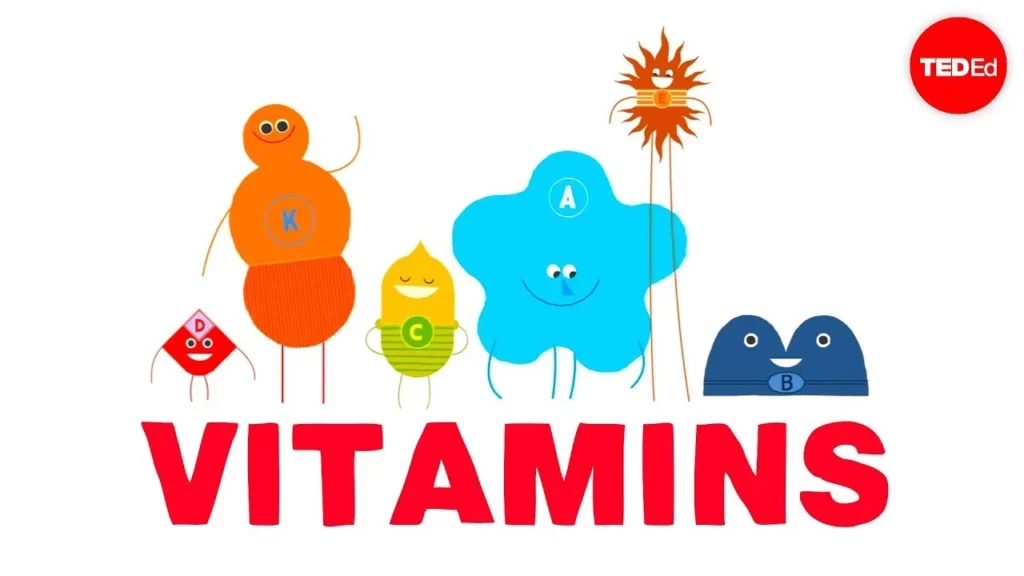
Vitamins are essential nutrients that our bodies require in small amounts for various functions, including energy production, muscle and bone health, and wound healing. They are categorized into water-soluble and lipid-soluble types, each with distinct absorption and storage characteristics. A balanced intake of vitamins is crucial, as deficiencies can lead to health issues, while excessive consumption can result in toxicity.
How do we study the stars? – Yuan-Sen Ting
In the lesson “How Do We Study the Stars?” by Yuan-Sen Ting, students learn about the vastness of the universe and the methods astrophysicists use to study stars and galaxies. By analyzing the light emitted from these celestial bodies, including visible light and various wavelengths like infrared and radio waves, scientists can uncover information about their composition, temperature, and distance. The lesson emphasizes that understanding the universe begins with observing light, which reveals the hidden complexities of the cosmos beyond what we can see with the naked eye.
Light seconds, light years, light centuries: How to measure extreme distances – Yuan-Sen Ting
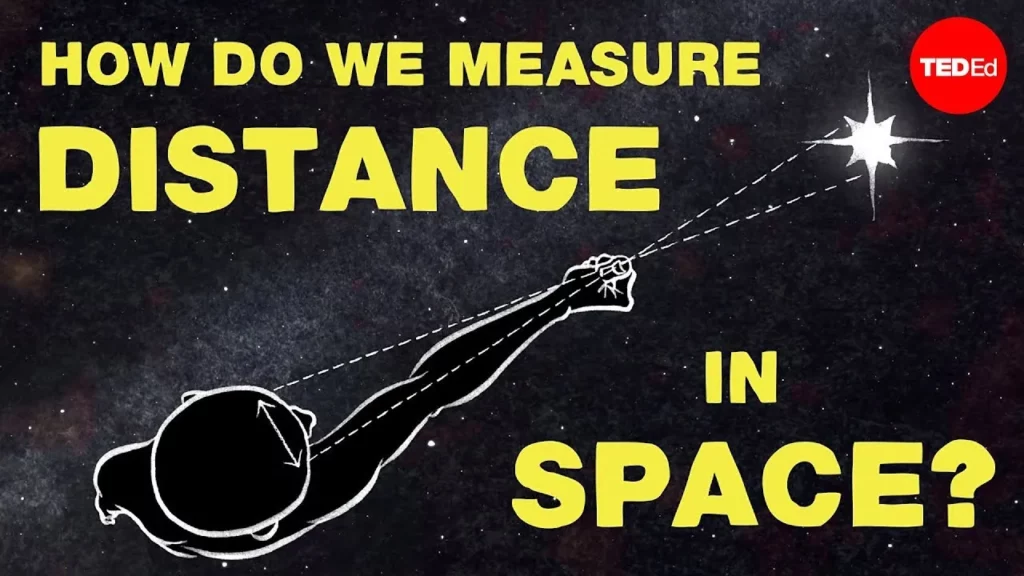
This lesson explains how distances in space are measured using the speed of light, with units like light seconds, light years, and light centuries. It covers methods such as trigonometric parallax for nearby stars, standard candles like Cepheid variables for distances up to 40 million light years, and Type Ia supernovae for measuring even greater distances. Understanding these measurements allows astrophysicists to observe the universe as a time machine, revealing the history and evolution of celestial objects.
Schrödinger’s cat: A thought experiment in quantum mechanics – Chad Orzel
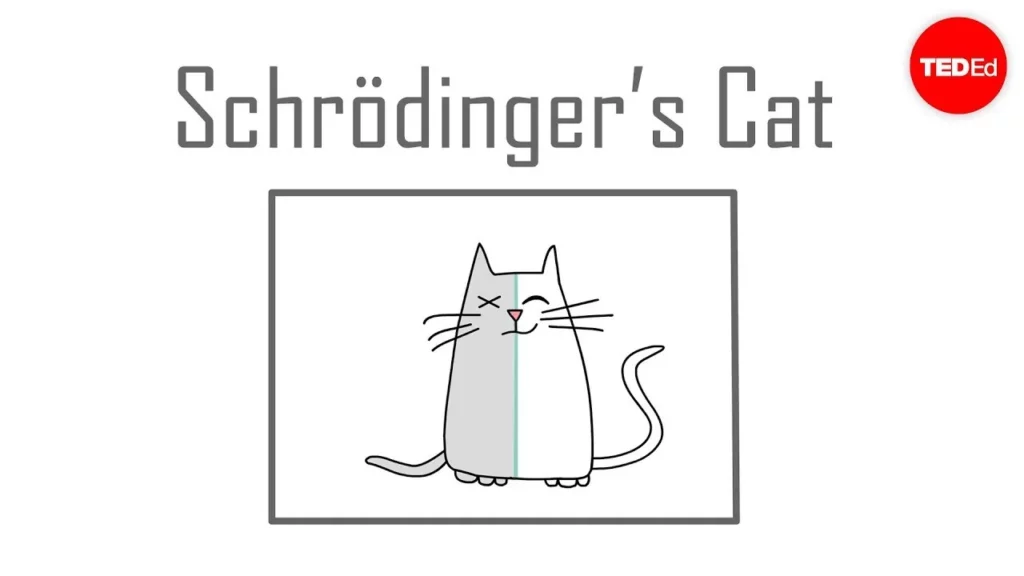
The lesson on Schrödinger’s Cat explores a thought experiment by physicist Erwin Schrödinger that illustrates the concept of superposition in quantum mechanics, where a cat in a sealed box exists in a state of being both alive and dead until observed. This paradox highlights the philosophical implications of quantum physics and emphasizes the importance of wave-particle duality, which underpins modern technology, including semiconductors and computer chips. Ultimately, Schrödinger’s thought experiment serves as a foundational concept in understanding the behavior of quantum objects and their applications in everyday technology.
Einstein’s brilliant mistake: Entangled states – Chad Orzel
The lesson explores Albert Einstein’s contributions to quantum mechanics, particularly through the EPR paper coauthored with Podolsky and Rosen, which introduced the concept of entangled states. While Einstein was skeptical of the implications of quantum mechanics, believing it to be incomplete, subsequent experiments validated the phenomenon of entanglement, demonstrating that measurements on one particle instantaneously affect another, regardless of distance. This paradox challenges classical notions of locality and has spurred advancements in quantum information science, highlighting the complexities and counterintuitive nature of the quantum world.
A different way to visualize rhythm – John Varney
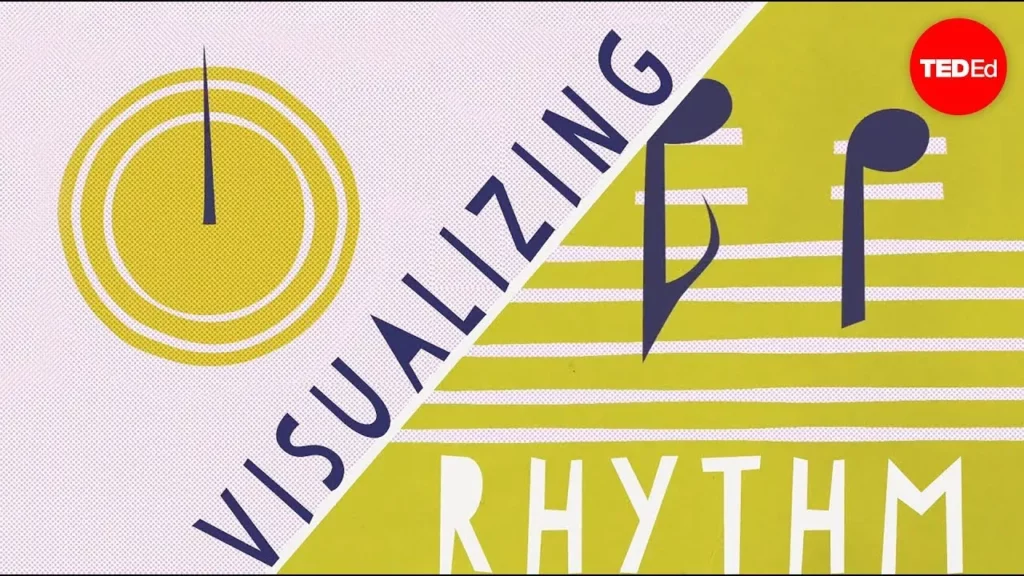
The lesson explores the concept of rhythm beyond music, highlighting its presence in natural patterns and everyday life. It introduces a circular visualization method for understanding musical rhythms, allowing for a more intuitive grasp of beats and their variations, including contrasting offbeats and complex layering. By examining global rhythmic patterns, the lesson emphasizes how different cultures interpret and arrange rhythms, showcasing the versatility and richness of rhythmic expression across the world.
How do germs spread (and why do they make us sick)? – Yannay Khaikin and Nicole Mideo
The lesson explores how germs, including bacteria, fungi, protozoa, and viruses, spread and why some can make us sick while others are harmless. It introduces the trade-off hypothesis, which suggests that germs evolve to balance their replication and transmission, favoring less harmful forms that can spread effectively. Additionally, it emphasizes the importance of disease control methods, such as mosquito-proofing and staying home when ill, to manage the spread of infectious diseases and promote the evolution of milder germs.
Is our climate headed for a mathematical tipping point? – Victor J. Donnay
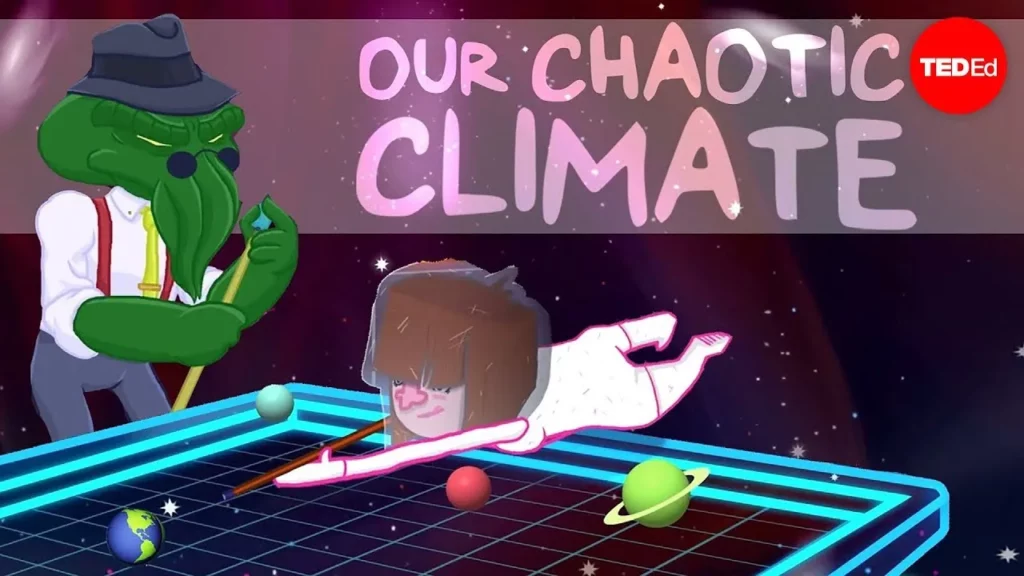
The lesson explores the concept of a mathematical tipping point in relation to climate change, illustrating how a seemingly minor increase in temperature, such as two degrees Celsius, can lead to severe and unpredictable consequences. Using a billiards analogy, it demonstrates how small changes in system constraints can shift behavior from stable to chaotic, paralleling the potential impacts of rising carbon dioxide levels on Earth’s climate. By understanding these dynamics through mathematical modeling, we can better grasp the risks of exceeding critical thresholds and the importance of mitigating climate change.
Is math discovered or invented? – Jeff Dekofsky
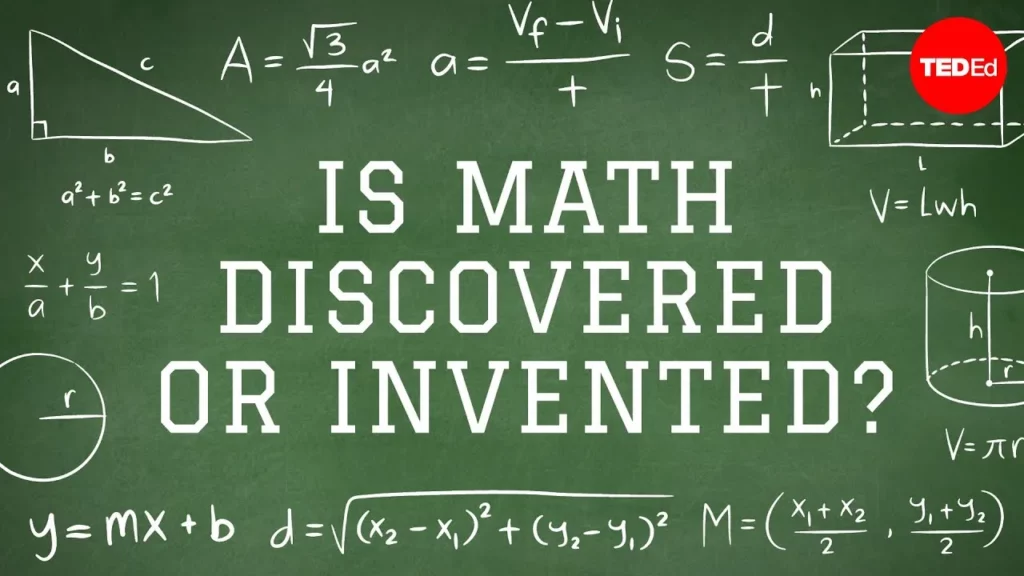
The lesson explores the philosophical debate surrounding whether mathematics is discovered or invented, examining perspectives from ancient thinkers like the Pythagoreans and Plato, who viewed math as a universal truth, to modern views that consider it a human construct. It highlights the effectiveness of mathematics in explaining the universe through practical applications, such as in cryptography and genetics, while emphasizing that the ongoing debate invites deeper reflection on the nature of reality and our understanding of existence. Ultimately, the question remains open-ended, challenging us to consider the essence of mathematical concepts in relation to the world around us.