
Could comets be the source of life on Earth? – Justin Dowd
The lesson explores the intriguing possibility that comets may have played a crucial role in the origin of life on Earth by delivering essential building blocks, such as amino acids, during their journeys through the Solar System. As these icy bodies approach the Sun, they release gases and dust, which can contain vital compounds for life. This perspective shifts our understanding of comets from ominous celestial events to potential messengers of life, suggesting that they could have seeded not only Earth but also other planets with the ingredients necessary for life.
The unexpected math behind Van Gogh’s “Starry Night” – Natalya St. Clair
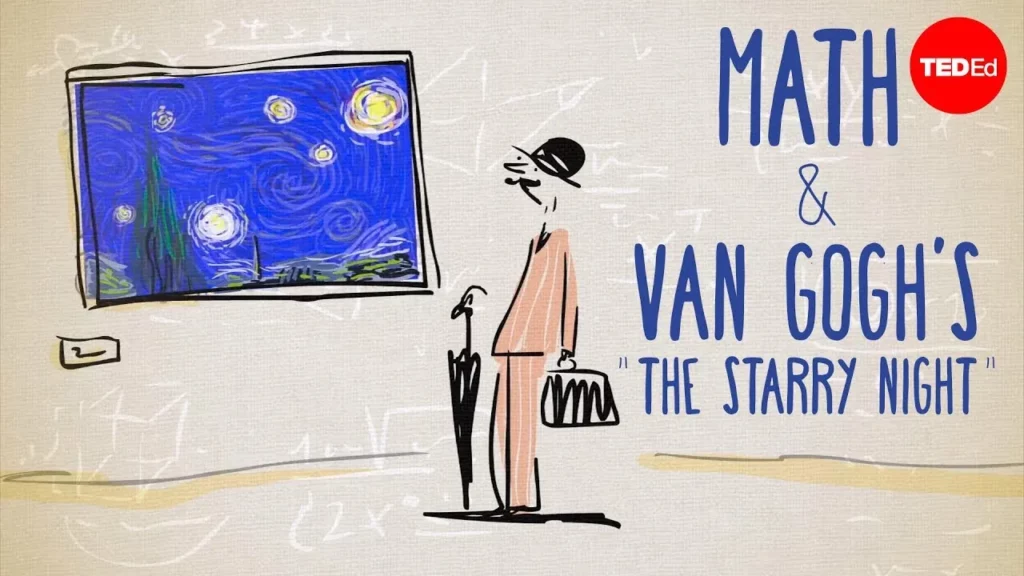
The lesson explores the intriguing connection between Vincent van Gogh’s “Starry Night” and the mathematical concept of turbulence, highlighting how the artist’s unique brushwork captures the dynamic movement of light. Researchers have discovered that the luminance patterns in Van Gogh’s paintings align with Kolmogorov’s turbulence theory, revealing a hidden complexity in his art that reflects his emotional turmoil. This intersection of art and science illustrates how Van Gogh’s genius allowed him to visualize one of nature’s most enigmatic phenomena through his expressive use of color and form.
The language of lying — Noah Zandan
In “The Language of Lying,” Noah Zandan explores the prevalence of deception in daily life and critiques traditional lie detection methods, suggesting that the issue may lie in our assumptions about physiological responses to lying. He presents four linguistic patterns commonly associated with deception—distancing language, negative language, simplicity in explanation, and convoluted sentence structures—highlighting how these can reveal underlying dishonesty. By understanding these patterns, individuals can enhance their ability to identify lies in everyday interactions, ultimately aiding in better decision-making.
Ideasthesia: How do ideas feel? – Danko Nikolić
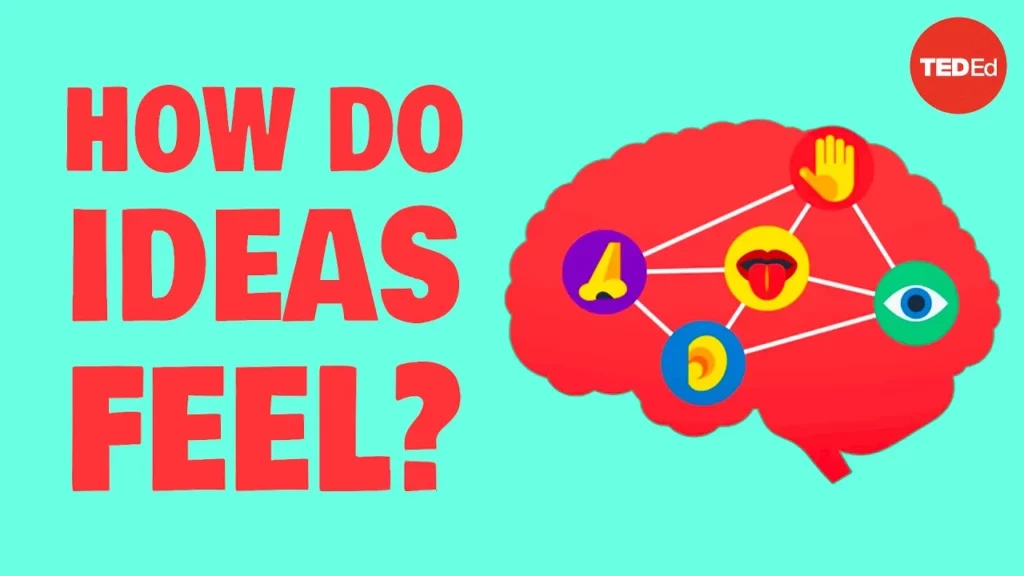
The lesson on “Ideasthesia: How Do Ideas Feel?” by Danko Nikolić explores the intricate relationship between sensory perception and cognitive processes, challenging the traditional mind-body dichotomy. It introduces the concept of ideasthesia, where higher-level ideas activate cross-sensory experiences, suggesting that our perceptions are interconnected and shaped by our understanding of the world. This interconnectedness has implications for both scientific inquiry and philosophical perspectives on consciousness and human experience.
Why elephants never forget – Alex Gendler
The lesson “Why Elephants Never Forget” explores the remarkable intelligence and emotional depth of elephants, highlighting their exceptional memory, social behaviors, and problem-solving abilities. Elephants possess the largest brain of any land animal, enabling them to remember individuals and experiences, communicate effectively, and even demonstrate empathy and altruism. The lesson emphasizes the urgent need to protect these extraordinary creatures from threats like habitat destruction and poaching, recognizing their consciousness and emotional complexity.
The great brain debate – Ted Altschuler
The lesson explores the historical debate between Ernest Aubertin and Pierre Gratiolet regarding the organization of speech and memory in the brain, highlighting the localistic model, which posits that specific brain regions are responsible for distinct functions, versus the distributed model, which emphasizes the collaborative nature of different brain areas. Over time, evidence from various scientists, including Paul Broca and Karl Wernicke, contributed to the understanding that both models have merit, leading to a more nuanced view of brain function that recognizes the complexity and interconnectedness of cognitive processes. Modern neuroscience continues to integrate these theories, revealing that memory and speech involve both localized and distributed brain activities.
The mighty mathematics of the lever – Andy Peterson and Zack Patterson
The lesson explores the concept of levers, highlighting their fundamental role in physics and everyday life, as illustrated by the example of a seesaw. It explains the three main components of a lever—effort arm, resistance arm, and fulcrum—and how they work together to make lifting heavy objects easier by distributing weight. The lesson concludes with a nod to Archimedes’ famous assertion about moving the Earth, emphasizing the theoretical power of levers and their significance as simple machines in our daily tasks.
How does cancer spread through the body? – Ivan Seah Yu Jun
The lesson explains how cancer spreads in the body through a process called metastasis, which can occur via transcoelomic, hematogenous, or lymphatic pathways. It highlights the formation of micrometastases and discusses theories regarding cancer cell migration, emphasizing the complexity of metastasis influenced by various factors. Ongoing research aims to uncover methods to prevent metastasis and improve treatment strategies, particularly through immunotherapy.
What does the liver do? – Emma Bryce
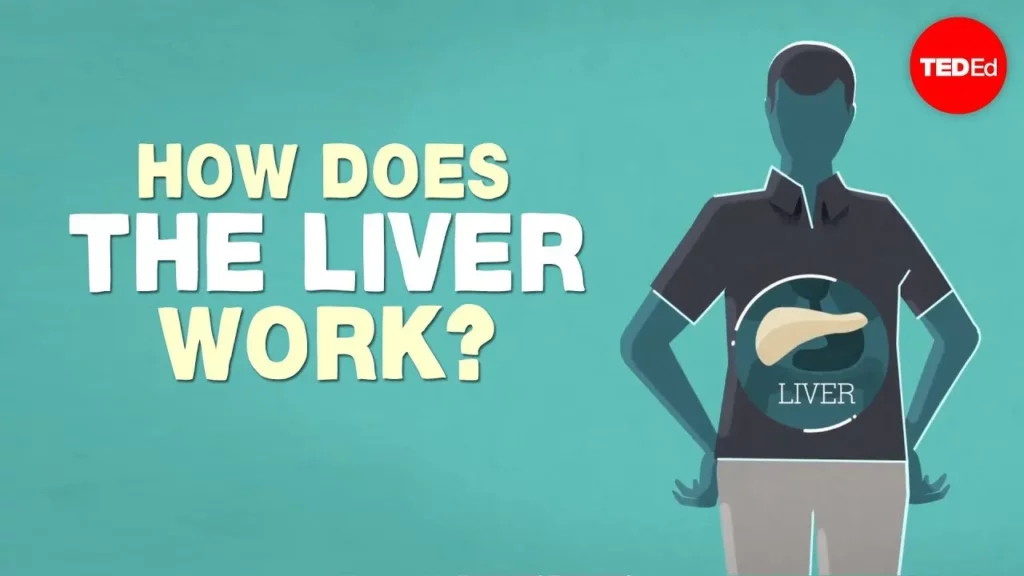
The liver is a vital organ that functions as a blood filter, manufacturer, and processing plant, working continuously to maintain the body’s health. It filters blood to process and store nutrients, handles toxins and waste, produces essential proteins and bile, and plays a crucial role in digestion. To ensure its optimal functioning, it’s important to maintain a healthy lifestyle and avoid excessive toxins.
The hidden worlds within natural history museums – Joshua Drew
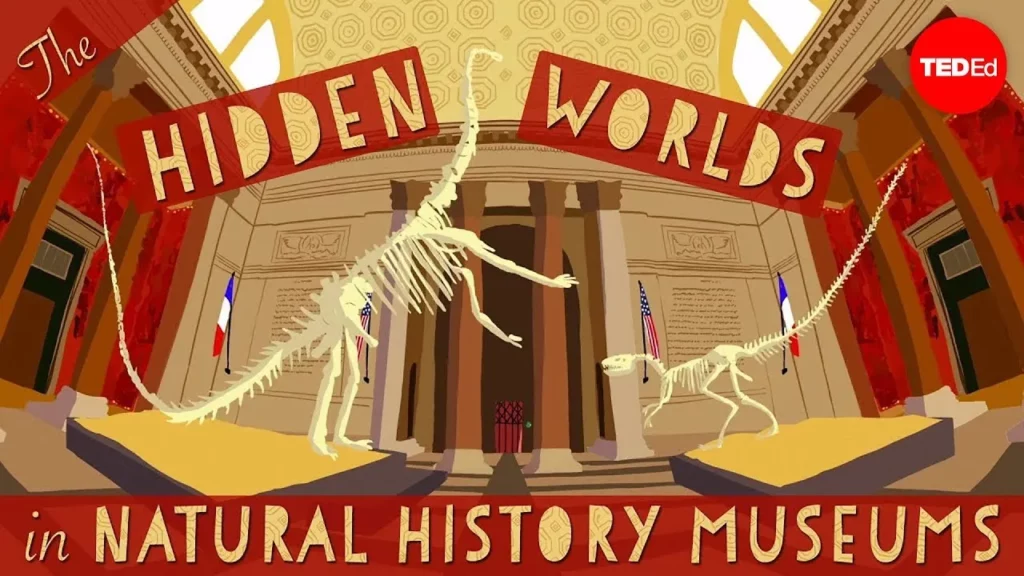
Natural history museums are not just about the exhibits on display; they house vast collections, with only about 1% visible to the public, and serve as crucial research hubs for scientists. Behind the scenes, researchers utilize these specimens to uncover mysteries about evolution, environmental changes, and historical events, contributing to significant discoveries like the impact of DDT on bird populations and insights into climate change. These hidden worlds within museums provide invaluable resources for understanding both our planet’s past and its future.