
Why do buildings fall in earthquakes? – Vicki V. May

The lesson explains the reasons behind building collapses during earthquakes, emphasizing that it’s not just the ground shaking that causes failures, but rather the interaction between a building’s mass, stiffness, and its natural frequency with seismic waves. It highlights the importance of intelligent design and engineering techniques, such as base isolation and tuned mass dampers, to prevent resonance-induced collapses and enhance the resilience of structures against earthquakes. By collaborating with geologists and seismologists, engineers can create safer buildings that are better equipped to withstand seismic forces.
Why Shakespeare loved iambic pentameter – David T. Freeman and Gregory Taylor
In this lesson, we explore Shakespeare’s preference for iambic pentameter, a rhythmic structure that consists of five iambs per line, which mirrors the natural stresses of the English language and the heartbeat. The lesson highlights how this meter enhances emotional expression in his plays, allowing characters to convey deep feelings during pivotal moments. By understanding the rhythm of iambic pentameter, readers can better appreciate the musicality and emotional depth of Shakespeare’s poetry and prose.
How does your smartphone know your location? – Wilton L. Virgo
This lesson explains how smartphones determine your location using a network of satellites equipped with atomic clocks that rely on quantum mechanics. By measuring the time it takes for radio signals from these satellites to reach your phone, and employing precise timekeeping, your device can calculate distances and pinpoint your location through overlapping spheres created by signals from multiple satellites. The integration of advanced technologies, including atomic clocks and Einstein’s theory of relativity, enables this remarkable capability.
How do dogs “see” with their noses? – Alexandra Horowitz

This lesson explores how dogs perceive their environment primarily through their extraordinary sense of smell, which is far more developed than that of humans. Dogs can detect a vast array of scents, identify their sources, and even “see” the past and future through olfactory cues, thanks to specialized structures in their noses and a larger brain region dedicated to processing smells. This remarkable ability not only enhances their understanding of the world but also enables them to assist humans in various ways, from providing comfort to detecting dangers.
History vs. Richard Nixon – Alex Gendler
The lesson “History vs. Richard Nixon” explores the complex legacy of the 37th President of the United States, highlighting both his significant achievements and the infamous Watergate scandal that led to his resignation. While Nixon made strides in environmental protection, civil rights, and foreign relations, his attempts to cover up abuses of power and prolong the Vietnam War ultimately compromised democratic principles and overshadowed his accomplishments. The lesson emphasizes the importance of accountability in leadership and how actions that undermine democracy can define a president’s legacy.
How we think complex cells evolved – Adam Jacobson
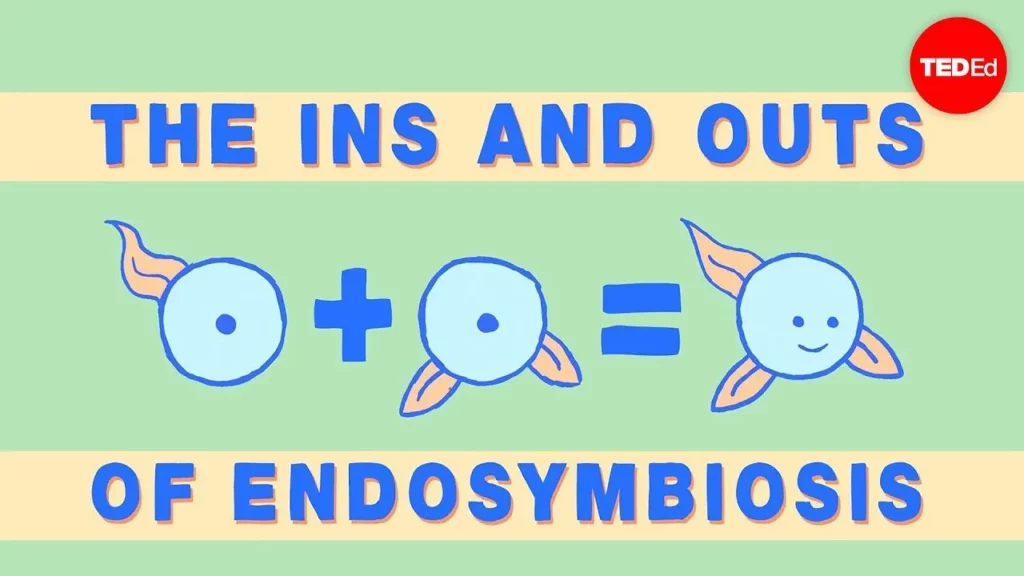
The lesson by Adam Jacobson explores the evolution of complex eukaryotic cells through a process called endosymbiosis, where one organism absorbs another, leading to a new organism with combined abilities. This theory, supported by evidence such as the unique reproduction of chloroplasts and mitochondria, their circular DNA, and their dual membranes, explains how early simple cells evolved into more complex forms, ultimately giving rise to the diverse range of life we see today. The endosymbiotic theory highlights the significance of these partnerships in enhancing adaptability and driving evolutionary progress.
The last banana: A thought experiment in probability – Leonardo Barichello
In “The Last Banana: A Fun Dive into Probability,” the lesson explores the concept of probability through a game involving two dice to determine who gets the last banana on a deserted island. Despite appearing to have a better chance of winning due to more favorable numbers, the calculations reveal that the friend actually has a higher probability of winning (56% compared to 44%) due to the nature of the possible outcomes when rolling the dice. This lesson highlights how understanding probability can illuminate the randomness inherent in games and real-life scenarios.
Did Shakespeare write his plays? – Natalya St. Clair and Aaron Williams
The lesson explores the ongoing debate surrounding the authorship of Shakespeare’s plays, examining theories that suggest he may have been a pseudonym for other writers or a collective of authors. It highlights the role of linguistics and stylometry in analyzing writing styles to support the claim that Shakespeare is indeed the author, while also acknowledging the limitations of such analyses in capturing the emotional depth of his work. Ultimately, while stylometric findings largely affirm Shakespeare’s authorship, they also reveal potential collaborations and emphasize the complexity of literary artistry beyond mere statistical evaluation.
The law of conservation of mass – Todd Ramsey
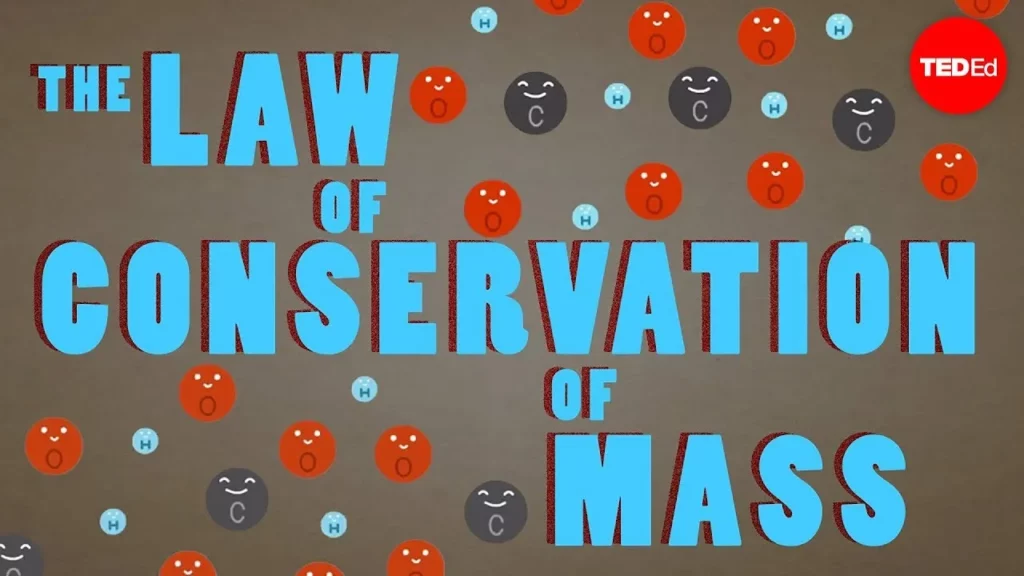
The lesson on the Law of Conservation of Mass explains that in an isolated system, mass cannot be created or destroyed, only rearranged. Through examples of chemical reactions involving carbon, hydrogen, and oxygen, it illustrates how atoms are transformed into different molecules while maintaining the same total number of each type of atom. The lesson concludes by tracing the origin of these atoms back to the Big Bang and the processes within stars, emphasizing that all matter, including ourselves, is composed of elements forged in the cosmos.
How does the thyroid manage your metabolism? – Emma Bryce
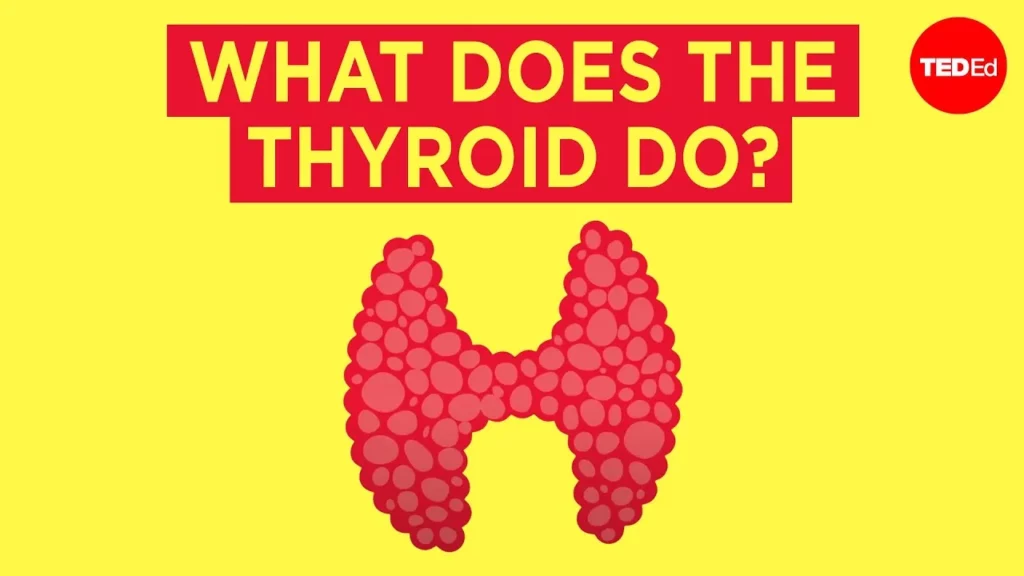
The lesson explains the crucial role of the thyroid gland in regulating metabolism through the production of hormones, primarily thyroxine (T4) and triiodothyronine (T3). It highlights how the thyroid, under the supervision of the pituitary gland, adjusts hormone levels to meet the body’s energy demands, and discusses potential disorders like hyperthyroidism and hypothyroidism that can disrupt this balance. Overall, maintaining a healthy thyroid is essential for efficient cellular function and overall well-being.