
Rhythm in a box: The story of the cajon drum – Paul Jennings
The lesson explores the history and evolution of the cajon drum, a versatile instrument that originated in West Africa and was adapted by African slaves in Peru using shipping crates. As the cajon gained popularity, it underwent various innovations, particularly after being introduced to Spain by Flamenco musicians, leading to its incorporation into diverse music genres today. Ultimately, the cajon’s journey highlights the power of creativity and adaptation in music.
How brain parasites change their host’s behavior – Jaap de Roode
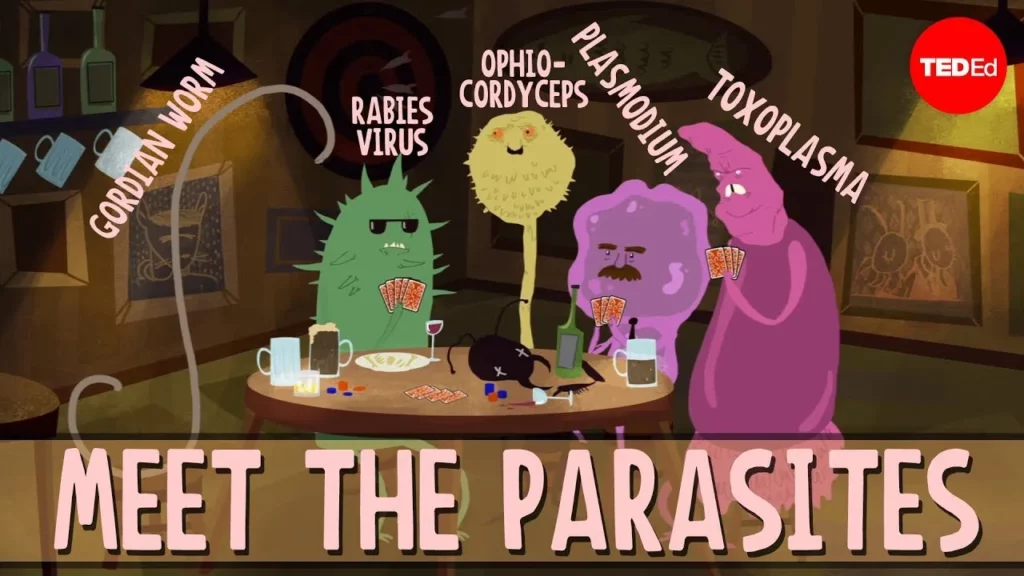
This lesson explores how various brain parasites manipulate the behavior of their hosts to ensure their survival and reproduction. Examples include the Gordian worm, which confuses crickets to lead them to water, and the rabies virus, which incites aggression in mammals to facilitate transmission. The lesson highlights the complex strategies employed by parasites, such as altering brain chemistry and behavior, and raises intriguing questions about the potential influence of parasites on human behavior.
The real story behind Archimedes’ Eureka! – Armand D’Angour
The lesson explores the true story behind Archimedes’ famous “Eureka!” moment, which is often associated with his discovery of buoyancy while contemplating the feasibility of the Syracusia, a massive ship commissioned by King Hieron of Syracuse. Archimedes formulated his principle, stating that an object will float if it displaces a volume of water equal to its weight, ultimately ensuring the ship’s successful design and voyage. The narrative also highlights the potential blending of different tales about Archimedes, including the well-known bathtub story, while emphasizing the significance of his contributions to understanding buoyancy.
Why it’s so hard to cure HIV/AIDS – Janet Iwasa
The lesson discusses the complexities of curing HIV/AIDS, highlighting the unique challenges posed by the virus’s ability to integrate into the DNA of immune cells and remain dormant. While effective antiretroviral therapies allow individuals to manage the virus and live healthy lives, the need for lifelong treatment and barriers to access remain significant obstacles. However, ongoing research offers hope for potential cures, indicating that while difficult, eradicating HIV is not impossible.
Plato’s Allegory of the Cave – Alex Gendler
Plato’s Allegory of the Cave illustrates the journey from ignorance to enlightenment, depicting prisoners who perceive only shadows on a wall as their reality. When one prisoner escapes and discovers the true world outside the cave, he struggles to accept this new reality and faces resistance upon returning to share his insights. This allegory serves as a critique of societal complacency and ignorance, emphasizing the challenges of pursuing truth and knowledge in a world where many are comfortable with their illusions.
Can robots be creative? – Gil Weinberg
The lesson explores the concept of artificial creativity, questioning whether machines, particularly through evolutionary algorithms, can produce original and beautiful works, such as music. It traces the philosophical roots of this idea back to Ada Lovelace, who proposed that true intelligence requires the ability to create original ideas. The discussion raises important questions about the nature of creativity itself, the role of human aesthetics in machine-generated art, and whether the emotional impact of a creation matters more than its origin.
Where did Earth’s water come from? – Zachary Metz
The lesson explores the origins of Earth’s water, highlighting its significance and the processes that contributed to its presence on our planet. Water, composed of hydrogen and oxygen, likely formed through nucleosynthesis in stars and was present in the dust cloud that created the solar system. Theories suggest that Earth initially had little water, which later accumulated through volcanic outgassing and possibly from impacts with ice-bearing comets and asteroids, leading to the abundance of water we see today.
What did democracy really mean in Athens? – Melissa Schwartzberg
The lesson explores the unique nature of Athenian democracy, which was characterized by direct participation and the use of sortition, or random selection, to fill most government positions, rather than elections. This system allowed a broader segment of the citizenry to engage in governance, although it excluded women, slaves, and foreigners, limiting participation to a small percentage of the population. The lesson also reflects on the implications of Athenian practices for modern democracies, questioning whether a return to lottery-based selection could enhance representation and effectiveness in governance.
How do geckos defy gravity? – Eleanor Nelsen
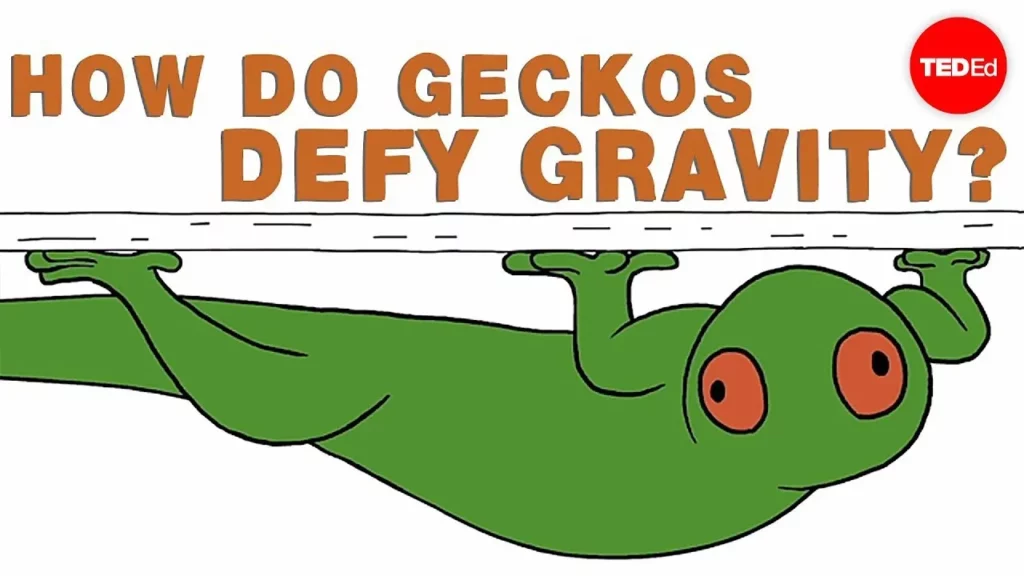
In this lesson, we explore how geckos can effortlessly climb walls and walk upside down, thanks to the scientific principles of electronegativity and van der Waals forces. Their toes are equipped with tiny hair-like structures called setae, which enhance their ability to stick to surfaces by maximizing contact area and creating strong adhesive forces. This remarkable adaptation not only aids in their hunting but has also inspired scientists to develop synthetic materials that mimic this natural stickiness.
The effects of underwater pressure on the body – Neosha S Kashef
The lesson explores the effects of underwater pressure on both fish and scuba divers, focusing on the phenomenon of barotrauma in fish and decompression sickness in divers. It explains how rapid changes in pressure can cause significant physical changes, such as the expansion of gas in a fish’s swim bladder leading to visible deformities, and how divers must manage nitrogen levels in their bodies to avoid dangerous bubbles forming during ascent. Proper techniques for safely returning fish to their depths and preventing decompression sickness in divers are emphasized as crucial for their survival and health.