
Camera or eye: Which sees better? – Michael Mauser
The lesson “Camera or Eye: Which Sees Better?” explores the similarities and differences between human vision and camera technology. While both systems use lenses and photoreceptors to capture light, our eyes rely on a complex interplay with the brain, leading to unique visual experiences, including color perception and visual illusions, that cameras cannot replicate. Ultimately, the lesson highlights the efficiency and adaptability of human vision, despite its occasional imperfections.
How brass instruments work – Al Cannon
This lesson explores the mechanics of brass instruments, highlighting how sound is produced through vibrations created by a musician’s buzzing lips. It explains the role of the instrument’s design in shaping these vibrations into musical notes, including how pitch can be altered by changing the length of the tubing and adjusting airflow. Ultimately, it emphasizes the interplay between creativity and physics in producing the rich sounds of brass instruments.
Why are manhole covers round? – Marc Chamberland
The lesson explains why most manhole covers are round, highlighting the practical benefits of their shape, such as ease of movement and the ability to fit securely over the opening regardless of orientation. It delves into the unique geometric properties of circles and other shapes, like the Reuleaux triangle, which also maintain a constant width, ensuring safety by preventing covers from falling into the holes. Ultimately, the design of round manhole covers is a blend of functionality and intriguing mathematical principles.
How to spot a counterfeit bill – Tien Nguyen
This lesson teaches you how to identify counterfeit bills, highlighting the prevalence of fake money in circulation and its potential economic impact. It introduces practical tools like an anti-counterfeit detection pen and UV light features, as well as simple visual checks to help you recognize genuine currency. By using these methods, you can effectively spot counterfeit bills and protect yourself from financial loss.
Why is biodiversity so important? – Kim Preshoff
The lesson emphasizes the critical importance of biodiversity in maintaining the resilience and stability of ecosystems. It explains that biodiversity encompasses ecosystem diversity, species diversity, and genetic diversity, all of which contribute to the health of environments like the Amazon rainforest. The lesson also highlights the potential consequences of losing species, particularly keystone species, and underscores the role of biodiversity as a safety net for human well-being and the overall balance of life on Earth.
How to unboil an egg – Eleanor Nelsen
In the lesson “How to Unboil an Egg,” Eleanor Nelsen explains the scientific process behind reversing the boiling of an egg, which involves using mechanical energy to restore the proteins in egg whites to their original, unboiled state. By dissolving boiled egg whites in a urea solution and spinning them at high speeds, scientists can create shear stresses that help the proteins refold, demonstrating a fascinating application of the principle of microscopic reversibility. This technique has broader implications for the pharmaceutical industry, offering a potential method for efficiently refolding proteins used in drug production.
Could your brain repair itself? – Ralitsa Petrova
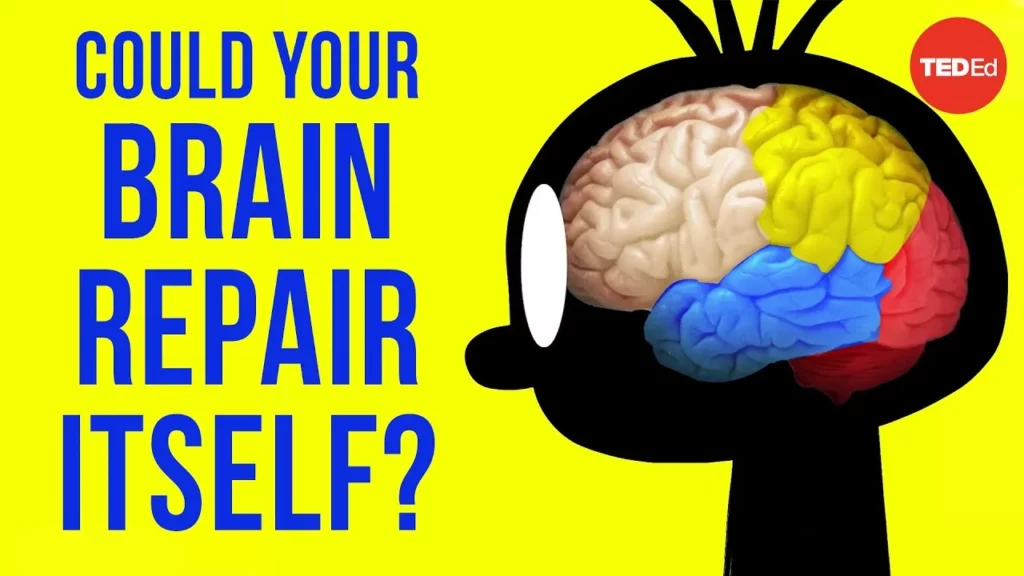
The lesson explores the potential for the human brain to repair itself through a process called neurogenesis, which continues to occur in specific regions of the adult brain, allowing for the generation of new neurons. Recent research suggests that stimulating neural stem cells and transplanting healthy cells could enhance this natural repair mechanism, offering hope for treating neurological conditions and brain injuries. While the full capabilities of brain self-repair remain to be understood, advancements in regenerative medicine are paving the way for future breakthroughs.
Why neutrinos matter – Sílvia Bravo Gallart
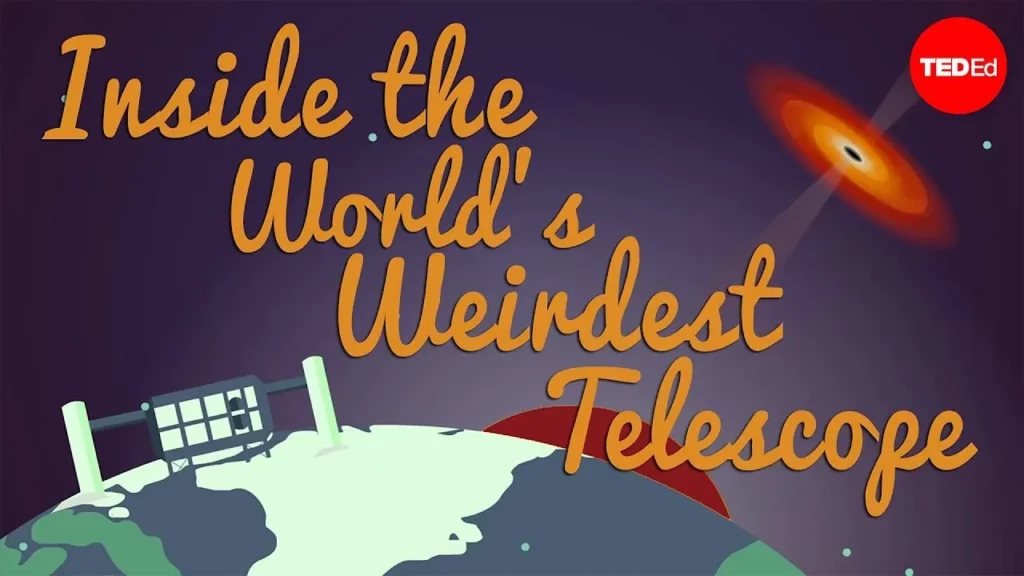
In the lesson “Why Neutrinos Matter” by Sílvia Bravo Gallart, neutrinos are introduced as elusive, fundamental particles that permeate the universe and provide critical insights into extreme cosmic environments. Despite their tiny mass and minimal interactions with matter, neutrinos are produced in various processes, including nuclear reactions in the sun and cosmic ray interactions, and can be detected using advanced technologies like the IceCube neutrino telescope. As neutrino astronomy advances, it promises to uncover significant revelations about the origins of cosmic rays and the universe’s most energetic phenomena.
What causes economic bubbles? – Prateek Singh

The lesson explores the concept of economic bubbles, using the historical example of tulip mania in the 17th century to illustrate how people can irrationally inflate the prices of items beyond their actual worth. It explains that such manias occur when demand surges due to speculation, leading to unsustainable price increases, which eventually result in a market crash when reality sets in. By studying these phenomena, we can better understand the cyclical nature of economies and learn from past mistakes to potentially mitigate future bubbles.
How in vitro fertilization (IVF) works – Nassim Assefi and Brian A. Levine
The lesson on in vitro fertilization (IVF) outlines its historical significance, beginning with the birth of Louise Brown in 1978, and explains the natural reproductive process that IVF aims to replicate. It details the IVF procedure, including hormone stimulation, egg retrieval, fertilization, and embryo transfer, while highlighting the increasing demand for this technology among various demographics facing fertility challenges. The lesson concludes by discussing success rates, the potential for future advancements in reproductive technology, and the ongoing hope IVF provides for individuals and couples looking to conceive.