
Sunlight is way older than you think – Sten Odenwald
The lesson “Sunlight is Way Older Than You Think” explains the lengthy journey of photons from the Sun’s core to its surface, which takes approximately 170,000 years due to their complex path of constant collisions with protons. Initially created as high-energy gamma rays, photons lose energy and transform into visible light as they travel through the Sun’s varying density layers. After this extensive journey, sunlight takes only eight minutes to reach Earth, highlighting the ancient origins of the light we see today.
The complex geometry of Islamic design – Eric Broug
The lesson explores the significance of geometry in Islamic design, tracing its roots back to the 8th century CE when artists synthesized Roman and Persian influences into unique styles. It highlights the use of simple tools like a compass and ruler to create intricate patterns through processes such as tessellation, emphasizing the limitless possibilities of geometric designs while also addressing the challenges of incorporating complex shapes. Overall, the lesson showcases how Islamic art reflects a deep appreciation for mathematical precision and creative expression.
Mansa Musa, one of the wealthiest people who ever lived – Jessica Smith
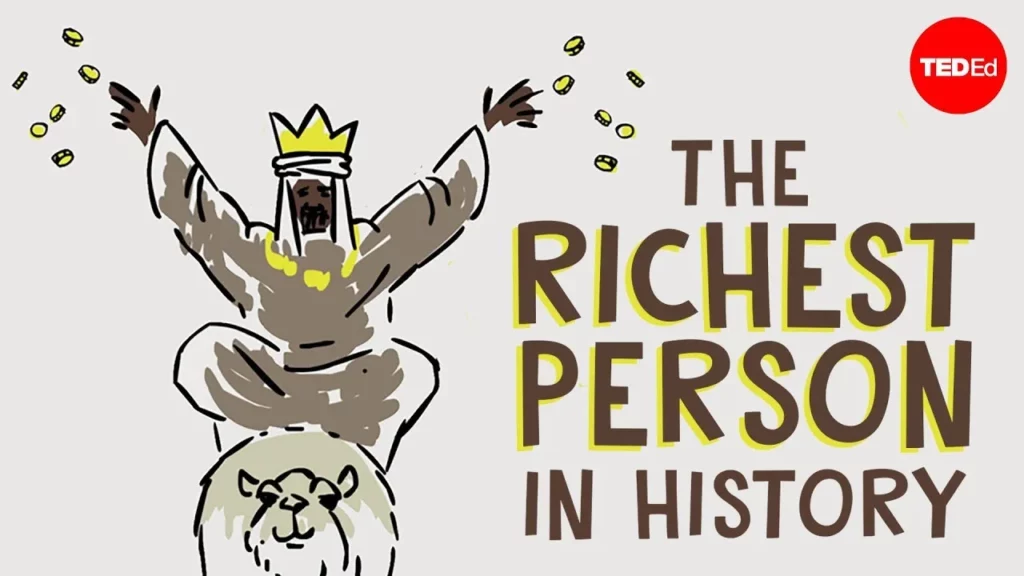
The lesson on Mansa Musa highlights his status as one of the wealthiest individuals in history and his significant contributions to the Mali Empire during the 14th century. Beyond his immense wealth, exemplified by his extravagant pilgrimage to Mecca, Mansa Musa focused on promoting education and religion, transforming Timbuktu into a center of learning and culture. His legacy endures through the architectural and educational advancements he fostered, illustrating the profound impact of his reign on African history.
Debunking the myths of OCD – Natascha M. Santos
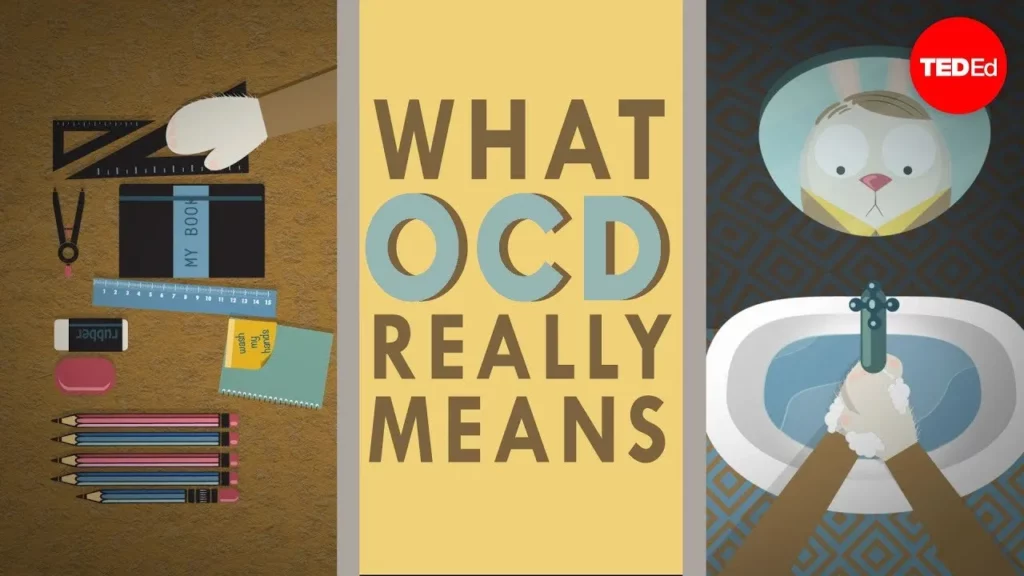
The lesson “Debunking the Myths of OCD” by Natascha M. Santos clarifies common misconceptions about obsessive-compulsive disorder (OCD), emphasizing that it is a serious psychiatric condition characterized by intrusive thoughts (obsessions) and anxiety-relieving behaviors (compulsions), rather than merely repetitive actions or a penchant for cleanliness. It highlights that individuals with OCD often recognize the irrationality of their thoughts and behaviors, yet struggle to control them, leading to significant distress. The lesson also discusses the neurobiological underpinnings of OCD and the availability of effective treatments, fostering hope for those affected by the disorder.
How batteries work – Adam Jacobson
This lesson explores the fascinating science behind batteries, tracing their origins to the experiments of Luigi Galvani and Alessandro Volta in the 1780s. It explains how batteries generate power through oxidation and reduction processes, the limitations of battery lifespan, and the potential for future advancements in battery technology, including rechargeable options and innovative energy sources. Ultimately, it highlights the importance of batteries in our daily lives and the ongoing efforts to enhance their efficiency and longevity.
How I responded to sexism in gaming with empathy – Lilian Chen
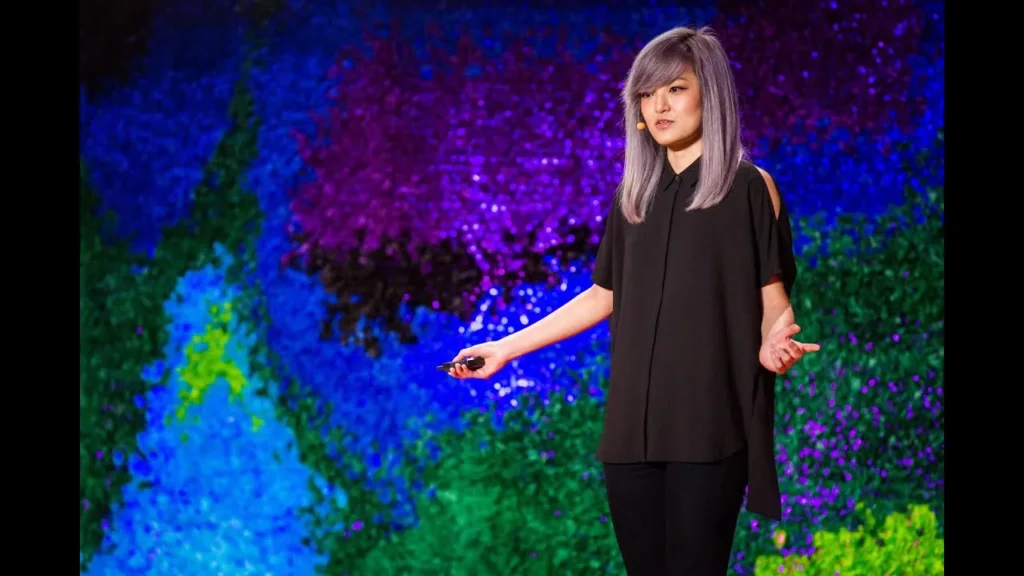
In her lesson, Lilian Chen shares her journey in the competitive gaming community, highlighting her experiences with sexism and the importance of empathy in addressing these issues. After initially feeling isolated and bullied, she found a supportive community through her gamer tag “_milktea,” but later encountered unkind comments that led her to withdraw. By using her voice to raise awareness about sexism in gaming and fostering open conversations, she co-founded a panel called *The New Meta*, emphasizing that empathy and dialogue can inspire change and empower others to challenge harmful behaviors.
Will future spacecraft fit in our pockets? – Dhonam Pemba
The lesson explores the concept of microspacecraft, which are tiny, cost-effective spacecraft capable of exploring distant celestial bodies while fitting in a pocket. These innovative vessels utilize advanced micropropulsion methods, such as microfluidic electrospray propulsion, to navigate space efficiently despite their small size. With ongoing developments, the future of space exploration may involve deploying thousands of these microspacecraft to gather unprecedented data about the universe.
The battle of the Greek tragedies – Melanie Sirof
In today’s lesson, we explored the dramatic contest of Ancient Greece, where renowned playwrights Aeschylus and Sophocles showcased their groundbreaking works at the Theatre of Dionysus. Aeschylus introduced a second actor and a smaller chorus, while Sophocles captivated the audience with his use of three actors in “Oedipus Rex,” culminating in a surprising victory for the lesser-known Philocles. This event marked significant innovations in theater, emphasizing the emotional impact of tragedy and the concept of catharsis.
How people rationalize fraud – Kelly Richmond Pope
The lesson on “How People Rationalize Fraud” explores the psychological and situational factors that lead individuals to commit fraudulent acts, despite the general consensus that stealing is wrong. It introduces the fraud triangle, which highlights pressure, opportunity, and rationalization as key conditions that facilitate fraud, illustrating how even seemingly minor dishonest actions can contribute to significant financial losses. Real-world examples demonstrate the widespread impact of fraud on individuals and organizations, emphasizing that its consequences extend beyond the immediate perpetrators to affect employees, taxpayers, and consumers alike.
How to detect a supernova – Samantha Kuula
In this lesson, Samantha Kuula explains the phenomenon of supernovae, highlighting the challenges of observing them from their inception due to the vastness of the universe and the timing required. She introduces neutrinos as a key to early detection, as they can reach Earth before the light from a supernova, and discusses the Supernova Early Warning System (SNEWS), which alerts astronomers to impending supernova events, allowing for timely observation. The lesson emphasizes the collaborative efforts in astronomy and the anticipation of witnessing a supernova from its very beginning.