
How plants tell time – Dasha Savage
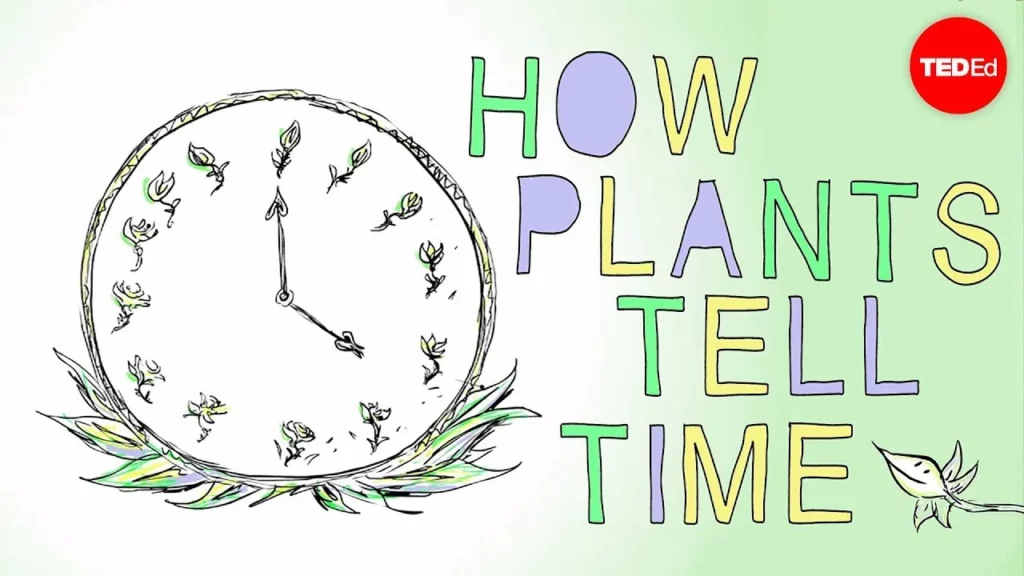
The lesson explores how plants perceive time through circadian rhythms, a concept first popularized by the botanist Carolus Linnaeus with his flower clock. Plants utilize light and temperature signals, detected by molecules called phytochromes, to regulate their daily activities, such as photosynthesis and growth, while also adapting to seasonal changes. This internal timing mechanism allows plants to synchronize their functions with the environment, ensuring their survival and productivity.
Can you solve the famously difficult green-eyed logic puzzle? – Alex Gendler
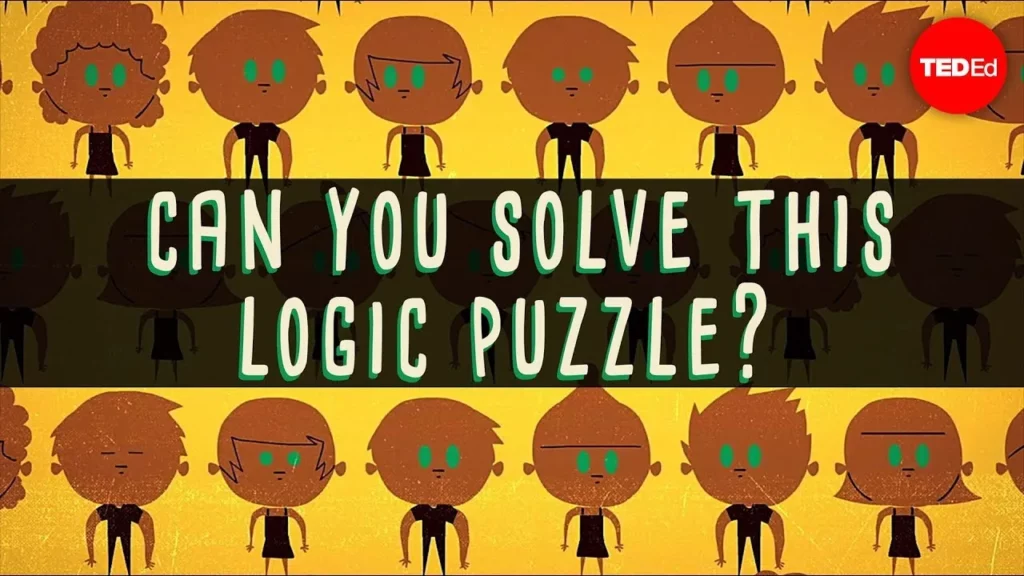
The lesson explores the Green-Eyed Logic Puzzle, where 100 prisoners, all with green eyes, must deduce their own eye color without direct communication or reflective surfaces. By stating, “At least one of you has green eyes,” the visitors create a common knowledge among the prisoners, leading them to realize their own eye color through a process of logical deduction over several nights. This illustrates the concept of common knowledge and how it can enable individuals to make informed decisions based on the actions and knowledge of others.
How to make a mummy – Len Bloch
The lesson explores the ancient Egyptian practice of mummification, detailing the scientific principles behind decomposition and the methods used to preserve bodies. It highlights the removal of the brain and internal organs, the use of natron to halt decay, and the final steps of wrapping and sealing the body. Ultimately, while the Egyptians were effective in slowing decomposition, it remains an inevitable process, with modern research revealing insights into ancient health and environmental conditions.
How X-rays see through your skin – Ge Wang
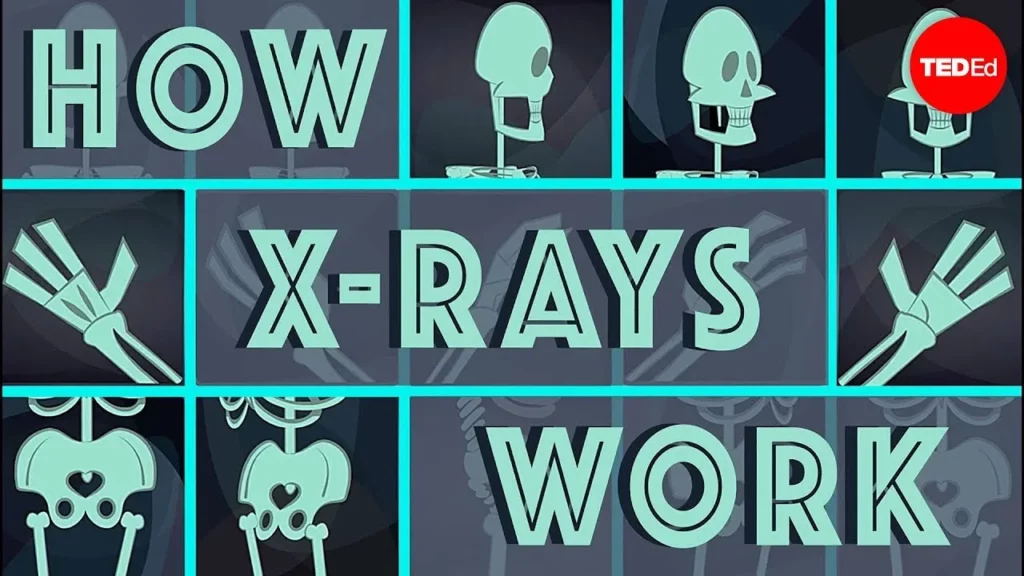
The lesson discusses the discovery and significance of X-rays, which were accidentally found by Wilhelm Roentgen in 1895 while experimenting with a cathode tube. X-rays, a form of electromagnetic radiation, allow for non-invasive imaging of internal structures, particularly in medicine, where they are used to diagnose various conditions. The lesson also highlights the limitations of traditional X-ray images and the advancements brought by CT scans, which provide detailed cross-sectional views of the body, enhancing diagnostic capabilities and revolutionizing medical practices.
How to grow a bone – Nina Tandon
In the lesson “How to Grow a Bone” by Nina Tandon, the process of natural bone development is explored, highlighting how bones transition from cartilage to a mineral lattice structure that is reinforced through stress, as described by Wolff’s Law. The lesson discusses the limitations of traditional bone repair methods and introduces innovative techniques for growing bones using a patient’s own stem cells, which are cultivated in a bioreactor to create living bone structures that can potentially revolutionize bone repair and replacement in the future.
The incredible history of China’s terracotta warriors – Megan Campisi and Pen-Pen Chen
The lesson explores the fascinating history of China’s Terracotta Warriors, created by Emperor Qin Shi Huangdi as part of his elaborate preparations for the afterlife. After uniting China and becoming its first emperor, Qin sought to ensure his immortality by constructing a vast underground army of over 8,000 life-size clay soldiers, along with various figures representing different aspects of life. The discovery of these warriors in 1974 not only highlights Qin’s ambition but also reflects broader cultural practices regarding death and the afterlife across different civilizations.
History vs. Genghis Khan – Alex Gendler
The lesson “History vs. Genghis Khan” explores the duality of Genghis Khan’s legacy as both a brutal conqueror and a unifier who significantly shaped the modern world. While his military campaigns resulted in widespread destruction and loss of life, they also led to positive societal changes, such as increased rights for women and the promotion of trade and cultural exchange along the Silk Road. Ultimately, the lesson prompts reflection on the complexities of historical figures and the lasting impact of their actions on future generations.
How to use a semicolon – Emma Bryce
The lesson on semicolons explains their essential roles in writing, highlighting their ability to clarify complex sentences, organize lists, and link related independent clauses. It emphasizes the importance of using semicolons correctly by adhering to specific rules, such as only connecting related clauses and avoiding their use before coordinating conjunctions. Ultimately, mastering the semicolon can enhance clarity and style in writing.
How do pregnancy tests work? – Tien Nguyen

The lesson explores the evolution of pregnancy tests, starting from ancient Egyptian methods using seeds to modern tests that detect the hormone HCG in urine. It explains how contemporary tests work through a series of zones that utilize antibodies and enzymes to produce visible results, while also addressing the accuracy and potential limitations of these tests. Overall, it highlights the scientific principles behind pregnancy testing and the advancements that have made it a quick and reliable process.
Inside the minds of animals – Bryan B Rasmussen
The lesson “Inside the Minds of Animals” by Bryan B Rasmussen explores the complexities of animal thinking and intelligence, challenging traditional views that separate human reasoning from animal instinct. It highlights how recent studies demonstrate that many animals exhibit problem-solving abilities and social understanding, suggesting a form of intelligence that may be more advanced than previously thought. Ultimately, the lesson raises profound questions about consciousness and the subjective experiences of animals, emphasizing the difficulty of truly understanding what it is like to be another creature.