
Where did English come from? – Claire Bowern
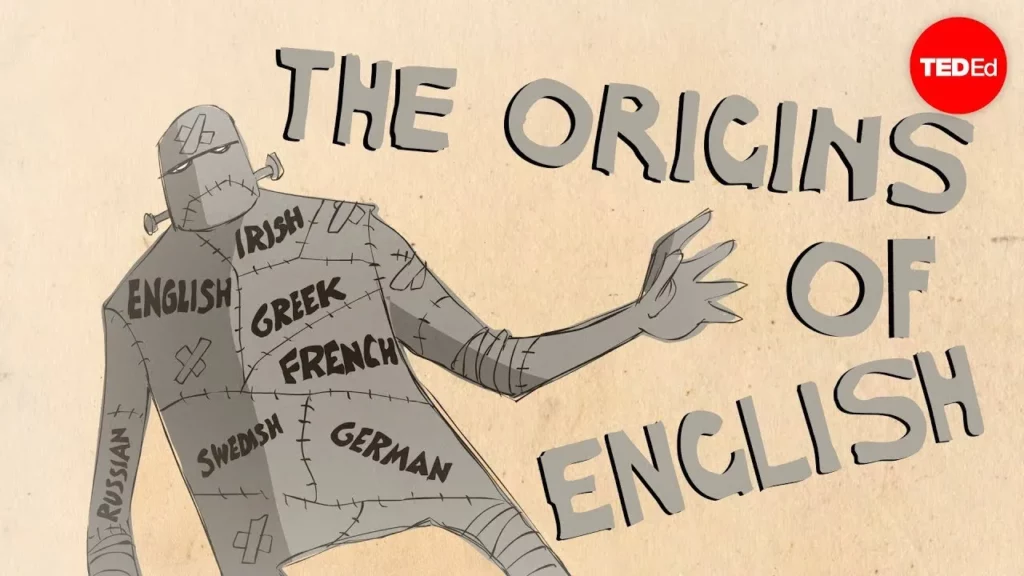
The lesson “Where Did English Come From?” by Claire Bowern explores the complex evolution of the English language, highlighting its roots in Old English and its connections to various dialects and languages, including Germanic, Romance, and Old Norse. It traces the language’s development from Proto-Germanic and Proto-Indo-European, emphasizing the influence of historical events like the Norman invasion on English vocabulary. Ultimately, the lesson reveals the intricate tapestry of linguistic history that has shaped modern English, reflecting a journey spanning thousands of years.
The scientific origins of the Minotaur – Matt Kaplan
The lesson explores the scientific origins of the Minotaur myth, suggesting that ancient stories were created to explain the natural phenomena experienced by early civilizations, particularly in Crete, which is prone to earthquakes due to its geological location. It compares the destructive earthquakes of Crete, which may have inspired the chaotic imagery of the Minotaur, with Hawaii’s volcanic eruptions that lead to new life and are reflected in the mythology of Pele. Ultimately, the lesson highlights the interplay between mythology and science in understanding the world.
The Akune brothers: Siblings on opposite sides of war – Wendell Oshiro
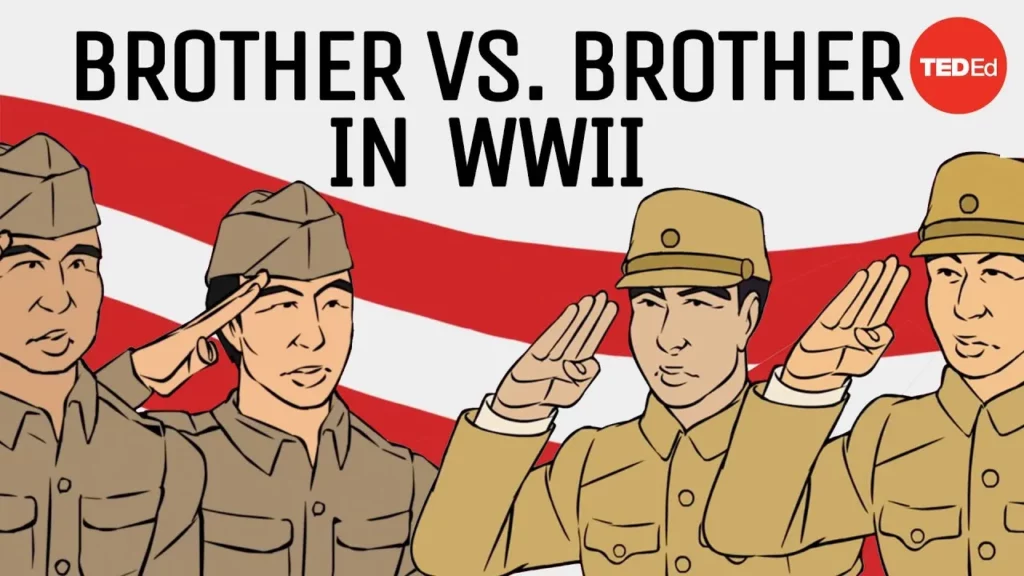
The lesson of “The Akune Brothers: Siblings on Opposite Sides of War” explores the profound impact of World War II on the Akune family, who faced division due to their identities and loyalties. After being interned as Japanese Americans despite their citizenship, brothers Harry and Ken served in the U.S. Army to prove their loyalty, while their younger siblings fought for Japan, leading to a poignant family reunion post-war. This story underscores themes of discrimination, the complexities of national identity, and the resilience of immigrant families in the face of adversity.
When to use apostrophes – Laura McClure
This lesson provides a clear and engaging overview of the uses of apostrophes in English, focusing on three main functions: indicating possession, forming contractions, and pluralizing single letters. It highlights common confusions, such as the distinction between “its” and “it’s,” and offers examples to illustrate how apostrophes can change meanings in sentences. With practice, learners can master the use of apostrophes and enhance their writing skills.
Solid, liquid, gas and … plasma? – Michael Murillo
This lesson explores plasma, the fourth state of matter that constitutes about 99.9% of the universe, alongside solids, liquids, and gases. It explains how plasma forms from gases when subjected to high temperatures, resulting in a mixture of charged particles that behave differently from other states of matter, particularly in response to electric and magnetic fields. The lesson also highlights the practical applications of plasma in everyday life, including its uses in technology, healthcare, and potential solutions for environmental challenges.
Who am I? A philosophical inquiry – Amy Adkins
The lesson “Who Am I? A Philosophical Inquiry” explores the intricate nature of identity through historical perspectives and philosophical paradoxes, particularly the Ship of Theseus. It raises fundamental questions about the continuity of self amidst constant change, prompting reflection on what constitutes our identity—whether it be our physical form, thoughts, or experiences. Ultimately, the lesson encourages a deeper understanding of self through the lens of philosophical inquiry, suggesting that identity is both complex and dynamic.
The physics of playing guitar – Oscar Fernando Perez
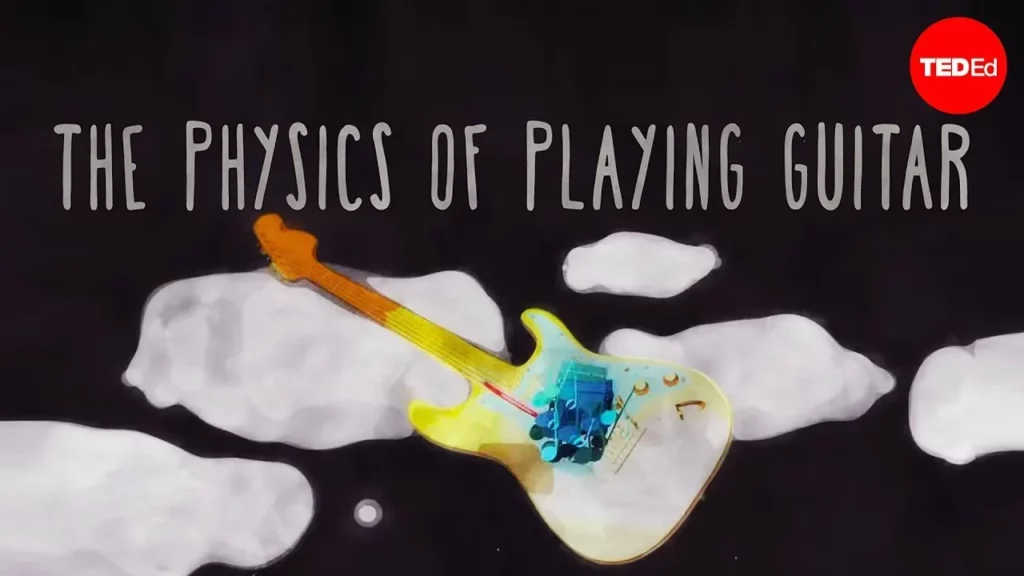
The lesson “The Physics of Playing Guitar” by Oscar Fernando Perez explores how sound is produced by a guitar through the principles of physics, particularly focusing on vibrations and standing waves generated by plucked strings. It explains how factors like string length, tension, density, and thickness influence pitch and frequency, and how the combination of fundamental frequencies and overtones creates the rich sounds associated with guitar music. Additionally, the lesson touches on the design of guitars, the creation of chords and sound effects, and even draws a fascinating connection to the universe’s harmonic nature.
Buffalo buffalo buffalo: One-word sentences and how they work – Emma Bryce
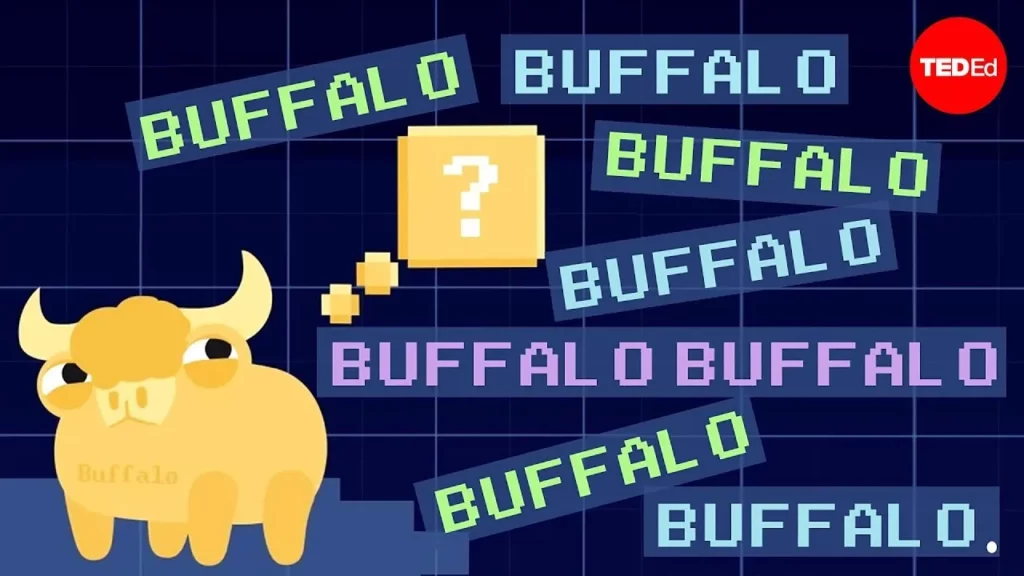
This lesson explores the concept of lexical ambiguity, demonstrating how words can have multiple meanings that create complex and playful sentences. Using examples like “Buffalo buffalo buffalo” and “Can-can can-can,” it illustrates how context and word usage can lead to humorous yet meaningful interpretations. Understanding these ambiguities enhances our communication skills and appreciation for the intricacies of language.
What happens when continents collide? – Juan D. Carrillo
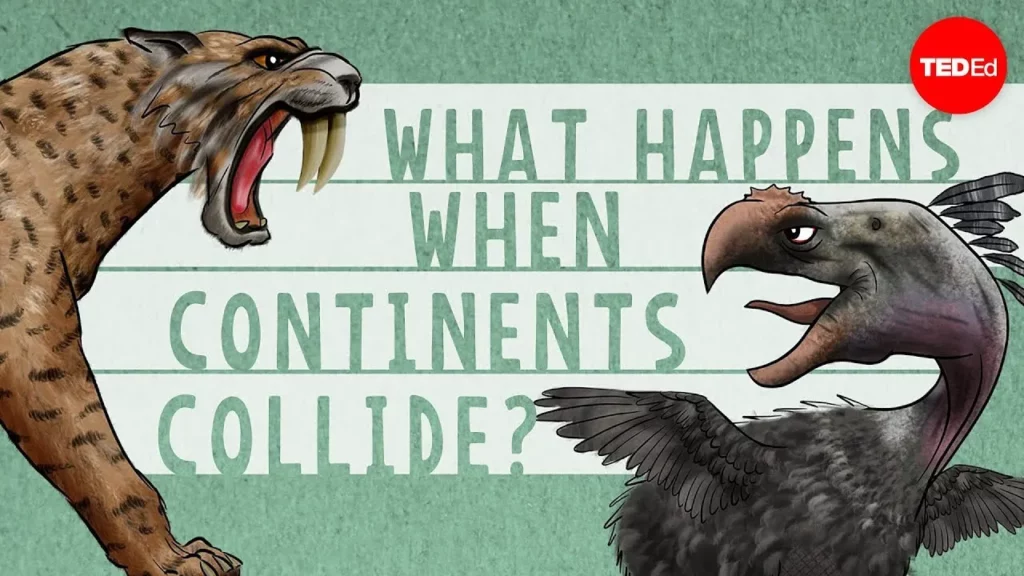
The lesson explores the significant geological and ecological impact of the collision between North and South America, driven by plate tectonics. This event, which created a land bridge between the continents, facilitated the Great American Biotic Interchange, allowing for the migration of various animal and plant species and leading to profound changes in ecosystems and marine environments. Ultimately, the lesson highlights how slow geological processes can lead to lasting transformations in biodiversity and climate on Earth.
A poetic experiment: Walt Whitman, interpreted by three animators – Justin Moore
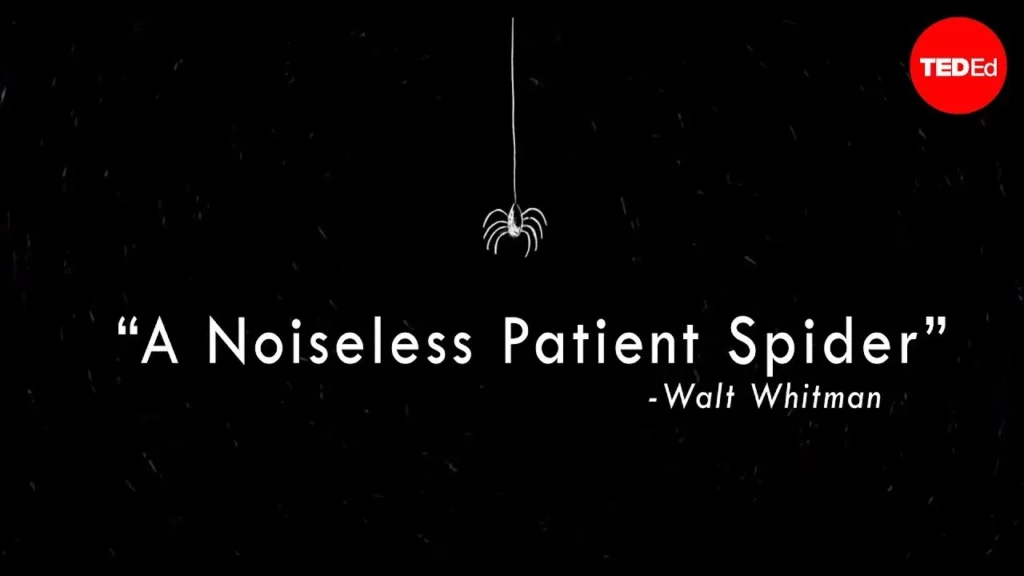
The lesson explores the creative interpretations of Walt Whitman’s poem “A Noiseless Patient Spider” by three different animators, each utilizing distinct artistic mediums—paint on glass, video, and scratchboard. Through their unique approaches, the animators vividly illustrate the poem’s themes of connection, exploration, and the soul’s quest for meaning, highlighting the diverse ways art can convey complex emotions and ideas. This experiment emphasizes the richness of artistic expression and encourages reflection on personal journeys and connections in life.