
Could we actually live on Mars? – Mari Foroutan
The lesson explores the challenges and considerations of potentially living on Mars, highlighting the need for essential resources like air, food, and water, as well as the harsh environmental conditions such as cold, radiation, and dust storms. It discusses the planet’s unique geography, including its desert-like terrain, notable landmarks like Olympus Mons and Valles Marineris, and the historical presence of water, which could have drastically changed the landscape. Ultimately, it invites curiosity and adventure for those contemplating a future on the Red Planet.
How smart are dolphins? – Lori Marino
The lesson explores the remarkable intelligence of dolphins, highlighting their complex social structures, advanced communication skills, and ability to demonstrate empathy and self-awareness. Through examples of cooperative hunting, cultural transmission of behaviors, and their understanding of language, the lesson emphasizes that dolphins possess cognitive abilities that rival those of humans. Ultimately, it challenges us to reflect on our treatment of these intelligent creatures and the ethical implications of our actions towards them.
The ancient origins of the Olympics – Armand D’Angour
The lesson explores the ancient origins of the Olympic Games, which began in 776 BC in Olympia, Greece, as a festival honoring Zeus and evolved into a significant cultural event that included various athletic and artistic competitions. It highlights the spirit of competition valued by the Ancient Greeks, the introduction of diverse events over time, and notable champions like Coroebus and Orsippus. The lesson concludes with the revival of the Olympics in 1896 and their modern significance, emphasizing the celebration of human achievement through the motto “Citius, Altius, Fortius.”
How misused modifiers can hurt your writing – Emma Bryce
The lesson emphasizes the importance of correctly placing modifiers in sentences to avoid confusion and misinterpretation. Misplaced, dangling, and squinting modifiers can obscure meaning, leading to sentences that are unclear or misleading. By rearranging or clarifying modifiers, writers can enhance the clarity and effectiveness of their communication.
Do animals have language? – Michele Bishop
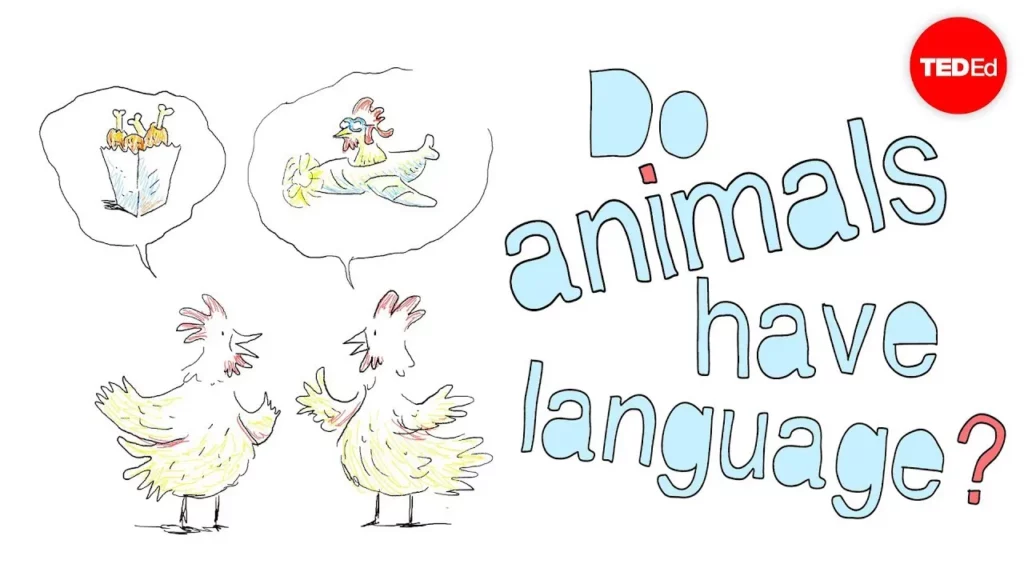
The lesson explores the concept of animal communication and whether it qualifies as language similar to human language. While many animals, such as crabs, cuttlefish, and honeybees, exhibit unique communication methods, they generally lack the key features of language—discreteness, grammar, productivity, and displacement. Although some animals, like great apes and dolphins, demonstrate certain language-like traits, none possess the full complexity of human language, which allows for infinite expression and the discussion of abstract concepts.
When to use “me”, “myself” and “I” – Emma Bryce
This lesson explains the correct usage of the pronouns “me,” “myself,” and “I.” “I” is used as a subject pronoun when you are performing an action, while “me” serves as an object pronoun when you are receiving an action. “Myself” is a reflexive pronoun used when you are both the subject and object of the action or for emphasis, ensuring clarity in your sentences.
The mathematical secrets of Pascal’s triangle – Wajdi Mohamed Ratemi

Pascal’s Triangle is a remarkable mathematical structure that reveals numerous patterns and applications, including binomial coefficients, powers of two, and geometric shapes like triangular and tetrahedral numbers. It serves as a valuable tool in combinatorics and probability, allowing for practical problem-solving, such as calculating family probabilities or team combinations. The ongoing exploration of its properties continues to uncover new mathematical insights, highlighting the triangle’s enduring significance in mathematics.
What happens when your DNA is damaged? – Monica Menesini
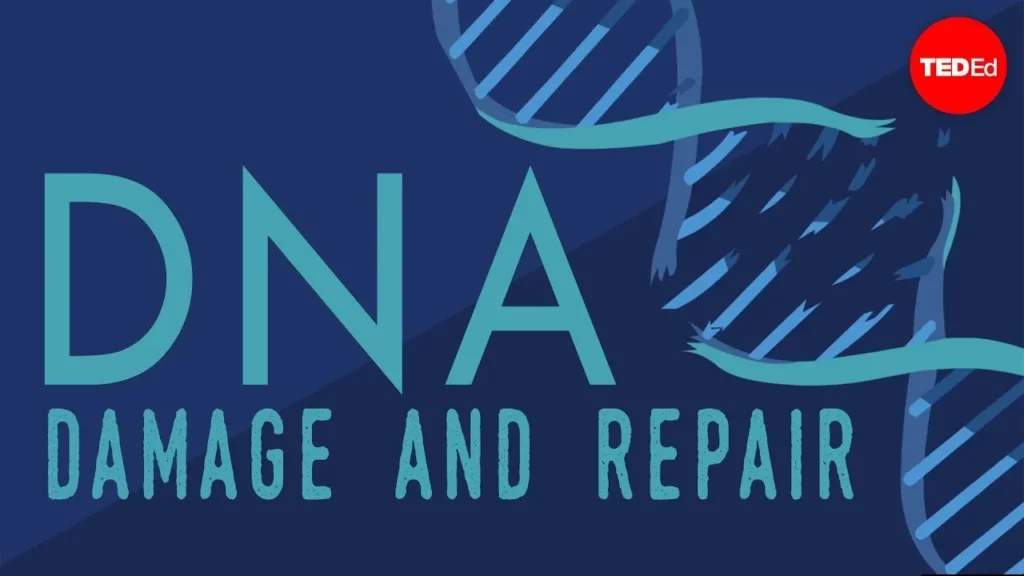
The lesson explains the frequent DNA damage that occurs in our cells daily, highlighting the various types of errors, such as base mismatches and strand breaks, and the sophisticated repair mechanisms that cells employ to correct these issues. It emphasizes the importance of DNA stability for health and evolution, noting that while some mutations can be beneficial, defects in repair processes are associated with aging and cancer. Overall, the lesson underscores the critical role of DNA repair in maintaining cellular function and overall well-being.
The treadmill’s dark and twisted past – Conor Heffernan
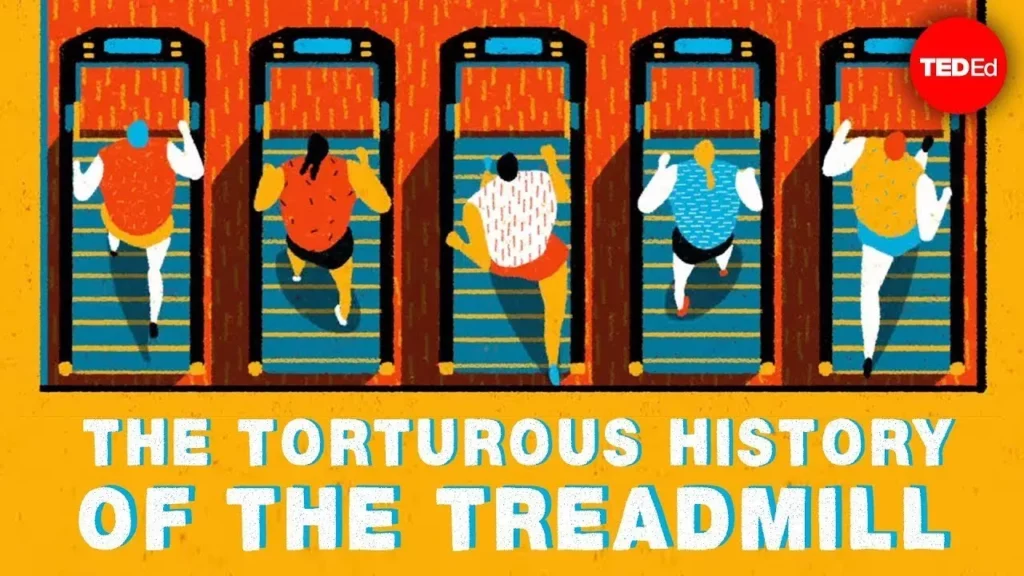
The lesson explores the surprising history of treadmills, originally invented in the 1800s as a form of punishment for prisoners. Designed by Sir William Cubitt, these machines forced inmates to walk on a large paddle wheel for hours, contributing to their exhaustion and suffering. Over time, societal views shifted, leading to the ban of treadmills in prisons by the late 19th century, but they later re-emerged as popular exercise equipment in the 20th century, highlighting a dramatic transformation from punishment to fitness.
How memories form and how we lose them – Catharine Young
The lesson explores how memories are formed and lost, highlighting the processes involved in transferring information from short-term to long-term memory through neural connections. It discusses factors that contribute to memory loss, such as aging, chronic stress, and depression, while also emphasizing the importance of attention and meaningful engagement in memory retention. Additionally, the lesson offers strategies for preserving memory, including physical activity, a balanced diet, and cognitive challenges.