
A curable condition that causes blindness – Andrew Bastawrous
The lesson discusses cataracts, a leading cause of blindness affecting around 20 million people globally, primarily due to aging and various risk factors. It outlines the historical evolution of cataract treatment, from ancient methods to modern surgical techniques involving artificial lenses, which have significantly improved outcomes. Despite advancements, access to cataract surgery remains a challenge in many regions, emphasizing the importance of community awareness and education to combat this curable condition.
What “Orwellian” really means – Noah Tavlin
The lesson explores the true meaning of “Orwellian,” derived from George Orwell’s critique of totalitarianism in his novel *1984*. It emphasizes that while the term is often associated with authoritarian regimes, Orwell’s deeper concerns lie in the manipulation of language and thought, warning against how propaganda and distorted language can undermine critical thinking and democratic values. Ultimately, the lesson highlights the importance of language in shaping our perceptions and the need to be vigilant against its misuse in both authoritarian and democratic contexts.
Can you solve the prisoner hat riddle? – Alex Gendler
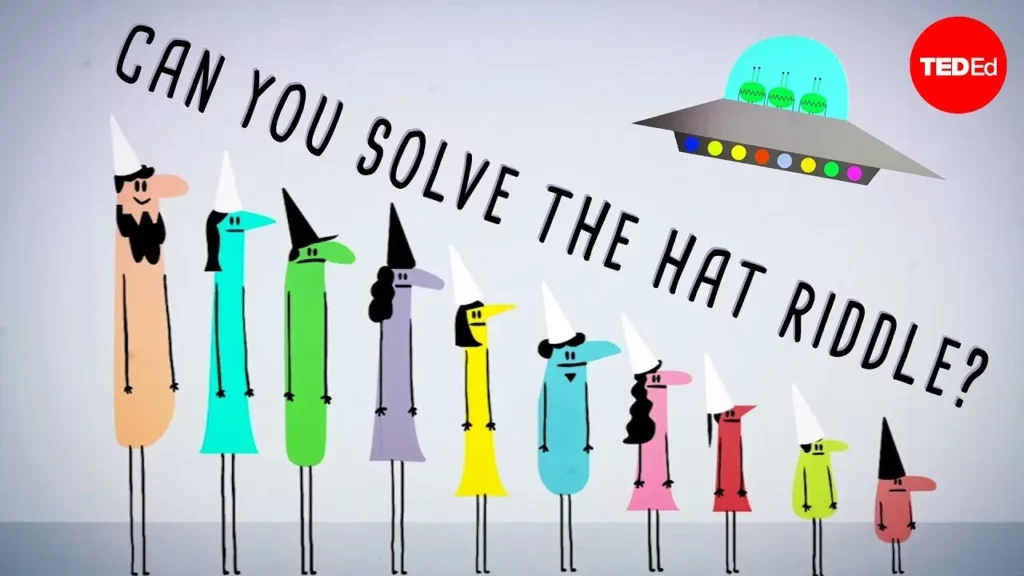
In the “Prisoner Hat Riddle,” ten individuals must guess the color of their hats, which are either black or white, while standing in a line where each can only see the hats in front of them. The key to solving the riddle lies in the first person’s guess, which communicates whether the number of black hats they see is odd or even, allowing the subsequent individuals to deduce their own hat colors based on this information. This clever strategy emphasizes the importance of teamwork and logical reasoning in overcoming challenges.
Where does gold come from? – David Lunney
The lesson explores the origins of gold, tracing its cosmic beginnings to supernova explosions that create heavy elements, including gold, in the universe. It explains how gold eventually made its way to Earth through stellar debris and highlights the challenges of producing gold artificially, as well as the potential for future gold sources beyond our planet. Overall, it emphasizes the rarity and value of gold, both in its natural form and in the context of human endeavors to create or find more.
The race to sequence the human genome – Tien Nguyen
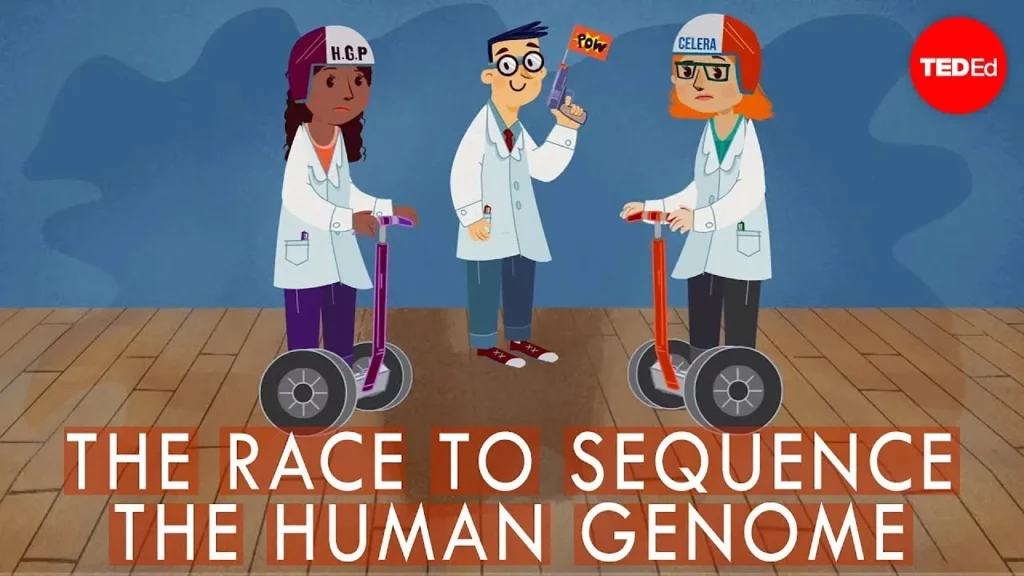
The lesson discusses the monumental effort of the Human Genome Project, initiated in 1990 to sequence the entire human genome, and the unexpected competition from a private company that aimed to complete the task more quickly and cheaply. Both entities employed different strategies—hierarchical shotgun sequencing by the Human Genome Project and whole genome shotgun sequencing by the private company—but ultimately, they published working drafts of over 90% of the genome in February 2001, marking a significant milestone in genetic research. The project’s commitment to data sharing fostered international collaboration and laid the groundwork for advancements in genomics, although challenges in understanding gene functions remain.
Where did Russia come from? – Alex Gendler
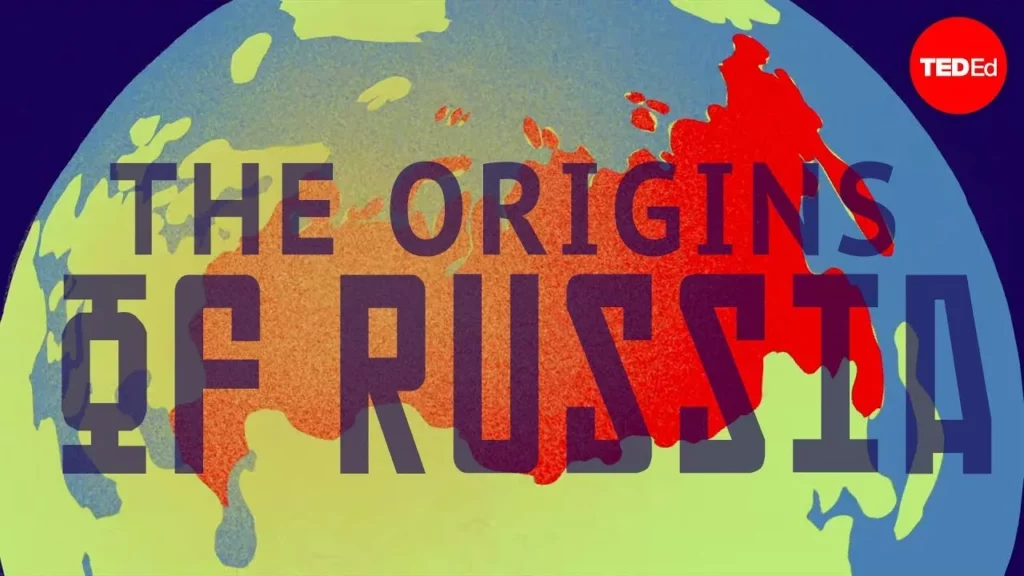
The lesson “Where Did Russia Come From?” explores the origins of Russia, tracing its development from early Slavic tribes through the establishment of Kievan Rus by Viking rulers. It highlights the complex relationships with neighboring empires, the significant conversion to Orthodox Christianity under Prince Vladimir I, and the eventual decline of Kievan Rus due to internal strife and external invasions, particularly by the Mongols. The legacy of Kievan Rus is seen in the diverse cultures and societies that emerged in its former territories, influencing the region’s history and identity.
Why do women have periods?
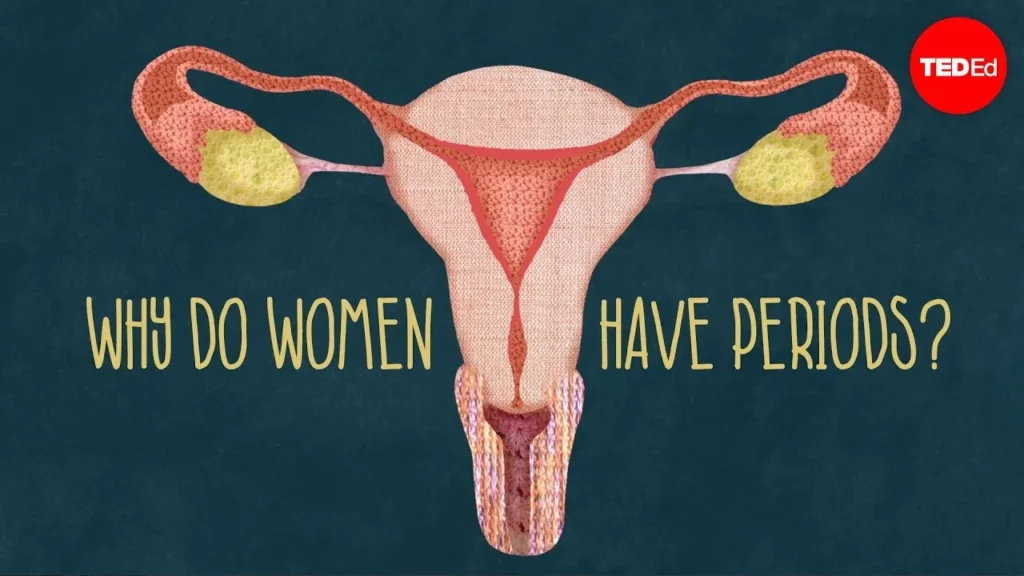
The lesson explains the biological purpose of menstruation in women, highlighting its connection to pregnancy and the body’s efforts to maintain a healthy environment for potential embryos. Menstruation serves as a mechanism for the body to shed the uterine lining and any non-viable embryos, ensuring that only the healthiest ones can implant and develop, thus playing a crucial role in reproductive health and the continuation of the species.
How a few scientists transformed the way we think about disease – Tien Nguyen
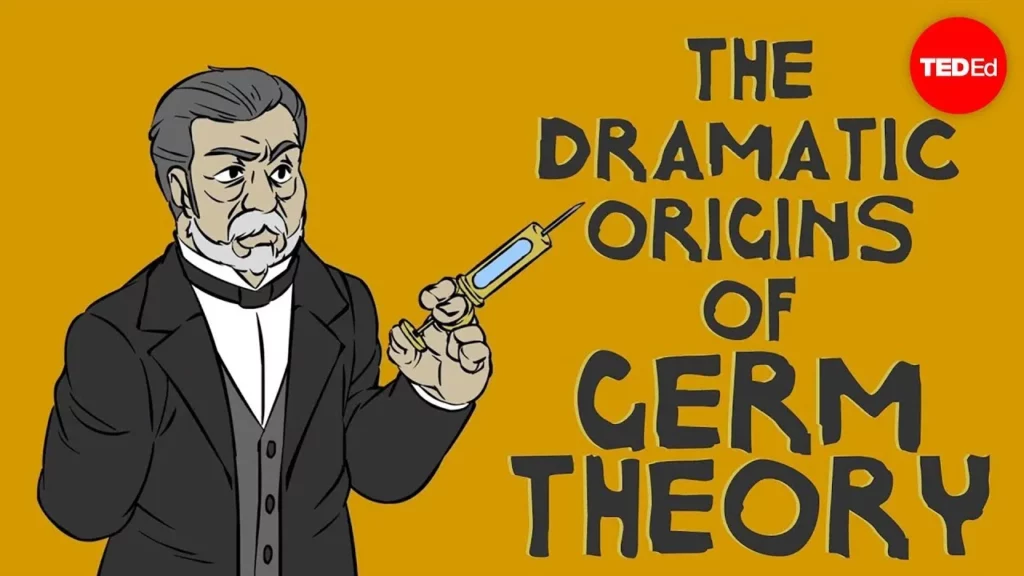
The lesson explores the transition from the miasma theory, which attributed diseases to harmful vapors, to germ theory, which identified microorganisms as the true cause of illnesses. Key figures like Dr. John Snow played a crucial role in this shift by investigating cholera outbreaks and demonstrating that contaminated water, rather than air, was responsible for the disease. Their groundbreaking work laid the foundation for modern public health practices and highlights the importance of questioning established beliefs in science.
How stress affects your body – Sharon Horesh Bergquist
The lesson on “How Stress Affects Your Body” highlights the physical and psychological impacts of stress, emphasizing that while short-term stress can be beneficial, chronic stress poses significant health risks. It explains the physiological responses to stress, including hormonal changes that can lead to cardiovascular issues, digestive problems, weight gain, and a weakened immune system. The lesson concludes by stressing the importance of managing stress effectively to promote overall health and longevity.
How computers translate human language – Ioannis Papachimonas
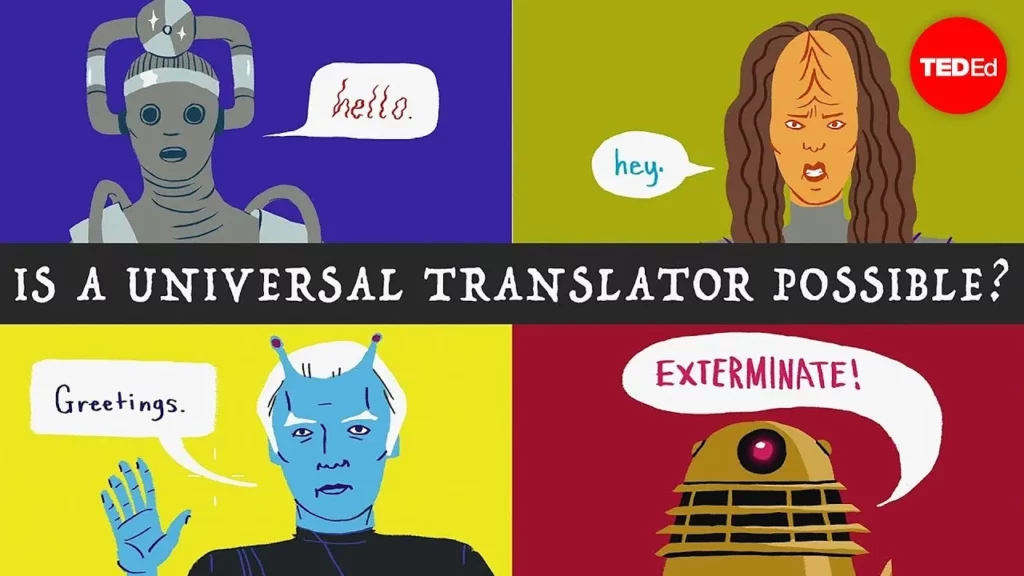
The lesson explores the concept of language translation, highlighting the fictional idea of universal translators in movies and comparing it to real-life translation programs. While these programs utilize rule-based systems and statistical methods to translate languages, they face challenges due to the complexities and nuances of human language that computers struggle to grasp. Ultimately, while technology is advancing, traditional language learning remains more effective for understanding the subtleties of communication.