
How do hard drives work? – Kanawat Senanan
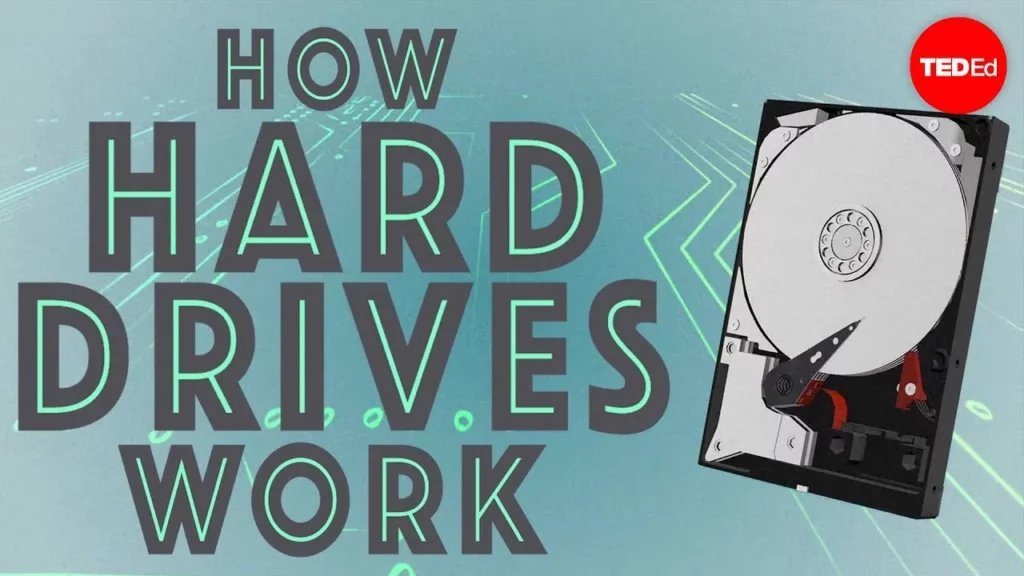
This lesson explains the intricate workings of hard drives, which utilize rapidly spinning discs coated with magnetized metal grains to store vast amounts of data in a compact form. Data is written and read through the manipulation of these grains’ magnetization, with innovations in technology allowing for significant increases in storage capacity and efficiency. The lesson also discusses challenges such as the superparamagnetic effect and future advancements like heat-assisted magnetic recording and bit-patterned media, which promise even greater data densities.
Group theory 101: How to play a Rubik’s Cube like a piano – Michael Staff
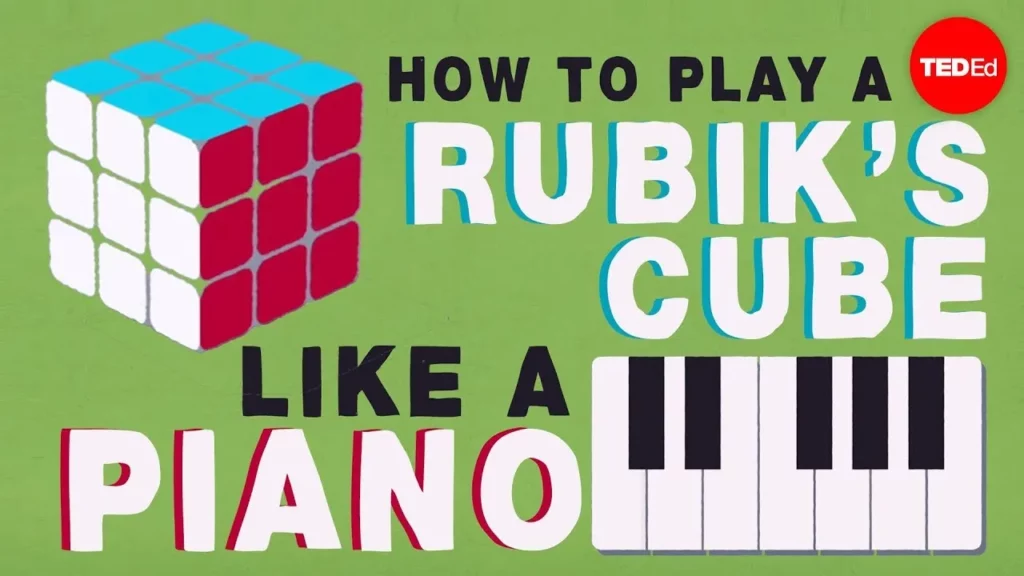
The lesson “Group Theory 101: How to Play a Rubik’s Cube Like a Piano” explores the connections between group theory in mathematics and the mechanics of solving a Rubik’s Cube, illustrating how the cube’s operations adhere to specific mathematical axioms. It highlights how these principles not only apply to puzzles but also to music, where chord inversions can be understood through the same group theory framework, allowing for a creative interpretation of solving the cube as a musical progression. Ultimately, the lesson emphasizes the interdisciplinary nature of group theory, bridging mathematics, puzzles, and music.
How mucus keeps us healthy – Katharina Ribbeck
Mucus plays a crucial role in maintaining our health by protecting delicate tissues, trapping harmful substances, and managing the balance of bacteria in our bodies. Composed mainly of water and mucins, it acts as a barrier against infections and helps flush out harmful microbes. Despite its often unpleasant reputation, mucus is essential for lubricating, cleaning, and defending our bodies from disease.
How stress affects your brain – Madhumita Murgia
The lesson discusses the detrimental effects of chronic stress on the brain, highlighting how it can alter brain structure and function, particularly by increasing cortisol levels that damage areas responsible for memory and decision-making. It also emphasizes the influence of stress on genetic expression, illustrating how early experiences can affect stress sensitivity in future generations. To mitigate these negative impacts, the lesson suggests engaging in exercise and meditation as effective strategies for reducing stress and promoting brain health.
The science behind the myth: Homer’s “Odyssey” – Matt Kaplan
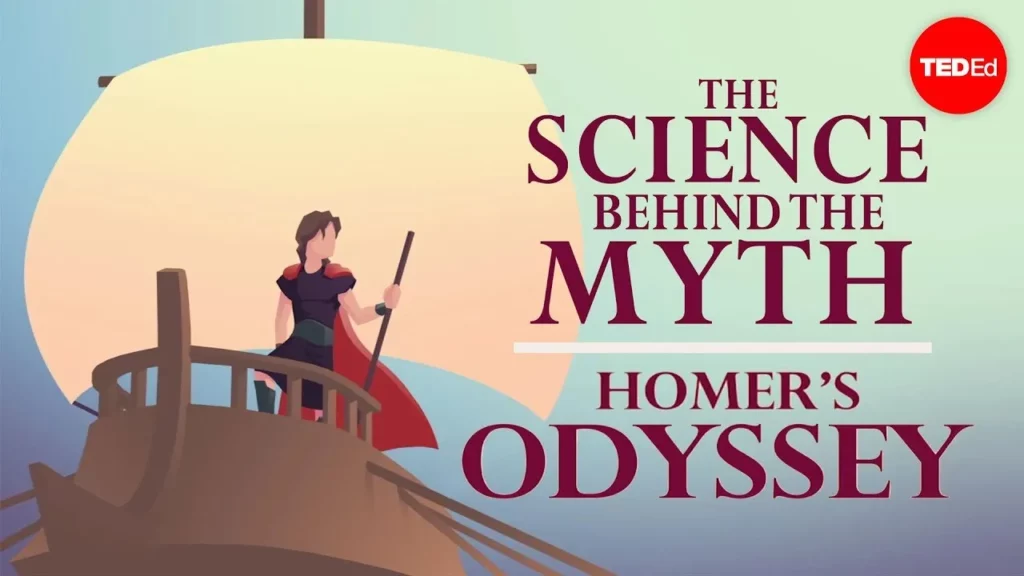
The lesson explores the intersection of mythology and science in Homer’s “Odyssey,” particularly focusing on the episode involving Circe, a sorceress who transforms Odysseus’s crew into animals. Recent scientific investigations suggest that the mythical elements, such as the use of herbs and drugs, may have roots in real plants with psychoactive properties, like Jimson weed and snowdrop, which could explain the experiences described in the tale. Ultimately, the lesson posits that ancient myths may contain kernels of truth that reflect historical knowledge and experiences, blending imagination with reality.
Would you opt for a life with no pain? – Hayley Levitt and Bethany Rickwald
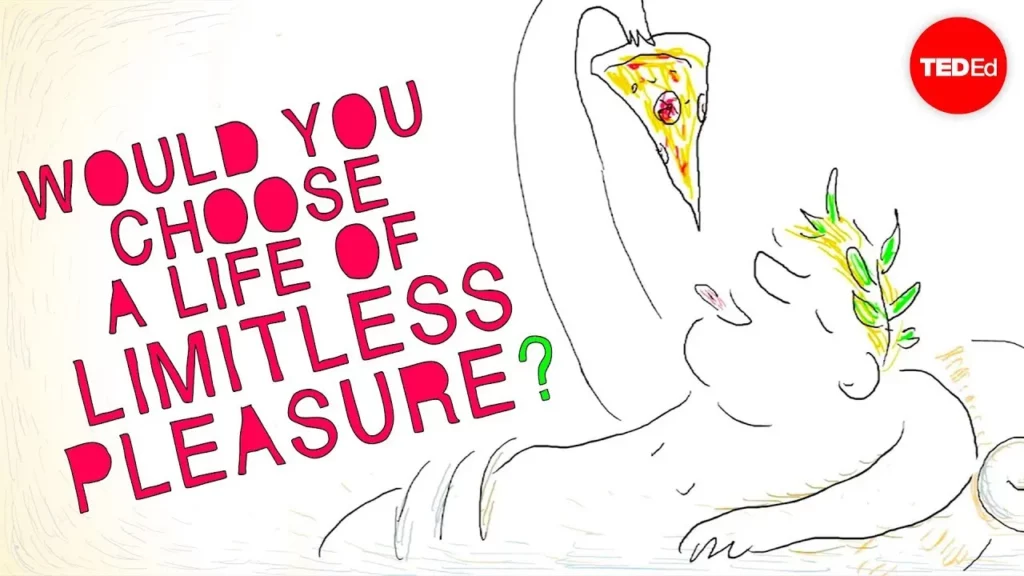
The lesson explores philosopher Robert Nozick’s thought experiment, the Experience Machine, which poses the question of whether one would choose a life of endless pleasure devoid of pain. While hedonism suggests that maximizing pleasure is the ultimate goal, Nozick argues that life encompasses more than just pleasure, highlighting the importance of truth, authenticity, and genuine experiences. Through the example of Betsy, who is blissfully unaware of her partner’s betrayal, the lesson encourages reflection on the value of real-life experiences, even with their inherent challenges.
How exposing anonymous companies could cut down on crime – Global Witness
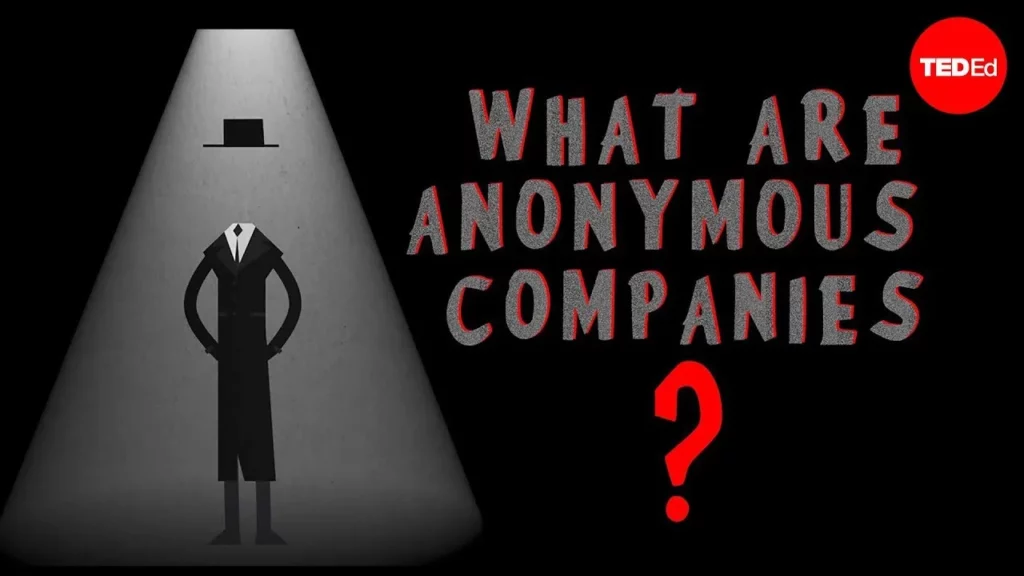
The lesson discusses the prevalence and risks associated with anonymous companies, which are often established in jurisdictions that allow minimal disclosure of ownership. These entities can facilitate various forms of economic crime, including tax evasion and money laundering, by obscuring the identities of their owners. Efforts to increase transparency and accountability are underway, but achieving international cooperation remains a significant challenge, as many governments benefit from the existence of these companies.
Why the octopus brain is so extraordinary – Cláudio L. Guerra
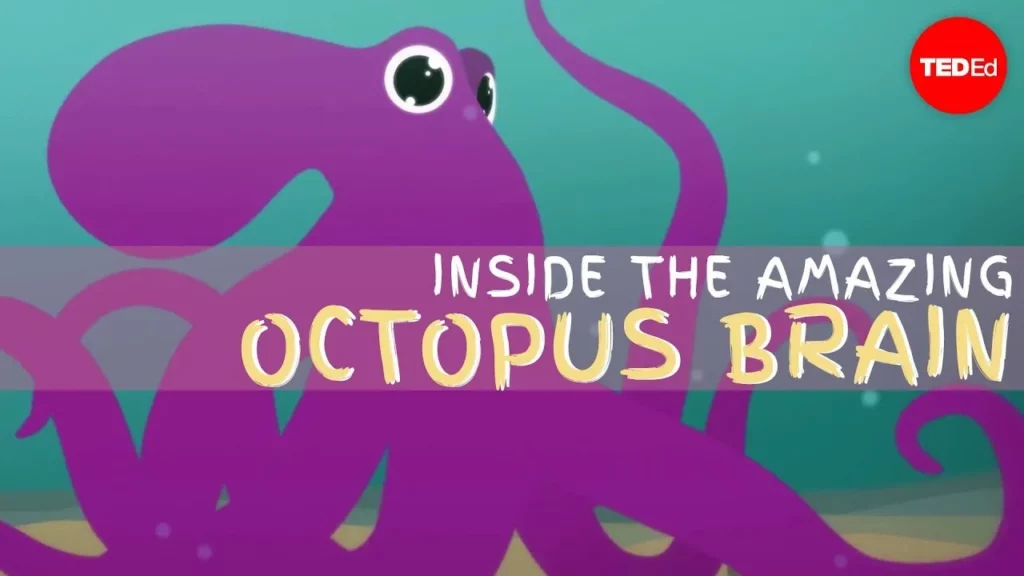
The lesson explores the extraordinary intelligence of octopuses, highlighting their unique brain structure and nervous system, which differs significantly from that of humans. With a brain-to-body ratio similar to other intelligent animals and a significant portion of their neurons located in their tentacles, octopuses exhibit remarkable problem-solving abilities, tool use, and independent arm movement. This fascinating biology not only sheds light on the evolution of intelligence but also inspires advancements in robotics and our understanding of consciousness.
The ethical dilemma of self-driving cars – Patrick Lin
The lesson explores the ethical dilemmas surrounding self-driving cars, particularly in emergency situations where the vehicle must make life-and-death decisions. It raises critical questions about how these cars should be programmed—whether to prioritize passenger safety or minimize overall harm—and examines the implications of such programming choices. Additionally, it highlights the responsibilities of programmers, companies, and policymakers in shaping the ethical frameworks that govern autonomous vehicle decision-making.
History through the eyes of the potato – Leo Bear-McGuinness
The lesson “History through the Eyes of the Potato” explores the significant role that potatoes have played in shaping global history, from their origins in the Andes Mountains to their introduction in Europe and subsequent impact on population growth and food security. The potato’s journey highlights its transformation from a misunderstood plant to a staple food that supported the rise of empires and contributed to the Industrial Revolution, while also illustrating the devastating consequences of the Irish Potato Famine. Ultimately, the lesson emphasizes the profound influence of this humble tuber on historical events and societal developments.