
Forget shopping. Soon you’ll download your new clothes – Danit Peleg

The lesson discusses the transformative potential of 3D printing in the fashion industry, highlighting the speaker’s personal journey from traditional fashion design to creating garments using home 3D printers. Through experimentation with various materials and technologies, the speaker envisions a future where individuals can easily design, customize, and print their own clothing at home, similar to how music has transitioned from physical formats to digital downloads. This innovation promises not only convenience but also personalized fashion that fits individual measurements perfectly.
How do we know what color dinosaurs were? – Len Bloch
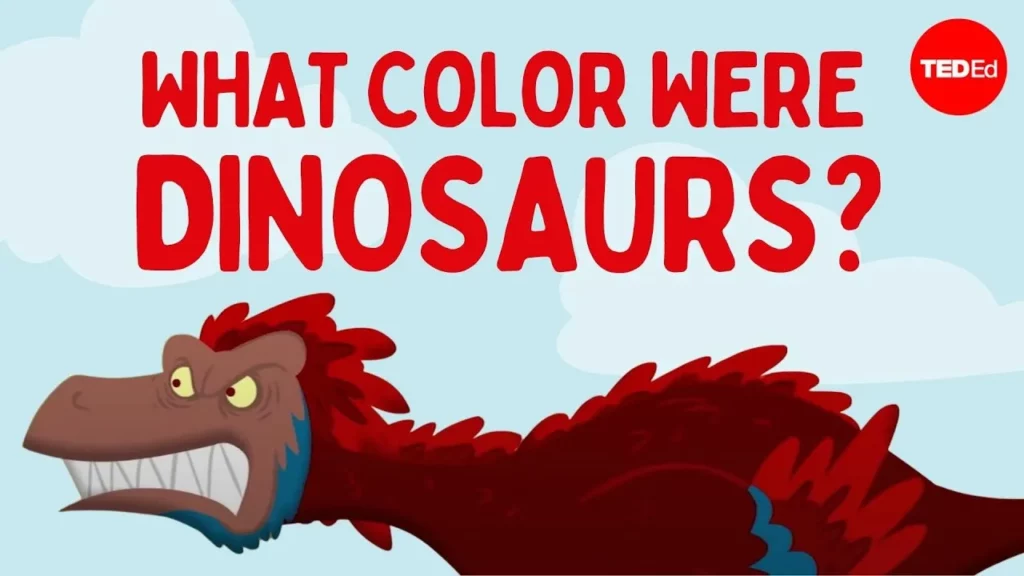
The lesson explores how scientists determine the colors of dinosaurs, specifically the Microraptor, by examining fossilized feathers and their microscopic structures called melanosomes. By analyzing these structures and their arrangement, researchers can infer the colors and patterns of the feathers, revealing that the Microraptor likely had iridescent black feathers similar to those of modern birds. This research not only enhances our understanding of dinosaur appearance but also informs us about their behavior and environment, challenging popular portrayals in media.
The surprising (and invisible) signatures of sea creatures – Kakani Katija
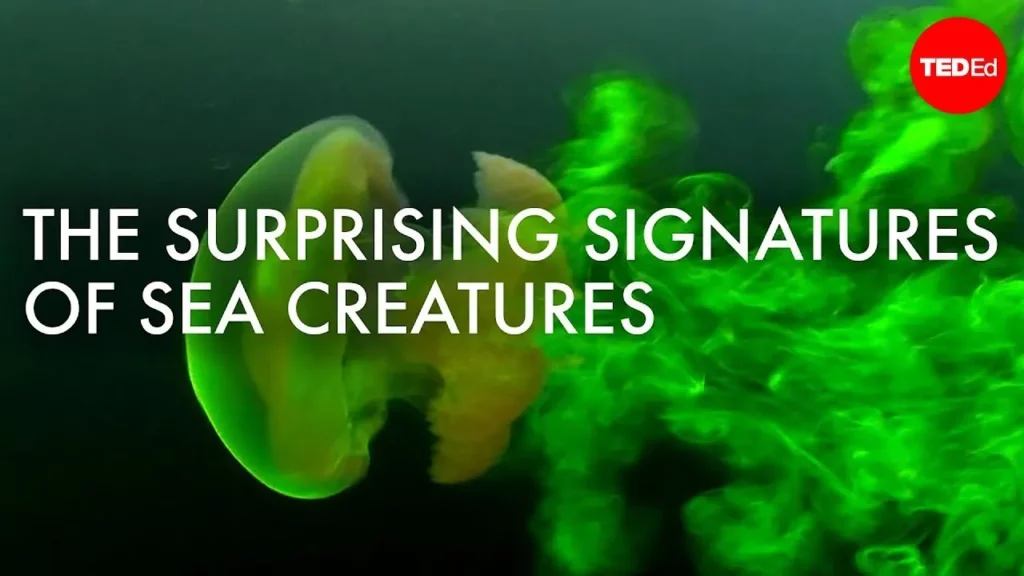
In this lesson, bioengineer Kakani Katija explores the hidden hydrodynamic signatures left by marine organisms, which provide insights into their behavior and interactions within the ocean. By utilizing innovative techniques, such as a compact device for measuring these signatures and conducting nighttime dives, researchers can visualize and analyze the movement of particles in water. The study highlights the significant role marine life plays in ocean mixing and emphasizes the potential for nature-inspired technologies in future ocean exploration.
How do carbohydrates impact your health? – Richard J. Wood

This lesson explores the impact of carbohydrates on health, highlighting the differences between simple and complex carbohydrates, as well as the roles of starch and fiber in digestion. It emphasizes the importance of understanding glycemic index and insulin sensitivity, noting that excessive carbohydrate consumption can lead to insulin resistance and increase the risk of metabolic syndrome. To promote better health, the lesson encourages making informed dietary choices by opting for foods with lower glycemic indexes and higher fiber content.
How statistics can be misleading – Mark Liddell
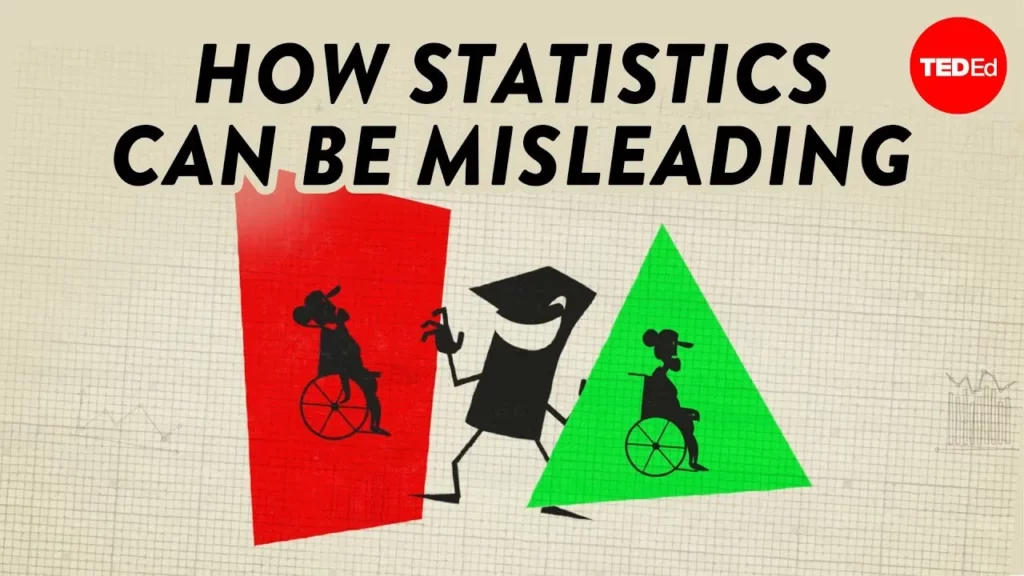
The lesson emphasizes the persuasive power of statistics while highlighting their potential to mislead due to factors like Simpson’s paradox, where aggregated data can obscure significant trends when not properly categorized. Through examples involving hospital survival rates and real-world studies, it illustrates how understanding the context and lurking variables behind the data is crucial for accurate interpretation. Ultimately, the lesson encourages critical examination of statistics to avoid being misled by oversimplified or manipulated data.
When will the next mass extinction occur? – Borths, D’Emic, and Pritchard
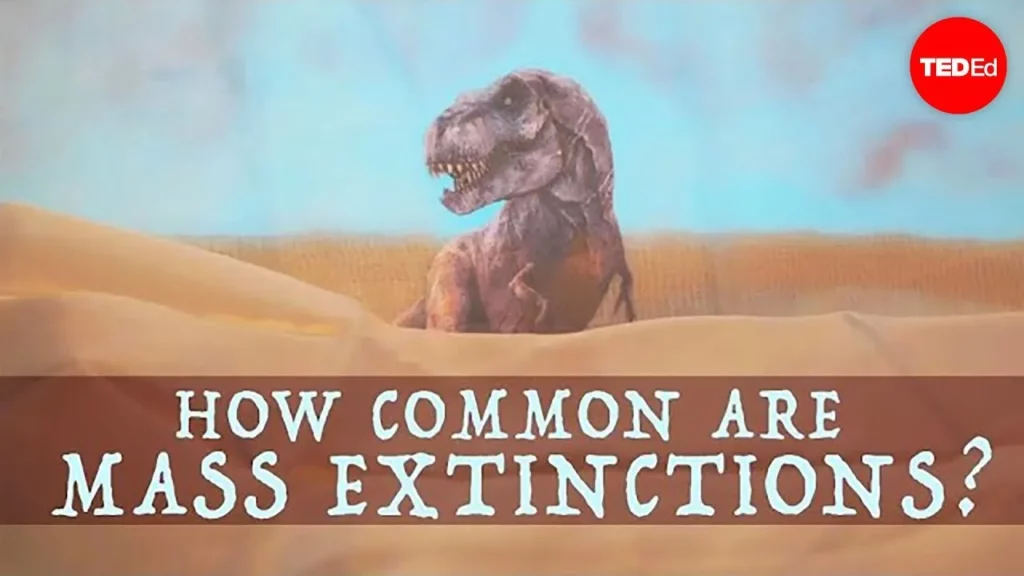
The lesson explores the history and nature of mass extinctions on Earth, highlighting significant events such as the extinction of the dinosaurs 66 million years ago and the largest mass extinction 252 million years ago, which wiped out 95% of marine species. It emphasizes that while extinctions are a natural part of ecosystem dynamics, current rates are alarmingly high due to human activities, yet humans also possess the ability to mitigate these impacts and foster biodiversity through informed actions.
How science fiction can help predict the future – Roey Tzezana
The lesson discusses how science fiction can serve as a valuable tool for predicting and imagining the future, highlighting the role of futurists who analyze societal trends to inform decision-making. It emphasizes the limitations of traditional predictions, illustrating how groundbreaking technologies can seem incomprehensible at first, and showcases examples of science fiction writers who have accurately envisioned future innovations. By encouraging innovative thinking and exploring various possibilities, science fiction helps us prepare for a future that may appear magical or unimaginable.
Why certain naturally occurring wildfires are necessary – Jim Schulz
The lesson emphasizes the essential role of naturally occurring wildfires in forest ecosystems, illustrating how they contribute to the survival and growth of certain tree species, such as lodgepole pines. While wildfires can appear destructive, they facilitate the release of seeds and enrich the soil, promoting new growth and maintaining ecological balance. Understanding this natural process helps us appreciate the necessity of fire in sustaining healthy forests and informs practices like controlled burns to prevent larger, uncontrollable wildfires.
History vs. Napoleon Bonaparte – Alex Gendler
The lesson explores the complex legacy of Napoleon Bonaparte, who rose to power amidst the chaos following the French Revolution. While he initially supported revolutionary ideals and implemented significant reforms, such as a new legal code and the promotion of equality, his rule also saw the restriction of women’s rights and the reinstatement of slavery. Ultimately, Napoleon’s military ambitions and quest for control over Europe led to widespread conflict and his eventual downfall, leaving a lasting impact on the continent’s political landscape.
The immortal cells of Henrietta Lacks – Robin Bulleri
The lesson on “The Immortal Cells of Henrietta Lacks” explores the origin and significance of HeLa cells, the first immortal human cell line derived from Henrietta Lacks’ tumor in 1951. These cells have revolutionized medical research, enabling breakthroughs in understanding diseases and developing vaccines, while also raising important ethical concerns regarding consent and the exploitation of Lacks’ legacy. HeLa cells continue to thrive and contribute to scientific advancements, underscoring their profound impact on modern medicine.