
Why do we love? A philosophical inquiry – Skye C. Cleary

The lesson explores the philosophical complexities of romantic love, examining various perspectives on its purpose and significance. From Plato’s idea of love as a quest for completeness to Schopenhauer’s view of it as a biological trick for procreation, the discussion highlights love’s dual nature as both a source of joy and potential suffering. Ultimately, the lesson encourages reflection on love’s role in our lives, suggesting it can lead to self-discovery and deeper connections, despite the emotional highs and lows it entails.
The science of skin color – Angela Koine Flynn
The lesson on “The Science of Skin Color” explores how skin color varies among individuals due to the pigment melanin, produced by melanocytes in response to sunlight. It explains the evolutionary adaptation of skin tones, highlighting how darker skin evolved in sunny regions for protection against UV damage, while lighter skin developed in areas with less sunlight to facilitate vitamin D production. Ultimately, the lesson emphasizes that skin color is a result of environmental adaptation and does not define individual identity.
The controversial origins of the Encyclopedia – Addison Anderson
The lesson explores the origins of Denis Diderot’s groundbreaking encyclopedia, which aimed to compile all human knowledge into a single work during the Enlightenment. Despite facing significant opposition from the monarchy and the church, Diderot and his collaborators persevered, creating a monumental publication that reflected contemporary ideas about authority, knowledge, and society. The encyclopedia not only served as a cornerstone of Enlightenment thought but also marked a shift in public discourse from religious institutions to more secular venues like cafes and salons.
How miscommunication happens (and how to avoid it) – Katherine Hampsten
The lesson on “How Miscommunication Happens (and How to Avoid It)” explores the complexities of human communication and the common pitfalls that lead to misunderstandings. It emphasizes the importance of recognizing that communication is not a straightforward process but rather a dynamic exchange influenced by individual perceptions and experiences. To improve communication, the lesson suggests engaging actively, using all senses, seeking mutual understanding, and being aware of personal perceptual filters, which can help facilitate clearer and more meaningful interactions.
How ancient art influenced modern art – Felipe Galindo
The lesson explores how ancient art significantly influenced the development of modern art, highlighting the transition from traditional European styles to innovative movements like Cubism. Artists such as Picasso, inspired by African and Polynesian art, broke away from classical representation to create new forms and expressions, leading to revolutionary changes in the art world. This raises important discussions about cultural exploration versus appropriation, as modern artists continue to draw inspiration from diverse global traditions.
Can you solve the frog riddle? – Derek Abbott
In this lesson, you are presented with a riddle involving a poisonous mushroom and the need to find a female frog for an antidote, emphasizing the importance of conditional probability. By analyzing the situation, you learn that heading to the clearing with two frogs gives you a 67% chance of survival, as at least one of the frogs must be female based on the information provided. The lesson highlights how conditional probability can aid in decision-making by allowing you to use additional information to improve your chances of success in uncertain situations.
Why are there so many insects? – Murry Gans
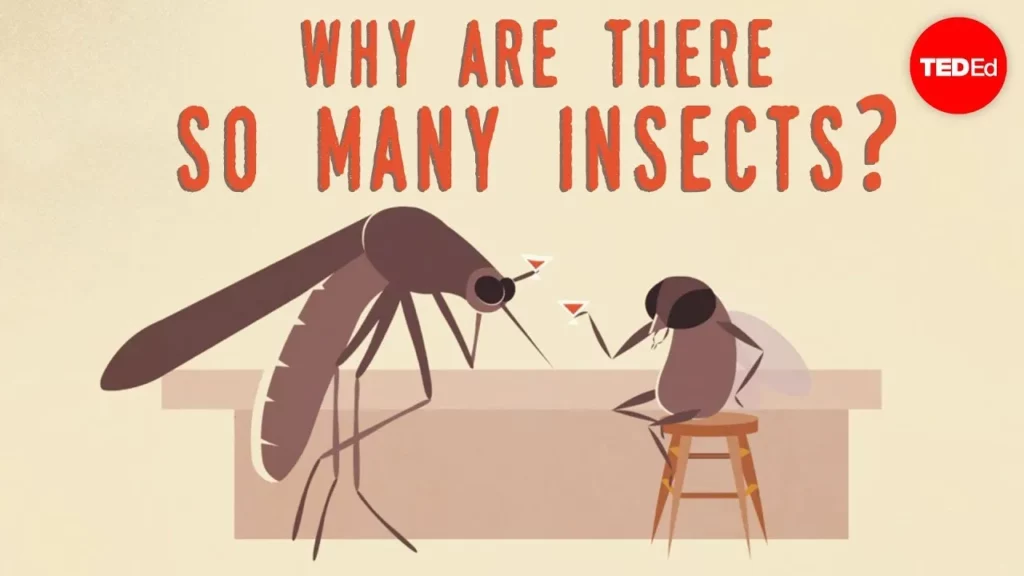
The lesson explores the astonishing prevalence and diversity of insects, highlighting that there are approximately 10 quintillion insects on Earth, vastly outnumbering humans. Their success is attributed to rapid reproduction, adaptability through exoskeletons, unique survival strategies, and the ability to undergo metamorphosis, allowing them to thrive in various environments and utilize resources efficiently. Ultimately, insects are portrayed as the true conquerors of the planet due to their overwhelming numbers and resilience.
Can wildlife adapt to climate change? – Erin Eastwood
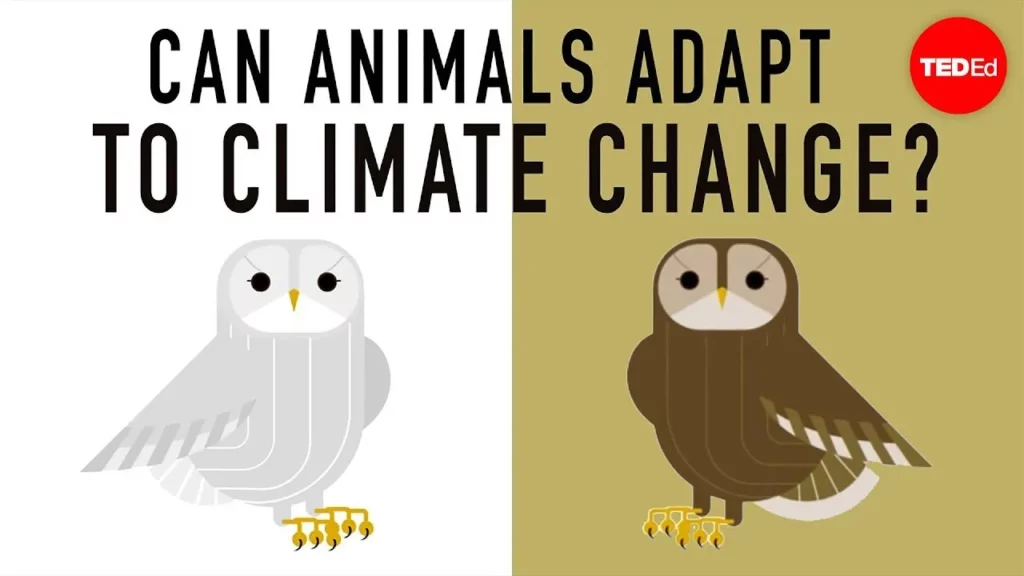
The lesson explores how wildlife can adapt to climate change through evolutionary processes, which may occur more rapidly under intense environmental pressures. While some species have shown genetic adaptations, such as the tawny owl changing its plumage color, many organisms still face challenges that may require human intervention for survival. Conservation efforts, including the protection of critical habitats and support for species migration, are essential to preserving biodiversity and ensuring the resilience of both wildlife and human populations in a changing climate.
Why is this painting so captivating? – James Earle and Christina Bozsik
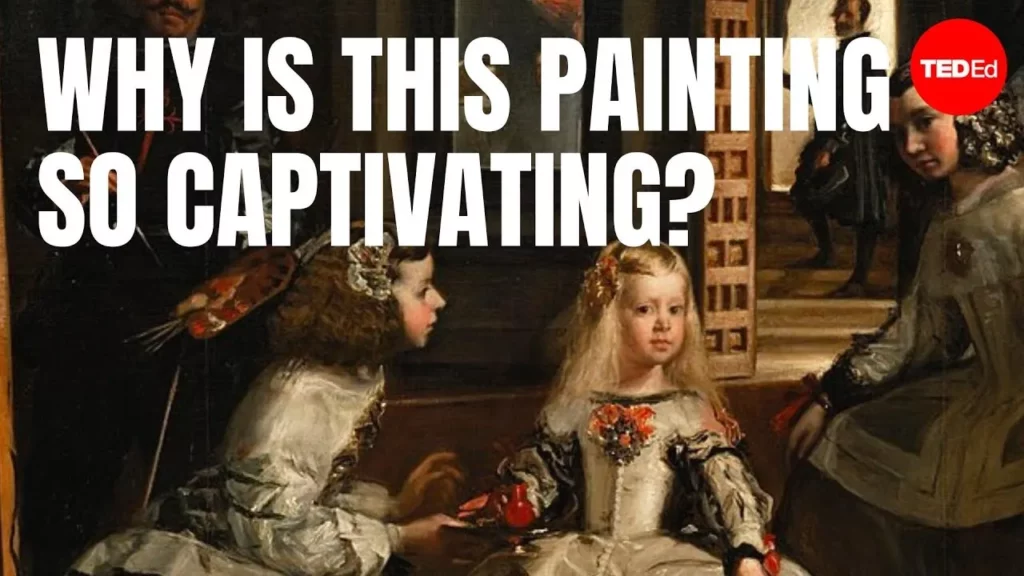
Diego Velázquez’s “Las Meninas” is a complex and captivating painting that transcends its initial appearance as a simple court scene, offering profound insights into the Spanish Royal Court and the artist’s own role within it. The inclusion of a mysterious mirror reflecting King Philip IV and Queen Mariana invites viewers to explore themes of perspective, reality, and the interplay between art and life, while the vibrant depiction of Infanta Margarita Teresa symbolizes hope amidst the royal family’s struggles. Ultimately, the painting’s layered meanings and masterful execution elevate it to an intellectual endeavor, making it one of the most analyzed artworks in history.
What is metallic glass? – Ashwini Bharathula

Metallic glass is an innovative material that combines the strength of steel with the moldability of plastic, making it ideal for applications requiring durability and intricate shapes. Its unique amorphous atomic structure contributes to its exceptional properties, such as high strength, corrosion resistance, and the ability to store elastic energy, which are beneficial in fields like medicine and sports equipment. Despite challenges in cost and toughness for large-scale applications, ongoing research aims to enhance its practicality, potentially transforming various industries.