
How interpreters juggle two languages at once – Ewandro Magalhaes
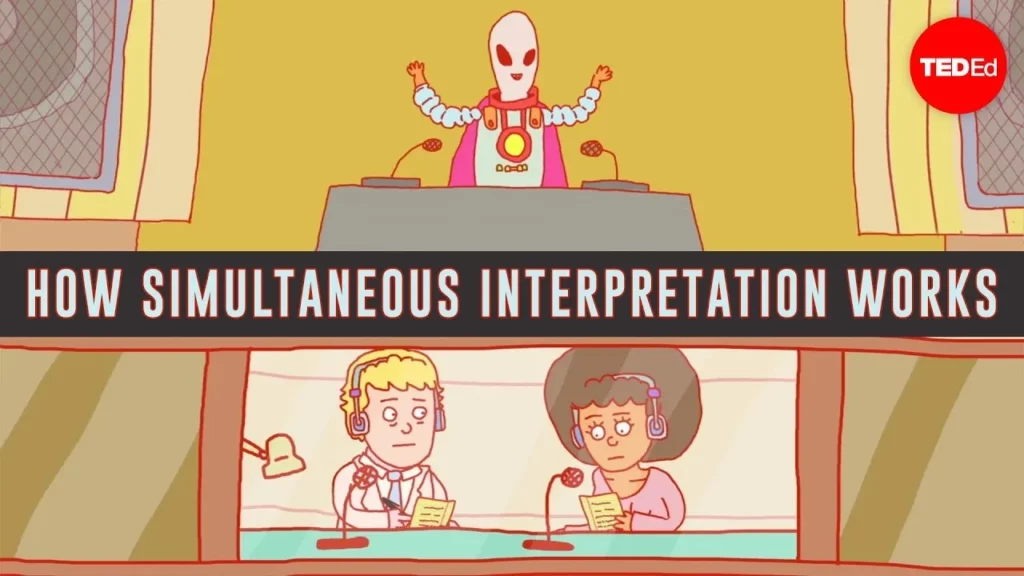
The lesson highlights the critical role of interpreters in preventing misunderstandings that can arise from language barriers, as illustrated by a historical incident involving a misinterpreted statement by Soviet leader Nikita Khrushchev during the Cold War. It emphasizes the rigorous training and skills required for interpreters, including techniques for simultaneous interpretation, extensive preparation, and teamwork, all aimed at ensuring accurate communication and avoiding potentially severe consequences of misinterpretation. Ultimately, the lesson underscores the importance of precise interpretation in maintaining diplomatic relations and preventing conflict.
The evolution of the book – Julie Dreyfuss
The lesson explores the evolution of books, beginning with the codex and highlighting key developments such as Gutenberg’s printing press, which revolutionized book production and information dissemination. It examines the essential components of a book—paper, type, and cover—along with the advancements in ink and fonts over time. Finally, the lesson addresses the transition from physical books to digital formats, prompting reflection on what defines a book in today’s world.
Why wasn’t the Bill of Rights originally in the US Constitution? – James Coll

The lesson explains why the Bill of Rights was not included in the original U.S. Constitution, highlighting the historical context of its creation. Initially, the framers focused on establishing a strong federal government and believed that individual rights were inherently protected through democratic governance. However, growing concerns from Anti-Federalists about the lack of explicit protections for liberties led to a compromise, resulting in the ratification of the Bill of Rights three years later, which has since become essential to American freedoms.
What does it mean to be a refugee? – Benedetta Berti and Evelien Borgman
The lesson “Understanding What It Means to Be a Refugee” explores the definition and experiences of refugees, highlighting that approximately 60 million people have been displaced due to war, violence, and persecution. It emphasizes the unique challenges faced by refugees, particularly children, as they navigate dangerous journeys and seek asylum in host countries, which have a responsibility to protect them. The lesson also encourages reflection on personal histories to foster empathy for the plight of refugees today.
What makes something “Kafkaesque”? – Noah Tavlin
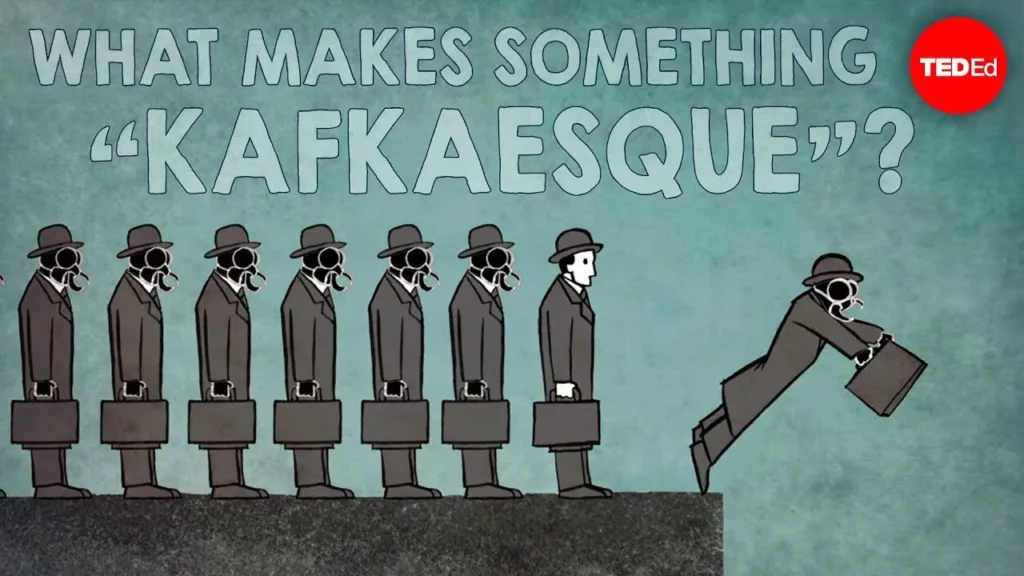
The lesson explores the concept of the “Kafkaesque,” rooted in Franz Kafka’s works, particularly “The Trial,” where characters navigate bewildering bureaucratic systems that reflect the absurdities of modern life. Kafka’s narratives, often tragicomic, highlight the disorienting nature of arbitrary power and the internal struggles of individuals, revealing a deeper commentary on societal structures and personal agency. Through humor and irony, Kafka encourages readers to recognize and confront the complexities of their own realities, suggesting that change is possible despite the overwhelming nature of these systems.
Is there a disease that makes us love cats? – Jaap de Roode
The lesson explores the intriguing possibility that the parasite *Toxoplasma gondii*, which causes toxoplasmosis, may influence human behavior and emotions, potentially increasing our affection for cats. This parasite has a complex life cycle involving cats and rodents, and it can manipulate the behavior of infected mice to enhance its chances of transmission. While research suggests a link between *Toxoplasma* and various mental health conditions in humans, the extent to which it affects our love for cats remains uncertain, prompting further investigation into the relationship between parasites and human behavior.
What is epigenetics? – Carlos Guerrero-Bosagna
The lesson on epigenetics explores how gene expression is influenced by environmental factors and chemical modifications, leading to differences in traits even among genetically identical individuals, such as identical twins. It highlights the dynamic interplay between DNA, the epigenome, and external influences like diet and stress, which can activate or silence genes, ultimately affecting health and development. Understanding epigenetics offers insights into disease mechanisms and potential strategies for improving health through lifestyle choices.
What is obesity? – Mia Nacamulli
The lesson “Understanding Obesity: A Modern Health Challenge” explores the historical context of obesity, tracing its evolution from a survival mechanism to a significant health concern in contemporary society. It highlights the role of Body Mass Index (BMI) in defining obesity, the various causes including lifestyle choices and genetics, and the challenges faced in overcoming obesity. The lesson emphasizes the importance of adopting healthier habits and comprehensive prevention strategies to address this growing global epidemic.
Rosalind Franklin: DNA’s unsung hero – Cláudio L. Guerra
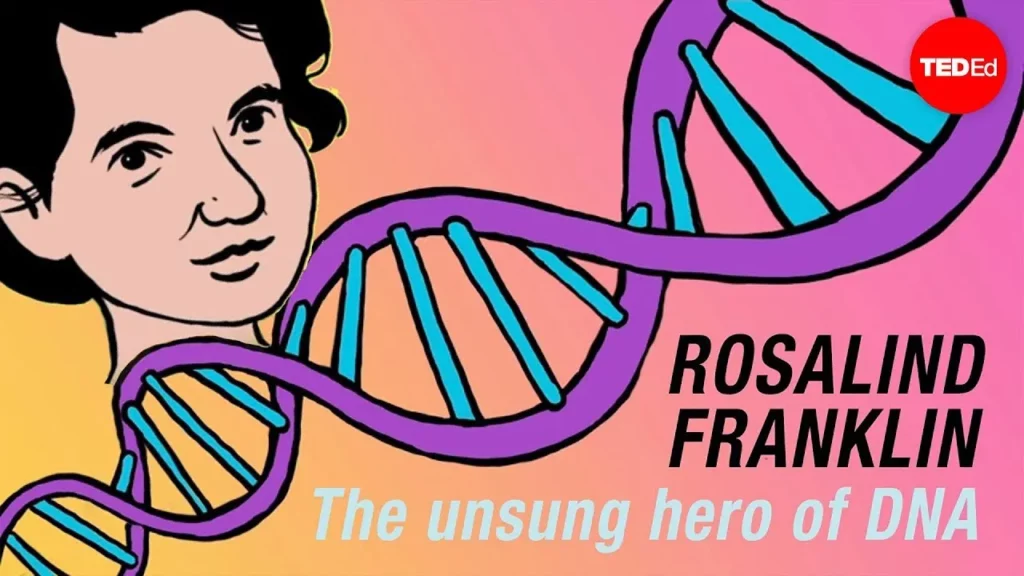
The lesson highlights the significant yet often overlooked contributions of Rosalind Franklin to the discovery of DNA’s structure, emphasizing her groundbreaking work with x-ray crystallography that led to the iconic Photo 51. Despite facing gender-based challenges in a male-dominated field, Franklin’s meticulous research laid the foundation for the double helix model proposed by Watson and Crick, who received the Nobel Prize for their work, while Franklin’s contributions were largely unrecognized during her lifetime. Her legacy serves as a reminder of the importance of acknowledging all contributors to scientific advancements, particularly those who have been marginalized.
How the bra was invented | Moments of Vision 1 – Jessica Oreck
The lesson explores the invention of the modern bra in the 1920s by dressmaker Ida Rosenthal and her partners, who aimed to enhance women’s natural curves rather than conceal them. Their creation led to the establishment of Maidenform, which revolutionized the bra industry with a new sizing system, making it easier for women to find the right fit. Over the decades, the bra has evolved significantly, becoming an essential garment that supports women’s health and comfort while reflecting changes in fashion and societal attitudes.